


In Depth
150 Million, 8 Years, 0 Products: The Project of a Top Scientist's IP Has Come to an End In October 2026, DRA, a joint venture between Dennis Lo Yuk-ming's team and KingMed Diagnostics, was officially dissolved, ending an eight-year collaboration backed by RMB 150 million. Established in 2018 with equal 50% stakes, DRA aimed to commercialize high-end non-invasive prenatal testing (NIPT) based on copy number variation sequencing (CNV-seq), leveraging Lo's patents and KingMed's distribution network. Despite favorable market expectations and strong academic backing, the venture failed to commercialize any products and was terminated as no longer necessary. The case highlights the gap between scientific achievements and commercial success, underscoring the challenges of translating academic intellectual property into marketable products and the risks of investing in scientist-led ventures without a viable commercialization pathway.
9min read
Read More 
2025 Healthcare AI Industry Report: Exploring Value Measurement and Payment to Overcome the Challenges of Medical AI
We help global healthtech companies, investors, and institutions with the right local partners—from distributors and licensees to investment targets and R&D collaborators.
Finance
Innovation
Startups
Medical Device Approved
IPO
Ranking
Business Development

Innovation
Certifying Domestic Mass Spectrometry Strength: Yingsheng Biology Selected for First Set of Technical Equipment Shandong YingSheng Biotechnology Co., Ltd. has been included in the 2026 cohort of Shandong Province's First Set of Technical Equipment list for its self-developed liquid chromatography–tandem mass spectrometry (LC-MS/MS) system. This provincial designation recognizes significant technological innovation and marks a critical milestone in China's campaign to replace imported high-end analytical instruments with domestic alternatives. The certification validates Yingsheng Biology's capacity for independent innovation and its benchmark position in the localization of mass-spectrometry equipment, reinforcing its status as a key player in the clinical mass-spectrometry market.
2min read
Read More 
Startups
From "Full-Length Collagen" to "Regenerative Medicine Materials": A Biomaterials Company's Upstream Breakthrough In March 2025, Krezen successfully observed recombinant human collagen fibrils resembling natural structures under electron microscopy, shifting its R&D focus from protein yield to structural authenticity. China's recombinant collagen market is projected to reach RMB 66.5 billion by 2027, yet founder Li Yang noted a shortage of high-end products meeting international standards. Animal-derived collagen faces immunogenicity risks, while most recombinant alternatives struggle to replicate natural structures. Krezen aims to overcome these challenges by developing structurally authentic biomaterials for regenerative medicine, addressing industry bottlenecks and enhancing the global competitiveness of Chinese companies.
7min read
Read More 
Finance
Dano Technology Completes Nearly RMB 10 Million Angel Round | Advancing Trusted AI Adoption in the Life Sciences On October 15, 2026, Dano Technology completed a nearly RMB 10 million angel round from TigerYeah Capital. The proceeds will be mainly used to upgrade Dano Technology's Smart series of AI platform products — "digital employees" built for pharmaceutical scenarios — so that they better match the pharmaceutical industry's regulatory and compliance requirements. The funding will also support biopharmaceutical companies in data governance and project management, improving their overall work quality and efficiency.
3min read
Read More 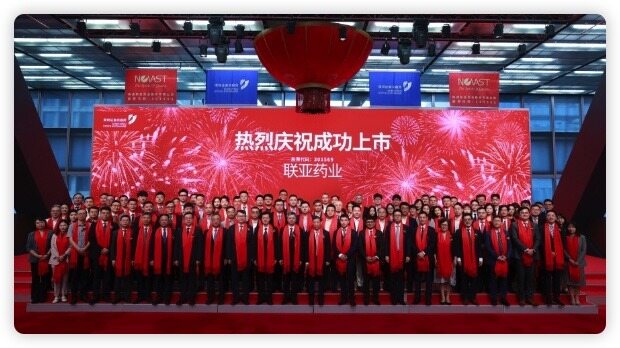
IPO
Pharmaceutical Company with 48 FDA Approvals Surges 400% at IPO Debut NOVAST listed on the ChiNext board on October 15, 2026, rather than completing a primary market financing round; therefore, no specific fundraising amount, round, or financial advisor was reported. Founded by Dr. Zhang Guohua, the company specializes in high-barrier sustained- and controlled-release formulations and their global expansion. With 48 FDA approvals, it holds leading U.S. market shares in several products. Early investors included Legend Capital, Danqing Phase II Fund, Xiamen C&D Inc., and the China International Trade in Services Development Fund. IPO proceeds will support R&D, capacity expansion, and internationalization, strengthening its presence in the U.S. prescription drug market. In 2025, revenue reached RMB 895 million and net profit RMB 228 million.
7min read
Read More 
Medical device approved
World’s First! GensKey’s mNGS Kit Receives Class III Certification, Marking the Entry of High-Throughput Pathogen Diagnosis into the Era of Standardization GensKey’s self-developed mNGS kit has received a Class III medical device registration certificate from China’s National Medical Products Administration (NMPA), marking China’s first Class III registration for pathogen metagenomic testing and the first mNGS infectious pathogen diagnostic kit approved by a national regulator worldwide. The U.S. FDA has yet to approve any mNGS diagnostic kit, while the EU has not completed approval of any broad-spectrum infectious pathogen mNGS sequencing kit. China’s lead reflects strong clinical demand and rapid technological iteration. With mNGS and tNGS still at low penetration but high growth, clinical needs are accelerating standardization, regulatory approval and reimbursement. As a key tool for severe and complex infections, mNGS has historically relied on centralized laboratories with limited standardization. The new Class III approval could reshape the market and unlock a billion-yuan incremental opportunity.
4min read
Read More 
Innovation
SIMBAY News | Lingshi Zhiyuan's First-in-Class TCR-TCE Drug ES502 Targeting RAS G12V Receives NMPA Clinical Trial Approval in China Shanghai Lingshi Zhiyuan Biotechnology, a SIMBAY portfolio company, announced that its ES502 injection has received implicit clinical trial approval from China's National Medical Products Administration (NMPA). ES502 is a first-in-class T cell receptor–T cell engager (TCR-TCE) therapeutic designed to target advanced solid tumors harboring the RAS G12V mutation by activating T cells to specifically recognize and destroy mutant tumor cells. Compared with small-molecule RAS inhibitors, ES502 offers greater tumor specificity, a wider therapeutic window, and the potential to overcome drug resistance. This milestone follows the company's U.S. FDA IND clearance in March 2026, achieving dual regulatory approvals in China and the United States. The drug's development is underpinned by two proprietary platforms: a pHLA target discovery platform and a soluble TCR engineering platform.
2min read
Read More 
Innovation
KingMed Establishes Reference Intervals for Domestic Chemiluminescence AD Platform with No Statistical Difference from Imported Single-Molecule Systems On October 15, 2026, KingMed Diagnostics announced the successful establishment of reference intervals for four core Alzheimer's disease blood biomarkers using a domestic chemiluminescence platform. Validation studies demonstrated that the domestic platform's diagnostic performance showed no statistically significant difference compared to imported single-molecule systems, achieving equivalent accuracy. This breakthrough reduces reagent costs by 50% to 70% and supports high-throughput testing, paving the way for affordable, large-scale early Alzheimer's screening across China's regional and county-level healthcare facilities.
2min read
Read More 
Innovation
'Miracle Cancer Drug' from Chongqing Lummy Pharmaceutical: Inspiration from 130-Year-Old Wastewater Treatment Chongqing Lummy Pharmaceutical Co., Ltd. saw its stock surge 50% in four trading sessions following the release of Phase I clinical data for its novel anticancer drug, CNSI-Fe (nano carbon iron). Developed by its subsidiary Sichuan Yingrui Pharmaceutical, the drug leverages 'ferroptosis' — a cell death mechanism inspired by the Fenton reaction used in wastewater treatment since 1893. In a trial of 18 late-stage cancer patients, the drug achieved an 84.2% disease control rate, with 100% control in sarcoma cases, though the objective tumor shrinkage rate was 10.5%. The drug uses carbon nanoparticles to deliver ferrous ions directly into tumors, triggering hydroxyl radicals to destroy cancer cells while minimizing damage to healthy tissue. Lummy claims a global first-mover advantage in ferroptosis therapy, with a Phase II trial combining CNSI-Fe with radiotherapy already underway.
4min read
Read More 
Innovation
Sunshine Mandi Files for Female-Specific 5% Minoxidil Foam in China Following Phase 3 Trial Zhejiang Sunshine Mandi Pharmaceutical has submitted a new drug application for its 5% minoxidil foam specifically for female patients with androgenetic alopecia. The filing follows a rigorous Phase 3 clinical trial involving 296 women after an initial indication extension was rejected in 2024. Although the active ingredient concentration remains 5%, the female formulation requires only once-daily application. Sunshine Mandi's foam product, which boasts reduced scalp irritation and superior follicular drug accumulation, generated over CNY 300 million in its first year. The regulatory outcome will set a significant precedent for gender-differentiated indications in China's topical hair-loss treatment market.
3min read
Read More 
Finance
Exclusive: Abrobo Completes Tens of Millions in A+ Round Financing, Pan-Vascular Interventional Robots Enter the Fast Lane of Commercialization Shenzhen Institute of Advanced Biomedical Robot Co., Ltd. (Abrobo) has completed a Series A+ financing round worth tens of millions of RMB, led by PU HE CAPITAL, with strategic follow-on investment from Shenzhen Longgang Financial Investment Holding Co., Ltd. The proceeds will support the commercialization of its vascular interventional surgical robots, expansion of clinical indications, R&D and regulatory registration of intelligent automated and remote surgical systems, and talent recruitment. Founded in 2020, Abrobo focuses on master-slave robotic arm technology to address clinical needs in pan-vascular intervention. The financing is expected to accelerate product deployment and market expansion, supporting the commercialization of its vascular interventional robots amid intensifying global competition.
8min read
Read More

We provide comprehensive advisory services to global healthtech companies, international investors, and institutions seeking to understand, assess, and enter the complex Chinese healthcare market.
Report
Insights
In Depth
Policy
Expert Interview
In Depth
150 Million, 8 Years, 0 Products: The Project of a Top Scientist's IP Has Come to an End In October 2026, DRA, a joint venture between Dennis Lo Yuk-ming's team and KingMed Diagnostics, was officially dissolved, ending an eight-year collaboration backed by RMB 150 million. Established in 2018 with equal 50% stakes, DRA aimed to commercialize high-end non-invasive prenatal testing (NIPT) based on copy number variation sequencing (CNV-seq), leveraging Lo's patents and KingMed's distribution network. Despite favorable market expectations and strong academic backing, the venture failed to commercialize any products and was terminated as no longer necessary. The case highlights the gap between scientific achievements and commercial success, underscoring the challenges of translating academic intellectual property into marketable products and the risks of investing in scientist-led ventures without a viable commercialization pathway.
9min read
Read More 
Insight
From 600 Million Annual Health Checkups to Trillion-Yuan Proactive Health: Topsky's Transformation and Second Growth Curve China's checkup industry handles nearly 600 million visits a year, yet "checkup-only" service and low follow-up rates persist. Amid rising medical insurance pressure and the "Healthy China 2030" policy drive, health management is shifting from treatment-centred to health-centred. China's sub-health market is set to top RMB 1.4 trillion by 2030; with chronic disease management added, proactive health is a trillion-yuan track. Against this backdrop, Topsky is upgrading from a traditional checkup informatisation provider to a proactive health service provider. With lifestyle medicine as its methodology and AI as its foundation, it is extending into hospitals, enterprises, insurance and elderly care to cut medical costs through earlier intervention, build a second growth curve and reshape its commercial value, meeting DRG/DIP reform and insurers' cost-control needs.
12min read
Read More 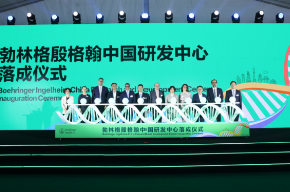
InsightMNC China Lens
Boehringer Ingelheim China R&D Center Inaugurated, Doubling Down on Early-Stage Clinical Development of New Drugs and Deepening External Innovation Partnerships On October 12, 2026, Boehringer Ingelheim inaugurated its China R&D Center in Zhangjiang, Shanghai, integrating scientific discovery, early development, and translational research. The center aims to strengthen early clinical development and external innovation. Its Early Medical Team will focus on disease mechanisms, biomarkers, and proof-of-concept studies, with China participating in all pre-PoC projects. The External Innovation Team will seek local opportunities through business development and licensing (BD&L) and venture capital investments. The China team currently participates in over 70% of the company's early-stage clinical studies and all pivotal trials, supporting global first launches and simultaneous drug approvals.
3min read
Read More 
In Depth
Listed Pharma Companies Flock to Fund Subscriptions, Queuing Up to Hand Money to AI and Semiconductors A string of listed pharma companies, including Yuwell Medical, EasyDiagnosis and INTCO Medical, are pouring hundreds of millions of yuan into funds targeting AI and semiconductors for cross-sector gains. The move follows Andon Health's "core healthcare + tech investment" dual-engine model, whose AI bets drove sharp profit growth, proving tech investing a second growth curve. Healthcare firms are thus more cautious on vertical healthcare bets, favouring funds such as Gaorong Changying and SMIC Juyuan. Yuwell Medical itself has repeatedly subscribed to funds targeting AI and semiconductor chips, seeking both returns and supply-chain security for core device components. Healthcare capital is re-selecting GPs and reaching into frontier tech — AI, semiconductors, commercial space — for new value growth beyond the main business.
6min read
Read More 
In Depth
CNY 1.5M Annual Salaries: Brain‑Computer Interface Sector Wages Fierce Talent Battle In 2026, China's brain-computer interface (BCI) sector has seen rapid industrialization and intensifying talent competition. Driven by technological advances and capital inflows, demand for cross-disciplinary professionals in algorithms, hardware, and commercialization has surged. Invasive and non-invasive technologies using optical, electrical, and magnetic approaches have widened talent gaps. Domestic financing reached billions of yuan in H1 2026, prompting companies to expand teams and offer competitive salaries. Annual pay for key implantable BCI positions has reached RMB 1.5 million, while senior neuroscience PhDs can earn over RMB 1 million. Despite an official reference range of RMB 180,000–470,000 from Beijing's human resources authority, million-yuan packages are increasingly common. As the sector shifts from research to commercialization, demand for elite interdisciplinary talent continues to rise, with compensation reflecting technical expertise.
9min read
Read More 
Expert Interview
As Going Global Becomes Mandatory for Device Makers, Patents Go First | An Interview with Wei Zheng, Deputy General Manager of Puyi Bio In an interview with VCBeat's "Going Global" column, Puyi Bio Deputy General Manager Wei Zheng discusses how device makers go global. As centralized procurement becomes routine for high-value consumables in China, going global is now a must. Focused on high-end implantable and interventional products, Puyi Bio leans on two core in-house technologies—absorbable polymers and sustained drug release—to win multiple registration certificates at home and abroad. Its distinctive strategy is "patents go global first": overseas patent filings and approvals lead, opening U.S. and European registration pathways and letting the global market feed back into China. As a front-runner in bioabsorbable coronary stents, Puyi Bio cites XinSorb, its first proprietary product, to illustrate a "global first, China later" reverse expansion.
10min read
Read More 
InsightFinance
Two Giants Complete the Acquisition: How Will They Shake Up the Medical Imaging Market? In 2026, Midea Group completed a 100% takeover of Esaote, Europe's largest ultrasound equipment producer, folding it into its Healthcare Division. After Wandong Medical and Carestream, the deal is another heavyweight cross-border move, completing Midea's high-end global positioning. Since taking over Wandong in 2021, Midea has set its imaging strategy, consolidating KUKA and Swisslog via sustained R&D and capital moves, launching an independent Healthcare Division in 2025 as a core group segment. With former GE HealthCare executive Chen Jinlei joining and the deal closed, Midea has built a global sales and qualification network spanning ultrasound, DR, MRI and digital imaging. From loose appliance-adjacent incubation to high-profile industrial M&A, Midea is shaking up the global medical imaging market as a competitor not to be ignored.
10min read
Read More 
Insight
The Next Phase of Competition in China's Innovative Drug Industry: Not Just "Developing" but "Manufacturing" In August 2026, China's first commercial-scale dual-chamber lyophilized formulation production line completed equipment installation at WuXi Biologics' Chengdu facility. Initiated by VISEN, manufactured by WuXi Biologics, and equipped by Tofflon, the project was completed in just 10 months, demonstrating strong industry chain collaboration. Designed for VISEN's first commercial product, Weizhengao®, the line integrates liquid filling and lyophilization molding to optimize drug formulation, packaging, and manufacturing. By overcoming patent barriers related to dual-chamber cartridge pens, VISEN has extended innovation beyond drug development to manufacturing and patient experience. The technology enables room-temperature storage and convenient home injection, highlighting the industry's shift toward addressing the entire drug lifecycle, including storage, transportation, and administration, as a new source of competitive advantage.
6min read
Read More 
Insight
Enhancing Data Value from the Source: A Multimodal Data Foundation Opens a Second Growth Curve for Imaging AI Medical imaging data's value is limited by high heterogeneity. To break these barriers, medical AI companies are building multimodal data foundations to open a second growth curve. Focused on pre-acquisition and pre-archiving processing, these foundations convert scattered images into reusable data assets via quality optimization and standardized organization, extending AI value from assisted diagnosis to data generation and continuous use. Rimag, Diagens, Tempus, and Subtle Medical are moving in. Subtle Medical centers on the data source, integrating acquisition optimization, enhancement, and quality control to build a multimodal imaging data foundation linking devices and data centers. Cross-modal combinations enable scan optimization, automated quality control, and upstream standardization, pursuing "First Time Right" so the first scan delivers high-quality data, unlocking imaging data's long-term value.
8min read
Read More 
In Depth
Over $3 Billion Pours In! Physical AI Is Shattering the Ceiling of AI Drug Discovery Physical AI is attracting capital in AI-driven drug discovery. Transfyr, founded in August 2026, raised $25 million in seed funding; Shuye Technology completed a Pre-A round in September to develop self-driving laboratories; Jindu Life Sciences raised nearly RMB 100 million in Series A funding in June; and Medra raised $52 million in Series A funding in late 2025, bringing total funding to $63 million. These startups integrate real-world perception, equipment control, and automated decision-making to develop physical AI scientists and transform life science research. Despite ongoing debate over the definition of Physical AI, investors are backing large-scale early-stage projects, accelerating the integration of AI for Science (AI4S) with physical experiments to overcome traditional limitations in AI-driven drug discovery. No specific investors or financial advisors were disclosed.
10min read
Read More
We provide international health innovators with strategic visibility, key connections, and deep market insights in China through a full suite of engagement services.
InsightMNC China Lens
Boehringer Ingelheim China R&D Center Inaugurated, Doubling Down on Early-Stage Clinical Development of New Drugs and Deepening External Innovation Partnerships On October 12, 2026, Boehringer Ingelheim inaugurated its China R&D Center in Zhangjiang, Shanghai, integrating scientific discovery, early development, and translational research. The center aims to strengthen early clinical development and external innovation. Its Early Medical Team will focus on disease mechanisms, biomarkers, and proof-of-concept studies, with China participating in all pre-PoC projects. The External Innovation Team will seek local opportunities through business development and licensing (BD&L) and venture capital investments. The China team currently participates in over 70% of the company's early-stage clinical studies and all pivotal trials, supporting global first launches and simultaneous drug approvals.
3min read
Read More 
InnovationMNC China Lens
Viatris to Acquire Pacira for $1.65 Billion in Non-Opioid Pain Push; Hengrui's Fluzoparib EMA Application Accepted Viatris Inc. has announced a $1.65 billion cash acquisition of Pacira BioSciences to expand its non-opioid pain management portfolio with established products like EXPAREL and ZILRETTA. In global regulatory developments, China's Jiangsu Hengrui Pharmaceuticals reported that the European Medicines Agency (EMA) has accepted its marketing authorization application for fluzoparib, a PARP inhibitor for metastatic castration-resistant prostate cancer, highlighting its growing ambitions in European markets.
6min read
Read More 
FinanceMNC China Lens
$2.7 Billion Investment in Innovative Companies: Which Sectors Did Medtronic Target? In the first three quarters of 2026, Medtronic invested approximately $2.7 billion in intensive M&A activities. This included leading a $100 million Series D financing round for China-based Pulnovo Medical. Additionally, Medtronic made strategic investments of approximately $700 million in China's Cornerstone Robotics and Israel's Pi-Cardia; acquired three companies, including CathWorks and Scientia Vascular; and invested in Beluga Medical and CARDIOACC. Although the specific financial advisors were not explicitly mentioned in the text, PwC provided relevant data support. Leveraging its strong cash flow, Medtronic aims to address gaps in cardiology and neuroscience through strategic acquisitions, rapidly acquiring high-growth, near-commercialization innovative technologies to synergize with existing businesses and drive growth.
8min read
Read More 
Business DevelopmentMNC China Lens
2 Days, 2 Deals, $2 Billion-Level BD In late September, two global oncology BD deals worth about $2 billion each highlighted the value of Chinese innovative drugs. MSD is acquiring SciBrunch's preclinical oral KRAS G12D inhibitor SPR2015 for up to $2.13 billion to strengthen its solid tumor pipeline. AstraZeneca is investing $2 billion in Summit Therapeutics to advance combination therapies involving Akeso's ivonescimab and CLDN18.2 ADC, while expanding collaboration on multiple ADCs. Despite similar deal sizes and Chinese origins, the transactions reflect different strategies: MSD is using a preclinical small molecule to fill pipeline gaps, while AstraZeneca is leveraging a mature bispecific antibody to explore combination therapies. The deals highlight diverse asset stages, deal structures, and strategic approaches in global oncology BD, as well as the growing global value of Chinese biopharmaceutical innovation.
8min read
Read More 
Business DevelopmentMNC China Lens
$2.13 Billion! A Shanghai Biotech Signs Exclusive Global BD Deal with MSD On September 28, 2026, Shanghai SciBrunch and MSD announced a global exclusive licensing agreement for SPR2015, a preclinical oral KRAS G12D (ON) inhibitor. Under the agreement, SciBrunch grants MSD exclusive worldwide rights to develop, manufacture, and commercialize SPR2015. The deal includes a $400 million upfront payment and milestone payments, with a potential total value of up to $2.13 billion. SPR2015 is a potent and selective molecular glue inhibitor targeting KRAS G12D, the most common KRAS mutation in human tumors. Preclinical studies showed significant antitumor activity across multiple models while maintaining favorable selectivity for wild-type KRAS. The collaboration validates SciBrunch’s R&D capabilities in RAS-targeted therapies and strengthens MSD’s precision medicine pipeline, with potential applications in pancreatic, colorectal, and lung cancers.
3min read
Read More 
MNC China LensExpert Interview
An Interview with Bayer's Friedemann Janus: A Third of Drugs in Development Come from China — What Is Bayer Looking For? Dr. Friedemann Janus, Senior Vice President of Bayer's Pharmaceuticals Division, said China's innovative drugs are embedding deeply into the global system, with about a third of drugs in development originating from China. Multinational pharma's China strategy has shifted from license-in of mature pipeline assets to early engagement with biotech teams to grasp their innovation logic. Bayer, which sees China as a key source of high-quality innovation, has built a network linking startups with global capital and R&D experts via Co.Lab sites in Shanghai and Beijing, a venture capital alliance, and global roadshows during 2024–2025. Janus believes China's pharma industry has moved past "Me-too" and "Fast-Follow" toward "Best-in-Class." The core issue now is how multinational pharma can embed even earlier in China's innovation ecosystem and drive local innovation into global R&D, business development, and commercialization — a fundamental elevation of China's global pharma position.
8min read
Read More InnovationMNC China Lens
China's CDE Nominates Two MASH Drug Candidates for Breakthrough Therapy Designation: ZSP1601 and Efimosfermin Alfa China’s Center for Drug Evaluation (CDE) has nominated two MASH drug candidates for breakthrough therapy designation: Zhongsheng Pharmaceutical’s ZSP1601 tablets and GSK’s injectable Efimosfermin alfa. ZSP1601, a first-in-class pan-phosphodiesterase (PDE) inhibitor, has entered Phase III trials after showing significant pathological improvement in Phase IIb. At 48 weeks, response rates were 64.9% (100 mg) and 57.6% (50 mg), versus 32.5% for placebo. The drug demonstrated anti-fibrotic effects, reduced liver fat, and improved liver enzymes, with a favorable safety profile. Efimosfermin alfa, a long-acting FGF21 analog administered monthly by subcutaneous injection, is designed to reduce liver fat, improve inflammation, and reverse fibrosis. GSK acquired rights to the drug for up to USD 2 billion and has registered the Phase III ZENITH-2 trial in China following positive Phase II results showing significant histological response in patients with F2/F3 MASH.
2min read
Read More 
Business DevelopmentMNC China Lens
$900 Million! A Radiopharmaceutical Asset From Suzhou Has Been Sold On September 22, Suzhou BoomRay announced an exclusive global licensing agreement with Novartis for one of its preclinical radioligand therapy (RLT) assets. BoomRay is eligible to receive up to USD 900 million (approximately RMB 6 billion), including upfront and milestone payments, plus sales royalties. This marks Novartis’s second licensing of an early-stage RLT asset from China this year, following its January acquisition of assets from Hunan PepLib. Despite strong RLT sales, including over USD 1.9 billion in 2025 revenue from Pluvicto, Novartis continues to seek external collaborations to expand its next-generation pipeline targeting novel antigens, ligands, and radionuclides. Founded in 2018, BoomRay has developed an RLT platform covering multiple targets. The deal highlights the global licensing potential of Chinese biotech RLT assets and the growing focus of multinational pharmaceutical companies on early-stage RLT opportunities.
4min read
Read More 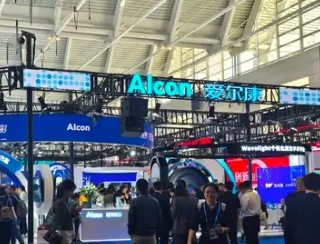
MNC China LensExpert Interview
As Innovation Enters the Clinical Deep Water, How Will Alcon Redefine Its Value in China? At CCOS 2026, Zhang Jian, vice president of Alcon China, said innovation value must be reflected in responding to real clinical needs and benefiting patients. As China's ophthalmic demands shift from basic "blindness treatment" toward high-definition, personalized, all-scenario visual quality, competition now extends to clinical application capability, professional education, and local innovation. Alcon is redefining its value in China by deepening the integration of global innovation with local clinical practice. It showcased products including the Clareon intraocular lens, the Constellation system, and the ARGOS biometer, and is advancing the rollout of Unity VCS — marking a shift from single devices to systematic clinical solutions, and aiming to complete innovation's "last mile" through continuous clinical validation to genuinely improve patient outcomes.
8min read
Read More 
Business DevelopmentMNC China Lens
A KRAS-EGFR Dual-Targeting ATTC Drug Goes Global! HUTCHMED and GSK Reach a Worldwide License Agreement On September 3, 2026, HUTCHMED announced a worldwide license agreement with GSK for HMPL-A830, its first-in-class KRAS-EGFR dual-targeting antibody-targeted conjugate (ATTC), granting GSK exclusive development and commercialization rights outside Greater China. The drug pairs an anti-EGFR antibody with a KRAS inhibitor payload to dually block signaling pathways, aiming to improve efficacy and tolerability in KRAS-mutant colorectal, pancreatic, and lung cancers. HUTCHMED will receive a USD 110 million upfront payment plus up to USD 1.185 billion in milestones and royalties, retaining Greater China rights; GSK also secured priority negotiation rights for another early-stage ATTC. A global Phase I study led by HUTCHMED is expected in H2 2026, with GSK leading overseas development and commercialization — a milestone for precision oncology addressing unmet need for safe, durable regimens.
2min read
Read More