

2026 Future Healthcare and Medicine Conference · Panlin Capital Post-investment Empowerment Seminar, How to Reassess High-Quality Assets of Innovative Chinese Healthcare in the New Era
At the 2026 AACR Annual Meeting, 104 Chinese pharmaceutical companies presented over 250 achievements, breaking the long-term monopoly of multinational giants for the first time. According to the approved data, in 2025, China approved 76 innovative drugs for marketing, a year-on-year increase of 53%, of which the domestic production rate was as high as 85.5%; 76 innovative medical devices were approved, reaching a new high. Meanwhile, at the beginning of 2026, the total amount of BD transactions for innovative drugs in China has exceeded 49 billion US dollars, reaching one-third of the total amount for the whole year of 2025.
These figures paint a clear picture: China's medical innovation industry has evolved from a fast follower into a systematic innovator standing on the global elite stage, achieving a leap from catch-up to parallel and leading development.
Yet beneath these statistics lies a fundamental question. Multinational corporations have undergone a radical shift in how they value China's innovative medical assets. They no longer pursue bargain-hunting acquisitions, but adopt strategic investment strategies, ready to invest substantially in domestic innovative pipelines, technological platforms and professional talent teams. Against this backdrop, how should we redefine and reassess high-quality assets in China’s innovative healthcare sector?
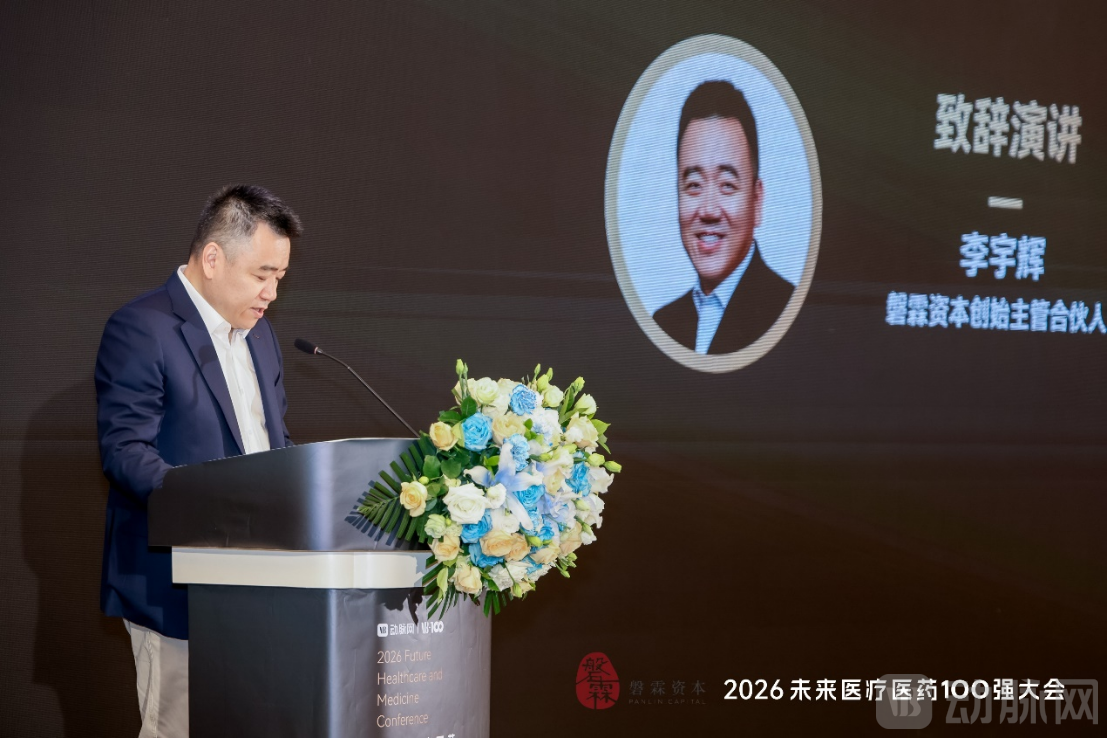
This is the core proposition of the Panlin Capital Post-investment Empowerment Seminar — Special Session on Innovative Biomedicine and Medical Devices, jointly held by Panlin Capital and VCBeat during the 2026 Future Healthcare and Medicine Conference. In his speech, Mr. Li Yuhui, founding managing partner of Panlin Capital, stated clearly: "China's medical industry is transitioning from being a follower to becoming a peer and leader. China is no longer a peripheral supply station on the treasure map of global pharmaceutical giants but a core high ground. Entering this new phase, how to redefine and reevaluate high-quality innovative medical assets in China has become the core proposition of the global medical innovation industry today."
What is the Real "Hard Currency"? – Reevaluating High-Quality Assets in China's Innovative Drug Sector
Dr. Li Yingfu, Founder of Hyperway Pharma, delivered an opening speech setting a pragmatic tone for the forum. He started with a comparison between Hengrui Pharmaceutical and BeOne Medicines. Hengrui boasts diversified innovative drug portfolios and leads the country in the number of R&D pipelines, yet its top-selling product generates merely over 2 billion yuan in sales. By contrast, BeOne's revenue largely hinges on its blockbuster product. "Every enterprise follows a distinct development path," noted Li Yingfu. "For smaller firms, in-depth specialization proves a more viable strategy."
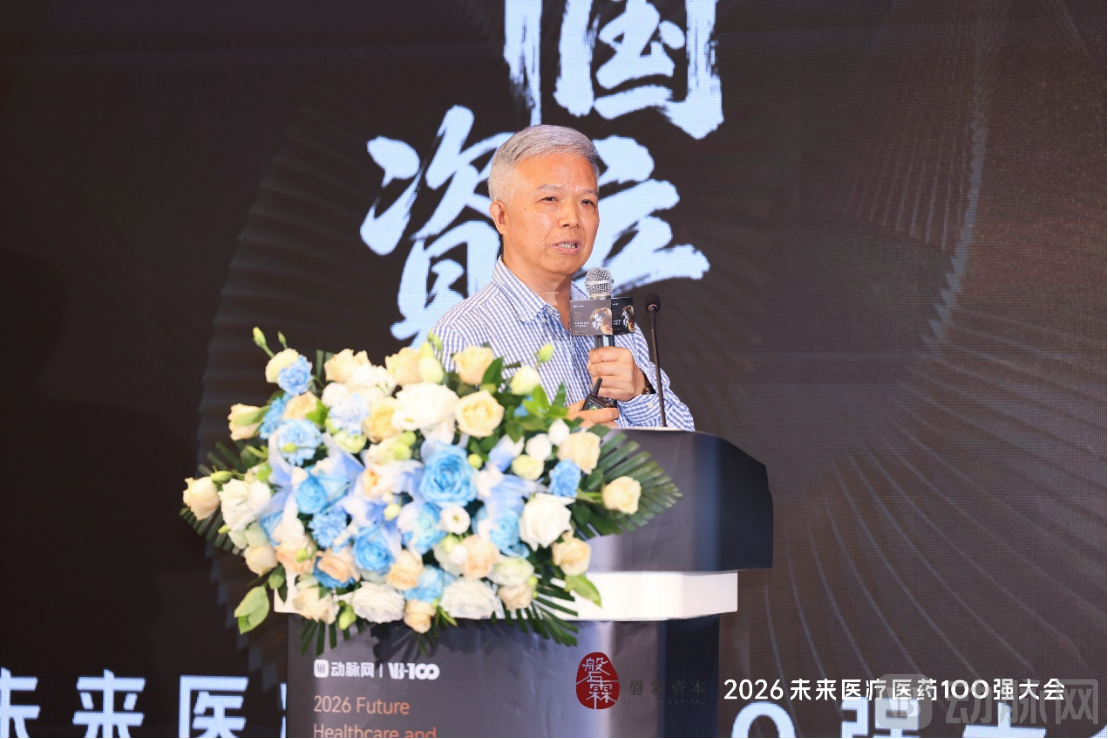
This view underpins his systematic project initiation philosophy. Li Yingfu proposed the ABCD framework. Technology represented by A is merely an admission ticket, while the core lies in integrated collaboration across industry, investment and market sectors. He also stressed clinical orientation. "Field research into real clinical needs is crucial. The ultimate goal of pharmaceutical development is to benefit patients."
In the subsequent roundtable discussion, the perspectives of the five founders revealed a richer layer of insights.
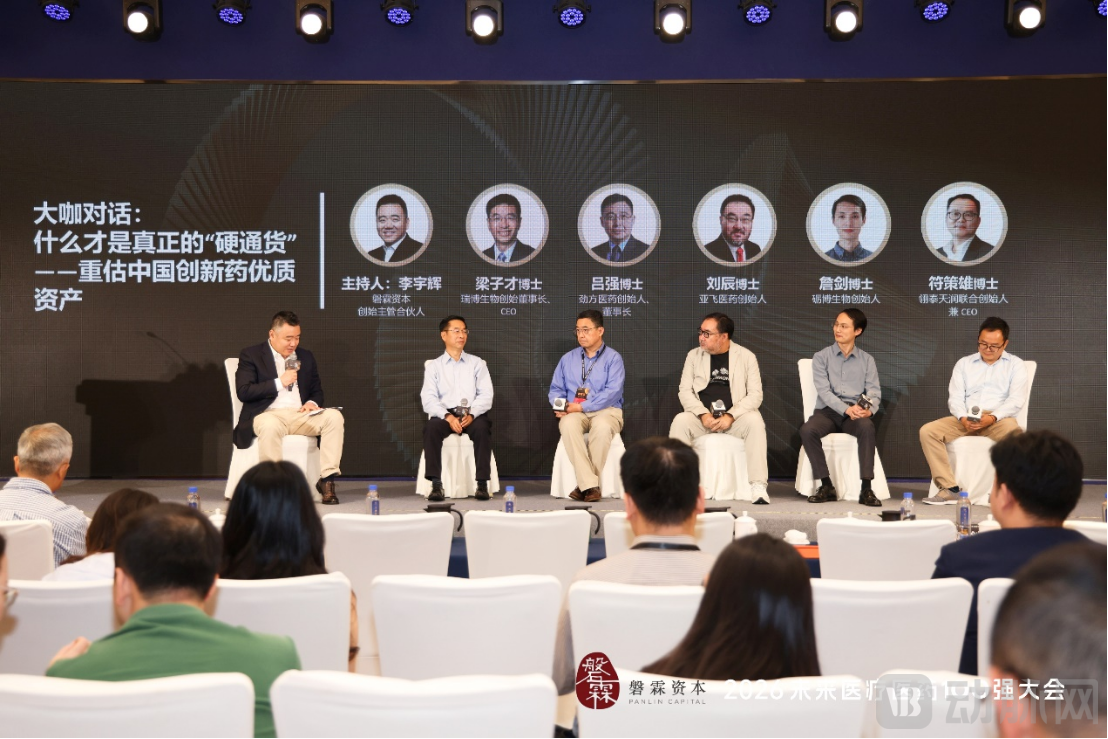
On the topic of core competitiveness of innovative pharmaceutical firms, Dr. Liang Zicai, Founder, Chairman and CEO of Ribo Life Science, categorized the global development of such enterprises into three eras. The Bronze Age features technological and product superiority; the Silver Age focuses on building global clinical development capacity and BD network; the Golden Age represents full-fledged global commercialization as achieved by BeOne. "By this standard, we have outgrown the Bronze Age and forged ahead into the Silver Age, striving steadily toward the Golden Age."
Regarding the five core capabilities raised by the host, Dr. Lv Qiang, Founder and Chairman of GenFleet Therapeutics reviewed two strengths of the company: differentiated clinical data and team iteration capability. GenFleet has gained firm footing thanks to distinctive clinical data of its RAS product lineup. Team iteration, prioritized on mindset and professional competence rather than mere personnel turnover, sustains corporate growth. As for other factors, he remarked: "Business development is an outcome rather than a cause, so it cannot serve as our strategic foundation. We are not a platform-based enterprise, but a practitioner leveraging existing platforms." Talking about FIC and BIC drug development, Dr. Lv quipped: "Focus more on practical research rather than empty concepts, and refrain from rigid ideological labeling."
Dr. Liu Chen, Founder of Affinity, started with its globally original conjugated shielding technology, stressing the integration of clinical value and platform scalability. "Take ADC drugs as an example. Only 1% of administered medicine reaches tumor tissues, while the remaining 99% triggers systemic toxic side effects. This unmet medical need is our core research focus." Its lead drug Legubicin prolonged progression-free survival from 3-4 months to over 10 months in head-to-head trials versus Doxorubicin. For patients with high Legu enzyme expression, the duration extended from just over 2 months to more than 11 months. "We concentrate on First-in-class development, as Legu enzyme was discovered independently by our team. This target also enables numerous candidates to achieve Best-in-class performance."
Dr. Fu Cexiong, Co-founder and CEO of LyncBio Therapeutics, presented the differentiated development route of next-generation ADCs. Established for less than two years, the company has developed three platforms and twelve pipelines, covering autoimmune ADCs, dual-target ADCs for hematologic tumors and solid tumors. "We divide ADCs into four individually optimizable modules: antibody, conjugate, linker and payload." He highlighted the importance of transformability, druggability and quality in drug development. Adopting international MNC development standards, LyncBio stands among the few innovative biotechs that have filed applications for two FDA-approved biological products. For BD strategy, he conducts regular exchanges with prospective multinational corporations every six months to synchronize project updates.
Dr. Zhan Jian, Founder of Ribopeutic, introduced another technical route: small molecule-targeted RNA therapy. "Conventionally, RNA is regarded as a linear chain, which cannot be identified by small molecules," Dr. Zhan noted. "Yet our AI model reveals that RNA is not purely linear. Many local segments can fold into highly stable 3D structures via extensive intermolecular interactions." Building on this finding, Ribopeutic has developed a technical platform powered by next-generation RNA language models to predict RNA 3D structures and conduct small molecule intervention research. Its lead pipeline targets Huntington's disease, while candidates for autoimmune disorders and solid tumors are steadily advancing into clinical trials.
At the end of the roundtable, Li Yuhui asked the five founders to choose three keywords that reflect core value from the following: "Global rights for FIC/BIC pipelines, international capabilities for clinically differentiated data, platform scalability, BD execution, and team iteration ability." Fu Cexiong selected clinical differentiation, platform scalability, and Best-in-class advantages; Liu Chen chose global innovation in First-in-class pipelines, clinical data supporting POC, and global execution capability; Liang Zicai responded with a framework of "three eras"; Zhan Jian selected superiority in clinical data, global First-in-class, and technical scalability; Lv Qiang only picked clinical differentiation and team iteration. "It is not mere personnel reshuffle, but mindset upgrading. The team’s thinking must keep pace with industrial trends and corporate development."
CGT: The Industry Enters a Phase Where Industrialization Capability Becomes the Core Competitive Focus
Dr. Chen Yuejun, Founder of Unixell Biotechnology, shifted the forum’s focus to the CGT sector. The company has long specialized in stem cell therapy for neurological disorders, targeting Parkinson's disease and epilepsy. "Unlike peripheral tissues and organs, the nervous system has poor regenerative capacity," Dr. Chen explained. "Our core therapy strategy is to generate specific nerve cells via stem cell differentiation and transplant them into patients' brains. These cells will form connections with existing neural networks to ultimately restore neurological functions."
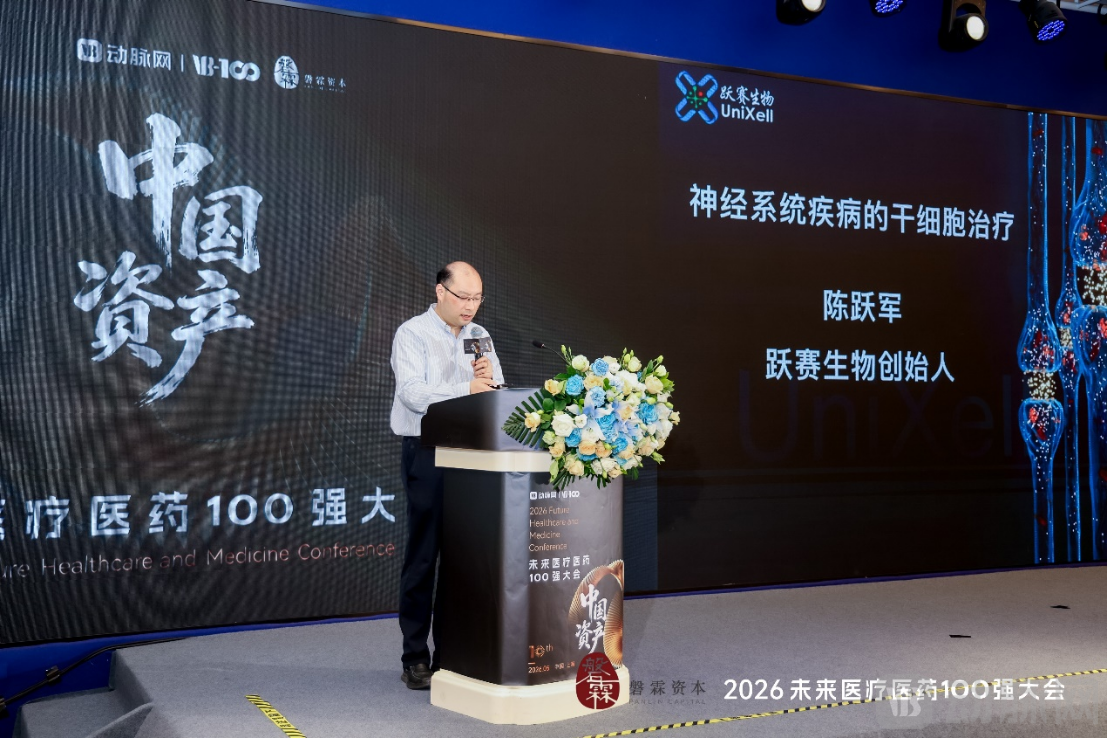
Unixell boasts core technological platforms including the SISBAR lineage tracing platform, GMP-grade human pluripotent stem cell preparation and gene editing platform, as well as an AI-powered system for cell drug differentiation optimization and quality control. In its stem cell therapy for Parkinson's disease, the acquisition rate of dopaminergic neurons reaches 50% - 60% after cell transplantation, far exceeding the international average of 3%-15%. Clinical data reveals remarkable improvements in patients' motor function scores one year post transplantation, with the on-period extended by 4.7 hours. PET scans show a notable rise in dopamine signals. For the epilepsy pipeline, mouse models witnessed a sharp drop in seizure frequency within 1 to 10 months, and many mice suffered no seizures from the 6th to 10th month. Unixell obtained IND approvals from the US FDA and China NMPA in March and April 2026 respectively.
However, the commercialization path of CGT is far more complex than technical validation. In the second roundtable discussion, four entrepreneurs from different technical fields demonstrated this complexity through specific cases.
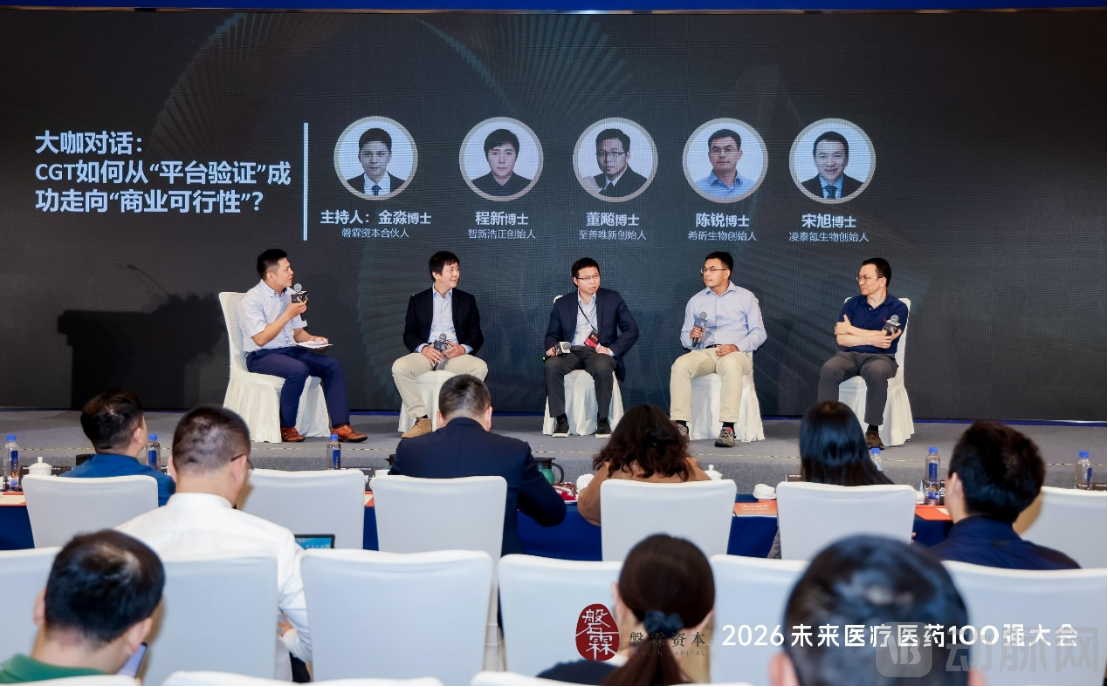
Professor Cheng Xin, Founder of EndoCell, devotes himself to iPSC-derived regenerative islet transplantation. "We are essentially replacing damaged body parts by regenerating islet tissues in vitro with specialized techniques," he said. The project has advanced to Phase I clinical trials. Its target patients include vulnerable individuals with type 1 diabetes, around 600,000 cases in China, and late-stage type 2 diabetes patients complicated with diabetic nephropathy.
Commercialization faces two core challenges: large-scale production and patient accessibility. "We strive to stabilize processes at the early stage and keep optimizing techniques, aiming to build standardized modules for easy capacity expansion through replication," Professor Cheng noted. He also highlighted AI's value in joint development. It will serve as an efficient approach in the next five to ten years to scale up this sophisticated technology. In terms of BD strategy, EndoCell adopts a long-term development mindset. The company commits to solid product development and explores innovative models to promote the unique therapy.
Dr. Dong Biao, Founder of Real&Best Biotech, focuses on AAV gene therapy. "We operate in line with China’s multi-dimensional development philosophy," he stated. The company’s gene therapy drugs target hereditary diseases and aging-related illnesses. It owns independent platforms for drug design and production. Its most advanced candidate treats Fabry disease, while pipelines for sarcopenia and osteoarthritis are poised to enter clinical trials.
Regarding the "818 Policy," Dong Biao believes that its original intention was to address the compliance issues of IITs ( Investigator-Initiated Trials ) in China, serving as a form of legal endorsement. "For us, this could actually be a good opportunity because it clearly defines the scope of rare diseases and personalized medicine. We hope to fully leverage China's policy benefits to explore a solid path toward commercialization."
Dr. Chen Rui, Founder of Xizhuo Biotech, focuses on the booming in-vivo CAR-T field. "Current in-vivo CAR-T only achieves breakthrough from scratch, shifting technology from ex vivo to in vivo. There remains a long journey to scale up and realize viable commercial drugs."
Dr. Chen Rui pointed out two major industrial hurdles: therapeutic efficacy and treatment window. Drugability and treatment window stay the biggest bottlenecks. Both lentiviral vectors and liposomes show inadequate efficacy. Remission duration of in-vivo CAR-T is measured in months, while conventional ex-vivo CAR-T can sustain remission for over three years. The firm adopts dual development strategies. Vertically, it precisely empowers in-vivo CAR-T cells to enhance tumor-killing efficiency and durability. Horizontally, it optimizes lentiviral delivery vectors to boost delivery performance and reduce toxicity.
Dr. Song Xu, Founder of lncTAC, presented breakthroughs in extrahepatic delivery of small nucleic acids. Nucleic acid drugs have gained huge popularity, with remarkable progress achieved in hepatic delivery. The industry now aims to make breakthroughs in extrahepatic delivery. Founded in 2021, lncTAC has long committed to tackling this challenge. The company adopts lncRNA and natural molecules for targeted extrahepatic delivery. Its lncRNA-based delivery approach is globally unique.
The company's most advanced pipeline is the transdermal delivery of small nucleic acids, primarily for androgenetic alopecia indications. "We have conducted over 100 IIT studies, and not a single volunteer has experienced new adverse reactions. The drug efficacy is excellent, and safety is high. Currently, we are the only ones globally capable of achieving topical administration of small nucleic acids and obtaining human data. This is also the world’s first project to deliver small nucleic acids into the skin via topical application and receive IND approval—we are the first." Other pipelines cover areas such as oncology, dermatology, and respiratory delivery, all of which have entered the preclinical stage. "Many MNCs are now focusing on CNS delivery technologies that cross the blood-brain barrier, and we have obtained outstanding monkey experimental data. Going forward, we will explore delivery methods targeting various high-value organs."
When it comes to BD deals in the CGT field, Chen Rui observed two significant characteristics: "First, the deals happen relatively early, and second, the amounts are relatively small. In terms of the amount, it definitely cannot match small-molecule or large-molecule drugs that have entered phase three. The deals happen early – in the past year or so, among the deals reached with MNCs, most of the pipelines of the acquired companies are in very early stages of development, with half of them having no clinical data from humans yet. However, this is actually a good opportunity for startups or companies in the growth stage. We can take this opportunity to strengthen our internal capabilities."
Song Xu mentioned the cognitive cost faced in extrahepatic delivery: "All of our molecules are completely new, something the market has never seen before. To this end, we have spent a great deal of time helping potential partners like MNCs understand and accept these novel molecules, proving their capabilities to them. Convincing them to embrace these new molecules has required significant effort on our part."
Looking ahead to the next three years, Cheng Xin believes that "In the field of regenerative medicine, a few years ago, the concept of 'replacing parts' was merely seen as novel, but now it has reached a stage on the verge of breakthrough. In the next three years, a significant number of drugs should come to market, and these will be drugs with clear curative effects." Dong Biao predicts, "China currently has seven related drugs in phase III clinical trials, and I believe that within three years, about half of them should succeed." Chen Rui expects that "In vivo CAR-T may experience rapid breakthroughs from 1 to 10 in the next three years." Song Xu is optimistic that "There will be substantial breakthroughs in the field of extrahepatic delivery, presenting a flourishing scenario."
Medical Devices: From "China-made Replacement" to "Global Attraction"
Ms. Sun Zhifan, Founder of 3N Eyecare, shifted the forum's focus to the medical device sector.
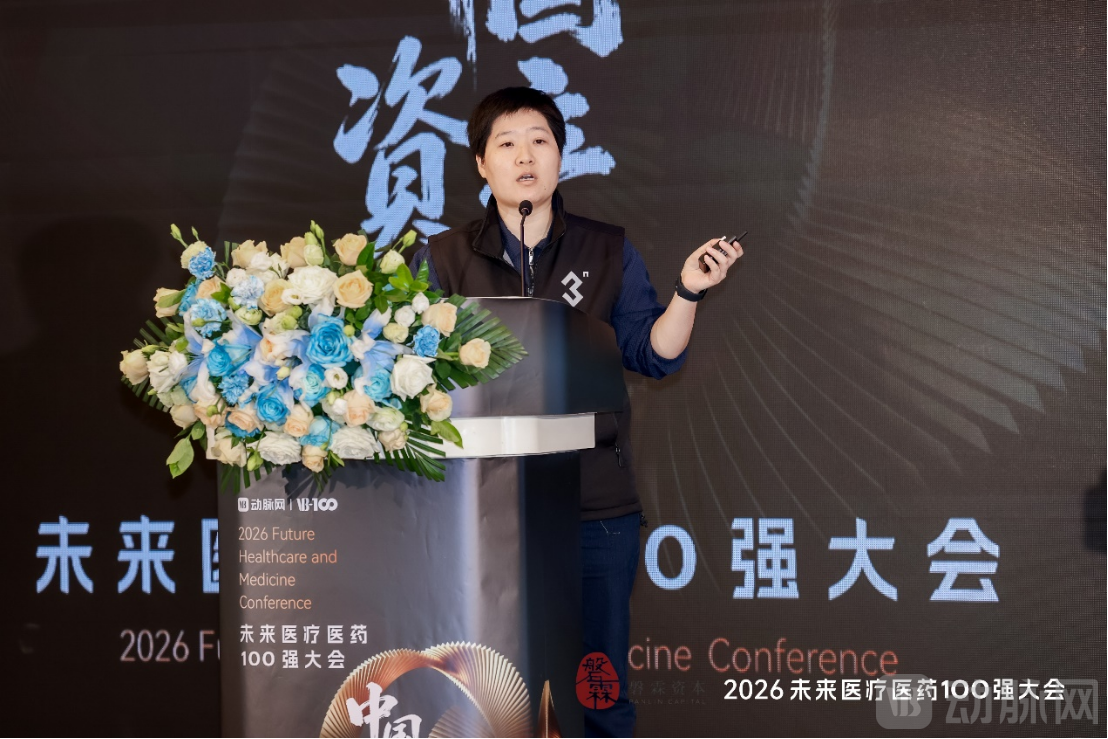
"Optometry is a very typical ophthalmic consumption," Sun Zhifan introduced. Globally, there are 2.6 billion people with myopia, and the contact lens care market size is approximately 8 billion US dollars. However, "for regular contact lens care, everyone uses care solutions."
3N Eyecare's Elepy technology utilizes an innovative principle that combines electrophoresis and electrochemical dissociation: a medium is required, with saline solution added to the care chamber to form an electric field force. After dissociating the saline solution to generate oxidizing substances, combined with the action of microcurrents, it achieves highly efficient sterilization. Leveraging the charge characteristics of proteins, under the effect of electrophoretic dissociation, large protein molecules are cleaved into smaller molecular fragments for electrophoresis, thereby achieving multiple functions such as contact lens sterilization and protein removal.
"This technology began to emerge in 2012 and 2013, and by 2025 it had obtained registration as the only innovative Class III medical device in the field of optometry. On the path to globalization, we are adopting a dual approach of evidence-based medicine and commercial promotion. Each time this technology is presented at international professional academic conferences, many contact lens experts express interest in collaborating with us on academic research. In the United States and Europe, we have already worked with associations and experts to promote the inclusion of Elepy technology in contact lens care guidelines. In terms of marketization, we have established partnerships or are about to initiate collaborations with numerous partners worldwide."
In the third roundtable dialogue, four founders of medical device companies each showcased different paths of independent innovation.
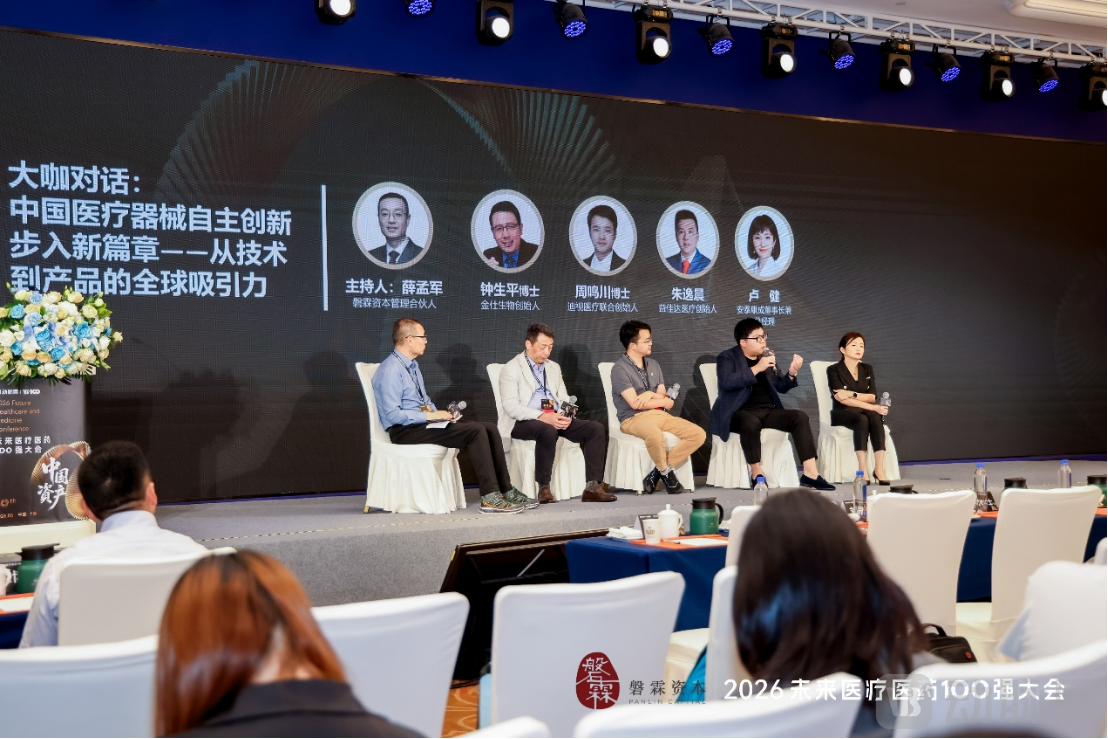
Dr. Zhong Shengping, founder of Kingstron Bio, specializes in heart valves.
The sector has seen abundant innovations over the past decade, with two core challenges: precise implantation and post-placement durability. Ninety-five percent of existing advances focus on implantation accuracy. Nevertheless, durability stands paramount. Even perfectly positioned valves have limited value if they malfunction within five to eight years.
Kingstron Bio has extended the lifespan of bioprosthetic valves from 5 years to 15-20 years. It offers a clinical warranty of free valve replacement within 15 years in case of damage, a rare commitment globally supported by in-depth research into valve calcification. Calcification is essentially an immune reaction. Former mitigation tactics only brought incremental gains, prolonging service life merely to 7 years. The company has reduced calcification rate by 99%, attaining transformative progress.
Dr. Zhou Mingchuan, co-founder of Dessight Biomedical, presented innovative achievements in microsurgical robots. The company dedicates itself to robotic medical platforms, aiming to simplify demanding surgeries and cut operational risks. Its flagship flexible robot ensures safe frequent interaction with patients and delivers real-time force feedback during procedures.
Core technologies include AI-based hand tremor elimination that filters involuntary hand movements. The microneedle has been optimized from 100 micrometers down to 40 micrometers, less than half the blood vessel diameter and 20 micrometers finer than a mosquito proboscis, greatly minimizing surgical trauma.
Mr. Zhu Yichen, Founder of Better MedTech, shared the company's small product matrix strategy in urology. "The clinical risks in urology are relatively low. We carry out medical-industrial cooperation with top domestic hospitals to develop innovative treatment regimens." The firm focuses on holistic innovation of therapeutic solutions. Its flagship prostate suspension system features optimized mechanical structure and upgraded delivery system. It commits to minimally invasive prostate therapy, aiming to realize non-invasive outpatient treatment for benign prostatic hyperplasia, with a custom innovative disposable endoscope developed accordingly.
For overseas expansion, it adopts a point-to-area strategy. Solid performance at core medical centers is deemed a vital milestone. Going forward, it will leverage Chinese urologists' superb surgical skills and active mentoring spirit to fuel business growth.
Ms. Lu Jian, Chairperson and General Manager of Antai Kangcheng, presented the cutting-edge non-invasive physical anti-tumor therapy. The company pioneers non-invasive physical cancer treatment, with tumor treating fields as its core product. It obtained China's first and the world's second registration certificate for such therapy targeting glioblastoma in late December 2025. The median overall survival of glioblastoma patients after standard surgery, radiotherapy and chemotherapy stands merely 14 to 16 months. No major breakthrough has been achieved in two decades, except that tumor treating fields extended the figure to 20.9 months. Through technological innovations, Antai Kangcheng further lifted the median survival beyond 31 months, marking a substantial leap.
All innovations are driven by real clinical demands. Conventional devices adopt fixed-frequency electric fields in two directions. By contrast, the firm delivers personalized precise treatment with adjustable frequency and multi-directional coverage via electric field vector coupling technology to better curb tumor growth. A digital remote dosage evaluation system is also equipped to guarantee effective wearing duration. The company encountered patent lawsuits filed by international rivals during clinical trials in 2022, aiming to hinder its progress. It won the one-and-a-half-year legal dispute. Advanced intellectual property layout since establishment laid a solid foundation for its development.
Going global is a direction that all four founders are focused on. "We're already on the way," said Zhong Shengping. "We have completed a global analysis of intellectual property rights with various top-tier law firms and have established an overseas registration team. We have already achieved some sales this year. For products that have obtained certification, we are planning the sequence of overseas registration, and some already have agent partnerships in place. For products in the research pipeline, we have planned to conduct clinical trials simultaneously in China and abroad, so we won't need to spend additional time on overseas registration in the future."
Zhou Mingchuan's strategy is "using key points to drive the whole." "We are collaborating with doctors at local hospitals in Singapore and Hong Kong. Many of these doctors are themselves major opinion leaders (IPs), and we will conduct targeted promotion for these major IPs. In Europe, we have established academic partnerships with top microsurgeons, using this approach to make our presence known, which is akin to getting familiar with the market in advance. Once domestically produced products obtain registration certificates and the technology matures, we will then begin expanding into overseas markets."
Zhu Yichen emphasized the "differentiated strategies for different regions." "Some regions may face potential patent issues, and I will try to avoid them or refrain from selling certain products in those regions." At the same time, he also places great emphasis on "sorting out and integrating agents and distribution networks," attracting distributors with core products and then selling our entire product portfolio."
Lu Jian said, "We will first focus on the present, doing well in the Chinese market, while we are also carrying out the global layout of PCT patents. We will first choose the Southeast Asian and Middle Eastern markets. In the future, as our global patent layout becomes more complete, we will gradually move towards the European and American markets."
New Definition of Quality Assets
Back to the initial question: In this new era, how should China's high-quality innovative medical assets be redefined?
Assets are not an abstract concept; behind every high-quality asset stands a company that transforms technology into products. To redefine "high-quality assets" is to redefine what kind of companies are worth holding for the long term.
The profiles of these companies are becoming clearer in the discussion: they possess systematic capabilities—technology platforms, clinical advancement, quality systems, and global capabilities, none of which can be missing; they can weather cycles, persisting in research and development and strengthening their capabilities even during market downturns; and they dare to go global—no longer content with local competition, but instead building an international capability system.
For investment institutions, this also means a new challenge: how to identify and support these companies, helping them achieve the leap from technological breakthroughs to global industrialization. This might also be why Panlin Capital continues to emphasize "post-investment empowerment."