

Xiao Chuang Medical Treatment secures Angel+ financing as China's first mover in non-thermal ablation DMR therapy for metabolic diseases
Xiao Chuang Medical treatment
Non-thermal Ablation DMR Innovative Therapy Researcher

Oriza Holdings
Equity Investment and Debt Financing Institutions
Xiao Chuang Medical Treatment, a company focused on innovative therapies for metabolic diseases, has recently completed its Angel+ financing round. This round was led by Oriza Holdings, followed by Suzhou High-tech Zone Sci-Tech Innovation Angel Fund and Shanghai Hongye. The proceeds will be primarily used to advance the clinical trial process of its core product and accelerate commercial implementation.
To date, Xiao Chuang Medical Treatment has raised a total of several tens of millions of RMB since its establishment in 2024. In terms of clinical progress, the company has recently successfully performed the first pulse electric field duodenal mucosal remodeling (DMR) procedure in China. The patient, an individual with type 2 diabetes mellitus and overweight, recovered well after the procedure, with key indicators such as blood glucose effectively controlled – marking a substantial step forward in the field of minimally invasive interventional treatments for metabolic diseases in China.
Founded in November 2024, Xiao Chuang Medical Treatment has developed an internationally leading device for duodenal mucosal ablation to treat type 2 diabetes mellitus. Utilizing a non-thermal ablation technology route and targeting the duodenum, this device treats type 2 diabetes mellitus through a non-surgical approach. It addresses the challenge of poor medication adherence in patients with type 2 diabetes mellitus, offering an efficient and simple new treatment method for diabetic patients in China.
From a global perspective, minimally invasive duodenal intervention for the treatment of type 2 diabetes mellitus and other metabolic diseases is emerging as a frontier direction actively pursued by capital. In early 2026, Endogenex, a U.S. innovator co-founded by the Mayo Clinic, announced the completion of USD 138 million in financing, and its pulsed electric field ablation product has received the U.S. Food and Drug Administration (FDA) Breakthrough Device Designation, validating the clinical and commercial value of this technology pathway. As the first innovator in China to master the same technological pathway, Xiao Chuang Medical Treatment is now on the same starting line as global leaders.
Over the past three decades, metabolic diseases, which have caused a substantial burden of disability and death, have become a global health challenge.
Common metabolic diseases include type 2 diabetes mellitus (T2D), arterial hypertension, obesity, hypercholesterolemia, and metabolic dysfunction-associated steatotic liver disease (MASLD). Due to the large population base, the absolute number of metabolic disease cases in China ranks highest in the world. This increasingly severe situation not only profoundly impairs patients' quality of life but also places a tremendous economic burden on the healthcare system.
Taking type 2 diabetes mellitus as an example, research data published in the Chinese Circulation Journal indicates that the prevalence of diabetes in China reached 15.88% in 2023, with the number of affected individuals surging to 230 million – a 163% increase compared to 2005 (88.48 million). Researchers predict that without timely intervention, the healthcare costs associated with diabetes and its complications (such as retinopathy, nephropathy, and cardiovascular disease) will exceed USD 460 billion by 2030.
From a pathophysiological perspective, the core mechanisms of type 2 diabetes mellitus are insufficient insulin secretion or impaired insulin action, which prevent glucose from effectively entering cells for energy production, leading to its accumulation in the blood. Patients remain in a chronic state of hyperglycemia and lipid metabolism disorders, imposing a heavy metabolic burden on multiple organs and significantly affecting their quality of life and life expectancy. However, the current traditional treatment pathway has obvious structural pain points.
Beyond lifestyle interventions and pharmacotherapy, at the surgical level, metabolic and bariatric surgery (MBS), represented by Roux-en-Y gastric bypass (RYGB) and sleeve gastrectomy (SG), has been included as a treatment option for type 2 diabetes mellitus, particularly for patients with severe obesity. This type of surgery can achieve significant diabetes remission, but the trade-offs are equally prominent – it requires general anesthesia and laparoscopic or open surgery, carries risks of complications such as anastomotic leakage, malnutrition, and dumping syndrome, and involves a long recovery period. Moreover, the anatomical changes, such as reduced gastric volume, constitute permanent damage that cannot be reversed to restore the original physiological state, making repeat surgeries extremely difficult.
Therefore, in clinical practice, there is an urgent need for new approaches that circumvent the challenge of medication adherence on one hand, and interventional techniques that are less invasive and more accessible than surgery on the other. This provides a clear market gap and clinical value space for minimally invasive treatment pathways.
As an emerging minimally invasive endoscopic procedure, duodenal mucosal remodeling (DMR) is gradually becoming a new research direction for the treatment of type 2 diabetes mellitus.
This procedure introduces specialized devices into the duodenum via endoscopy and uses external energy to ablate and remodel the duodenal mucosa, thereby improving insulin resistance and nutrient metabolism, achieving intervention for metabolic syndrome. Its advantages include being minimally invasive, easy to operate, offering rapid recovery, enabling precise execution, and helping to reduce the risk of complications.
Among various energy platforms, pulsed electric field non-thermal ablation technology demonstrates unique advantages. This technology allows precise control of the ablation area, reduces damage to surrounding healthy tissue, and enables targeted ablation of specific regions of the duodenum without affecting the normal function of the entire organ.
The overall therapeutic logic of pulsed electric field duodenal mucosal remodeling surgery based on this technology pathway is as follows: by performing non-thermal ablation and remodeling of the abnormally proliferated duodenal mucosa, it promotes regeneration and restoration of normal nutrient sensing and enteric hormone secretion functions, thereby reestablishing the gut-brain-pancreatic metabolic signaling axis.
More importantly, this procedure can also regulate bile acid metabolism, improve pancreatic endocrine function, and optimize the structure of the gut microbiota, ultimately achieving clinical outcomes of improved insulin sensitivity, improved glucose homeostasis, and reduced glycated hemoglobin (HbA1c). It represents a novel endoscopic minimally invasive treatment strategy that combines safety with metabolic benefits.
After two years of technological development and product refinement, Xiao Chuang Medical Treatment has grown into a leader in this field in China. The company's self-developed Chuang-Meta ablation system features advanced technical specifications including good catheter deliverability, precise energy control, and intelligent operation, and has taken the lead in establishing relevant patent portfolios. To date, Xiao Chuang Medical Treatment has filed over ten patent applications, with more than six having entered the Patent Cooperation Treaty (PCT) international phase.
In May 2026, Xiao Chuang Medical Treatment successfully conducted the first clinical trial of pulsed electric field duodenal mucosal remodeling in China. The subject was a patient with type 2 diabetes mellitus and overweight. During the procedure, the ablation electrode was smoothly navigated to the target lesion, energy delivery was efficient and precise, and the goal of mucosal remodeling was quickly achieved. The patient recovered well after the procedure, with key indicators such as blood glucose effectively controlled.
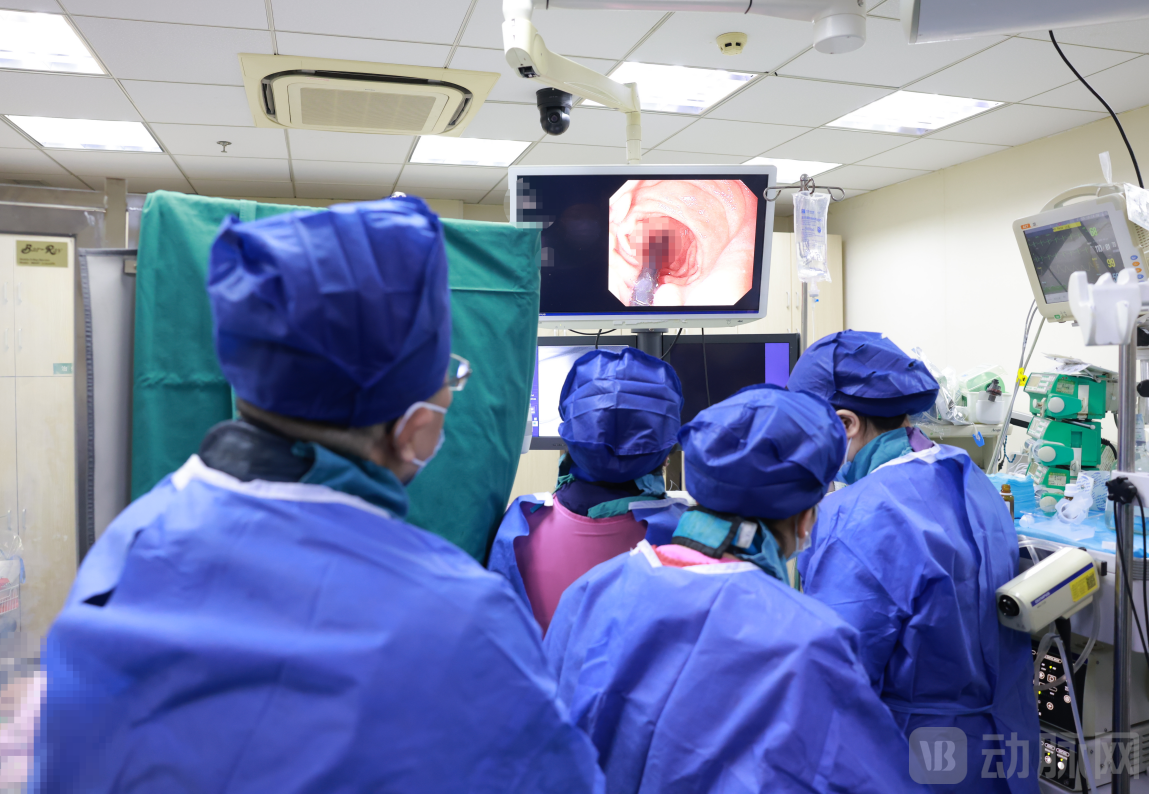
Currently, Xiao Chuang Medical Treatment is steadily advancing the clinical trial work of its Chuang-Meta ablation system, continuously pursuing technological upgrades and product line expansion. The company is committed to bringing new treatment possibilities to hundreds of millions of patients with metabolic diseases both in China and around the world, fundamentally improving patients' long-term quality of life.