Medtronic Announces Seven-Year PERIGON Trial Results Demonstrating Long-Term Durability and Hemodynamic Stability of Avalus Aortic Bioprosthesis

Medtronic
Chronic Disease Medical Device and Therapy Developer
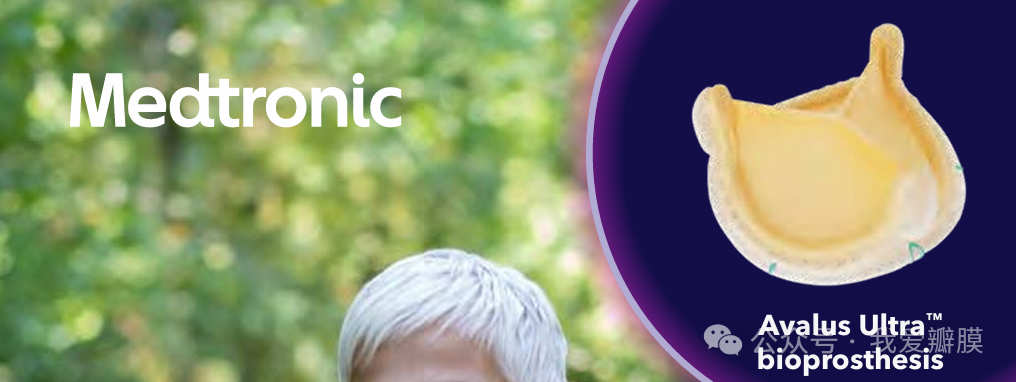
Seven-Year Results from the PERIGON Pivotal Trial Evaluate Clinical and Hemodynamic Performance of the Avalus (Medtronic) Pericardial Aortic Bioprosthesis, Demonstrating Sustained Durability of the Device。
Joseph Sabik (Cleveland Clinic, Cleveland, USA), the lead investigator for North America in the trial, presented the findings at the Late-breaking Session of the 2024 Annual Meeting of the European Association for Cardio-Thoracic Surgery (EACTS). Sabik reported that,The mortality, re-entry rate, and valve deterioration or dysfunction rate at the 7-year time point were low.——Described as a "critical period" for evaluating the durability and hemodynamic stability of new tissue valves.
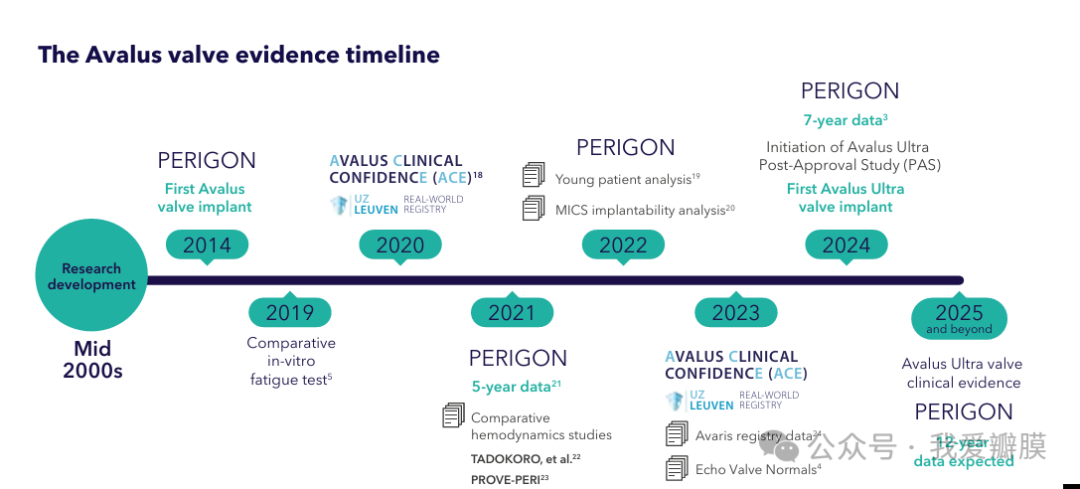
"Biological artificial surgical valves tend to deteriorate over time, including data from 458 of the 1,132 patients in the trial who have reached the 7-year mark."A total of 39 centers in North America and Europe participated in this study.
The average age of the patients was 70 years, 75.4% were male, and 84.3% were treated for aortic stenosis. Thirty percent of the patients had bicuspid aortic valves. Various valve sizes were used, ranging from 17 mm to 29 mm. The majority of patients received 21 mm (18.6%), 23 mm (35.4%), or 25 mm (30.9%) valves.
At the 7-year time point, the rate of freedom from all-cause mortality was 83%, freedom from cardiac mortality was 91%, and freedom from valve-related mortality was 97%. Additionally, the rate of freedom from any reintervention was 94.3%, while the rate of freedom from reintervention due to structural valve deterioration or severe hemodynamic dysfunction was 98.8%.
PERIGON Trial Researchers Define Structural Valve Deterioration as Changes in Valve Function Caused by Abnormalities Leading to Stenosis or Regurgitation, Confirmed by Examination of Explanted Valves. However, in Cases Where This Occurs, There Is Not Always Sufficient Information to Clearly Determine the Cause of Valve Failure.
Severe hemodynamic dysfunction endpoints are used to classify potential safety events, which are characterized by severe aortic stenosis, severe transvalvular regurgitation, or progressive severe dysfunction, but without evidence meeting the protocol definitions of structural valve deterioration or non-structural valve deterioration.
These cases may represent structural valve deterioration; however, the lack of explanted valves through transcatheter and surgical aortic valve replacement precludes the ability to confirm structural valve deterioration.5.7% of patients required reintervention at 7 years, with a similar reintervention rate in patients aged 65 years or older and those younger than 65.Hemodynamic results remained stable over 7 years, with a mean effective orifice area (EOA) of 2 cm.2The average gradient is 13 mmHg.
At 7 years, 98.3% of patients had none or trace transvalvular regurgitation; 99% had none or trace paravalvular leak, and at 1 year and 7 years, nearly 80% of patients had no prosthesis-patient mismatch (PPM). Only 3.5% of patients had severe PPM at 7 years.。
PERIGON Seven-Year Results IndicateThe Avalus valve demonstrates excellent durability, with consistently low rates of mortality, reintervention, and structural valve deterioration or severe hemodynamic dysfunction requiring reintervention.. Importantly,Both young and elderly patients underwent re-intervention infrequently, and hemodynamic performance was excellent and stable over 7 years.
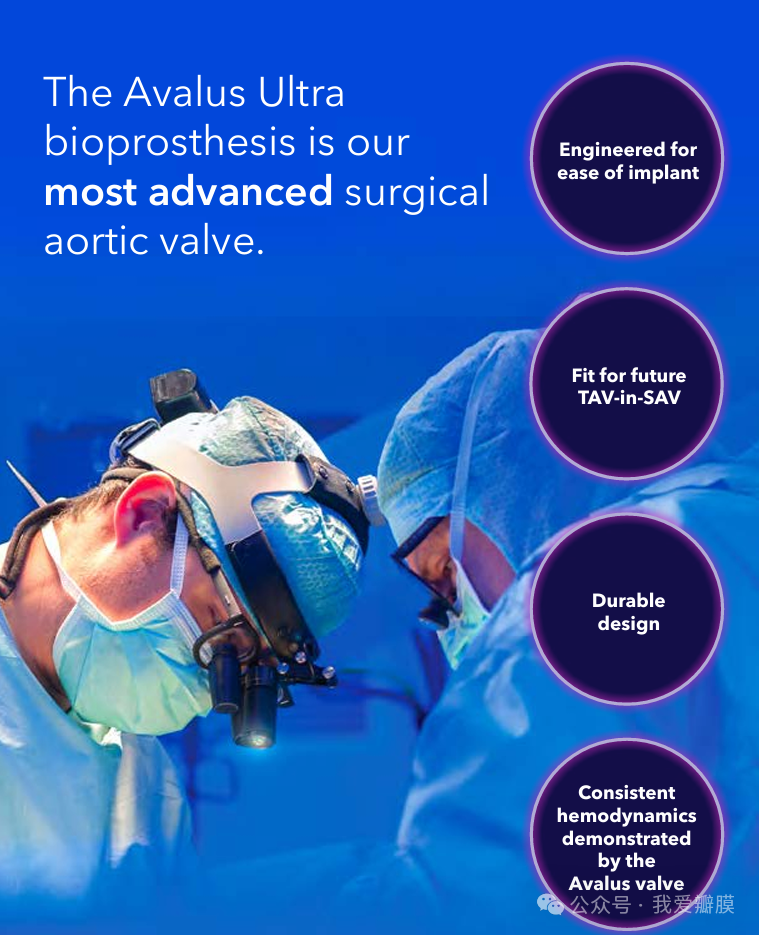
Sabik Introduces Seven-Year Results as Medtronic Launches Latest Generation Avalus Device – Avalus Ultra in Western Europe. The valve, which has been available in the U.S. since mid-2024, is designed to enhance the ease of implantation with a low valve profile and radiopaque coils to assist potential transcatheter aortic valve-in-surgical aortic valve (TAV-in-SAV) procedures.
The first implantation of the Avalus Ultra valve in Western Europe took place at the Heart Center (Leipzig, Germany), where Michael Borger and his team successfully performed two aortic valve replacements using the valve via a minimally invasive approach.
About Avalus Ultra Valve
Specifically Designed for Easy Implantation
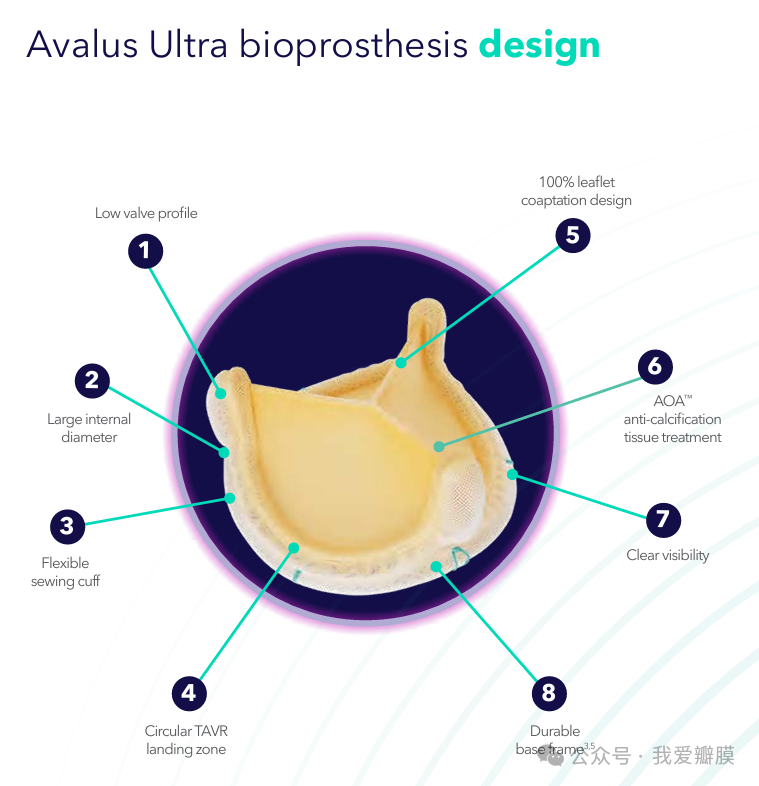
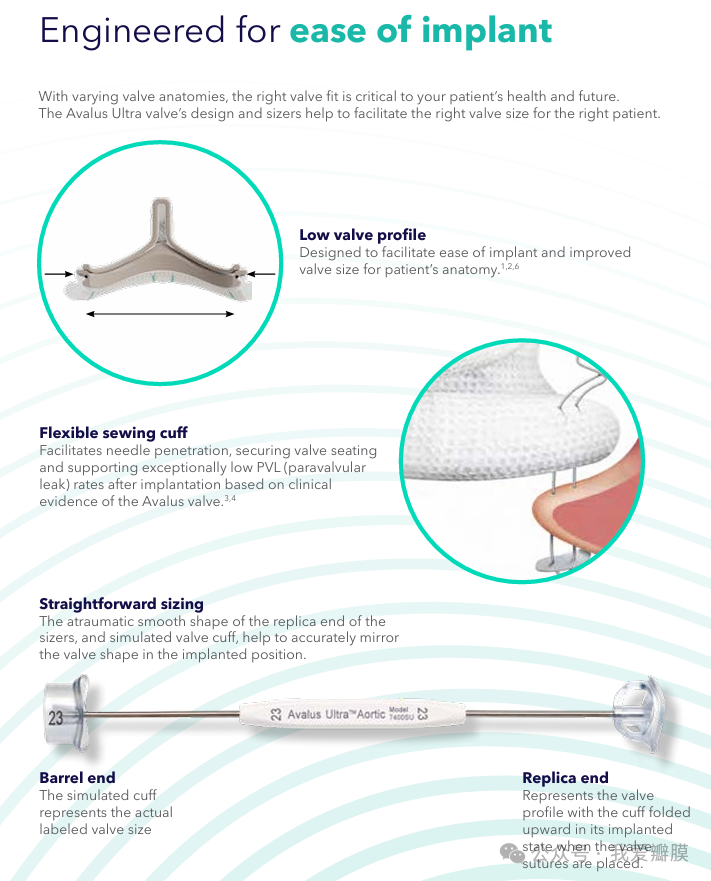
Flexible and compliant sewing cuffs are designed to facilitate needle penetration, secure valve seating, and an extremely low paravalvular leak (PVL) rate.
Simple Dimensions
The non-traumatic commissure post shape on the replica improves visibility during the sizing process and helps reduce the risk of impeding the patient’s anatomy.
The cuff reflects the contour of the implanted valve.
Avalus Ultra™ Valve Sizer Enables Easy Valve Placement
Focus on Lifetime Patient Management
Applicable to Future TAV-in-SAV
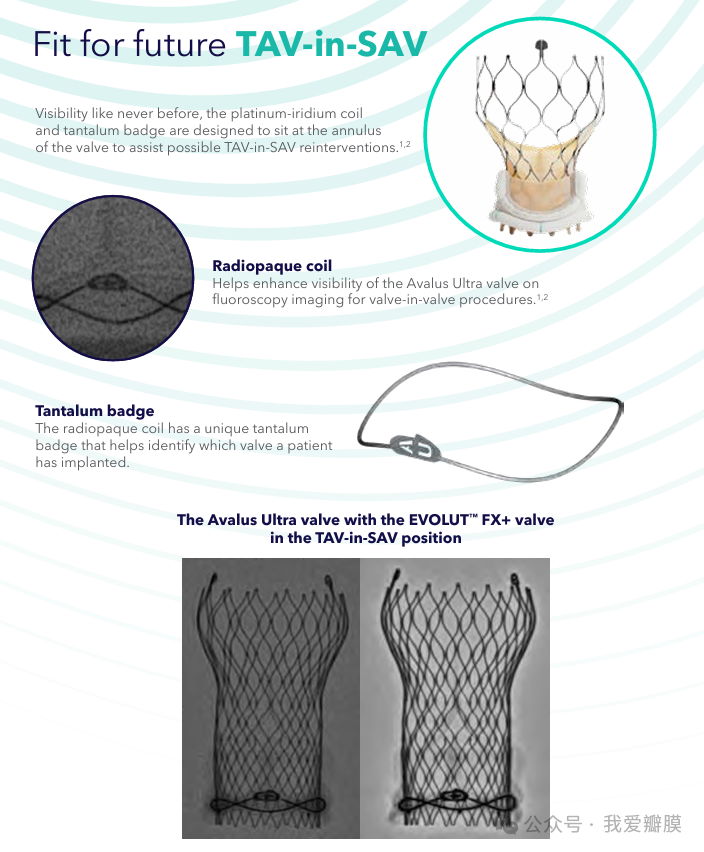
The size and geometry of the valve help achieve future valve-in-valve replacement.
Radiopaque coils help enhance the visibility of the Avalus Ultra™ valve during fluoroscopic imaging in valve-in-valve procedures.
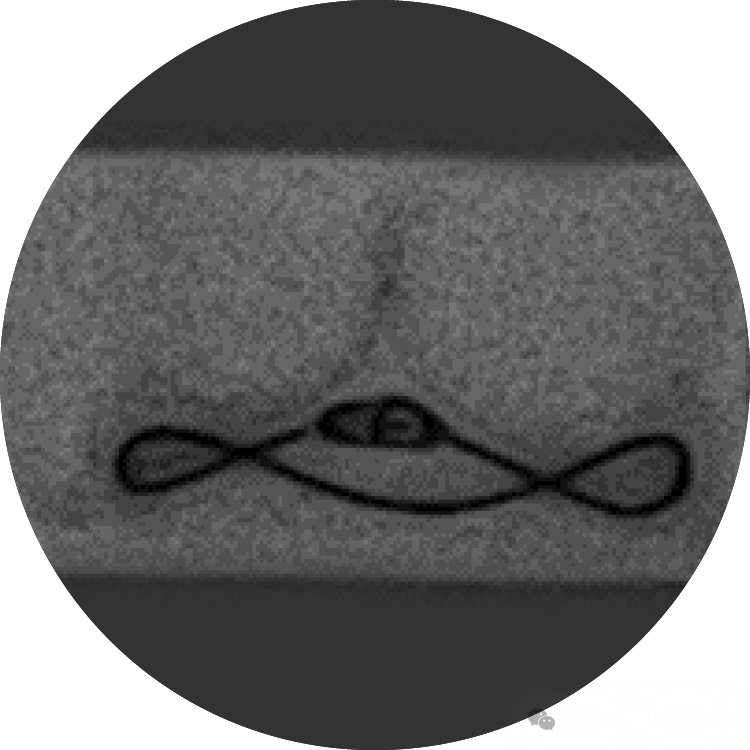
The radiopaque coil has a unique tantalum marker that helps identify the valve implanted in the patient.
MRI Conditions: Certain conditions have been proven to be safe for use in MRI.
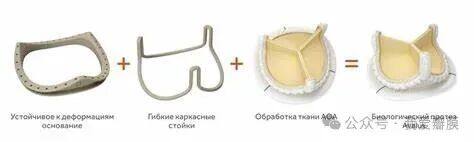
Circular Base Frame
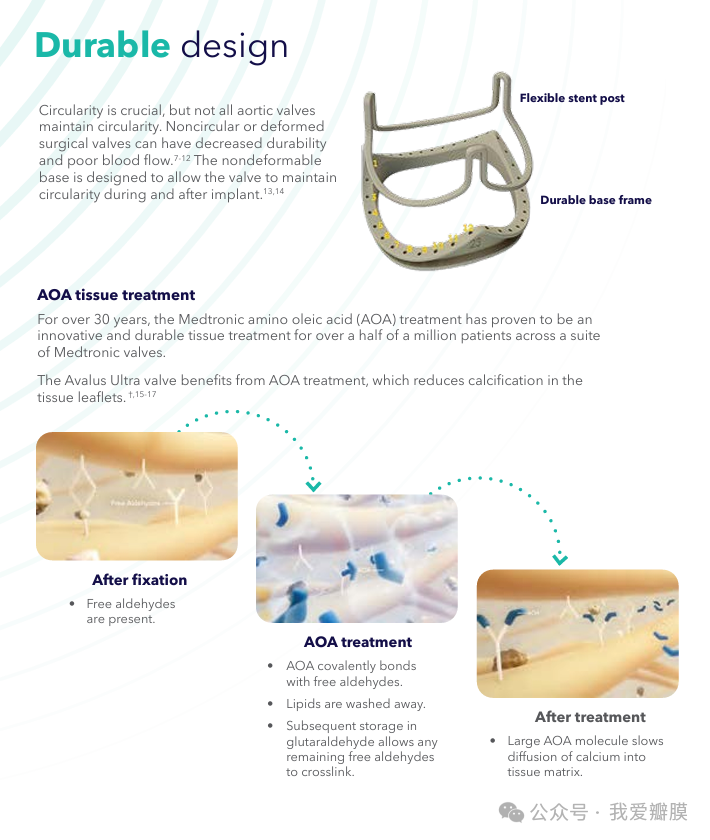
Roundness is crucial, but not all aortic valves maintain roundness. Non-round or deformed surgical valves may reduce durability and cause poor blood flow.
The non-deforming polyetheretherketone (PEEK) base is designed to maintain the roundness of the valve during and after implantation.
The flexible support frame has a sturdy base, designed to maintain circulation and consistent hemodynamic performance.