

EMA's CHMP Adopts Positive Opinion for Ozempic® Label Expansion to Include Renal Benefits in Type 2 Diabetes Patients with Chronic Kidney Disease
Novo Nordisk
Insulin Developer and Manufacturer

Breaking News
On December 12, 2024, Denmark time, Novo Nordisk announced that the EMA's Committee for Medicinal Products for Human Use (CHMP) had adopted a positive opinion on updating the label for Ozempic® (semaglutide injection). This recommendation was based on data from the FLOW renal outcomes trial. The FLOW trial evaluated the risk reduction effect of Ozempic® treatment on chronic kidney disease-related events, including sustained ≥50% decline in estimated glomerular filtration rate (eGFR), occurrence of sustained eGFR <15 ml/min/1.73 m², initiation of chronic kidney replacement therapy, renal death, or cardiovascular death, among adults with type 2 diabetes and chronic kidney disease (CKD).
In the FLOW trial, compared with placebo, 1.0mg semaglutide significantly reduced the risk of kidney disease progression by 24%, as well as the risk of cardiovascular and renal death. Additionally, the secondary endpoints of the trial showed an 18% reduction in the risk of major cardiovascular events and a 20% reduction in the risk of all-cause mortality.
With this positive opinion, Ozempic® will become the first and only GLP-1RA that can significantly reduce the risk of kidney disease progression in patients with type 2 diabetes and chronic kidney disease.
Novo Nordisk has also submitted a drug label expansion application in the United States, with a decision expected in H1 2025.

About FLOW Clinical
The FLOW trial is a randomized, double-blind, parallel-group, placebo-controlled superiority trial designed to compare 1.0 mg subcutaneous semaglutide with placebo as an adjunct to standard care. The trial evaluated the effects of these treatments on renal outcomes, aiming to prevent kidney disease progression and reduce the risk of kidney disease progression and cardiovascular death in patients with type 2 diabetes and CKD (chronic kidney disease is defined as: eGFR ≥50 and ≤75 mL/min/1.73 m², urinary albumin-to-creatinine ratio [UACR] >300 and <5,000 mg/g, or eGFR ≥25 and <50 mL/min/1.73 m², UACR >100 and <5,000 mg/g). The trial included 3,533 participants across approximately 400 research centers in 28 countries. The FLOW trial was initiated in 2019.
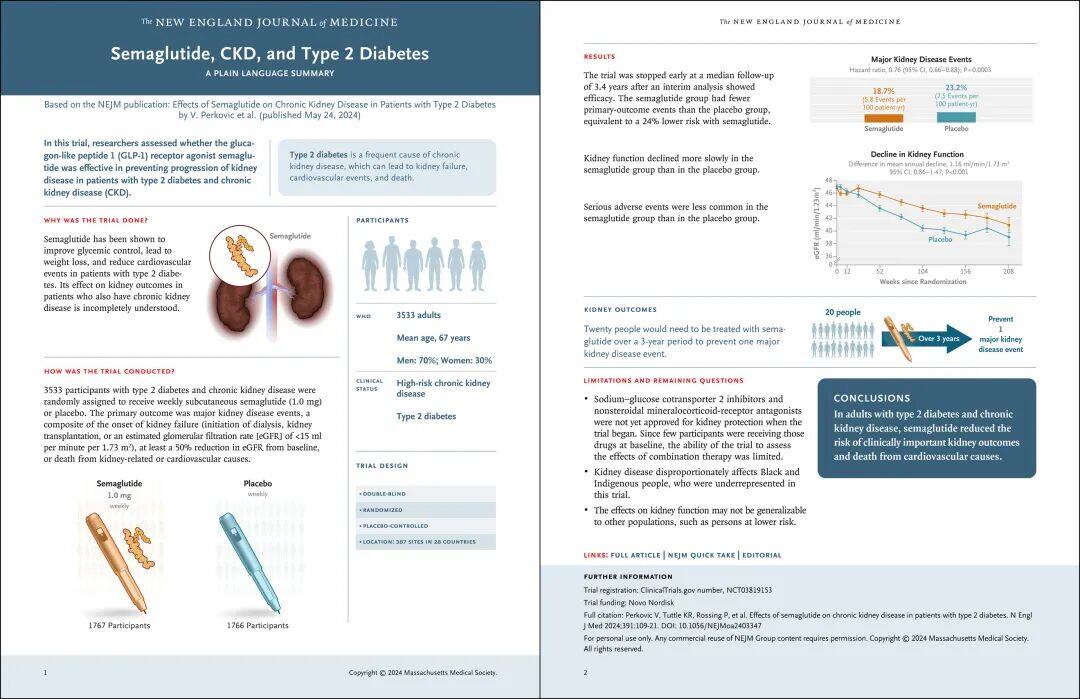
Figure 1. FLOW Brief Clinical Profile
The primary objective of the FLOW trial is to demonstrate a delay in CKD progression and a reduction in renal and cardiovascular mortality risk through a composite primary endpoint. The composite primary endpoint consists of the following five components: a sustained decline in eGFR (calculated using the CKD-Epidemiology Collaboration [CKD-EPI] equation) of ≥50% from baseline; a sustained reduction in eGFR (CKD-EPI) to <15 mL/min/1.73 m²; initiation of chronic kidney replacement therapy (dialysis or kidney transplantation); death due to kidney disease; or death due to cardiovascular disease. Confirmatory secondary endpoints include the annual rate of change in eGFR (CKD-EPI), major adverse cardiovascular events (non-fatal myocardial infarction, non-fatal stroke, cardiovascular death), and all-cause mortality.
FLOW data were presented at the European Renal Association Congress (ERA) in May 2024 and published in The New England Journal of Medicine (NEJM).
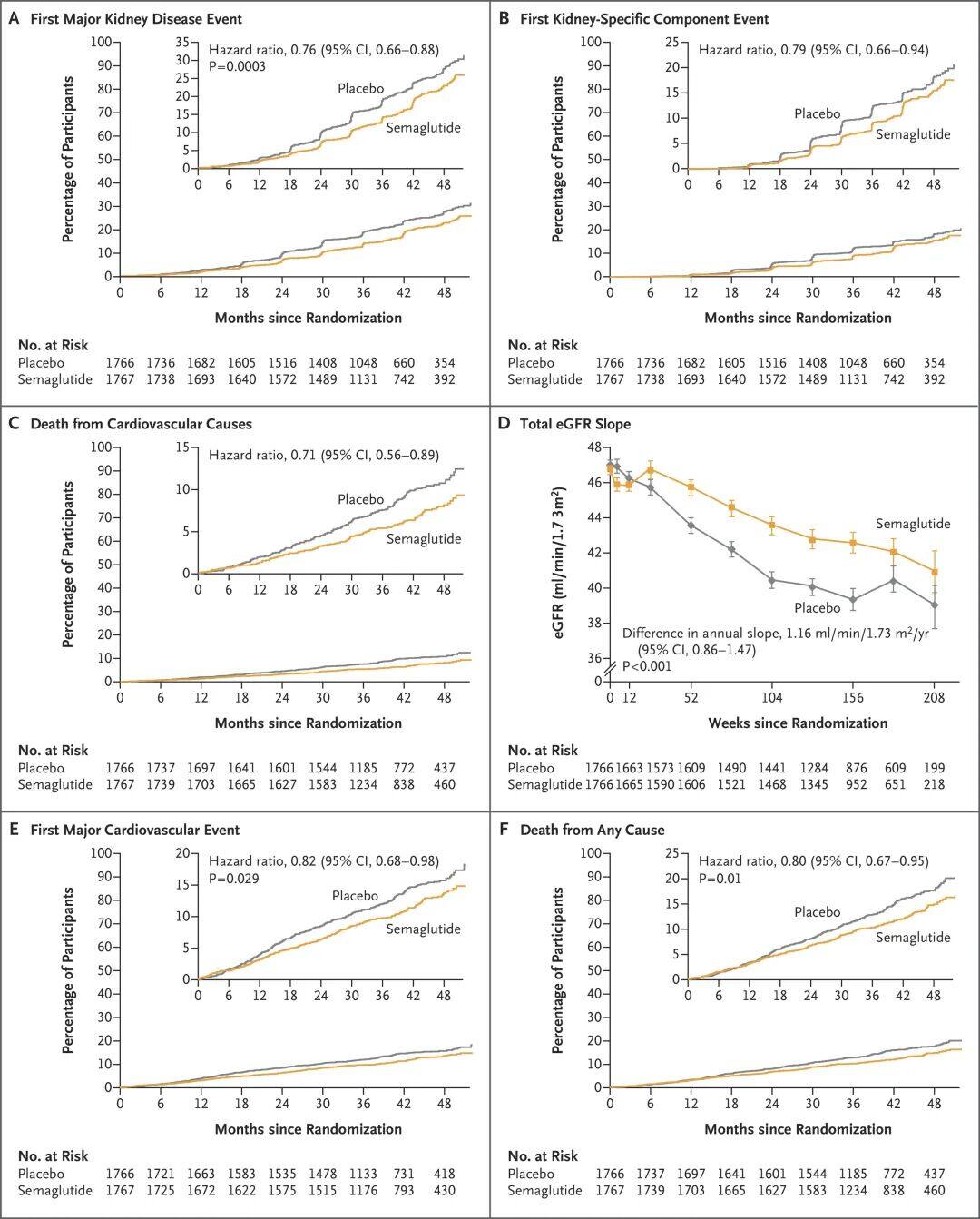
Figure 2. FLOW Clinical Outcome Overview
Research Progress of Semaglutide
Semaglutide is Novo Nordisk's most powerful "cash cow." Led by the Semaglutide product series, Novo Nordisk's stock price has soared, and the company's market value has surpassed that of LVMH Group, the leading company in the global luxury goods industry, making it the highest-valued company in all of Europe. In 2023, Novo Nordisk'sSemaglutideNovo Nordisk Tops the Peptide Drug Sales Chart with a Stunning $21.16 Billion in 2023.
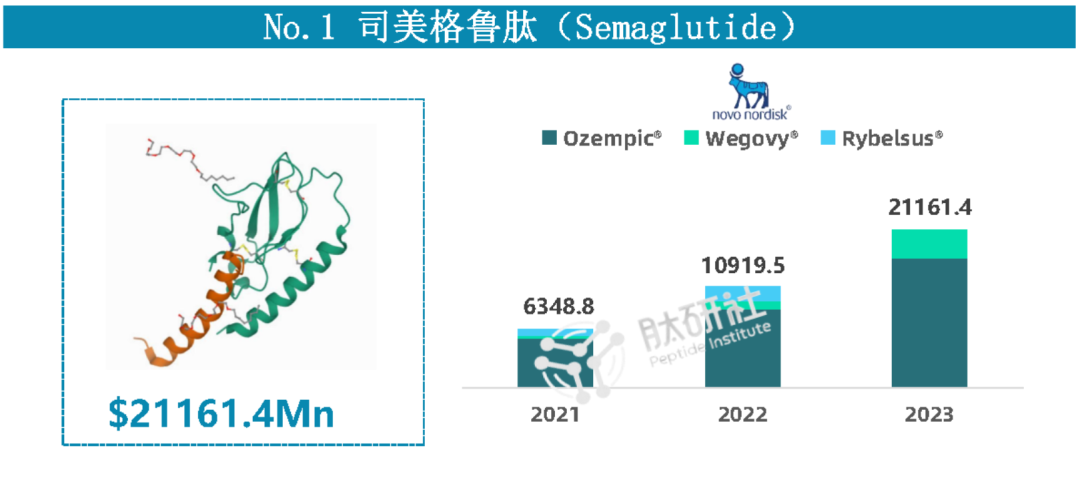
Figure 3. Sales of Semaglutide in 2023
The drug has been validated for its efficacy and safety across different indications in multiple clinical trials:
In the treatment of type 2 diabetes, a series of SUSTAIN trials have demonstrated significant glucose-lowering effects, with additional benefits in weight reduction and lowering cardiovascular risk.
The STEP series of trials further demonstrated its weight-loss effects and metabolic improvement in patients with obesity.
In addition, research on semaglutide in chronic kidney disease, cardiovascular disease, and heart failure also shows that it can effectively slow the progression of kidney disease, reduce the risk of cardiovascular death, and improve overall health in patients with other chronic conditions.
Figure 3. Summary of Semaglutide Clinical Studies

Section
Semaglutide has demonstrated excellent efficacy in multiple clinical trials, such as the SUSTAIN and STEP series, which have proven its effectiveness in diabetes control, weight loss, and cardiovascular protection.
In addition to type 2 diabetes and obesity, the potential of semaglutide in other indications continues to expand. For instance, the FLOW trial demonstrated that semaglutide effectively slows the progression of chronic kidney disease and reduces the risk of renal and cardiovascular death. The SELECT trial and other studies targeting obese patients also confirmed its protective effects in populations with higher cardiovascular risk.
As these research achievements accumulate, semaglutide is becoming a versatile therapeutic drug, and is expected to play an increasingly important role in areas such as type 2 diabetes, obesity, chronic kidney disease, and cardiovascular diseases.
| References
[1] Novo Nordisk Official Website
- END -

Flagship Report


Column Recommendation






Peptide Research Society

Biopharmaceuticals · Beauty & Personal Care · Nutrition & Health
Animal Health · Green Agriculture · Biomaterials
Professional Focus | Achieving Customer Success | Growing Together