

Abbott Prevails in European Patent Dispute Against Dexcom Over CGM Technology

Dexcom
Blood Glucose Monitoring System Developer

Abbott
Diagnostic and pharmaceutical product manufacturers
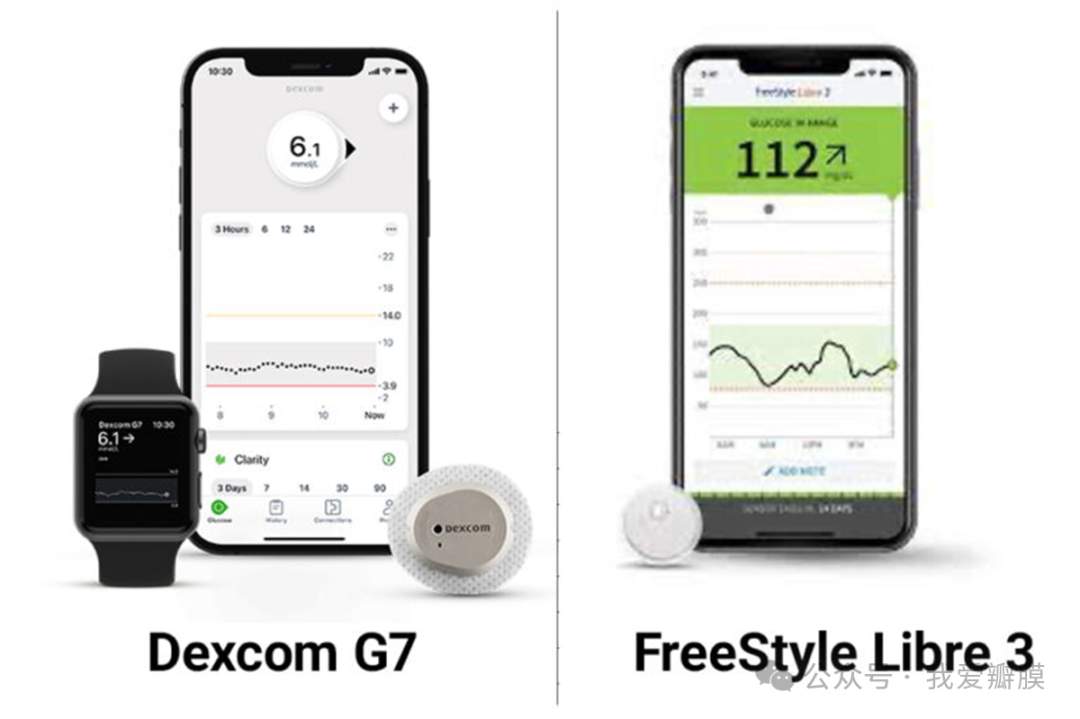 Abbott and Dexcom are the two leading companies in the continuous glucose monitoring (CGM) field. They offer market-leading platforms, with Abbott's FreeStyle Libre 3 and Dexcom's G7 representing their latest generation of technology.
Dexcom Requests Court to Rule on Infringement by Abbott and Its LibreLinkUp Remote Analyte Monitoring System, Including the LibreLinkUp App Connected to LibreView Servers, FreeStyle Libre 3 Sensor Unit, and FreeStyle Libre 3 App.
This San Diego-based company owns European Patent 3 831 282 (EP282). It is related to remote monitoring, specifically the monitoring of blood glucose levels in diabetic patients. The patent covers the sharing of glucose information from CGM with others (family, friends, providers, etc.) so that these individuals can support the user’s blood glucose management. According to the Unified Patent Court, this patent is at the center of ongoing global litigation between Dexcom and Abbott.
The court, at Abbott's request, revoked EP282 in all contracting states in Europe. It dismissed all infringement claims brought by Dexcom based on the disputed patent.
Information on the Patent Dispute Between Dexcom and Abbott
Dexcom Aims to Amend the Patent, Abbott Seeks to Invalidate It. The Court Sided with Dexcom on One of the Claims in the Patent, Which Outlines the Patient's Desire to Share Their Blood Glucose Information and Their Ability to Customize Settings. Abbott and Dexcom Partially Disagree on the Functions Related to the Servers Used for These Settings. The Court Stated That the Function Is "Fairly Generic in Nature" and Could Cover the Use of Multiple Devices to Achieve More Than One Processing Function, Ruling in Favor of Dexcom.
However, regarding the "rules" of system notifications, the court disagreed with Dexcom's opinion. The company argued that certain functions should be interpreted as having an implied meaning, namely, that the server must be configured to trigger notification messages based on a set of rules, but modified according to changes in system settings.
The court ruled that Dexcom's interpretation was unreasonable, stating that patent claims cannot be used merely as guidelines. It indicated that while Dexcom’s interpretation aligns with the description of the patent, “using it for claim interpretation would result in incompatibility with the wording of several claim features... thus going beyond the use of the specification and drawings as aids for interpreting patent claims.”
The court stated that Dexcom's interpretation does not contain any ambiguities that need to be resolved and allows for technically reasonable interpretations. According to the court, such an interpretation "would fail to balance adequate protection for the patent holder with sufficient legal certainty for third parties, thereby harming the interests of third parties in this case."