PFA Poised to Surpass Radiofrequency Ablation in 2025, Citi Survey Reveals

Medtronic
Medical Device Manufacturer

Johnson & Johnson
Medical Device R&D and Manufacturer

Pioneer in Medical Device Media Reports
Share Professional Medical Device Knowledge
In the field of cardiac ablation technology, a battle for market share is quietly unfolding. A recent survey conducted by Citibank targeting doctors shows:Pulsed Field Ablation (PFA) may surpass radiofrequency ablation in clinical use by 2025.
PFA uses short pulses to create tiny pores in the target cardiac tissue, disrupting the electrical signals that cause arrhythmias. Compared with traditional ablation techniques, this method has surged in popularity as it reduces the risk of damaging surrounding tissues and shortens procedure time.
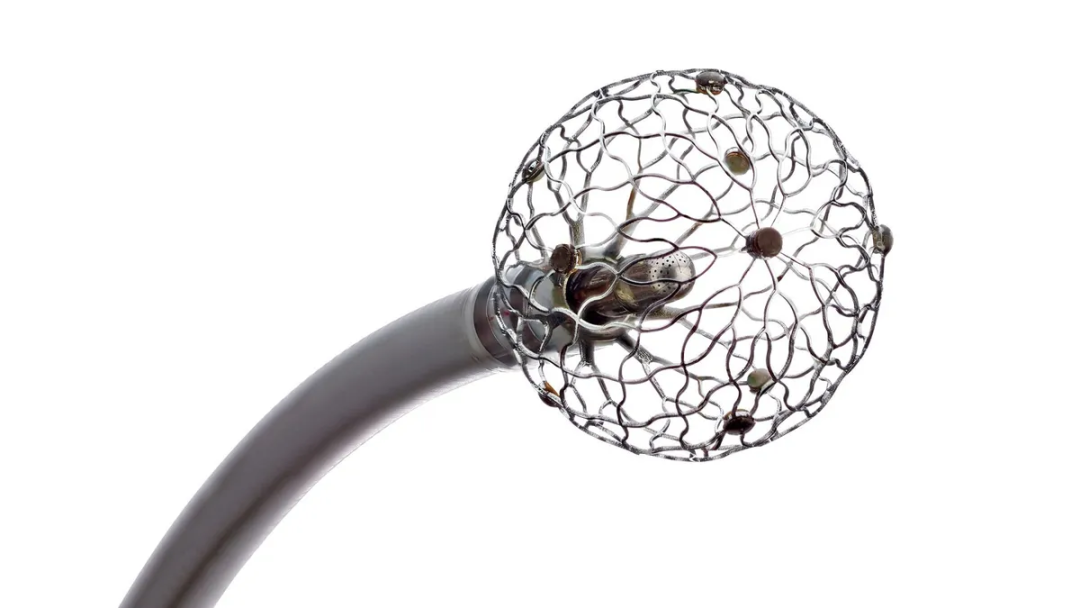
Citibank surveyed 36 electrophysiologists and 36 cardiovascular surgeons to assess the market.Found that 49% of respondents' AFib surgeries will use PFA devices by 2025, up from 39% this year.The investigation found that,Radiofrequency AblationThe most common method currently at 40% will decrease to 33%, while cryoablation will drop from 21% to 18%.
Citibank analyst Joanne Wuensch wrote in the report: "PFA's market share among suppliers continues to accelerate, with increasing utilization in radiofrequency (RF) and cryoablation (cryo)."
Last year, four PFA systems were launched in the United States:MedtronicPulseSelect and Affera Sphere-9,Boston ScientificThe company's Farapulse and Johnson & Johnson's Varipulse.
The Citibank survey also found that, for the PFA procedure,Doctors predict a shift next year to 56% Medtronic (11% PulseSelect and 45% Affera), 33% Boston Scientific, and 10% Johnson & Johnson.
These doctorsCurrently, the main devices in use are Medtronic's PulseSelect (53%) and Boston Scientific's Farapulse (43%), which are the earliest two devices to reach the market.
Wuensch wrote: "By 2025, Medtronic's Affera system is expected to erode a significant portion of its PulseSelect market share, while the launch of Johnson & Johnson's Varipulse is anticipated to eat into Boston Scientific's Farapulse."
The overall utilization rate of cardiac mapping technology is expected to increase from 68% in 2025 to 70%. This technology allows doctors to track the electrical activity of the heart during ablation procedures.
Wuensch said that the launch of new mapping equipment will "shake up the current stock landscape" in the coming year. The surveyed suppliers expect to use mapping systems from J&J (35%), Abbott (33%), Medtronic (16%), and Boston Scientific (14%) next year. Over the past two years, the group has mainly used mapping equipment from Johnson & Johnson (50%) and Abbott (44%).
Stifel analyst Rick Wise said in a research report in November that the FDA had quickly approved mapping integrated PFA technology for Boston Scientific, Medtronic, and J&J in October and November, respectively, indicating2025 is the year "when PFA may become the dominant energy form for AFIB ablation."
In terms of the electrophysiology market outlook, Needham analyst Mike Matson stated that Boston Scientific's Farapulse system has boosted the company’s market share by more than 10% since receiving FDA approval in January this year, making it a top competitor in the market. However, with Medtronic and Johnson & Johnson launching new PFA systems, Matson anticipates that Boston Scientific's market share growth will slow down by 2025, leading to more intense market competition.
Needham estimates that Abbott held a 22% share of the electrophysiology market in the third quarter, demonstrating its strong presence in this field.
Matson said,Abbott has completed enrollment in the pivotal trial for its Volt PFA System and is on track for potential FDA approval in the second half of 2026.This will provide strong support for Abbott to further expand its share in the electrophysiology market, while also intensifying the competitive landscape.
In summary, the field of cardiac ablation technology is facing unprecedented changes and challenges. With the continuous emergence of new technologies and the intensification of market competition, companies will need to continuously innovate and improve product quality to remain competitive. At the same time, healthcare providers should also pay close attention to market trends and technological advancements to offer patients higher quality and more efficient medical services.
More exciting content
Welcome to follow WeChat Video Channel


NHC, MIIT Announce 51 Projects: Mindray, United Imaging, Neusoft...
The First Proton Therapy Equipment in South China Officially Launched
Nearly 1.8 Billion: Weigao's International Layout
Battle of the Two Medical Device Giants: Abbott Triumphs
After Focusing on Healthcare, Giant May Cut 15,000 Jobs
Up to 7.6 Billion, This Vascular Intervention Division Is Sold Off
Siemens Healthineers Joins Hands with "Europe's Largest"
How Can Surgically Robots Made in China Promote Technical Accessibility?
Giant State-Owned Pharmaceutical Enterprise in China: Nearly 20 People Investigated in Anti-Corruption Probe
Medical Device Giant Worth Nearly $10 Billion May Be Sold Off

BusinessBusiness cooperation email: qxzj@landianyiliao.com