

BiVACOR Announces Successful Completion of First Phase of FDA Early Feasibility Study for Its Total Artificial Heart

BiVACOR
Preclinical Artificial Heart Device Developer
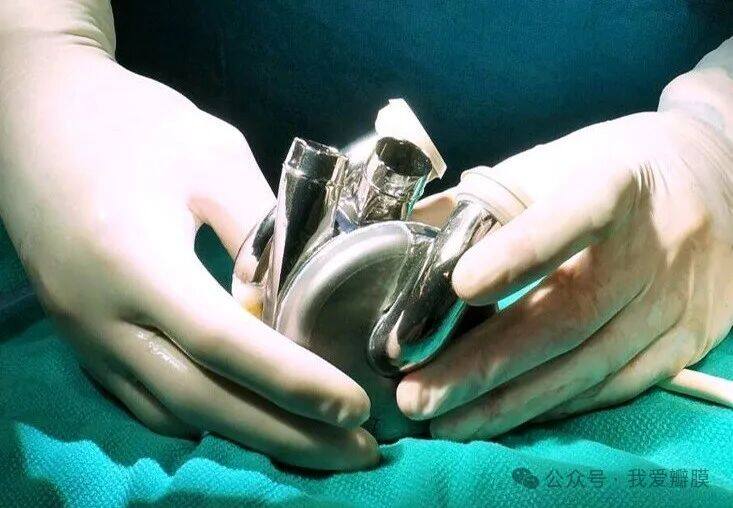
BiVACOR AnnouncesSuccessfully completed the first phase of the U.S. Food and Drug Administration (FDA) Early Feasibility Study,Five patients received the BiVACOR Total Artificial Heart (TAH) between July and November 2024. The study evaluated the safety and performance of the BiVACOR TAH system as a bridge to donor heart transplantation in patients.
This study evaluated the feasibility of using the BiVACOR TAH system to support adult patients with severe biventricular heart failure. The initial phase of the study provided support for up to one month for patients using the BiVACOR TAH system while they awaited a suitable donor heart in the hospital.
Five patients successfully received TAH implants, underwent heart transplants, and were subsequently discharged. This milestone provided the FDA with the necessary data to give the green light for expanding EFS to an additional 15 patients.
BiVACOR Founder and CTO Daniel Timms said, "We are thrilled to announce that the first patients implanted with the BiVACOR TAH have achieved the expected milestones using the device as a bridge to heart transplantation, with no complications. This has been decades in the making, and to see such success in the first human trials is incredibly encouraging. We are deeply grateful to all the patients involved, their families, and our clinical partners. Without them, we could not deliver the TAH to those who need it most."
BiVACOR TAH Represents a Paradigm Shift in Artificial Heart Design. The size of the BiVACOR TAH is suitable for most men and women. Despite its small size, the BiVACOR TAH is capable of providing sufficient cardiac output for an adult male during exercise.
This product uses the same magnetic levitation technology as high-speed trains and features a unique pump design with only one moving part: a magnetically levitated double-sided rotor. The left and right impellers are located in two independent pump chambers, forming a double-sided centrifugal impeller that propels blood from the respective pump chambers to the pulmonary (lung) and systemic (body) circulation.
TAH has no valves or curved ventricular cavities, but pulsatile outflow is easily achieved by instantaneously increasing rotor speed each second. The non-contact suspension of the rotor via MAGLEV aims to eliminate the possibility of mechanical wear and provides a larger blood gap, thereby minimizing blood trauma, offering a durable, reliable, and biocompatible cardiac replacement.
"It's incredible to see our device provide such efficient support for the first group of American patients," said William Cohn, Chief Medical Officer and cardiac surgeon at the Texas Heart Institute (Houston, USA) and BiVACOR. "The unique design and functionality of the BiVACOR TAH translate into unparalleled safety, with no complications or strokes. Now that the first five patients have been implanted, we will continue to work with the FDA to provide the necessary data to expand our EFS study."
The first and last of five patients were implanted at the Texas Heart Institute (in collaboration with St. Luke's Medical Center and Baylor College of Medicine), with additional implants performed at Duke University Hospital (Durham, USA), Banner University Medical Center Phoenix (Phoenix, USA), and The Christ Hospital Heart and Vascular Center (Cincinnati, USA).
The BiVACOR Total Artificial Heart is for research use only and has not been approved for use outside of clinical studies.