

Dr. Wang Yijun of Nianji Tech: Record Holder of the 'Fastest Brain-Computer Interface' and the Dawn of Commercialization for Domestic BCI Technology
nianjitech
Non-invasive brain-computer interface technology service provider
In today's era of rapid technological advancement, brain-computer interface technology is creating an unprecedented wave of technological enthusiasm worldwide with its revolutionary presence.
We constantly hear astonishing advances such as "brain-computer interface technology restores sight to the visually impaired" and "brain-computer interface technology helps disabled individuals regain motor functions." These groundbreaking achievements have bestowed a mythical aura upon brain-computer interface technology.
However, beyond the limelight, brain-computer interfaces still face numerous challenges such as clinical trials, regulatory approvals, implementation, and commercialization.Dr. Wang Yijun, Researcher at the Institute of Semiconductors, Chinese Academy of Sciences, has been engaged in the research of neural engineering and computational neuroscience for a long time, and is one of the first group of experts in China to engage in brain-computer interface research. In 2018,He and the team from Tsinghua University's Neural Engineering LaboratoryAppeared on CCTV's "Challenge the Impossible" program, using a self-developed brain-computer interface system to help an ALS patient who had lost the ability to speak and move complete "brain-controlled typing," bringing brain-computer interfaces into the public eye.
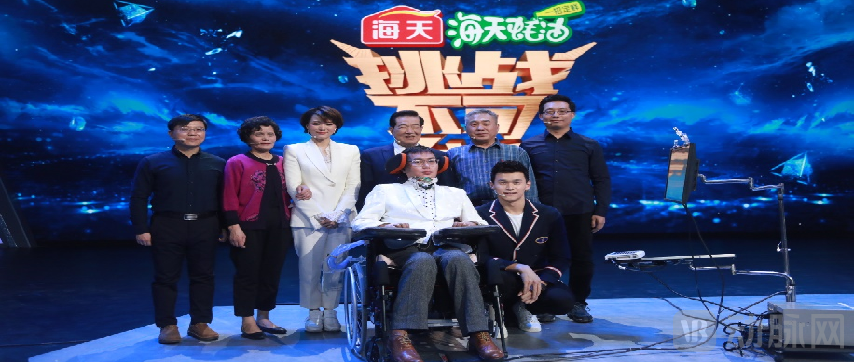
Team Showcases Brain-Computer Interface Technology on CCTV Stage (Photo Provided by Respondent)
In 2022, in order to make brain-computer interface technology benefit more people, Dr. Wang Yijun co-foundednianjitech(Hereinafter referred to as: nianjitech), turning a new page for the commercialization of brain-computer interfaces in China. VCBeat had the privilege of engaging in an in-depth discussion with Dr. Wang Yijun about the current state and future of brain-computer interfaces. The content has been organized without altering the original meaning to share with readers.
Non-invasive brain-computer interface technology lands first, accelerating industry commercialization
VCBeat:In your opinion, what kind of device can be considered a brain-computer interface?
Wang Yijun:We often say,Brain-computer interface establishes a direct channel for information transmission between the human brain and external devices.The signals transmitted in this channel are not limited to the whole or parts of the brain; both the electroencephalographic signals of neuronal populations collected from the scalp surface and the activities of individual neurons in the cortex can be used to construct brain-computer interfaces.
This channel can carry different types of brain information, such as electroencephalography (EEG), magnetoencephalography (MEG), or functional near-infrared spectroscopy (fNIRS); it is not limited to unidirectional or bidirectional information transmission. From capturing brain signals to control external devices to using external devices like transcranial electromagnetic stimulation to stimulate the brain, all these are part of the information exchange process.
All devices that can be called brain-computer interfaces share the same characteristic,That is, the transmission of information between the brain and external devices no longer relies on efferent and afferent channels such as peripheral nerves and muscles.Anything that fits this characteristic can be called a brain-computer interface.
VCBeat:In your opinion, what is the current state of commercialization of brain-computer interface technology? There has been a long-standing debate between invasive and non-invasive approaches in the commercialization process of brain-computer interfaces. How do you view this?
Wang Yijun:In recent years, commercial brain-computer interface companies represented by Neuralink have frequently reported good news, and various brain-computer interface companies have rapidly emerged. The entire industry chain can be roughly divided into three categories: upstream, midstream, and downstream.
The upstream mainly focuses on building the underlying hardware of brain-computer interfaces., including invasive and non-invasive electrodes, amplification, acquisition, transmission modules, and dedicated brain-computer interface chips. This part is the key foundation for industrial implementation, and the chip is the most vulnerable link in China's brain-computer interface industry, long restricted by foreign manufacturers. Fortunately, domestic chips have gradually started to show their potential in recent years.
The midstream focuses on brain signal acquisition platforms and neural encoding/decoding algorithms.These companies rely on hardware innovation while also providing highly integrated brain-computer interface system frameworks for downstream application-based companies.
Downstream applications can currently be divided into medical and non-medical categories, with the latter mainly covering industry, consumer, and education sectors.Currently, all invasive brain-computer interfaces are oriented towards medical applications, while non-invasive ones have a wider range of application scenarios, including serious medical treatment, human-computer interaction, overall health, industrial safety, and more. Although the demand for brain-computer interfaces is increasing, both invasive and non-invasive types face significant challenges such as high R&D investment, insufficient clinical validation, standardization issues, and ethical concerns. Overall, the commercialization of brain-computer interfaces still has a long way to go in terms of exploration.
Of course, in the commercialization process, brain-computer interface companies are inevitably labeled as invasive or non-invasive.In my opinion, the scenarios and demands faced by these two technologies are different, and each has its own advantages and limitations.Invasive brain-computer interfaces offer high signal quality and can decode more complex information, but due to their potential damage to the brain, they remain a considerable distance from large-scale promotion; non-invasive brain-computer interfaces have a lower signal-to-noise ratio, are susceptible to external interference, but their non-invasive, low-risk data acquisition equipment meets the needs of a wider range of application scenarios.Non-invasive will be the faster brain-computer interface technology to be commercially scaled.
LinkMe is not just a device, but a tool that empowers future interactions.
VCBeat:It is reported that LinkMe, the latest product launched by Nianji Technology, has been selected by the Ministry of Industry and Information Technology as one of the "Top Ten Innovative Cases in the Brain-Computer Interface Industry in 2024." What are the highlights of this product?
Wang Yijun:LinkMe is the first domestically produced wearable high-speed brain-computer interaction device, with advantages including high-precision data acquisition, lightweight and portable design, as well as high performance and user-friendliness.
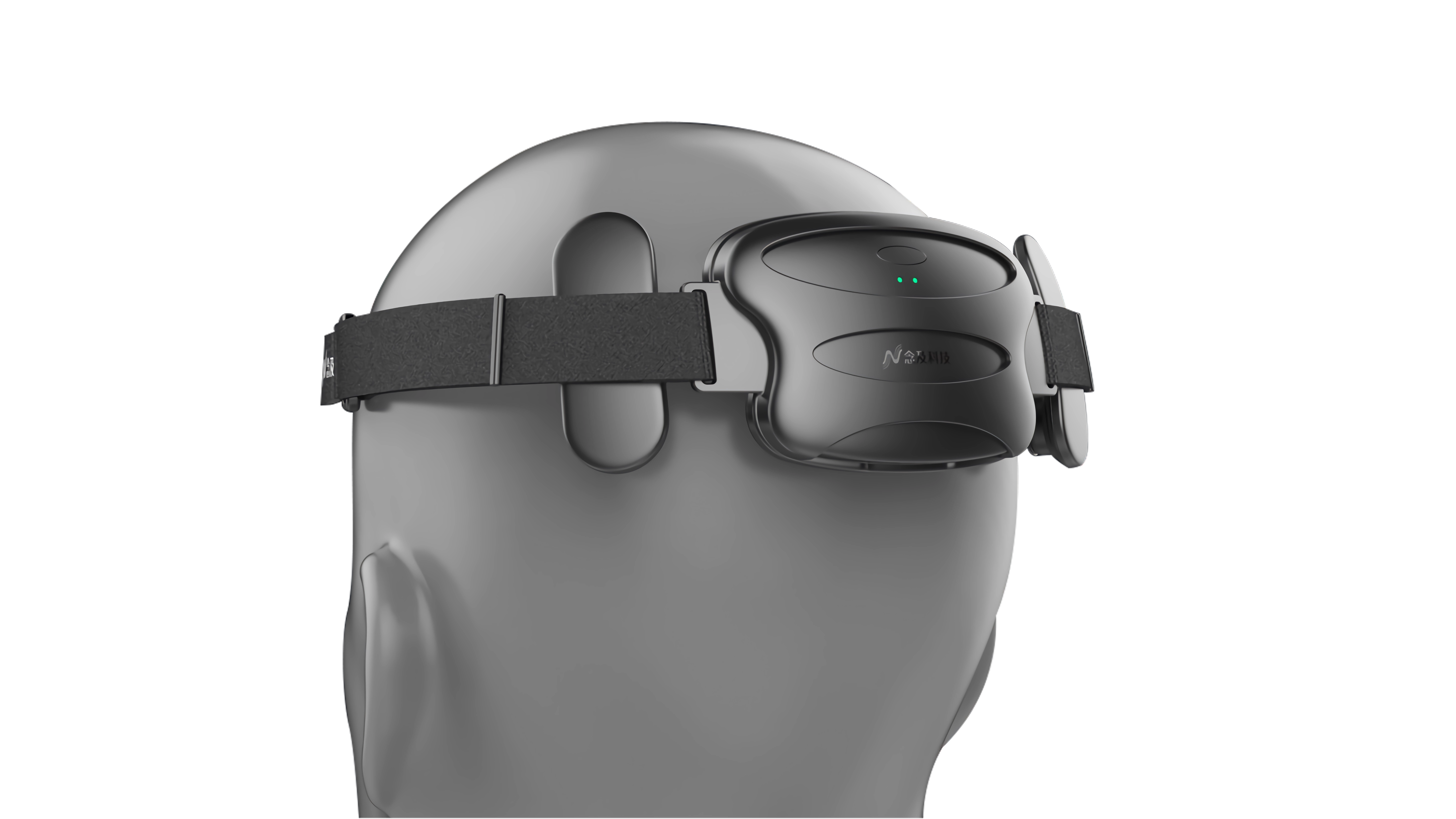 LinkMe Product Image (Photo provided by the respondent)
First is high-precision acquisition.LinkMe boasts excellent capabilities in acquiring and processing weak neural signals, utilizing a 24-bit high-precision EEG-specific acquisition chip to achieve a sampling rate of 1000Hz, delivering "research-grade" signal quality. Additionally, from LinkMe's unique flexible neural signal sensors to the product’s structural design that adapts to various head shapes, it ensures close contact between the LinkMe sensors and the scalp while maintaining comfort, guaranteeing the precision of EEG signal acquisition. Thanks to this, as an 8-channel non-invasive EEG acquisition device, LinkMe, combined with nianjitech’s self-developed core EEG encoding and decoding algorithms, can achieve a communication rate of one character per second. For example, using brain-controlled typing, wearing LinkMe can achieve an input level of 15 words per minute, almost equivalent to invasive brain-computer interfaces.
Second is lightweight,This is currently very difficult for most non-invasive, high-precision brain-computer interface devices to achieve.LinkMe weighs only 75g,Convenient and comfortable to wear, suitable for long-term use. LinkMe supports gel electrodes and semi-dry, semi-wet fiber electrodes, requiring no application of conductive paste or other media. It can be used immediately upon wearing, and there is no need to wash the hair afterward, making it more comfortable, user-friendly, and convenient. Whether in scientific research, medical rehabilitation, or human-computer interaction scenarios, it has gained customer recognition and positive feedback.
In addition to the characteristics in hardware design, appearance, and wearing methods,The most important breakthrough for LinkMe's commercialization is the brain-electric encoding and decoding paradigm and algorithm.The visual interaction paradigm配套的视觉交互范式 adopted by LinkMe employs a multi-dimensional feature encoding scheme based on the core technology of nianjitech, making the interaction interface resemble common video or animation user interfaces. This approach not only ensures user comfort and friendliness but also maintains the stability and reliability of induced EEG characteristics. Combined with nianjitech's personalized visual EEG precise decoding algorithm,Achieve the "What You See Is What You Get" interactive effect.
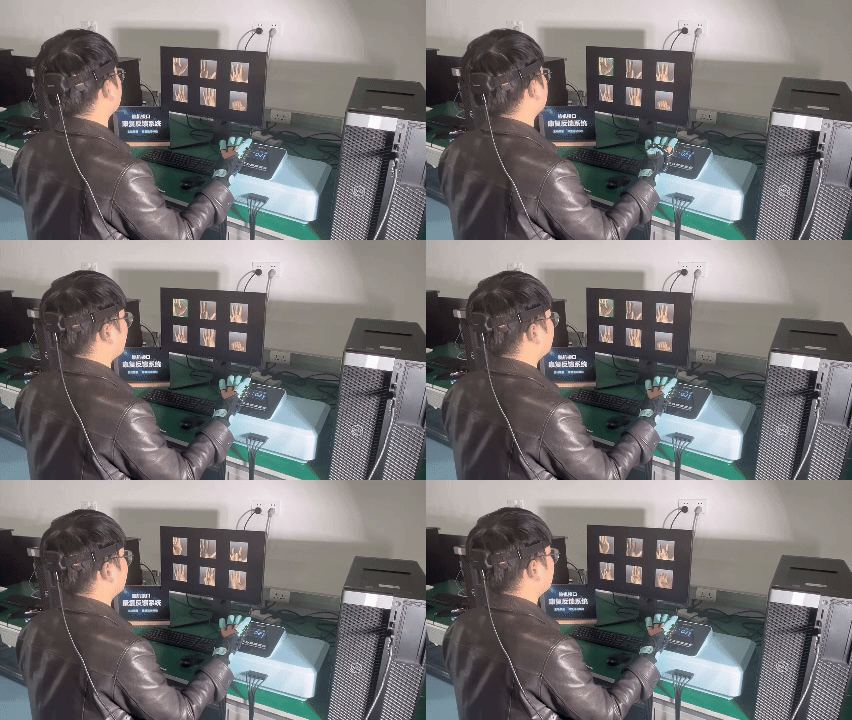
Brain-Controlled Rehabilitation Glove (Photo provided by the interviewee)
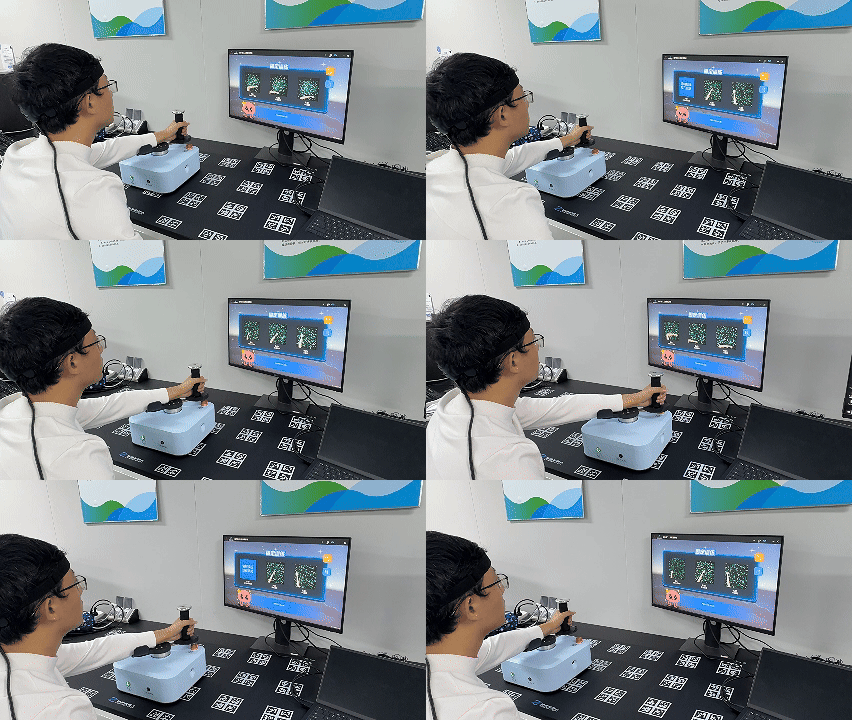
Brain-Controlled Upper Limb Rehabilitation System (Photo provided by the interviewee)
VCBeat:So, in which fields can we expect to see LinkMe in the future?
Wang Yijun:We position LinkMe not just as a brain-computer interface device, but as a brain-computer interface empowerment technology.Therefore, LinkMe can appear in many fields that require "brain-computer interaction."
Healthcare was LinkMe's earliest foothold. LinkMe has adopted a dual-modal approach of visual control and motor imagery, and has alreadyApplied in rehabilitation medicine, eye disease diagnosis, and disability assistanceDue to its unique technology at the algorithm level, LinkMe excels in brainwave encoding and decoding. Large-scale trial results show that LinkMe is suitable for over 90% of the population, with brain-control accuracy reaching above 93% in multi-target scenarios, and the fastest interaction speed within 1 second.
Nianjitech focuses on the core products and technology development of brain-computer interfaces, empowering the implementation of multi-scenario applications. For instance, we provide one-stop products and services for brain-computer interface integration specifically for medical rehabilitation equipment and the industry. Brain-computer interfaces can establish new pathways between the brains of rehabilitation patients and their peripheral nerves, enabling active rehabilitation and neural remodeling.To this end, we have developed LinkMe's capability to standardize the access of various types of rehabilitation equipment, especially in terms of EEG encoding and decoding paradigms and algorithms, which can quickly achieve compatibility with various rehabilitation devices.
Of course, healthcare is only the first step. In the future, LinkMe can alsoIntelligent Cockpit, AR/VR, Industrial Safety, Smart Military IndustryProvide brain-computer interaction solutions in fields such as...
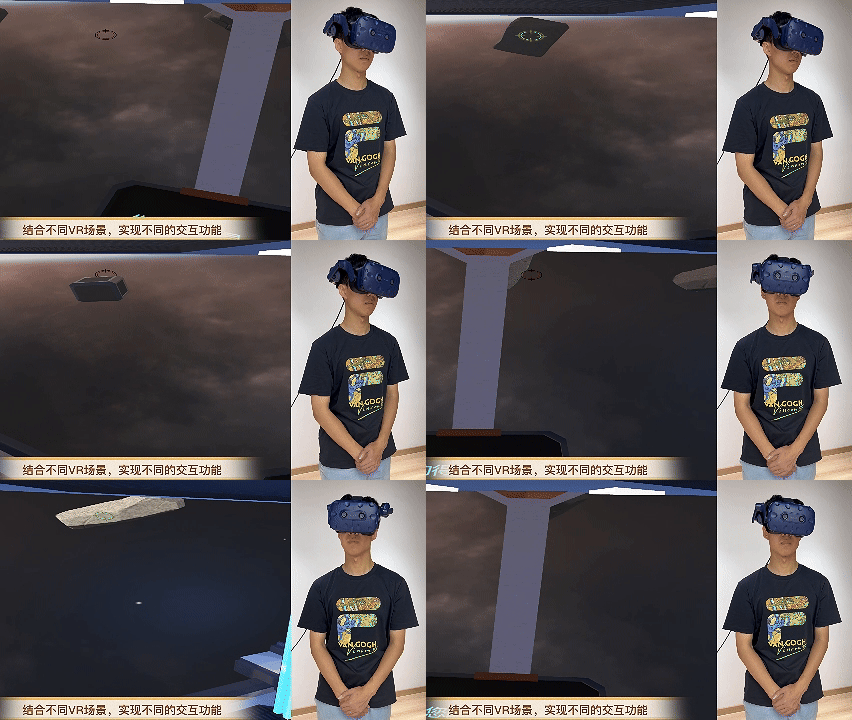
LinkMe combined with VR, achieving interaction through a brain-computer interface instead of a controller (photo provided by the respondent)
Brain-computer interface is expected to become a long-term promising track, leading to a new paradigm of application
VCBeat:The commercialization of brain-computer interfaces cannot proceed without the involvement of researchers. Meanwhile, nianjitech, which you and your team have organized and founded, has already paved a commercial path. Regarding the commercialization of domestically produced brain-computer interfaces, what valuable insights can you share?
Wang Yijun:In recent years, with the widespread application of brain-computer interface technology, clinical demands for neurorehabilitation and disability assistance have grown rapidly. However, in my view, it is not only China-produced brain-computer interfaces but also the global commercialization of brain-computer interfaces that still have a long way to explore.
Existing brain-computer interaction technologies still need to improve key issues such as accuracy, robustness, practicality, and population adaptability.Cannot fully meet the needs of large-scale clinical applicationIn addition, the application of brain-computer interfaces still requires long-term clinical trials for verification, and large-scale clinical applications and commercialization face many challenges.
Therefore, taking nianjitech as an example,The future will focus on the research and development of core brain-computer interface technologies, empowering the healthcare industry by providing core hardware, algorithms, and system solutions for brain-computer interfaces., accelerating the clinical application of brain-computer interface technology.
VCBeat:Dr. Wang has been deeply engaged in the brain-computer interface field for decades. In your opinion, what will be the future development direction of non-invasive brain-computer interfaces?
Wang Yijun:In my opinion,Brain-computer interface is just an information carrierThis technology is ultimately aimed at achieving human-computer interaction. Current traditional interaction methods such as keyboards, touchscreens, and voice rely on the control of peripheral nerves and muscles, which presents a bottleneck in information transmission rates, making it impossible to process large amounts of information quickly and efficiently. Brain-computer interfaces, on the other hand, establish a direct information transmission channel between the brain and external devices, offering the potential for more natural, efficient, and intelligent human-computer interaction.
Therefore, in my opinion,The future development direction of non-invasive brain-computer interfaces must aim towards a new generation of general human-computer interaction technology.
From the perspective of practical applications, the development direction of non-invasive brain-computer interfaces can be mainly summarized into two core areas: coding and decoding algorithms and hardware systems. First, given the characteristics of low amplitude, narrow bandwidth, and non-stationarity of EEG signals, improving the information transmission rate of non-invasive brain-computer interfaces has become an urgent problem to solve. With the continuous advancement of EEG coding and decoding technology, we are expected to break through the existing limitations of brain-computer communication bandwidth to meet users' needs in more complex interactive scenarios.
Secondly, the development trend of non-invasive brain-computer interface systems is moving towards miniaturization, lightweight design, and integration. Of course, these improvements aim to make wearable smart brain-computer interface devices more practical in a wide range of application scenarios, thereby promoting the application and popularization of brain-computer interface technology in more fields.
Despite numerous technical challenges, we must remain confident in the breakthroughs of brain-computer interface (BCI) technology. Research over the past two to three decades has shown that every ten years, the information transfer rate of BCIs increases by 2-4 times. The current interaction speed of visual BCIs is roughly half that of touchscreens. It is foreseeable that within a decade, non-invasive BCI communication speeds could reach or even surpass those of touchscreens and keyboards, approaching the interaction speed of voice. Meanwhile, the integration of smart wearable devices, AI, and IoT technologies will make brain-computer interaction more natural and efficient. BCIs will extend from fields like healthcare and consumer entertainment to more areas such as smart living and industrial production, transforming our way of life.
Conclusion: Brain-computer interface may bring new directions in human-computer interaction
Brain-computer interface technology is undoubtedly a cutting-edge science with revolutionary potential, heralding a new direction for human-computer interaction. Despite challenges in technical implementation, ethical considerations, and safety assessments, researchers like Dr. Wang Yijun are optimistic about the commercial prospects of brain-computer interfaces. With the rapid advancement of technology and ongoing in-depth research, these challenges will gradually be overcome, and the applications of brain-computer interface technology will become increasingly widespread.
Notably, there are many companies like Nianji Technology in the Chinese market that are committed to the commercialization of brain-computer interface technology. In addition to LinkMe, Nianji Technology has also launched multiple products such as "Fubai" and "Hetu." These products focus on different aspects of software algorithms and application scenarios, offering a variety of brain-computer interface devices with distinct functionalities to meet application needs across medical, scientific research, health, industrial safety, intelligent interaction, and other fields.
In the future, Nianjitech will continue to focus on promoting the development and practical application of brain-computer interface technology, bringing it from laboratories into daily life, making it an essential tool for improving the quality of human life and advancing social progress.