NeuroXess Achieves Major Breakthrough in High-Throughput Implantable Flexible Brain-Computer Interface Clinical Trials

NeuroXess
Invasive Brain-Computer Interface Developer

This breakthrough not only covers real-time motion decoding but also achieves an unprecedented leap in real-time Chinese language decoding, marking that China has reached a world-leading level in the brain-computer interface field. NeuroXess has thus become the world's only invasive brain-computer interface company to simultaneously achieve both real-time motion decoding and real-time Chinese language decoding.
 "Brain Control" Internet Access, Ushering in a New Era of Human-Computer Interaction
The High Gamma band (70-150Hz) is a high-frequency range in EEG signals, typically associated with complex cognitive functions and neural activity synchronization in the brain. It provides detailed information on brain activity, especially motor and sensory information. In clinical trials of implantable brain-computer interfaces, extracting signals from this frequency band helps decode brain intentions more accurately, enabling thought-driven synthetic movement.
In August 2024, NeuroXess, in collaboration with the neurosurgery team of Professors Mao Ying and Chen Liang from Huashan Hospital, successfully completed a clinical trial on motor imagery synthesis. The subject was a 21-year-old epilepsy patient with a lesion in the motor cortex. A 256-channel high-throughput flexible brain-computer interface (BCI) was surgically implanted to monitor the lesion and protect critical motor-related brain areas. The project team extracted EEG features and trained models based on the High Gamma frequency band of the patient’s brain signals. Continuous time decoding was achieved using an LSTM (Long Short-Term Memory) neural network model, with an overall system latency of less than 60ms. Thanks to the 256-channel high-throughput, high-quality, and high-resolution EEG signals, combined with a self-developed channel selection algorithm, responsive brain regions could be quickly and accurately identified for real-time, efficient, and precise decoding. Without any physical movement, the subject was able to "mind-control" playing table tennis and Snake games within two days post-surgery.
After two weeks of training, combined with XessOS, a brain-computer operating system independently developed by NeuroXess, the subject was able to skillfully use commonly used apps such as WeChat, email, Taobao, Xiaohongshu, and Toutiao, as well as achieve "brain control" of smart home devices and intelligent wheelchairs, greatly fulfilling the basic mobility needs of patients with motor disabilities in their daily lives.
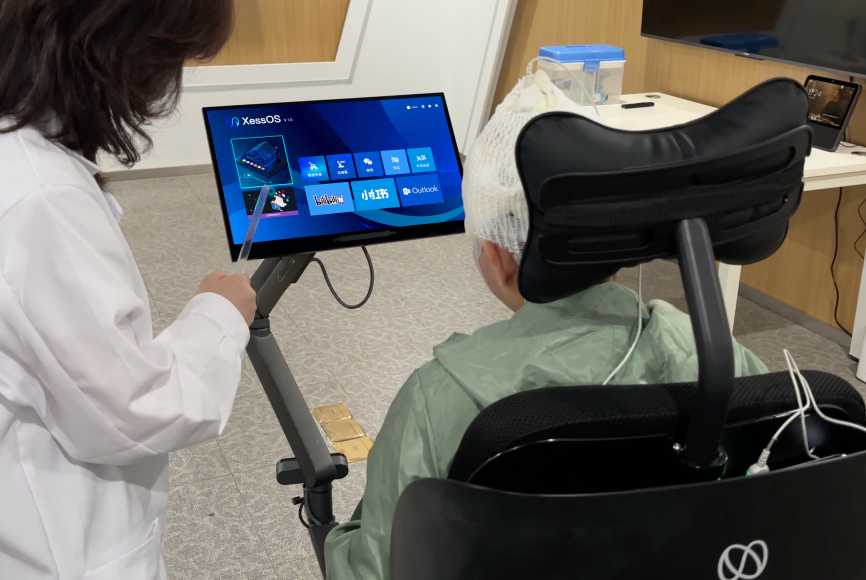
Figure 1: Real-time Mind Control XessOS System
 World's First Realization of "Mind-Controlled" AI Dialogue Model, Filling Multiple Gaps Both in China and Globally
Chinese is a tonal and logographic language dominated by monosyllables, distinct from alphabetic languages like English. Its information conversion process involves more brain regions, necessitating the development of neural encoding and decoding mechanisms and information processing methods tailored to the characteristics of Chinese. In December 2024, NeuroXess, in collaboration with Professor Wu Jinsong's team from the Department of Neurosurgery at Huashan Hospital, conducted China's first clinical trial using a high-throughput implantable flexible brain-computer interface for real-time synthesis of the Chinese language. The project team performed a flexible brain-computer interface implantation surgery on patients with language-area-occupying tumor-related epilepsy. By implanting a 256-channel high-throughput brain-computer interface, they were able to locate the lesion while protecting critical brain functional areas related to language.
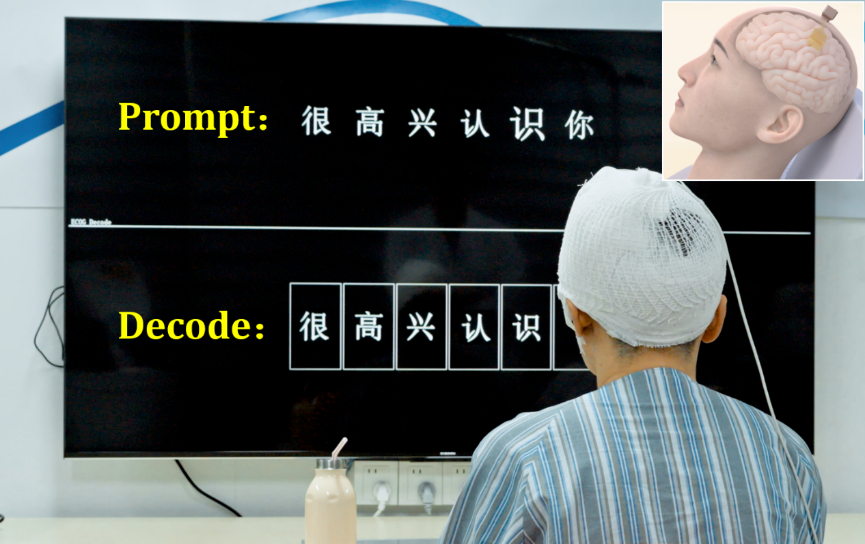
Figure 2: Real-time Chinese Language Decoding
The patient recovered well after the surgery, achieving a decoding accuracy rate of 71% for 142 commonly used Chinese syllables within five days. The latency for single-character decoding was less than 100ms, representing the highest level of real-time Chinese language decoding in China. Based on real-time Chinese decoding, the subject not only achieved advanced functions such as mind-based real-time synthesis of Chinese, driving digital avatars, and interacting with large AI models, but also enabled the transformation of brain electrical signals into language and then into commands to control a dexterous hand for human-computer interaction in real time. This achievement not only brings hope to aphasic patients for restoring language function but also opens up new possibilities for direct interaction between the human brain and large AI models, and even thought exchange.
Notably, as the New Year approached, the subject used mind-controlled synthesized language instructions to operate a dexterous hand, delivering the sign language greeting “Happy 2025 New Year” to everyone.
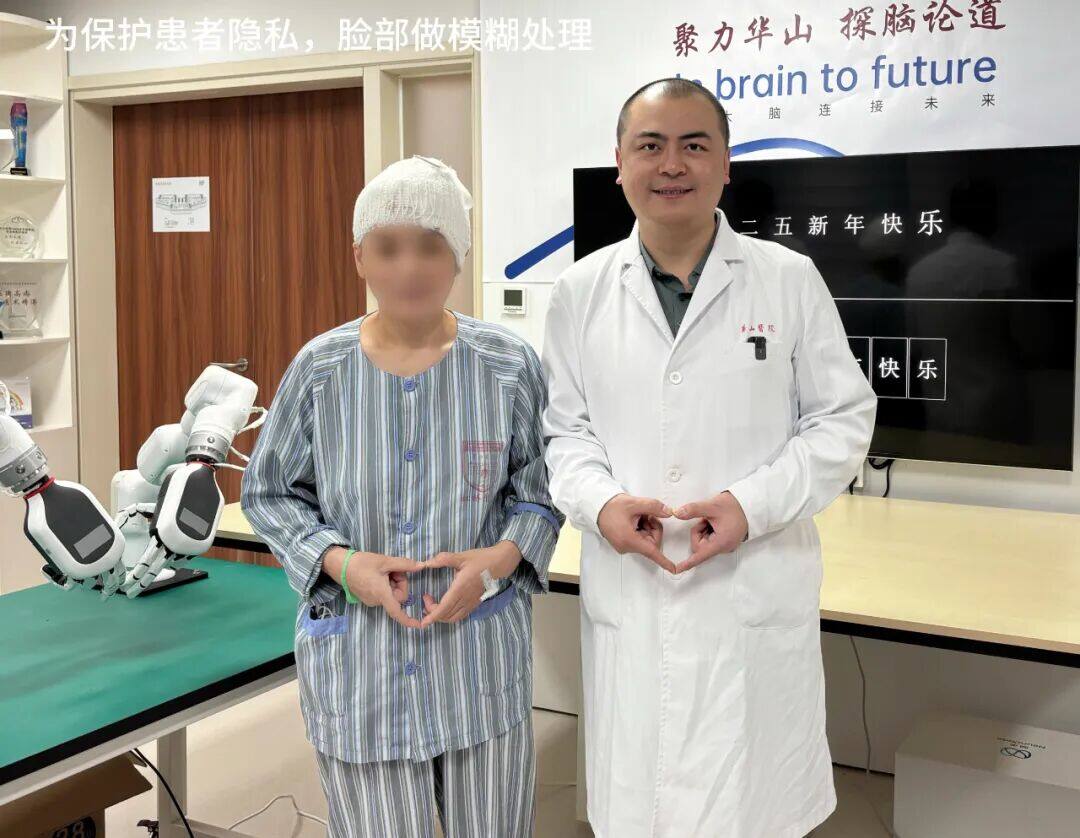
Figure 3: Tao Hu, founder of NeuroXess and researcher at TCCI, poses with the subject and the dexterous hand controlled by thought to send blessings.