From left to right: Sunita Ferns, M.D.; Mark Plunkett, M.D.; Harma Turbendian, M.D.
A nursing team in IllinoisA 2-Year-Old Patient Diagnosed with Brugada Syndrome Undergoes First-of-Its-Kind Heart Surgery. The pediatric patient experienced cardiac arrest at home and was revived when his parents performed CPR. He was then transferred to OSF Healthcare Children's Hospital of Illinois in Peoria.
"Unfortunately, most children who have experienced this situation cannot survive," said the pediatric cardiac surgeon at the hospital.Harma Turbendian MedicalDoctor at OSF Healthcare. "So, these are responsive parents who know what they're doing, then there's EMS, and then there's our team in the ICU."
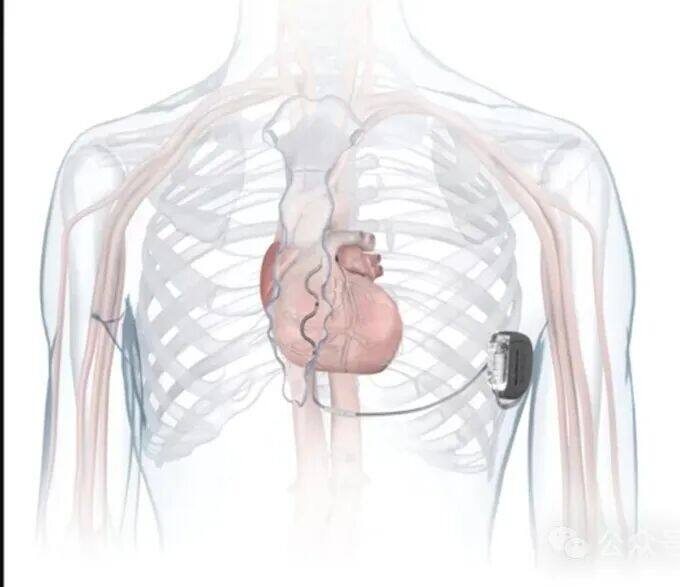
The patient's care team determined that he would benefit from receiving Medtronic's extravascular implantable cardioverter defibrillator (EV-ICD), developed to treat abnormal heart rhythms. These devices are traditionally implanted only in adults or older children, but the team unanimously agreed that treatment with the Medtronic EV-ICD represented the patient’s best opportunity for achieving a long and healthy life.
The surgery itself is minimally invasive, requiring only small incisions to implant the device, and it was successful.
"Given that a two-year-old child will experience rapid growth in the next ten or twenty years, this is a great option for him," said the director of pediatric and adult congenital electrophysiology at the hospital.Sunita Ferns Medical"This is the first time in the world that anyone has tried this on someone so small," the doctor said.
"In the past, children had to undergo major surgeries, typically sternotomy or thoracotomy," said the director of the hospital's Pediatrics and Congenital Heart Surgery Department,Mark Plunkett, M.D."These devices are usually larger, and we sew patches onto the heart or implant coils. Some of these devices are not as effective as this new technology."
MedtronicIn October 2023First ObtainedU.S. Food and Drug AdministrationApproval of Aurora EV-ICD. It is the first commercially available ICD in the United States to be placed outside the patient's vascular space. It is capable of delivering defibrillation, anti-tachycardia pacing, and backup pacing therapies.