Breaking the Ice in ALS Therapy: How Innovative Biopharma Companies Are Pioneering New Hope

NeuroXess
Invasive Brain-Computer Interface Developer

Although death is a word everyone tends to avoid discussing, for patients with ALS (Amyotrophic Lateral Sclerosis), it is like a perpetually looming dark cloud that they cannot help but face.
On January 1, 2025, Cai Lei, a fighter against ALS, released a New Year's open letter. This year marks the 6th year of his battle with ALS.
In 2019, Cai Lei, then Vice President of JD Group, was at the peak of his career when he was mercilessly informed by fate that he had been diagnosed with ALS. From the initial subtle abnormalities in his body, to the increasing difficulty in moving his limbs, until he could no longer walk or stand independently, and his speech function gradually deteriorated, every meal and every breath became a hard-fought battle. Cai Lei's life seemed to be slowly "freezing."

Faced with such a desperate situation, he did not choose to silently wait for fate's verdict in the darkness. Instead, he quit his job, took out his savings to form a professional research team, and invited top medical experts, neuroscientists, biologists, etc., from within and outside China to jointly study the pathogenesis, pathological characteristics, and treatment methods of ALS, fully dedicating himself to the cause of conquering this disease.
On the road to fighting ALS, he has given countless patients courage and strength. Under his influence, more and more resources have begun to converge in the field of ALS research and treatment, allowing rays of hope to shine into those "imprisoned" bodies.
What is ALS?

ALS, medically known as Amyotrophic Lateral Sclerosis (ALS), is an extremely cruel neurodegenerative disease and is listed by the World Health Organization as one of the five major incurable diseases.Its pathogenesis is like a complex and mysterious maze, yet to be fully deciphered. Genetic factors play a role in some patients, but for the majority, the cause remains unclear. It may result from the interplay of various factors, such as environmental influences, neuroinflammation, oxidative stress, mitochondrial dysfunction, and abnormal protein aggregation, collectively impacting the nervous system and leading to the gradual damage and death of motor neurons.
Currently, there are approximately 450,000 ALS patients worldwide, with about 100,000 new cases added each year. In the 200 years since ALS was discovered, nearly 10 million people globally have lost their lives to the disease. The high mortality rate and rapid progression of ALS have made it a major challenge in the global medical community.

Finding more effective treatment methods to overcome the medical challenge of ALS is extremely urgent.NeuroXess, Abbisko Therapeutics, Neurolux Bio, Saliency BiotechnologiesNumerous innovative pharmaceutical and medical device companies, such as NeuroXess, are striving to unlock the power of love by targeting cutting-edge fields and racing against time.
In 2021, NeuroXess, a life science enterprise dedicated to protecting and exploring the brain through flexible brain-computer interface technology, was officially established. In the same year, NeuroXess's self-developed "Minimally Invasive Implantable High-Throughput Flexible Brain-Computer Interface Technology" won the highest award of the 2021 World Artificial Intelligence Conference, the SAIL Award, and was selected as one of the "Crown Jewels of the Exhibition" alongside Huawei's Pangu large model.
NeuroXess primarily targets two markets: one is the research market based on the "Brain Project," mainly serving as a platform for fundamental research tools to support the "Brain Project"; the other is the medical market with clear medical value, targeting specific indications such as ALS, high-level paralysis, and blindness.
In the treatment of ALS, NeuroXess's brain-computer interface system has demonstrated unique advantages. Traditional treatment methods often focus on alleviating symptoms, while brain-computer interface technology starts by restoring patients' autonomous control abilities. The highly integrated and high-precision brain-computer interface system collects neural activity signals from the brain, using advanced algorithms for signal processing and analysis to convert patients' thoughts and intentions into commands recognizable by external devices, thereby enabling interaction between patients and the outside world. For example, for patients who have lost limb mobility, through the brain-computer interface, they can control external robotic arms with their brain signals to perform basic daily activities such as grasping objects and eating. In terms of verbal communication, even if the patient's throat muscles cannot function properly, the brain-computer interface can translate language intentions in the brain into speech or text, allowing communication with others. This not only enhances the patient's ability to live independently but also opens a door for them to reintegrate into society.
NeuroXess Collaborates with Huashan Hospital Affiliated to Fudan University on Two Brain-Computer Interface Experiments, Achieving Significant Progress in High-Precision Real-Time Motion Decoding and Chinese Language Real-Time Decoding
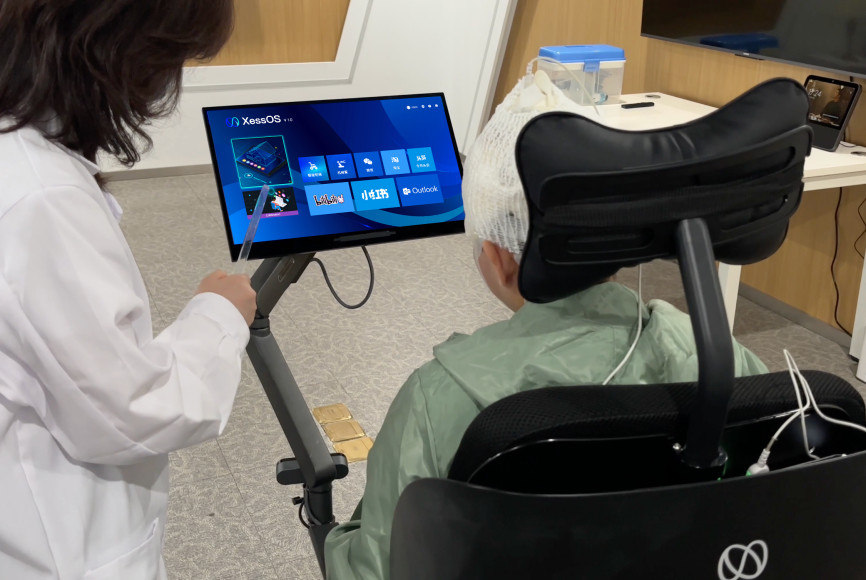
Real-time Mind Control XessOS System
(Image Source: NeuroXess)
Notably, NeuroXess has pioneered the application of the traditional Chinese material—silk—in the implantation of brain electrodes, developingSilk Protein Minimally Invasive Implantation Technology. This "Chinese-style innovation" that combines strength and flexibility has broken through the key bottleneck in the clinical application of brain-computer interfaces, eliminating the harm caused by large-scale craniotomy.
And誉医药 (And誉 Pharma) was founded in 2016, focusing on the research and development of new cancer drugs. It has currently established a pipeline of 14 drug candidates under research. On October 25, 2022, And誉医药 announced that its investigational CSF-1R inhibitor ABSK021 received approval from the Center for Drug Evaluation (CDE) of the National Medical Products Administration (NMPA) to enter a randomized, double-blind, placebo-controlled, multi-center Phase III clinical trial to evaluate its efficacy and safety in patients with tenosynovial giant cell tumor.
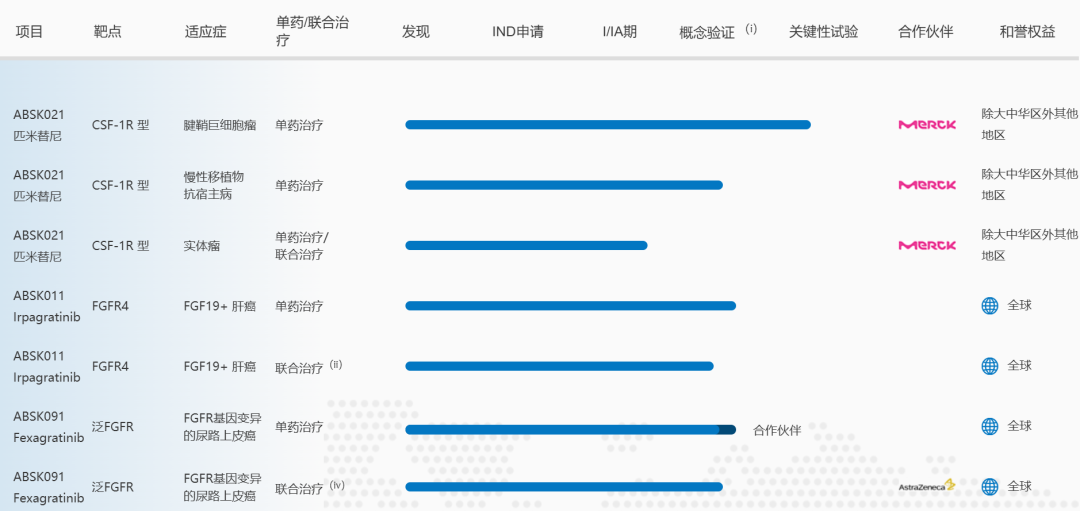
Abbisko Therapeutics Product Pipeline (Partial)
(Image Source: Abbisko Therapeutics)
ABSK021 is a novel, orally available, highly selective, and highly active CSF-1R small molecule inhibitor independently developed by Abbisko Therapeutics. It is also the first high-selectivity CSF-1R inhibitor independently developed in China to enter Phase III clinical trials. CSF-1R signaling is essential for the development and survival of microglia, and the presence of a large number of activated microglia is one of the hallmarks of neurodegeneration in patients with amyotrophic lateral sclerosis (ALS). Preclinical studies have shown that inhibiting CSF-1R can delay disease progression in various ALS animal models.
Previously, ABSK021 was designated as a breakthrough therapy by the CDE for the treatment of unresectable tenosynovial giant cell tumor (TGCT). Research indicates that blocking the CSF-1/CSF-1R signaling pathway can modulate and alter macrophage function, playing a role in various macrophage-related diseases. Currently, ABSK021 has completed the Phase Ia dose-escalation trial in the United States and is concurrently undergoing the Phase Ib multi-cohort expansion study in both China and the U.S. In addition to TGCT indications, Hebao Pharmaceutical is also actively exploring the clinical potential of ABSK021 in various solid tumors and, together with ShuFang Pharmaceutical, investigating its application in neurological conditions such as ALS.
Neulgen Bio founder Zhu Chao has over two decades of experience in the field of neurobiology, accumulating extensive research expertise. With the dream of advancing the development of innovative drugs for the nervous system, he co-founded Neulgen Bio with the "national team" of researchers from the Institute of Neuroscience at the Chinese Academy of Sciences. This team is also one of the earliest pioneers globally in the field of in situ transdifferentiation technology.
"In situ transdifferentiation technology offers new insights for neuronal regeneration." According to Zhu Chao, the in situ transdifferentiation technology developed by Newron Therapeutics uses viral or non-viral vectors to deliver a gene sequence to target cells, expressing transdifferentiation factors within these cells and promoting the development of mature somatic cells into neurons. Simply put, this method transforms other cells into neurons through transdifferentiation, enabling the "regeneration" of dead neurons in the brain. Compared with traditional stem cell therapies, in situ transdifferentiation eliminates the need for complex differentiation processes involving stem cells, adopting an endogenous regeneration approach that effectively avoids tumorigenic risks and immune rejection. Additionally, the technology does not require in vitro cell culture and screening, simplifying the process and reducing production costs, thus offering potential for the commercial application of therapeutics.
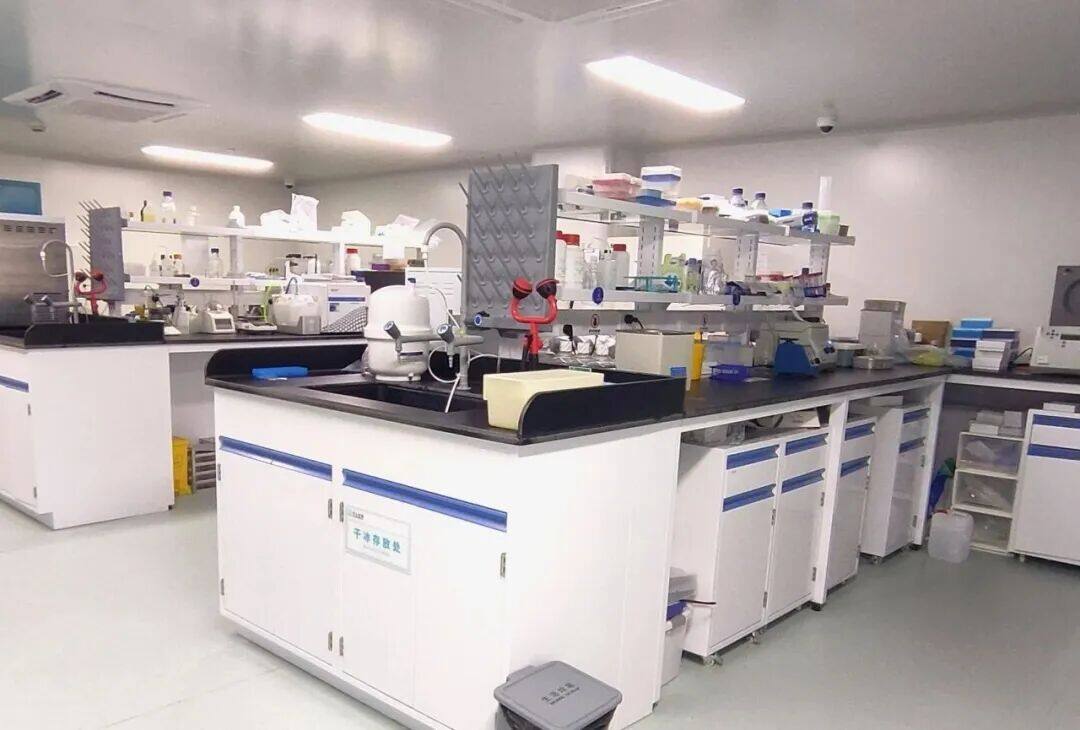
NuoLink BioLab
(Image source: Shanghai Technology)
Based on the in-situ transdifferentiation technology, NeuroXess has developed two leading product pipelines targeting blindness-causing eye diseases and difficult-to-treat nervous system tumors, respectively, to develop original gene therapy drugs with independent intellectual property rights. Among them, regarding nervous system tumors, the fastest progressing treatment by NeuroXess is for glioblastoma. Cai Lei, who suffers from ALS, is also collaborating with them to jointly develop a novel gene therapy for ALS using neural in-situ transdifferentiation technology.
Recently, the NP001 product independently developed by Serex Bio has completed the first dosing of an ALS patient at the First Affiliated Hospital of Zhengzhou University. Currently, the subject's indicators and tolerance are good.
Currently, Cellux Bio has four Treg cell therapy drugs under development. The NP001 project is the most advanced, being a human autologous polyclonal Treg cell injection derived from high-purity Treg cells enriched from the patient's peripheral blood. After in vitro expansion to a sufficient clinical dose, it is reinfused into the patient. Leveraging the immune regulation and tissue repair functions of Treg cells, it is expected to play a positive therapeutic role in autoimmune diseases and neurodegenerative diseases (NDD) related conditions. This marks the world’s first intrathecal injection of Treg cells for ALS treatment. Compared with intravenous administration, intrathecal injection allows therapeutic Treg cells to directly reach the site of the disease.
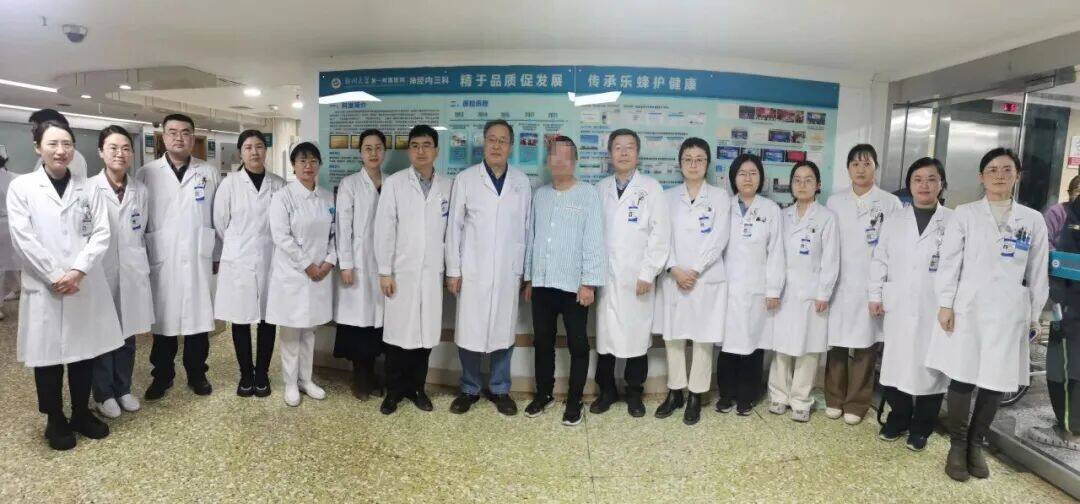
Healthcare Professionals and Patients from the First Affiliated Hospital of Zhengzhou University Participating in ALS Clinical Research
(Image Source: Sairxin Biotech)

In the field of raw medicine, advances in scientific research also mean the rapid "burning" of money. Cai Lei once recalled in a media interview that he had sold his house, car, and most of the stocks in hand, spending over 10 million yuan, and his "ammunition" was almost used up. In the past 30 years worldwide, about 1 trillion US dollars have been invested in攻克neurodegenerative diseases, with almost all efforts ending in failure.
Even so, he has not given up. Neither have they——
✎ In October 2024, Dyno Therapeutics announced a collaboration withRocheReached a $1 billion collaboration to jointly develop the next generation of AAV vectors for gene therapy targeting neurological disorders.
✎ In August 2024, Sangamo partnered withRocheGeneTech, a subsidiary, signed a $1.95 billion agreement to co-develop intravenously administered genomic medicines using the AAV capsid STAC-BBB for the treatment of neurodegenerative diseases.
✎March 2024,OriBioAndSairxin BioOfficially signed a strategic cooperation agreement. According to the agreement, Hoyo Bio will provide non-registration clinical trial sample preparation and testing services for Saierxin Bio's Treg cell therapy pipeline NP001, as well as IND filing CMC services and clinical sample production services for the NP001 and NC001 projects...
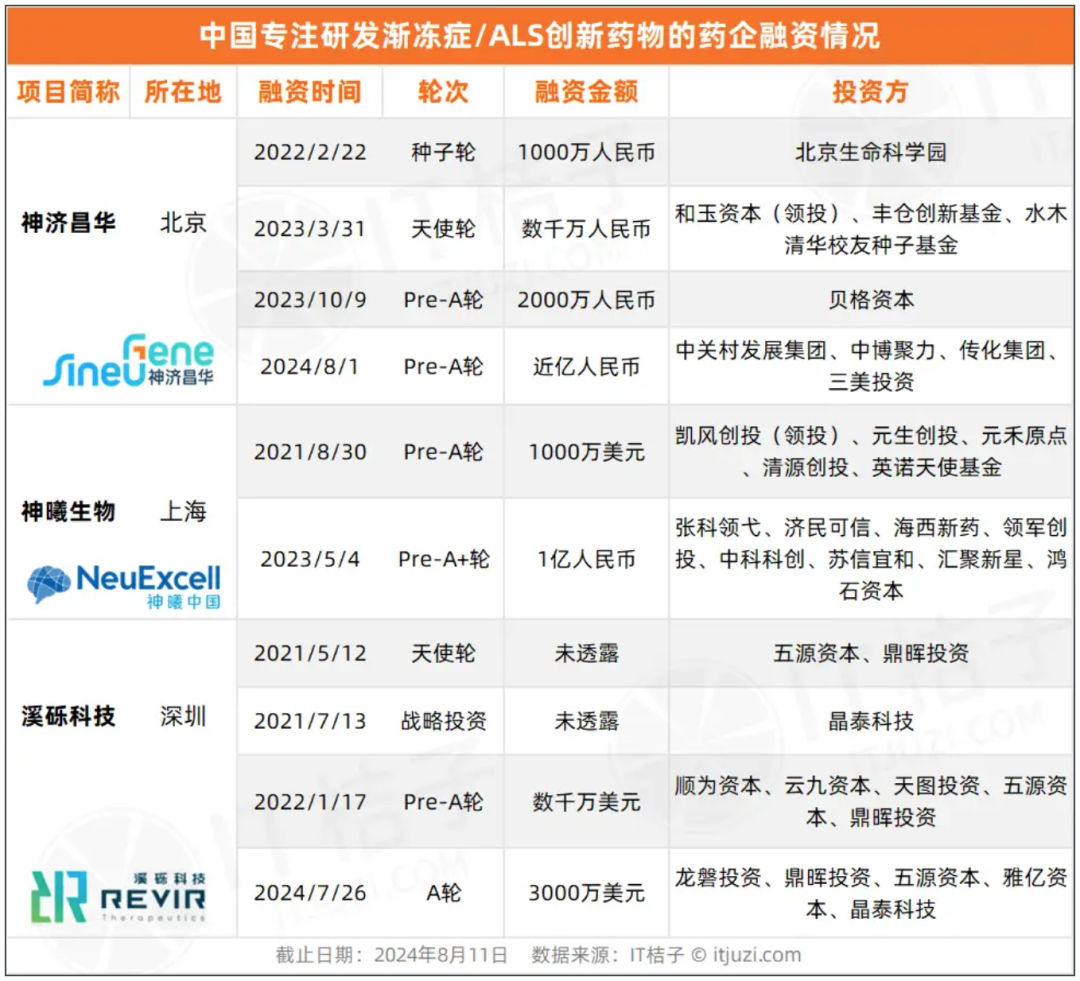
(Image Source:MedCareer)
At the same time, artificial intelligence is also striving to "buy" more time for patients with ALS.Previously, byInsilico MedicineFB1006 Project, Driven by the Self-Owned AI Platform PandaOmics for Drug Repurposing Research and Empowered by Artificial Intelligence from Target Identification to Efficacy Evaluation, Successfully Completes Enrollment of All 64 Patients in the Investigator-Initiated IIT Phase Clinical Trial.
In fact, Insilico Medicine was deeply involved in the early development of the FB1006 project. As early as August 2021, it reached a strategic cooperation with Forbe Biopharma, utilizing its proprietary artificial intelligence target discovery engine, PandaOmics, to empower the identification of potential ALS targets and the development of drug repurposing strategies. During the collaboration, Insilico Medicine discovered 28 novel targets with the potential to treat ALS, three of which already have targeted drugs approved for the treatment of other diseases. Subsequently, leveraging its research accumulation in translational and clinical medicine in the field of neurological diseases, Forbe Biopharma evaluated, selected, and produced one of these drugs as a "drug repurposing" candidate for ALS treatment, and initiated an investigator-initiated trial (IIT) phase clinical trial.
The day before the 2025 New Year's Eve, Cai Lei, a fighter with ALS, delivered an emotional speech through AI, vividly illustrating the benefits of AI. Cai Lei said: "In the past two years, the breakthrough in ALS treatment has been empowered by artificial intelligence, discovering more new therapeutic targets and screening out many promising drugs. Last year, I tried wearing an AI-powered larynx to regain clear speech, which made me very excited."Life is counting down. Instead of waiting for death, it's better to fight!”