Alleviant Medical Secures FDA Breakthrough Device Designation for Novel Atrial Shunt and Files IPO Prospectus

Alleviant Medical
Heart Failure Medical Device Developer

Alleviant Medical is a medical device company headquartered in Texas, with its novelAtrial Shunt Device Receives FDA Breakthrough Device Designation and Investigational Device Exemption (IDE), the shunt can be used in the treatmentHeart FailureThere is no need to leave a permanent implant in the body.
FDA's Breakthrough Devices Program aims to help expedite the approval process for medical devices. Representatives from the agency work directly with manufacturers, and any submissions related to the device are given priority. According to the FDA, the designation is reserved for devices that "provide more effective treatment or diagnosis for life-threatening or irreversibly debilitating diseases or conditions."
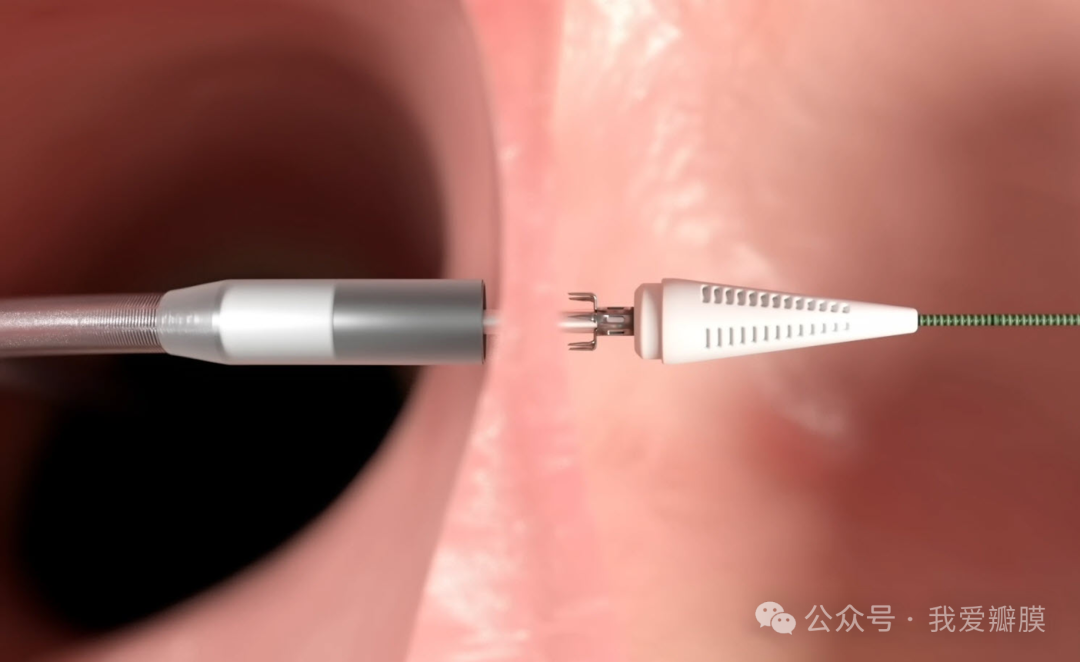
The Alleviant System is an investigational medical device being studied in patients with chronic heart failure who remain symptomatic despite receiving optimal medical therapy.The device is designed to create a connection between the left and right atria of the heart in a single procedure without leaving a permanent implant.This procedure aims to reduce excessive pressure buildup in the heart, thereby alleviating symptoms of heart failure such as shortness of breath, fatigue, and weakness.
At the same time, the IDE paves the way for Alleviant Medical Inc. to launch ALLAY-HFrEF, a new global clinical trial aimed at evaluating the safety and effectiveness of the device in approximately 350 patients with heart failure with reduced ejection fraction (HFrEF). Two prominent cardiovascular researchers — from the Icahn School of Medicine at Mount Sinai, New York —Gregg Stone, M.D.and Tufts University School of Medicine in BostonMD James Udelson——will serve as the co-principal investigator of the trial.
ALLAY-HF is a similar global trial focused on the device's ability to treat heart failure with preserved ejection fraction (HFpEF) and is already underway.
"Despite advances in treatment, chronic heart failure remains one of the greatest unmet clinical needs for millions of patients who suffer greatly and often have their lives cut short by this disease," Udelsman said in a statement. "As we follow the science and expand the evidence base for patients with different ejection fractions, we have the potential to improve clinical outcomes and quality of life for millions of people."
"We were fortunate to have the results from the prior study, which demonstrated significant clinical benefits in high-risk HFrEF patients who received a permanent atrial shunt implant," Stone added. "These findings informed the design of the ALLAY-HFrEF trial."