Advanced Bifurcation Systems Secures $20.8 Million Oversubscribed Financing and Files Preliminary IPO Prospectus

Advanced Bifurcation Systems
Medical Device Developer
Advanced Bifurcation Systems(ABS)Announced the completion of a new round of $20.8 million in oversubscribed financing. The company also expanded its board of directors,Advanced Bifurcation Systems(ABS)Malia Chui from the largest investment firm, Brandon Holdings, and Susan Yashar, Deputy Global CEO and Global General Counsel of Deloitte, join the board.
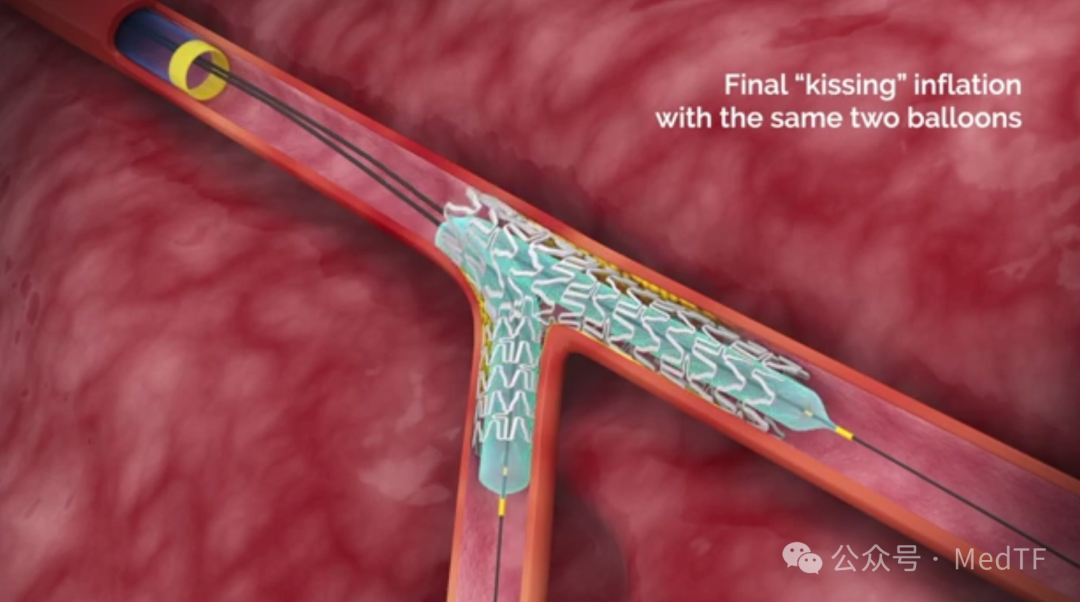
Single-stent technique, which involves implanting a stent only in the main branch while protecting the side branch with a guidewire or dilating it with a balloon. This includes the dual-balloon kissing technique, where balloons in both the main vessel and the side branch are expanded simultaneously to prevent plaque shift towards the side branch, which carries a risk of branch occlusion. The double-stent technique, which involves implanting stents in both the main branch and larger side branches. This includes: T-stenting, crush technique, culotte technique, stent kissing technique, V-stenting, and Y-stenting. There is no risk of branch occlusion, but the technical difficulty is high, and determining the strategy in advance is crucial.
The stent was not properly apposed to the vessel wall at the ostium of the bifurcation lesion and failed to fully cover the ostium. Plaque "snowplow effect" or ridge displacement in collateral vessels leads to their occlusion or significant stenosis. Metal overlap at the bifurcation site, slow endothelial coverage, and susceptibility to late thrombotic events.
In fact, causingTreatment of coronary artery bifurcation lesions is challenging, with many adverse events after stent implantation, primarily due to the lack of truly matching solutions.Stents for Coronary Bifurcation Lesions. It requires doctors to continuously develop various surgical techniques, but due to the lack of good tools, even though doctors keep optimizing treatment methods, they still cannot solve the problems of difficulty and multiple complications.
ABSIt is a modular, dual-catheter, independently movable stent system. ABS is developed byMother-Child Stent (MDS)Balloon CatheterAndDaughter Stent (DS)Balloon CatheterComposition.Daughter Stent (DS)Balloon Catheter LoadInMother-Child Stent (MDS)Balloon CatheterTheOn the sleeve, and throughOverMother-Child Stent (MD)ChinaThe opening between。
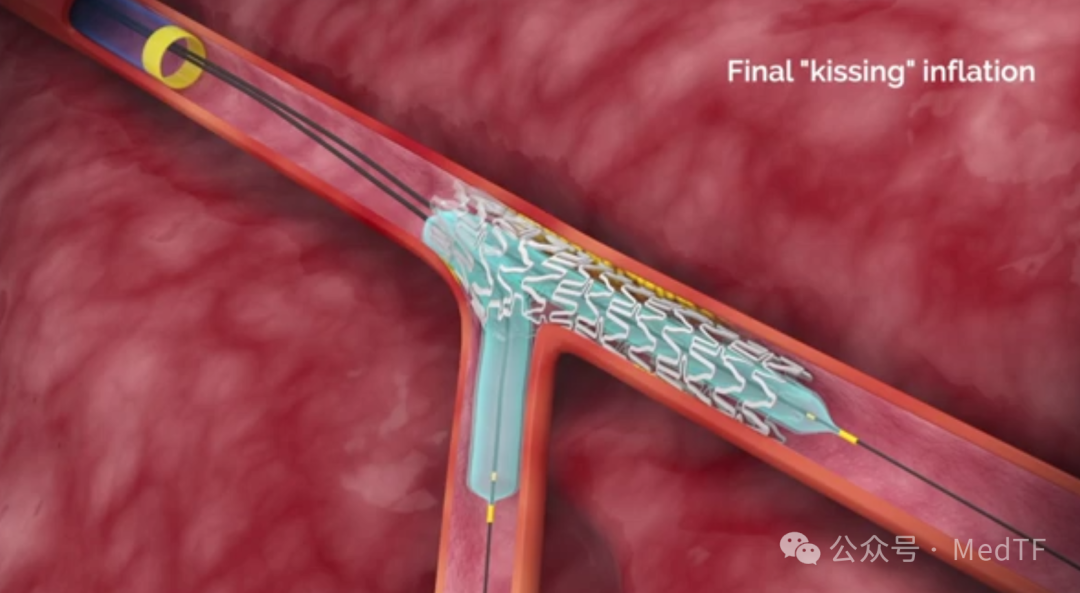
With stentDaughter Stent (DS)Balloon Catheter
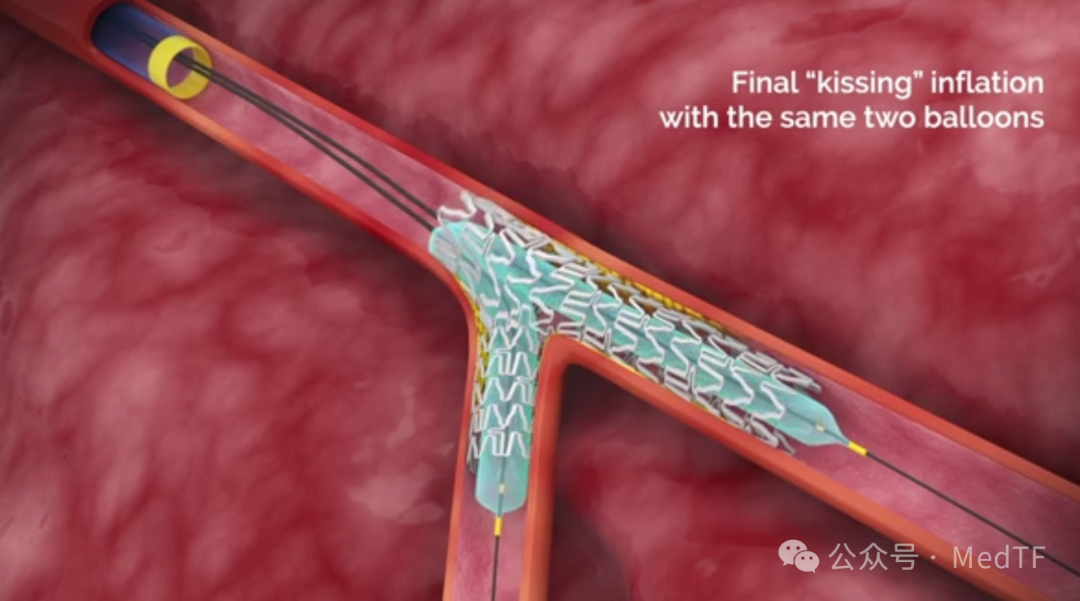
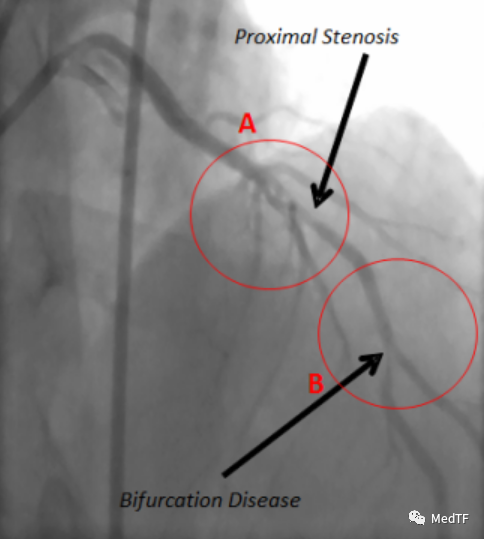
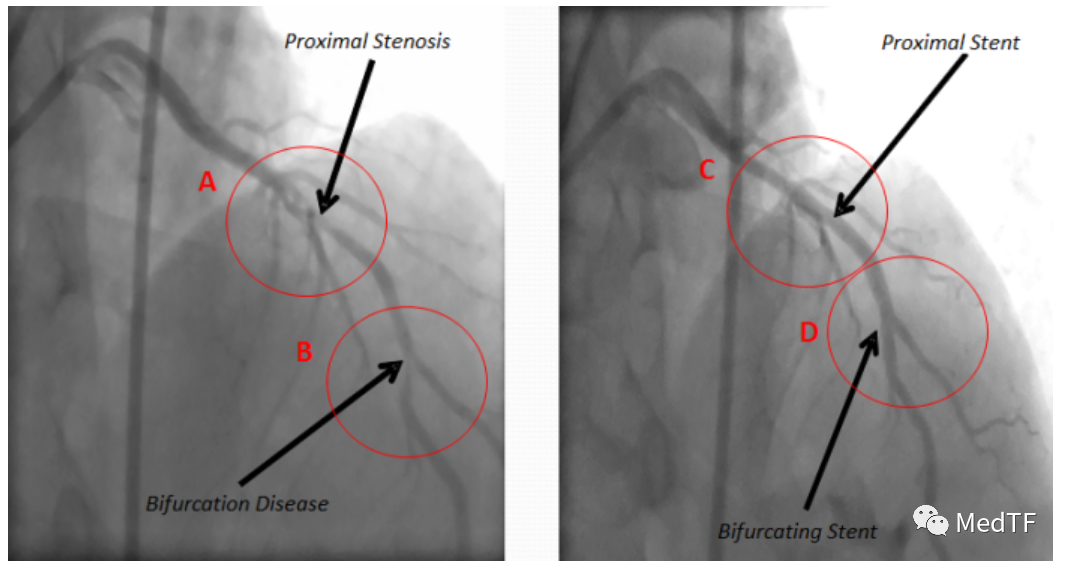
Circle in the pictureA is the proximal narrowing or stenosis,CircleCircle B is a bifurcation lesion
Advanced Bifurcation Systems