

Novo Nordisk Secures Global Rights to Oral Small-Molecule BACH1 Inhibitor for Blood Disorders
IMMvention Therapeutix
Developer of Novel Small-Molecule Drugs Targeting Inflammation
Novo Nordisk
Insulin Developer and Manufacturer
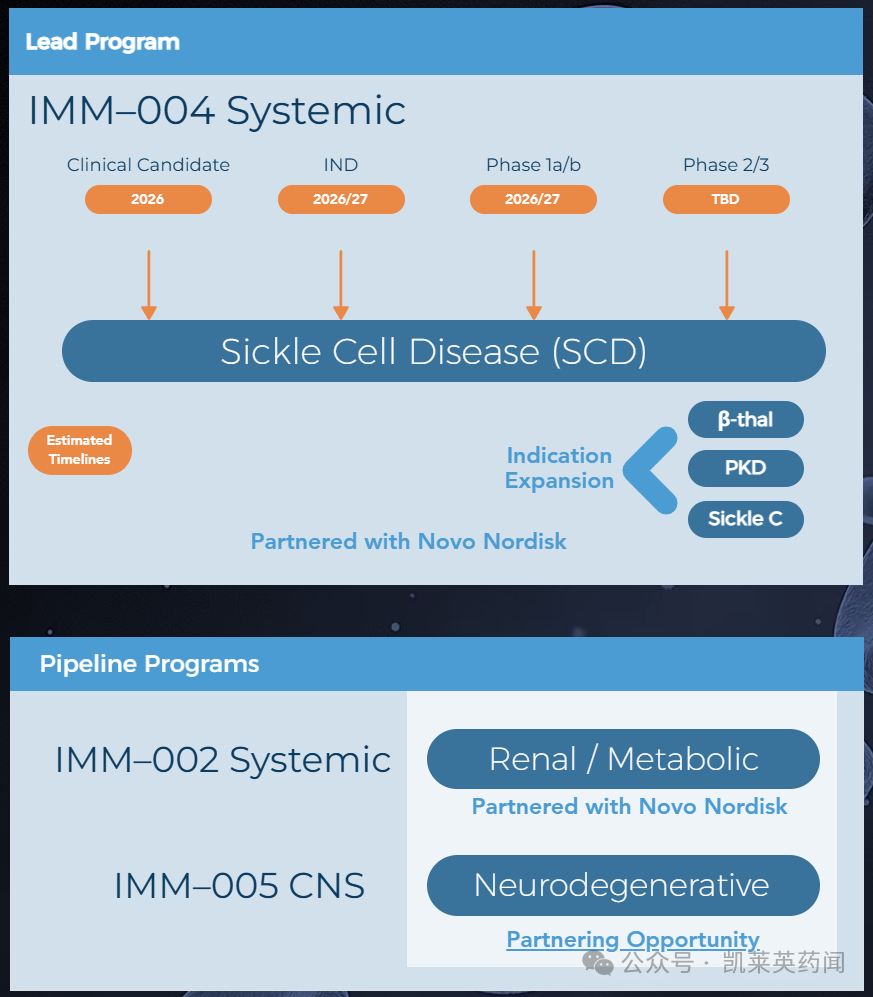
January 22, 2025, IMMvention Therapeutix (“IMMvention”) announced that the companyEntered into a strategic cooperation and licensing agreement with Novo Nordisk,Jointly Develop Oral Therapies for Sickle Cell Disease (SCD) and Other Chronic Conditions。
According to the agreement,Novo Nordisk Obtains Global Exclusive License for Preclinical BACH1 Inhibitor, and take over all further development, regulatory submissions, and global commercialization efforts; in addition,IMMvention Therapeutix also retains the rights to develop certain brain-penetrant BACH1 inhibitors for the treatment of diseases such as Parkinson's disease and Alzheimer's disease.
About BACH1 Inhibitors
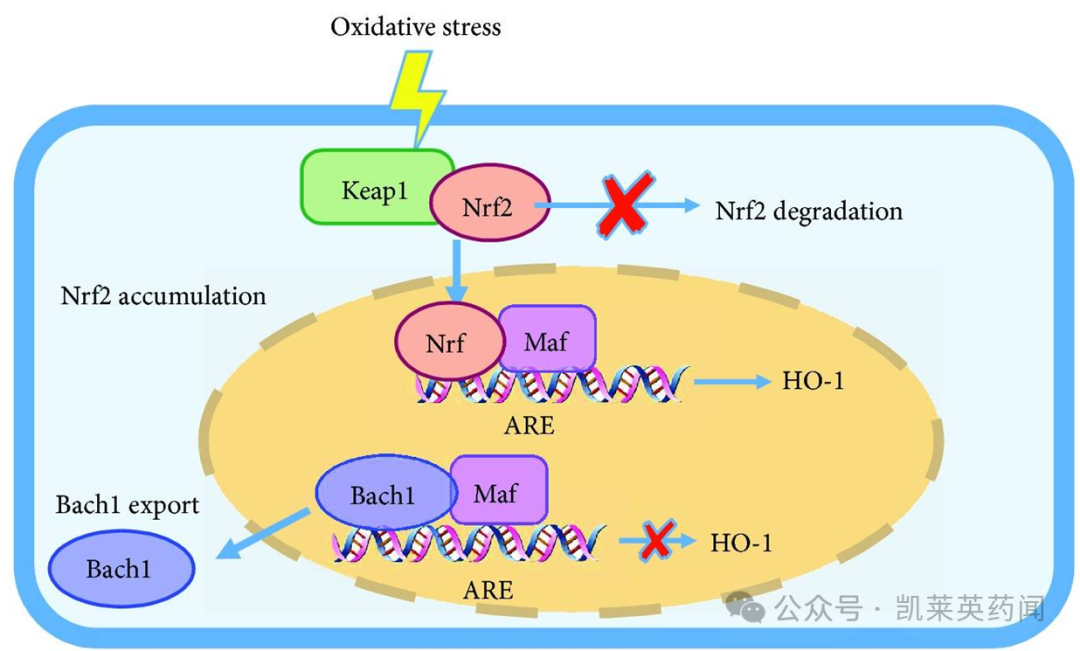
Transcription Factor BTB-CNC Homolog 1 (BACH1) belongs to the basic leucine zipper (bZip) family and is widely expressed in human tissues. Transcription factor BACH1 has the ability to bind heme and is thus important in maintaining heme homeostasis in response to oxidative stress; BACH1 and nuclear transcription factor erythroid 2-related factor 2 (NRF2) compete to bind to antioxidant response elements (MAREs) in oxidative stress response genes. During oxidative stress, NRF2 dissociates from KEAP1, translocates to the nucleus, and binds to MAREs as heterodimers with small Mafs, thereby activating oxidative stress response genes (e.g., HO-1 and NQO1).), while BACH1 is displaced from MAREs and translocates from the nucleus to the cytoplasm to exert its function.
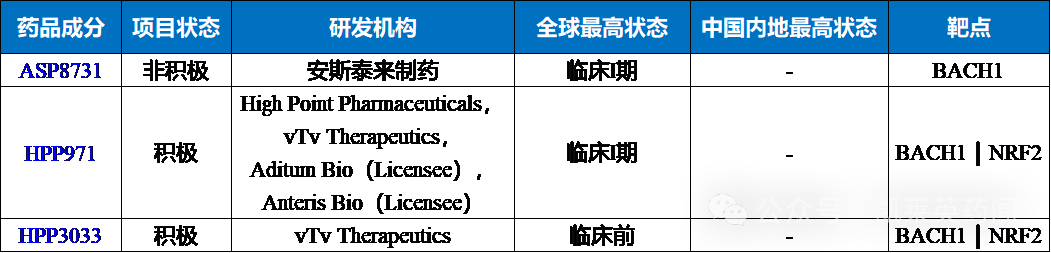
According to incomplete statistics, there are currently few BACH1 drugs under development globally. The most advanced in development is Astellas' ASP-8731, which functions by inhibiting BACH1, increasing the expression of antioxidants and HbF genes, and preventing or reducing disease progression. Phase I studies have shown that in SCD patients, PTSR decreased by 26 points, stabilizing at 29%.
In the future, we look forward to IMMvention Therapeutix and Novo Nordisk disclosing more data in this research field.
About IMMvention
IMMvention is a venture capital company with the mission to develop globally accessible oral therapies to address unmet medical needs caused by dysregulation across multiple pathways in hemoglobinopathies (including sickle cell disease and β-thalassemia), cardiometabolic, renal, and neuroinflammatory diseases. The company has discovered a series of small molecule BACH1 inhibitors/Nrf2 activators; activation of the Nrf2 pathway can induce fetal hemoglobin, antioxidant stress, and anti-inflammatory pathways, thereby improving the underlying pathophysiology of many diseases.
About Sickle Cell Disease
In 2022, the U.S. SCD treatment market size reached USD 1.44 billion and is expected to grow at a compound annual growth rate (CAGR) of 17.3% in the coming years. Globally, the market size for this disease treatment was USD 2.25 billion in 2022 and is projected to increase to USD 9.84 billion by 2030, with a CAGR of 20.1%. In terms of regional distribution, North America, Europe, the Asia-Pacific region, Latin America, as well as the Middle East and Africa are the main regions of this market.
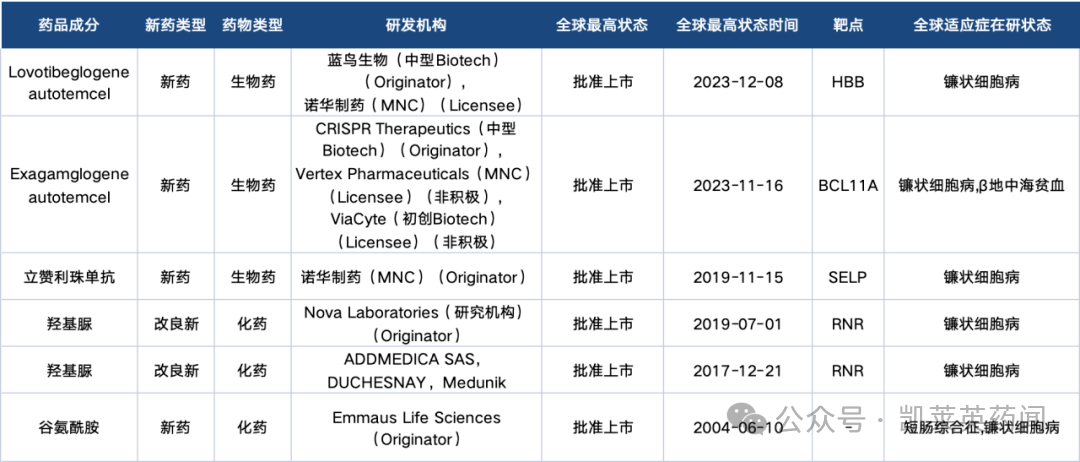
About Novo Nordisk's Layout in SCD
In September 2022, Novo Nordisk and Forma Therapeutics reached a definitive agreement to acquire Forma for $20 per share in cash, with a total equity value of $1.1 billion, to obtain etavopivat. Etavopivat is a selective pyruvate kinase-R (PKR) activator that reduces the content of anaerobic glycolysis product 2,3-DPG within red blood cells by activating the natural PKR inside them, enabling the cells to carry more oxygen, increase adenosine triphosphate (ATP) production, and reduce hemolysis and the formation of sickle cells. Data released at the 2024 ASH showed that, in the Phase 2 clinical trial,etavopivatReduced the incidence of vaso-occlusive crises (VOC) by nearly 50% in patients with sickle cell disease (SCD).
In April 2018, the company also reached a $400 million collaboration with EpiDestiny, obtaining global exclusive rights to the SCD project EPI01.EPI01 is an oral compound drug composed of a fixed dose of the DNA methyltransferase 1 inhibitor decitabine and the cytidine deaminase inhibitor tetrahydrouridine, with the potential to increase HbF levels.Phase I study confirmed that after 8 weeks of treatment, EPI01 increased the level of HbF in the blood of SCD patients, with good safety.
References
1. Official Websites of Various Companies
2. Drug Hunter Club


"Views"Click once