

Myval TAVR Valve: A Rising Challenger to Medtronic and Edwards Lifesciences

Medtronic
Medical Device Manufacturer
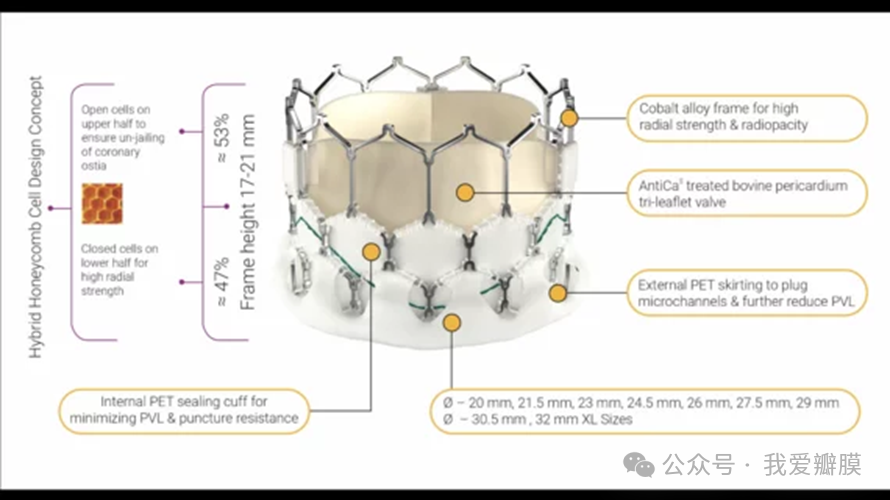
In the field of cardiovascular medical devices, a new technological competition is quietly unfolding. Myval TAVR valve, developed by Indian medical device company Meril Life Sciences, is challenging industry giants Medtronic and Edwards Lifesciences with its excellent early clinical results.
The Rise of a New Star
Meril Life Sciences, an Indian medical device company established in 2006, focuses on developing innovative cardiovascular solutions. On January 22, 2025, the company announced that its developed Myval TAVR valve achieved remarkable early results in a pivotal clinical trial. According to a new LANDMARK sub-analysis published in the journal *EuroIntervention*,Myval Transcatheter Heart Valve (THV) is Non-Inferior to Popular Transcatheter Aortic Valve Replacement (TAVR) Valves from Medtronic and Edwards Lifesciences in 30-Day Patient Outcomes.
Breakthroughs in Clinical Trials
The LANDMARK trial, funded by Meril Life Sciences, enrolled 768 low-risk patients who underwent transfemoral TAVR for severe aortic stenosis. These patients were randomly assigned to three different treatment groups: the Myval TAVR valve group, Medtronic's Evolut TAVR valve group, and Edwards Lifesciences' Sapien TAVR valve group.
Test Results
Primary Endpoint: All-cause mortality, stroke, major bleeding events, acute kidney injury, major vascular complications, moderate or severe prosthetic valve regurgitation, and conduction system disorders leading to new permanent pacemaker implantation (PPMI) after 30 days.
Myval Valve Group: 24.7%
Evolut Valve Group: 30%
Sapien Valve Group: 24.1%
Technical Success Rate:
Myval:96.3%
Evolut:94.7%
Sapien:98.9%
30-Day Device Success Rate:
Myval:91%
Evolut:92.6%
Sapien:86.7%
These data indicate that,The Myval valve is non-inferior to two contemporary TAVR platforms in terms of safety and effectiveness 30 days post-procedure. Moreover, the combined outcomes of the Myval valve group were even slightly better than those of the Evolut valve group, demonstrating its significant potential in clinical applications.
Technological Innovation and Advantages
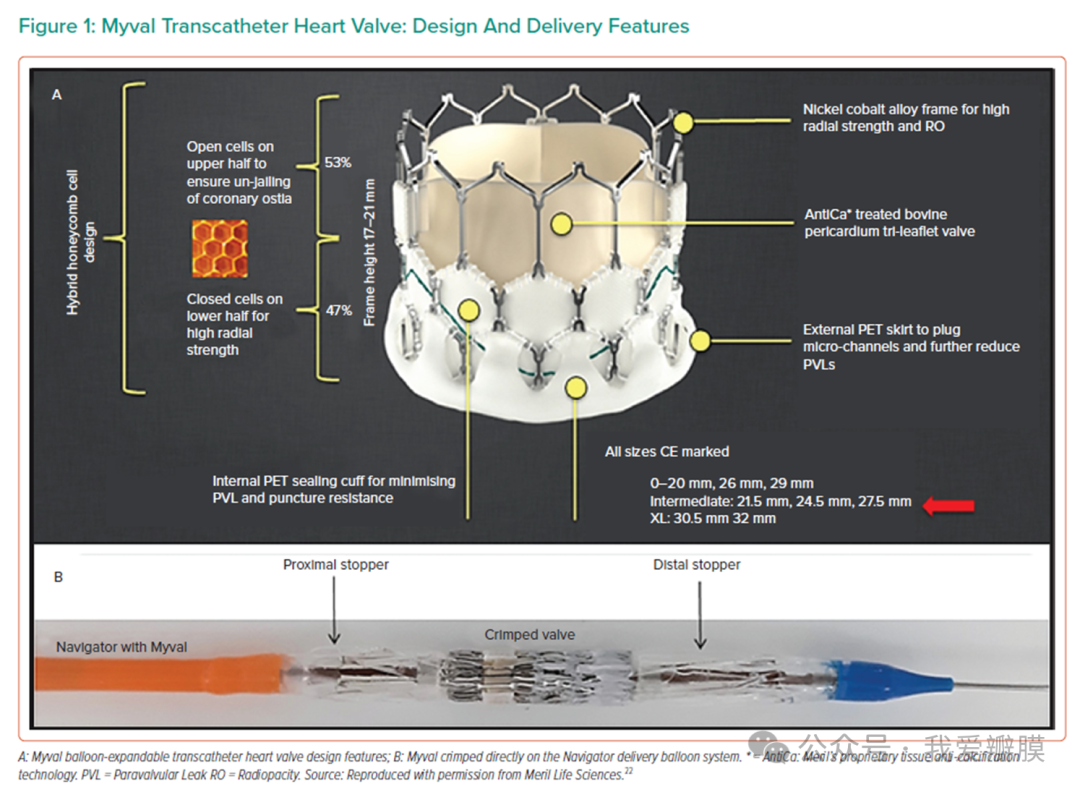
A notable feature of the Myval valve is its extensive range of nominal device sizes. Compared to traditional TAVR valves, Myval offers a more diverse selection of sizes, with diameters increasing in 1.5 mm increments, including intermediate nominal valve diameters. This design allows the Myval valve to more precisely match the individual patient's aortic annulus size, thereby reducing complications caused by device-anatomy mismatch, such as aortic annulus rupture, conduction disturbances, paravalvular leakage, malposition, or even valve displacement.
Evaluation of the Research Team
The first author, cardiologist Niels van Royen, MD, of Radboud University Medical Center in the Netherlands, and colleagues noted: "The analysis plan and statistical design enabled us to individually test the non-inferiority of the Myval THV series compared to the Sapien or Evolut THV series. Notably, this is also the first randomized comparison of two balloon-expandable valve technologies."
Future Outlook
Researchers plan to follow up with these patients for up to 10 years, and as more data becomes available, LANDMARK updates may be provided during this period. This innovative achievement by Meril Life Sciences not only brings a new option to the TAVR field but also offers new hope to cardiovascular disease patients worldwide.
References:
1. Niels van Royen, MD, PhD, Ignacio J. Amat-Santos, MD, PhD, Martin Hudec, MD, PhD, et al. Early outcomes of the novel Myval THV series compared to SAPIEN THV series and Evolut THV series in individuals with severe aortic stenosis. EuroIntervention. Jan. 20, 2025.
2. Andreas Baumbach, MD, Niels van Royen, PhD, Ignacio J Amat-Santos, PhD, et al. LANDMARK comparison of early outcomes of newer-generation Myval transcatheter heart valve series with contemporary valves (Sapien and Evolut) in real-world individuals with severe symptomatic native aortic stenosis: a randomised non-inferiority trial. Volume 403, Issue 10445p2695-2708. June 22, 2024.