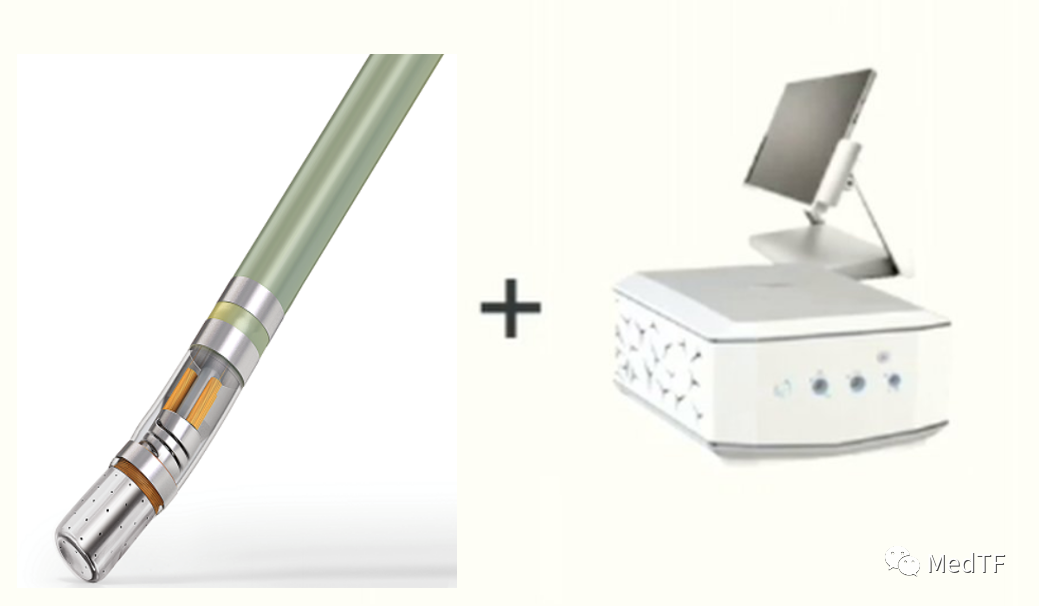
PFA is a non-thermal ablation technology that causes irreversible electroporation (IRE) of the cell membrane by selectively releasing high-voltage short-pulse energy. Compared with traditional thermal ablation, it hasExcellent tissue selectivity and high sensitivity to myocardium allow it to ablate abnormal myocardial tissue without damaging surrounding healthy tissues, such as nerves, blood vessels, and the esophagus, etc. With its extremely high safety, PFA has become the top choice for electrophysiological ablation technology today.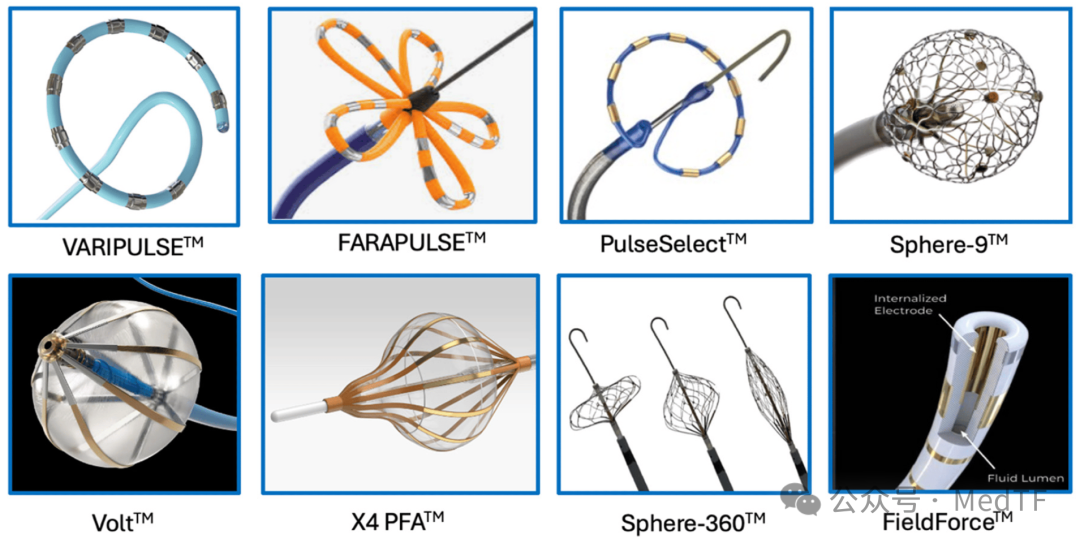 PFA has now become the hottest technology in the entire cardiovascular field (without exception), not only because of its ultra-high safety, but more importantly, the electrophysiological ablation (especially atrial fibrillation ablation) market has matured. Currently, both radiofrequency ablation and cryoablation are recommended ablation techniques in the guidelines (recognized by both doctors and patients as a treatment for arrhythmias), and they are already covered by medical insurance. ThereforePFA, with its ultra-high safety, can quickly replace traditional thermal ablation without the need for continuous education of doctors and patients like innovative technologies such as TAVR, and without seeking medical insurance coverage.
According to Citi's forecastIn 2025, PFA will account for 49% of the U.S. atrial fibrillation ablation market, 10% higher than this year's 39%.. Meanwhile, other institutions predict:From 2023 to 2028, the PFA market will grow at a compound annual growth rate of 80.7%, which is also an unprecedented growth rate in medical history.。
So huge andHigh-speed growthThe long market is the successor to drug-eluting stents (coronary) replacing bare metal stents.HistoricalAfter the transformationHistory of Medical Devices Once AgainHistoricalThe transformation. A large market with rapid growth has attracted nearly a hundred medical device companies to participate in this boom. The cardiovascular Big Four have all entered the field personally and made PFA their core business, which is the key driver of their business growth.
In order to win this battle in the history of medical devicesHistoricalThe transformation has led major medical device companies to invest heavily in research and development costs and resources. This is to seize the first-mover advantage and, secondly, to create a unique technical edge. Gaining the upper hand and technical superiority are key to winning this "battle."
Boston Scientific, Medtronic, Jinjiang Electronics, Denovo EP, and HT Tech have already gained the upper hand in this "battle." Latecomers will need to offer superior technology to seize market share from the early movers (after all, there are historical precedents where companies with first-mover advantage ultimately lost due to technical issues).Therefore, MedTF summarizes the publicly available PFA products with technical routes.
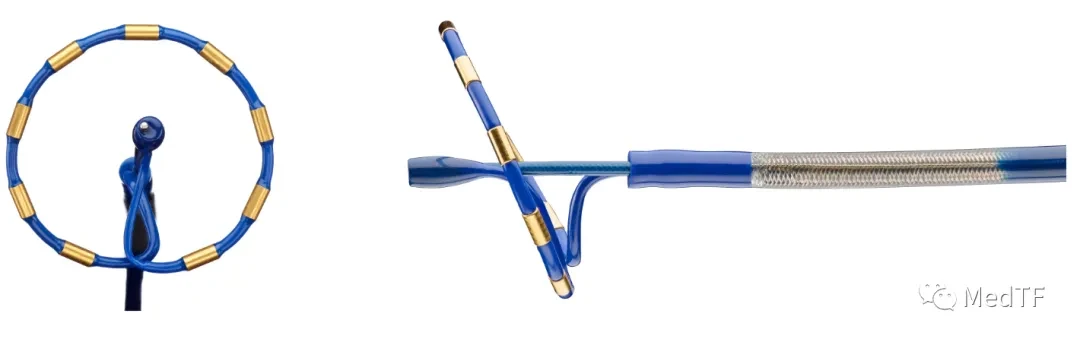
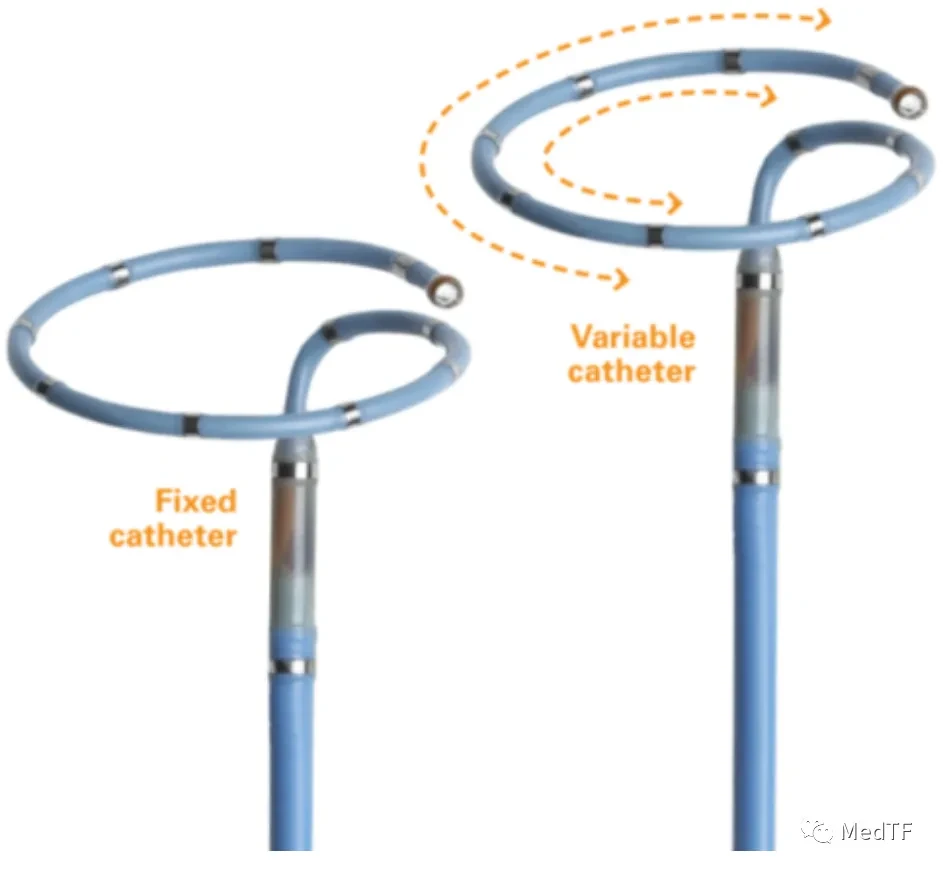
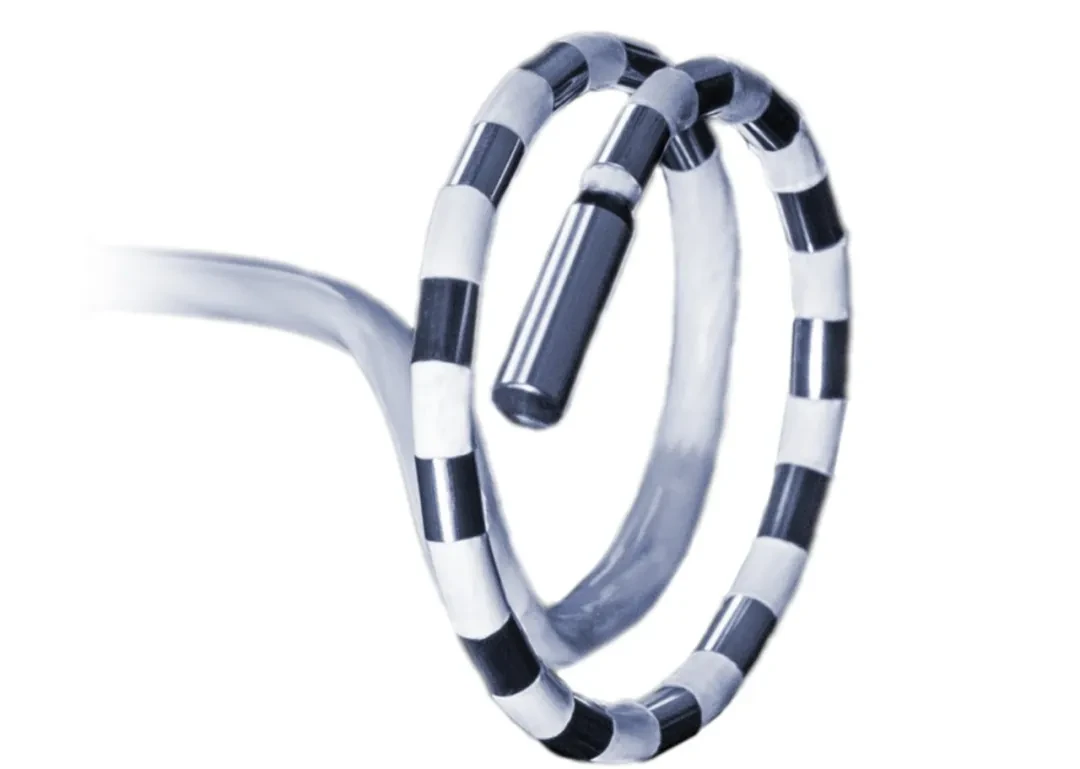
The most common type of PFA catheter design is the circular PFA catheter design. In this aspect, MedtronicMedtronic's PulseSelect is undoubtedly one of themBenchmark.PulseSelect has been approved for marketing by multiple regulatory authorities, including the FDA, CE, and NMPA. It will be one of the most important products in Medtronic's PFA portfolio in the coming years and marks the starting point for Medtronic’s pursuit to become the leading company in the electrophysiology field.Apart from PulseSelect, other circular PFA catheters are similar.Johnson's VARIPULSE adopts the design of a circular pulmonary vein mapping catheter. This type of catheter design is undoubtedly the most mature, representing the highest level of technical maturity (80% of companies adopt this design). Representative product: Johnson.VARIPULSE、Jinjiang ElectronicsPulsed FA, etc.
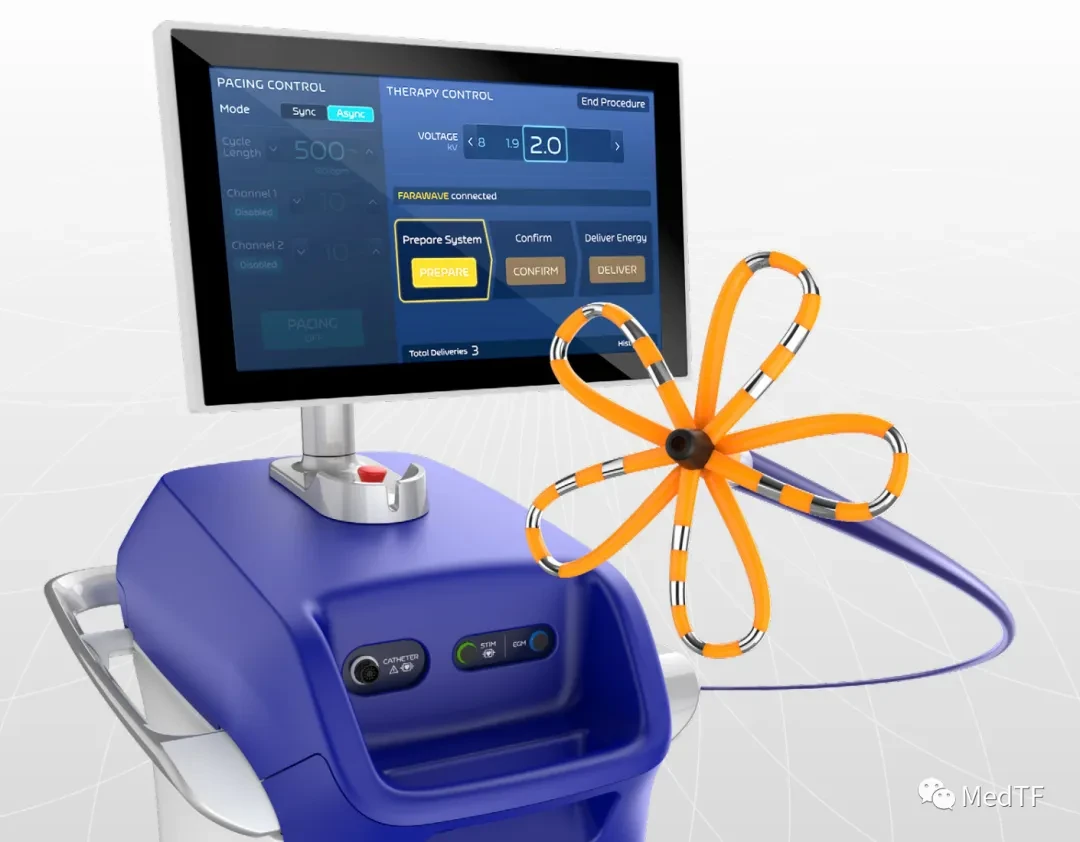
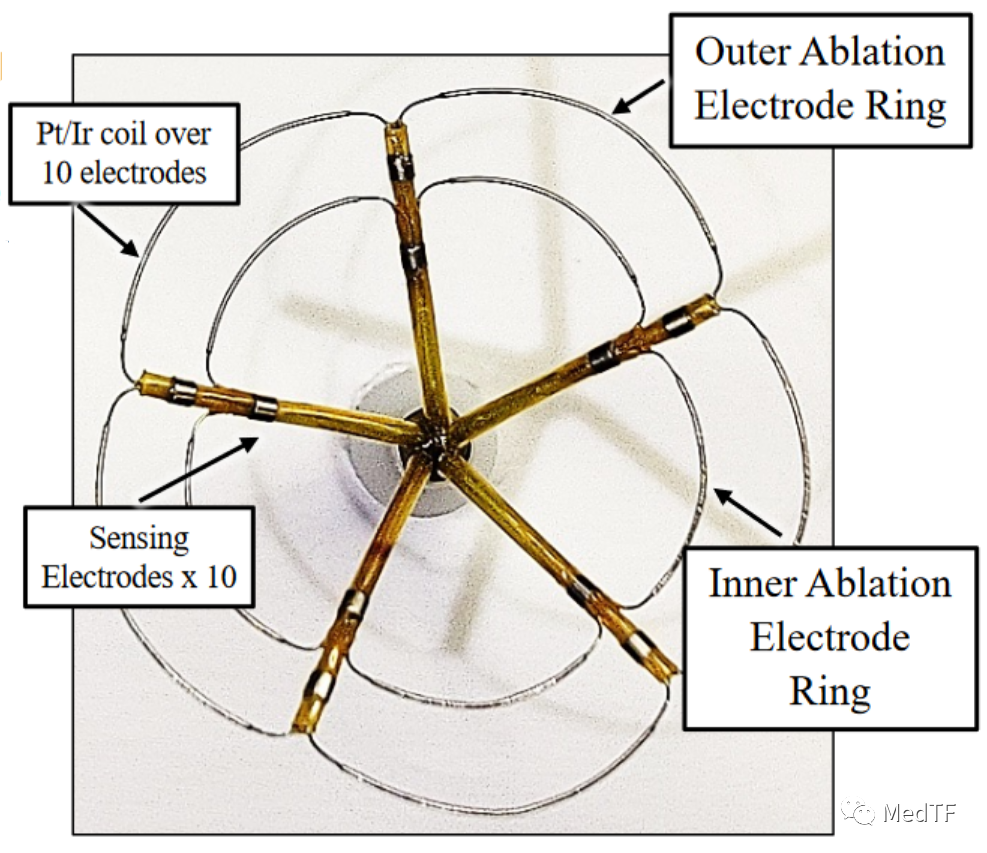
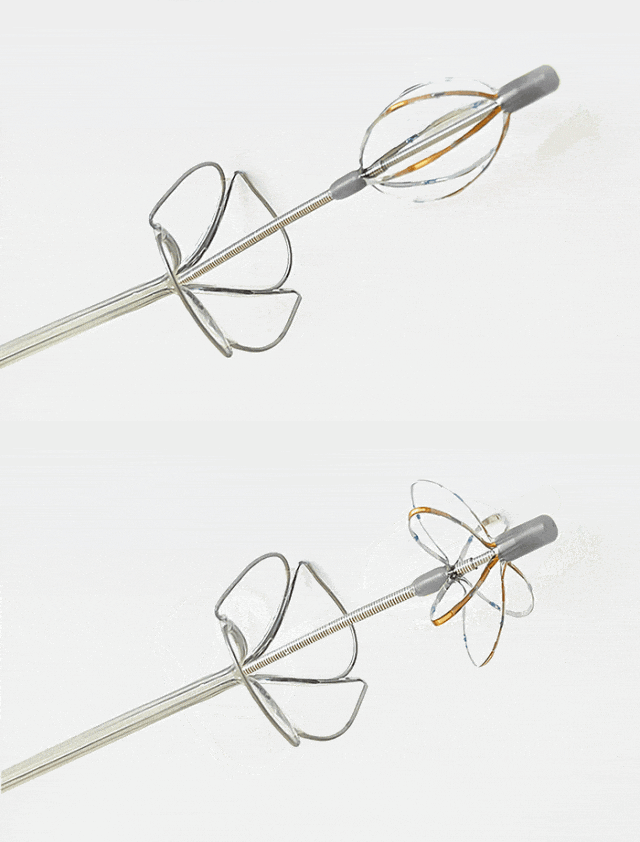
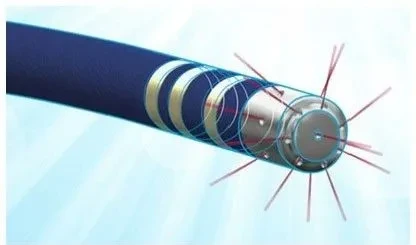
The most representative product in the petal-shaped PFA catheter design is undoubtedly Boston Scientific's.FARAPULSE。FARAPULSE is the world's first approved PFA product, the foundation for Boston Scientific to compete for the "top spot in electrophysiology," and currently the PFA product with the largest clinical usage (already exceeding 200,000 patients treated).FARAPULSE Therapy)。FARAPULSE for AllPetalThe shaped PFA catheter design lays the foundation, but due to intellectual property issues, most PFA innovation companies in Europe and America do not adopt it.Petal-shaped design, except for Pulse Biosciences and ElectroPhysiology Frontiers. The petal-shaped PFA catheter design is mainly concentrated in China, such as Denovo EP's CardioPulse, Beixing's LotosPFA, etc.Pulse Biosciences has innovatively broken through the FARAPULSE design principles. Pulse Biosciences' PDA catheter—Nanosecond PFA 360°—adopts another similar petal-shaped design.Nanosecond PFA 360° is already undergoing clinical research, with preliminary clinical results showing promise.ElectroPhysiology Frontiers also breaks through the FARAPULSE design principle, with its key feature being the distal design of an expandable anchor and four circular electrodes (CLA), addressing issues such as poor conformity with the pulmonary vein antrum and catheter movement during ablation.
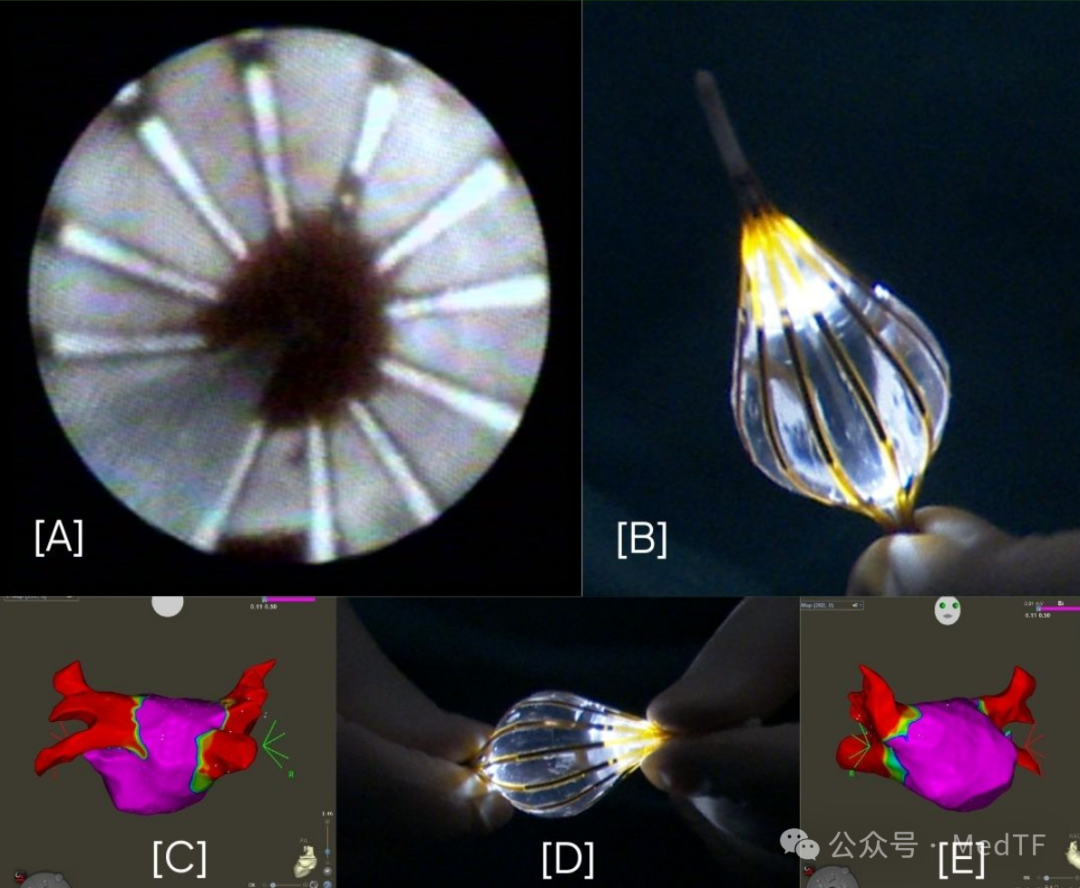
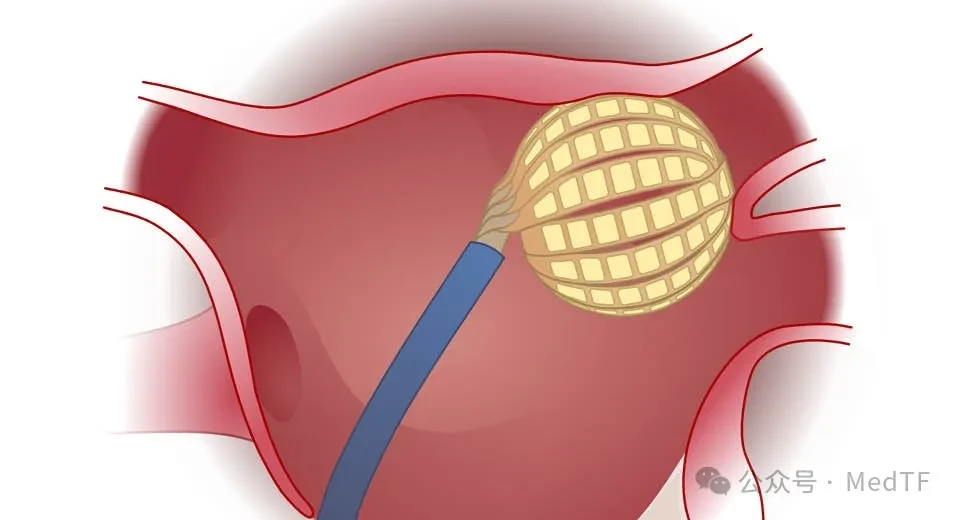
Spherical PFA catheter design can be divided into two types.ClassType, one is balloon-shaped, the otherSpherical。In this field, domestic companies perform no less than foreign ones, and even better than overseas.Foreign giants. Like Xinhanglu Medical DevelopmentBalloon-shaped PFA Catheter---PFBalloon, itsMultiple flexible printed electrodes are set on the outer surface of the inflatable balloon, which can form longitudinal or axial cross-vector electric fields along the catheter. It is currently undergoing clinical research in China.
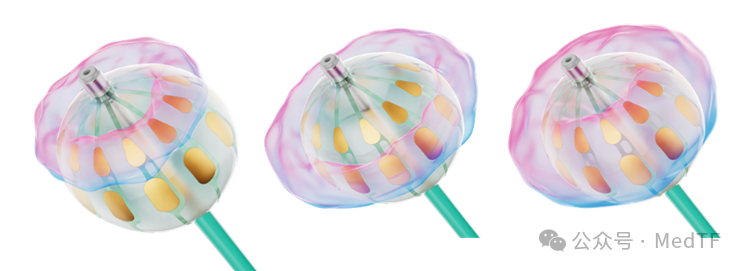
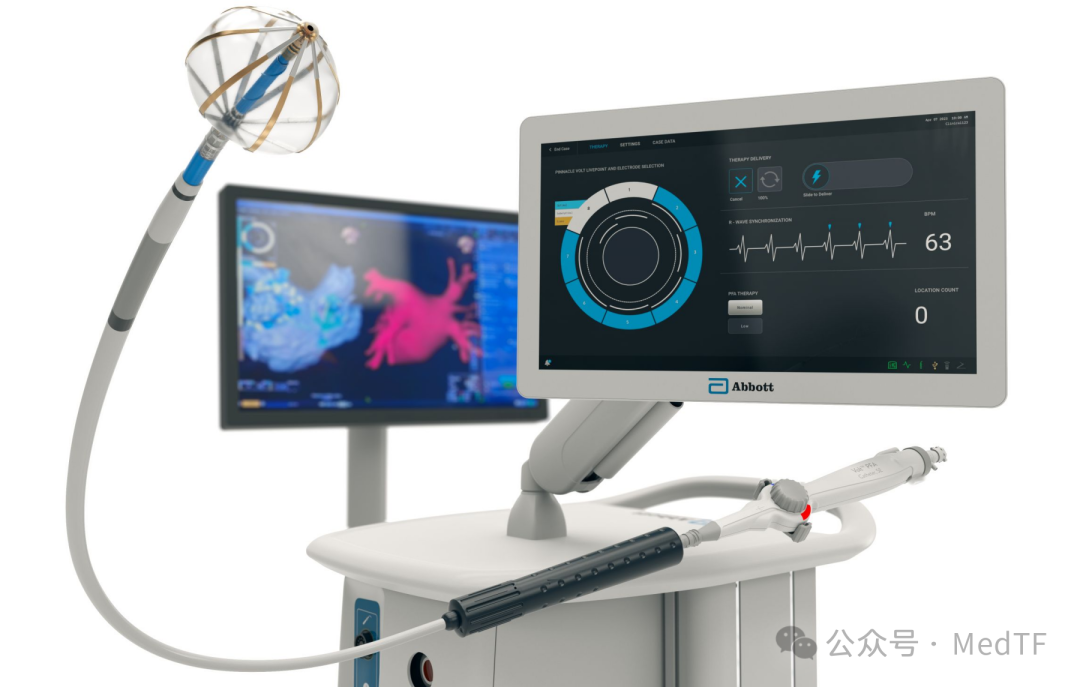
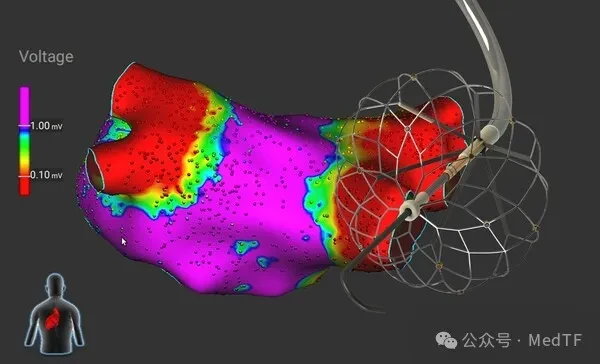
In addition to PFBalloon, Abbott's Volt PFA and CardioFocus's OptiShot are typical balloon-shaped PFA products. Abbott'sVOlt PFA is expected to become the world's first marketedBalloon-shaped PFA product.CardioFocus's OptiShot is a continuation of its HeartLight laser ablation product.OptiShot andThe difference between HeartLight lies in the different ablation energies: one uses electrical pulses, while the other uses lasers. In other aspects, both are compliant balloons and feature a unique endoscopic function.This field is represented by Medtronic's Sphere-360 and Kardium's Globe PFA, both of which are multifunctional products capable of both ablation and mapping. CurrentlySphere-360 andGlobe PFA is advancing side by side, and it is still uncertain who will be the first to enter the market.KardiumReleased at the end of last yearGlobe PFA Clinical Research Data Demonstrates Excellent Clinical Outcomes.100%TheAcutePulmonary Vein (PV)Isolation;
One Year Post-Operation84.2%Patients with Paroxysmal Atrial FibrillationNo recurrence of atrial arrhythmia,80%Patients with Persistent Atrial FibrillationNo recurrence of atrial arrhythmia。
No device- or procedure-related major adverse events (defined as death, phrenic nerve paralysis, cardiac tamponade, pulmonary vein stenosis, or esophageal complications)
Comparison of Clinical DataMedtronic's PulseSelect, Boston Scientific's FARAPULSE, and Johnson & Johnson's VARIPULSE have published superior research data.Kardium Completed Last Year with Excellent Clinical Results$104 million in financing.Sphere-360 is Medtronic's highly anticipated PFA product, which is expected to replace Medtronic's first-generation PFA product. Medtronic also announced the Sphere-360 study in the middle of last year.Data:
- One year after surgery, 81.8% of patients did not experience arrhythmia, and in the subgroup receiving optimized and latest pulse configuration treatment, 100% of patients were free from arrhythmia.
- The Sphere-360 catheter has demonstrated excellent safety, with a zero incidence of major adverse safety events, including esophageal events, pulmonary vein stenosis, and phrenic nerve injury.Injury or cardiac tamponade.
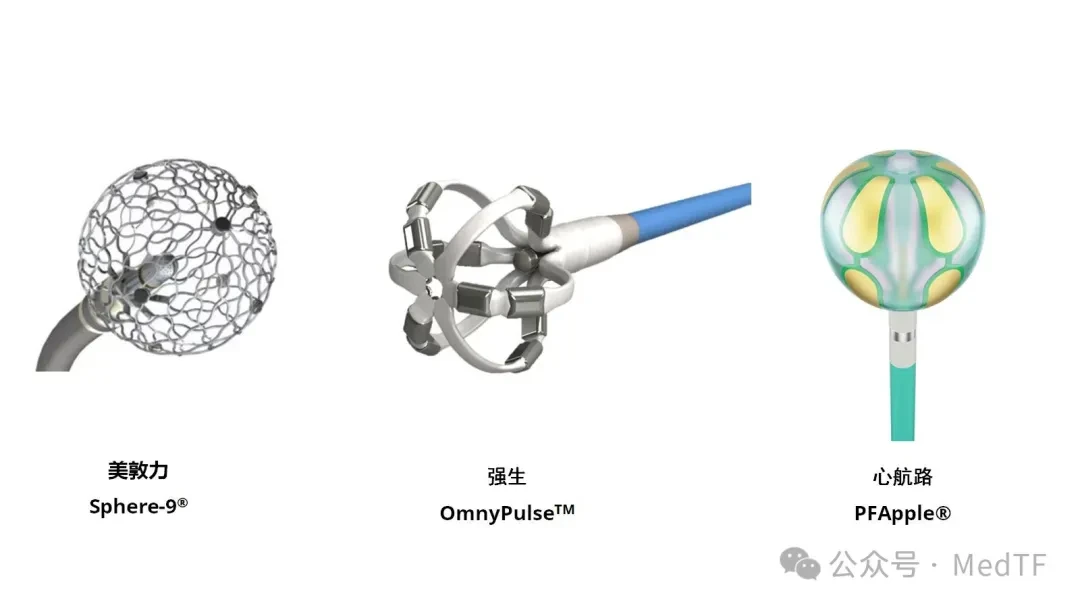
【04】Large Focal PFA Ablation CatheterCurrently, the global layout of large-area PFA ablation catheters has been made public.EnterpriseMainly by three companies, namely Medtronic, Johnson & Johnson, and Heart Navigator.
Medtronic, Johnson & Johnson andThe three products of HeartVoyage Road each have their own characteristics.Among them, Medtronic's Sphere-9 has already received FDA approval.Approved, and Citi predicts that Sphere-9 will capture the largest share of the U.S. PFA market. Sphere-9 is an ablation catheter that integrates mapping, pulsed field, and radiofrequency technologies. This product is Medtronic's most powerful tool for unifying the electrophysiology market (together with Affera).
Omnypulse is Johnson & Johnson PFA Future Hope, Also the Largest in Johnson & Johnson's Future PFA Field.Omnypulse integrates all of Johnson & Johnson's current cutting-edge technologies. For exampleTactile feedback, enhanced mapping capabilities (TRUEref).Strong mapping capabilities (TRUEref), previously Johnson & Johnson inMapping catheters OPTRELL and OCTARAY haveRelevant application,TRUEref allows the catheterWith higher precision and detailed mapping capabilities, and improved signal quality.Omnypulse can be integrated with Johnson & Johnson's electrophysiology platform.CARTO 3 is used in conjunction with ICE.
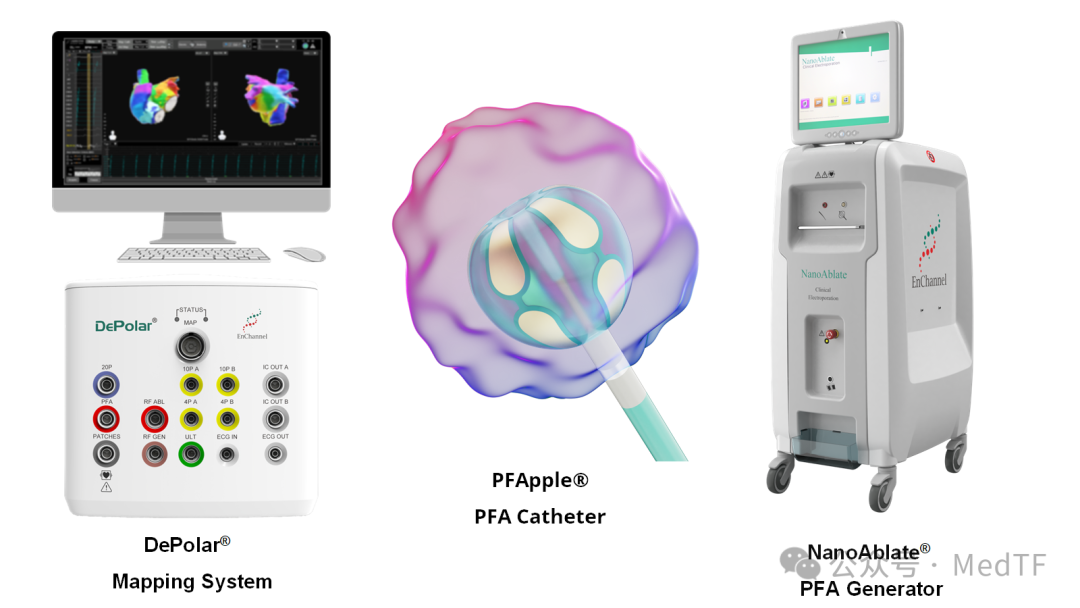
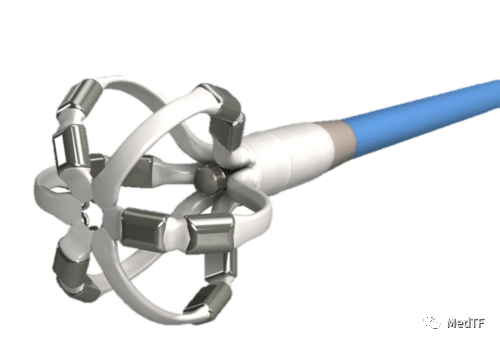 The PFApple by Xin Hang Lu is a large focal balloon-shaped magnetic and electric dual-positioning device.PFA Ablation Catheter, which adopts HeartRoute's proprietary flexible circuit and balloon fixation technology, is the world's first balloon-shaped large focal PFA ablation catheter. Can be used withHeart Navigation Road's OwnThe cardiac mapping system DePolar is currently used in clinical settings.
Today, the requirements for ablation catheters are getting higher and higher. If they only have the ability to deliver electrical pulses or possess only ablation functionality, they can no longer meet the future demands of electrophysiological ablation.For this reason, mainstream electrophysiology companies have diversified the functions of their ablation catheters. For example, they can deliver multiple ablation capabilities or possess both ablation and mapping functions, and even other functionalities.In terms of multi-energy: MedtronicMedtronic and Johnson & Johnson are at the forefront, with their products already approved for marketing by the FDA or CE. Medtronic's Sphere-9 and Johnson & Johnson's dual-energy THERMOCOOL SMARTTOUCH SF both integrate radiofrequency ablation and electropulse ablation functions.In addition to integrationIn addition to radiofrequency energy, Adagio Medical willThe integration of cryoablation into PFA ablation catheters has led to the development of the innovative PFCA ablation catheter. The dual-energy PFCA ablation catheter offers advantages that other PFA catheters do not, such as avoiding bubbles, creating good tissue contact, transmural lesions in fat tissue, and preventing musculoskeletal contraction.
Multifunctionality is also a future development trend for PFA ablation catheters, with the main direction being the integration of mapping functions. In this aspect, Medtronic and Boston Scientific are leading the way, as both have products that have received FDA approval for market release. Other companies, such as Johnson & Johnson,Companies like Kardium are still in clinical research.
In addition to mapping, some electrophysiology companies have also introduced other functions.Yes. For example, MedLumics has introduced Optical Coherence Reflectometry (OCR) technology into PFA, enabling real-time, direct visual confirmation of catheter contact and contact stability, while predicting lesion durability during tissue ablation, reducing recurrence rates, lowering procedural technical complexity, and enhancing procedural safety.
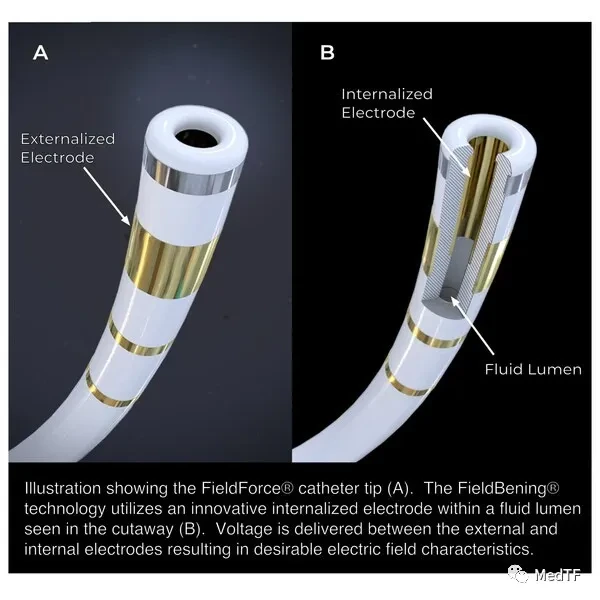
【06】Ventricular TachycardiaIn addition to atrial fibrillation, electrophysiological treatment also includesAtrial Tachycardia (Non-AF),Ventricular TachycardiaTachycardia, etc. Among themVentricular TachycardiaSo far, there is no very good treatment technology for tachycardia compared to atrial fibrillation. Therefore, the urgency is higher compared to atrial fibrillation.In this field, there are multiple enterprises making strategic moves, among which the representative companies are Medtronic and Field Medical. Medtronic mainly relies onThe Sphere-9 product is currently in clinical use.Field Medical was founded by Steven Mickelsen, the founder of PFA.Established, completed the first clinical application in May last year, and was granted "Breakthrough Device" by the FDA in December of the same year.Title.
【07】Energy Platform
The PFA energy platform demonstrates various technical routes based on electric field intensity, pulse width, pulse waveform classification, and monopolar/bipolar ablation differences. Among these,Pulse width can be divided into two major categories: nanoseconds and microseconds.SubtleRepresentatives include Boston Scientific, Medtronic, etc., which are currently the mainstream of PFA technology. As for nanosecond, internationally it is mainly...Pulse Biosciences is a representative example, while in China, there are many participants, such as Maiwei, Maiwei Medical, Jianhu Medical, Beixin Medical, and more.Whether nanoseconds are really superior to microseconds needs to be verified by clinical data. After all, how about the clinical research data from Boston Scientific and Medtronic?Nanoseconds are safe and effective, andMicroMiao is relatively lacking in large-scale clinical data.
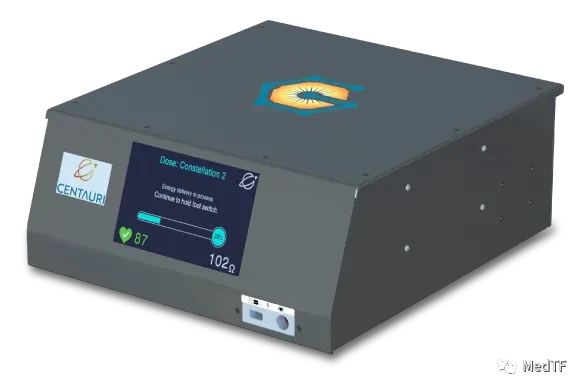
InMonopolar/BipolarAblationIn terms of the mainstream companies, bipolar is still the main focus, while there are relatively fewer participants in monopolar. Monopolar is mainly...CardioFocThe CENTAURI PEF by US is a notable example. This product is also the world's second approved PFA energy platform, but unfortunately, its commercial progress has been relatively slow due to the lack of ablation catheters.InIn terms of biphasic versus monophasic, the mainstream represented by Medtronic and Boston Scientific currently adopts biphasic. Compared with biphasic energy delivery, monophasic energy delivery produces a greater electroporation effect, but at the cost of skeletal muscle, diaphragm response, and pain.