

TAVR Valve Technology Breakthrough: Paravalvular Leak No Longer a 'Fatal Flaw'? Latest Study Reveals Promising Outcomes

Medtronic
Medical Device Manufacturer
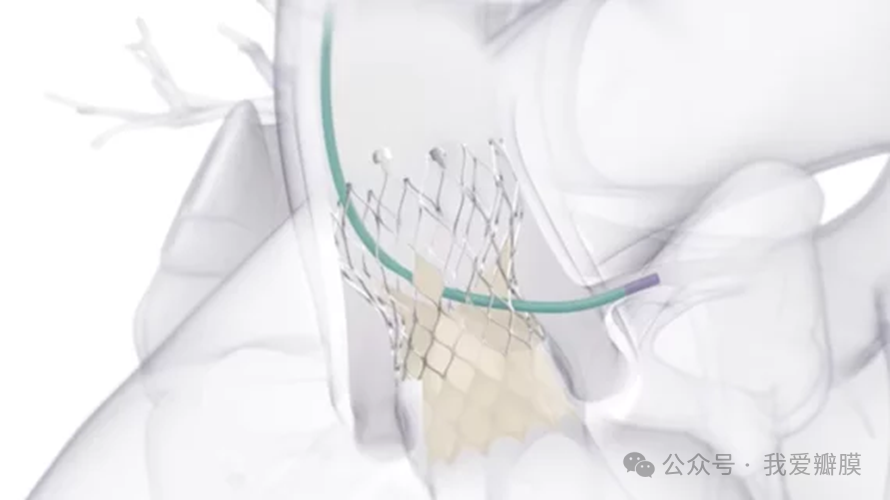 In recent years, transcatheter aortic valve replacement (TAVR) has become an important method for treating aortic stenosis (AS), especially for patients with higher surgical risks. However, **paravalvular leak (PVL)** has been one of the concerning complications after TAVR. Previous studies have shown that PVL is closely related to adverse outcomes, but with the continuous improvement of TAVR valve technology, has this situation changed?
The latest research published in the "Journal of Clinical Medicine" provides an inspiring answer:Modern TAVR valves significantly reduce the impact of PVL, and even in cases of moderate to severe PVL, patients' long-term outcomes are not significantly affected.。This study not only provides new evidence for the safety of TAVR but also brings hope to more patients.
What is PVL? Why is it so important?
Paravalvular Leak (PVL)It refers to the phenomenon of blood regurgitation that occurs between the artificial valve and the patient's native annulus after TAVR. Previous studies have shown that PVL (especially moderate and severe PVL) is closely related to adverse patient outcomes, includingIncreased Heart Failure, Readmission Rates, and Mortality。
For example, early research indicated that,Moderate or severe PVL can increase the mortality rate of patients after TAVR surgery by 2-3 times.(Kodali et al., 2012). However, with the improvement of TAVR valve design, the incidence of PVL and its impact on patients are changing.
Improvements in Modern TAVR Valves: PVL Is No Longer a "Fatal Flaw"
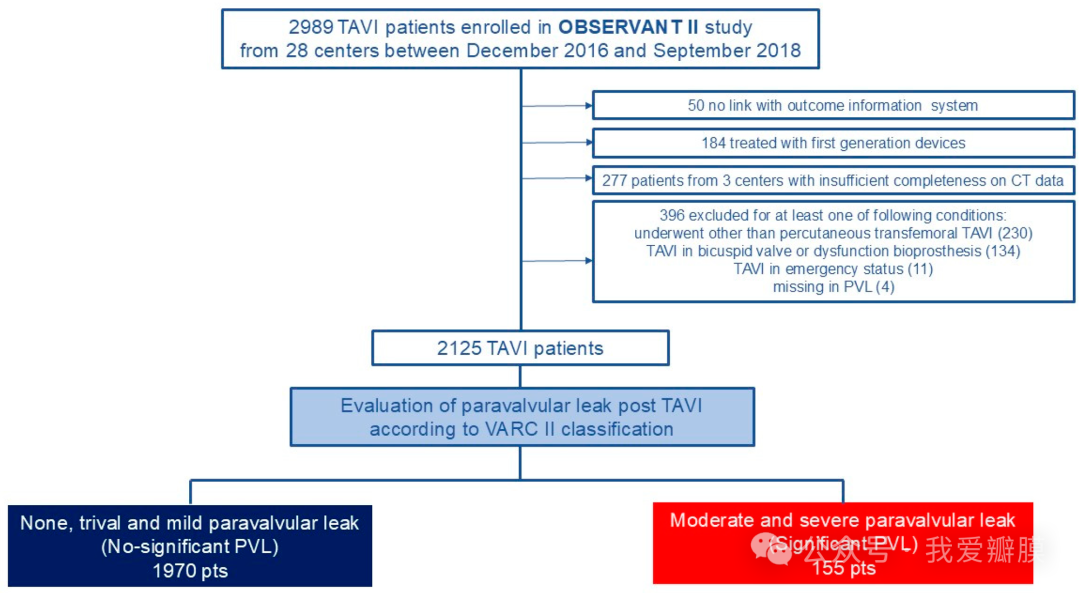
This latest study analyzed data from 2,125 severe AS patients across 25 institutions in Italy, all of whom underwent transfemoral TAVR treatment usingModern TAVR valves from **Medtronic (Evolut R and Evolut Pro), Edwards Lifesciences (Sapien 3 Ultra), or Boston Scientific (Acurate and Lotus)**。
The research results show:
Only 7% of patients developed moderate and severe PVL., whereinThe proportion of severe PVL is only 0.3%.。
UseSelf-expanding valveOf the patients, 28.5% experienced significant PVL, while usingBalloon-Expandable ValveIn patients, this proportion is only 8.4%.
Post-valvuloplasty dilationMore common in patients with significant PVL, whileValve DisplacementIt is also an important factor of PVL.
These data indicate that,Modern TAVR valve design improvements have significantly reduced the incidence of PVL., especially the balloon-expandable valve, which shows outstanding performance in reducing PVL.
The Impact of PVL on Long-term Prognosis: A Surprising Discovery
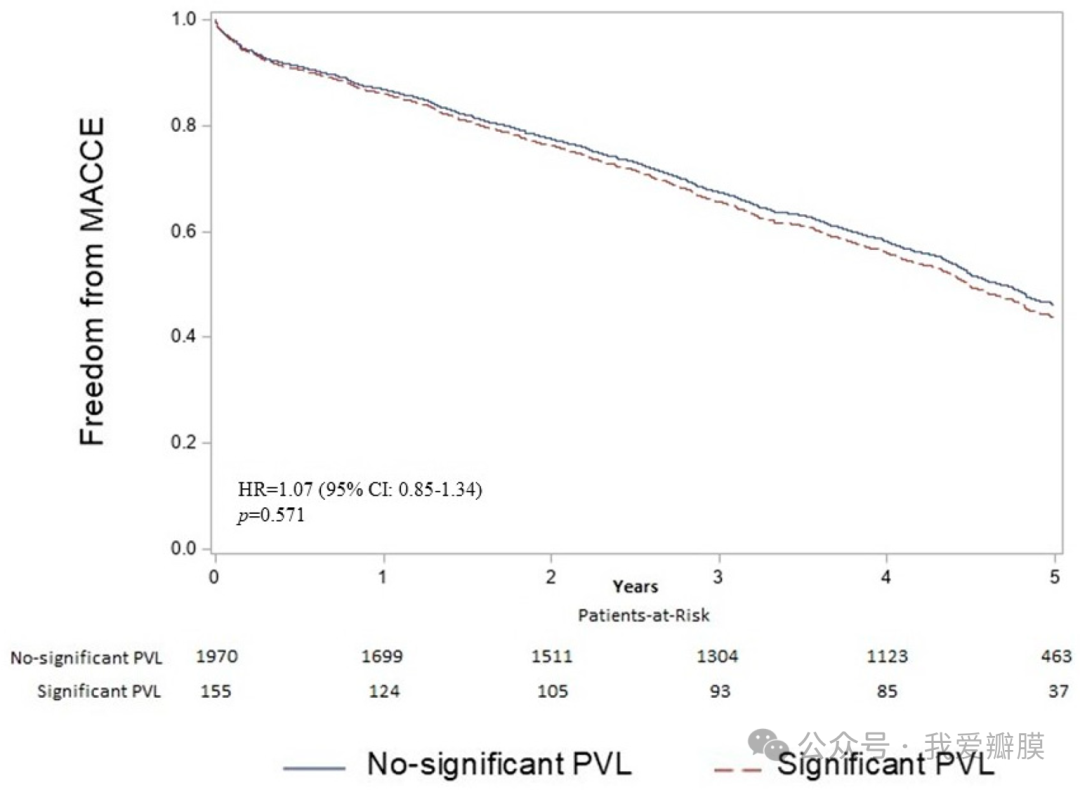
The research team conducted an average follow-up of 3.7 years for the patients, and the results showed:
Moderate and severe PVL did not significantly increase the risk of major adverse cardiovascular and cerebrovascular events (MACCE) five years later.。
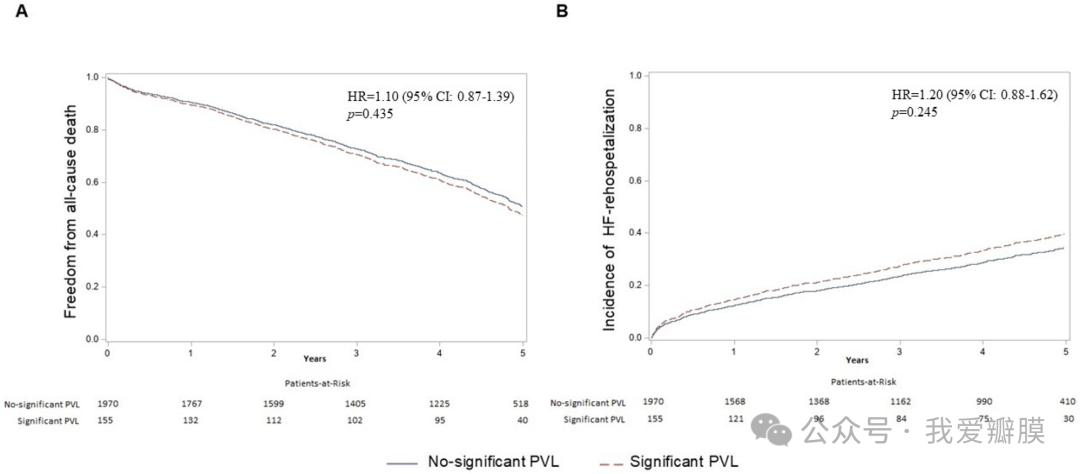
PVL had no significant impact on the five-year mortality rate and the risk of hospitalization for heart failure.。
This discovery contrasts sharply with previous research. For example, earlier studies showed,Moderate or Severe PVL Is Significantly Associated with Mortality in Patients After TAVR(Genereux et al., 2012). However, with the advancement of valve technology, the clinical impact of PVL is gradually diminishing.
Technical Optimization: The Key to Reducing PVL
Although modern TAVR valves have significantly improved the incidence and impact of PVL, the research team emphasized,Technical optimization remains key to reducing PVLThe following are some important technical strategies:
Preoperative Computed Tomography (CT): Help accurately measure the annulus size and select the appropriate artificial valve.
Accurate valve positioning and deployment: Ensure the perfect fit between the artificial valve and the patient's own valve ring.
Post-dilation: Use balloon post-dilation on the artificial valve when necessary to reduce PVL.
The study authors noted: "The high utilization rate of post-dilation in patients with significant PVL underscores the importance of procedural optimization.." In addition,Advanced Imaging Technologies and Precise Surgical StrategiesAlso played an important role in reducing PVL.
The Future of TAVR: Indication Expansion and Long-term Outcomes
With the continuous advancement of TAVR technology, its indications are expanding fromHigh-risk patientsExtended toLow-risk and young patients. This means,The long-term outcomes of TAVR will become increasingly important.。
This study provides strong support for the application of TAVR in a broader patient population, indicatingModern TAVR valves not only reduce the incidence of PVL but also significantly diminish its impact on patients' long-term outcomes.In the future, with further technological advancements, TAVR is expected to become the preferred treatment option for more patients.
Advances in TAVR technology are transforming the landscape of heart disease treatment. Improvements in modern TAVR valves, particularly the effective control of PVL, are bringing hope to more patients. However,Technical optimization and personalized treatment remain key to ensuring the best treatment outcomes.。
If you or your family are considering TAVR treatment, be sure to discuss in detail with your doctor to understand the latest technologies and treatment options.
References:
Cristina Aurigemma, Carlo Trani, Paola D'Errigo, et al. Long-Term Clinical Impact of Paravalvular Leak Following Transcatheter Aortic Valve Implantation. J Clin Med. 2025 Jan 18;14(2):605.