Medtronic Advances Next-Generation Renal Denervation Therapy with Gemini Project

Medtronic
Chronic Disease Medical Device and Therapy Developer


Medical Device Media Reporting Pioneer
Share Professional Medical Device Knowledge
Medtronic, plc., a global leader in medical devices, recently announced,New Progress Made in the Development of Its Next-Generation Renal Denervation (RDN) Catheter and Procedure.The project, named Gemini, aims to upgrade the company's Symplicity Spyral system and procedure, which received U.S. Food and Drug Administration (FDA) approval in 2023 for the treatment of hypertension.
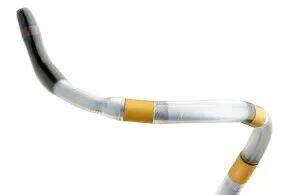
According to Jason Fontana, Vice President of Medtronic and General Manager of RDN, the Gemini program combines renal denervation with hepatic artery denervation to further enhance blood pressure reduction. Preclinical studies have shown that performing both procedures simultaneously can have a greater impact on blood pressure. Fontana told Medical Design & Outsourcing: "We perform renal denervation in the renal artery and then hepatic artery denervation in the hepatic artery, aiming for better therapeutic outcomes."
Medtronic CEO and Chairman Jeff Martha highly praised renal denervation, calling it "possibly the most important thing we've ever done." As a result, next-generation catheters and procedural projects are named after terms from the space race, with the Gemini project representing the next-generation approach to performing both hepatic and renal denervation simultaneously.
Fontana revealed,Medtronic has fully developed the next-generation catheter that can be accessed through the wrist, while the current generation catheter is accessed through the femoral artery. The new generation catheter is expected to be launched in the market in about 18 months.He said, "We are leveraging our background in coronary artery technology to continue bringing patients simpler and easier surgeries, as well as faster recovery. We are advancing our manufacturing efforts and continuing to work with the FDA, and things are proceeding smoothly at present."

The current Spyral catheter uses nitinol to self-expand within the patient's renal artery and then ablates the nerves on the vessel wall with radiofrequency (RF) energy. Fontana pointed out that, given the similar diameters of the renal and hepatic arteries, the catheter is already small enough for the next generation of procedures. Additionally, after appropriately adjusting the RF energy delivery algorithm, the current RF generator should also be suitable for the new procedure.
In addition to the Gemini project, Medtronic is also conducting in-depth research on the current system and procedure through its global Symplicity registry study. The study involves a three-year postoperative follow-up of approximately 2,000 patients outside the United States to evaluate the long-term efficacy and safety of the procedure.
In addition, Medtronic is following up with Symplicity patients through the Affirm trial, which includes a broad population and targets underserved groups such as Black patients, Latin American patients, and elderly patients. Fontana stated, "We are not only reinforcing our safety and efficacy profiles, but we are also gaining insights into these subgroups and how we can continue to benefit them in terms of lowering blood pressure. This work is ongoing."
These studies will help address the concerns raised in 2023 by the medical and statistical analysis experts of the FDA Medical Device Advisory Committee's Circulatory System Devices Panel. At that time, they believed that the risks of Symplicity Spyral might outweigh its benefits. Medtronic stated that it will continue to work with regulatory authorities to ensure the safety and efficacy of the next-generation catheter and procedure are fully validated.
More exciting content
Welcome to follow WeChat Video Channel


800 Units, GE Healthcare Announces Major Collaboration
Intuitive Surgical, Rejected
Imaging Giant Announces Latest Acquisition
Medical Giant Goes Bankrupt, 12,600 People Face Unemployment
First Approved, Sun Piaoyang Enters ECMO
Radiation Therapy Giant: Major Personnel Appointment
30 Billion USD Medical Device Giant Acquired
Neusoft Medical: Leading the Digital and Intelligent Transformation
Just now, "Father of Ultrasound" listed on the ChiNext Board
Medtronic: Appointment of New CFO

BusinessBusiness cooperation email: qxzj@landianyiliao.com