

Novartis' Next-Generation Radiopharmaceutical [225Ac]Ac-PSMA-617 Receives IND Approval in China for Prostate Cancer Treatment

Novartis
Drug Development and Manufacturing
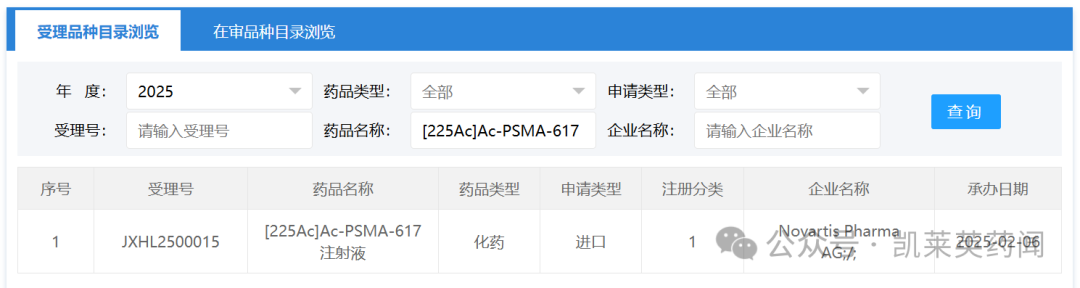
Today, according to the official website of the Center for Drug Evaluation (CDE) of the National Medical Products Administration (NMPA) of China,Novartis' clinical trial application for [225Ac]Ac-PSMA-617 injection has been accepted..[225Ac]Ac-PSMA-617 (AAA817) is aPSMA-Targeted Radiopharmaceutical Conjugates (RDC), is being developed for the treatment of prostate cancer.
About AAA817
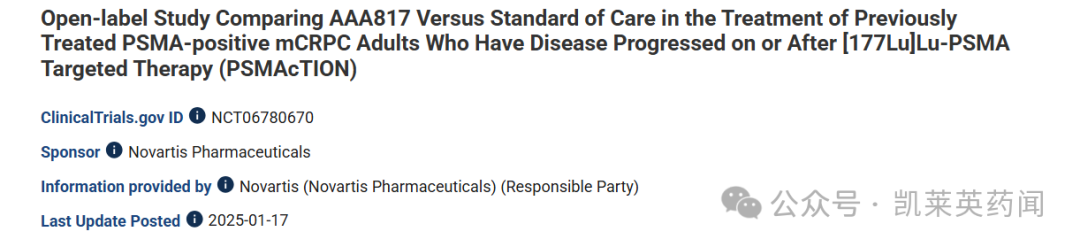
AAA817 is one of the fastest-progressing radiopharmaceuticals currently under development by Novartis. The Phase 2/3 clinical trial registered on the ClinicalTrials website shows that the drug is being explored for its efficacy in PSMA-positive metastatic castration-resistant prostate cancer (mCRPC) patients who have progressed during or after treatment with 177Lu-PSMA, despite having received androgen receptor inhibitors and taxane-based therapies. The trial is expected to enroll 432 patients.
About RDC
RDC is a drug form designed and developed by conjugating precise targeting molecules (monoclonal antibodies or peptides/small molecules, Ligand) with potent cytotoxic agents (radioisotopes, Radioisotope) through a linker (Linker) and chelator (Chelator); thanks to its unique mechanism of action, RDC can achieve high-precision diagnosis and offers advantages such as low likelihood of drug resistance during the treatment process. It is considered one of the most promising development directions in the field of targeted radionuclide therapy.
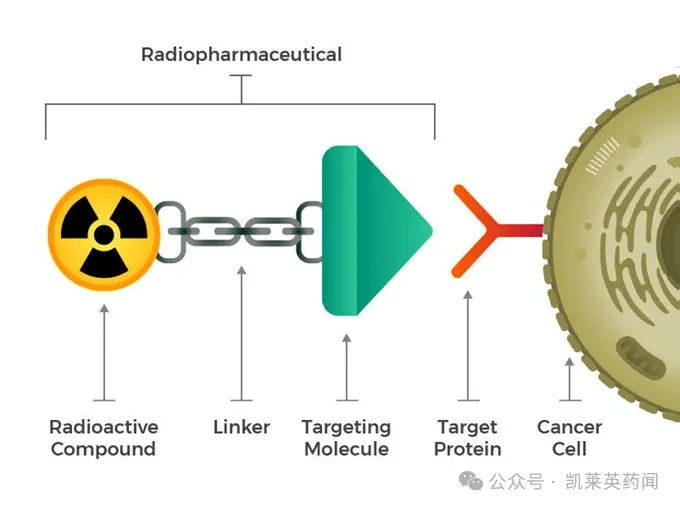
The structure of RDC is similar to ADC drugs. According to Jianyi Biotechnology's official WeChat account, the mechanism of RDC involves using antibodies or small molecules to mediate specific targeting, delivering cytotoxic or imaging molecules such as radionuclides to the target site. This concentrates the radiation generated by the radioisotopes on the local tissue, achieving efficient and precise treatment while reducing damage to other tissues caused by systemic exposure. The energy from the radioactive rays produced by the radionuclide can damage chromosomes, halting cell growth and thereby destroying rapidly dividing and growing cancer cells.
Comparison of ADC and RDC
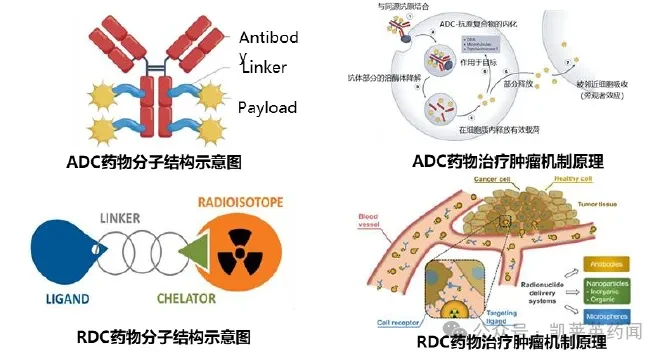
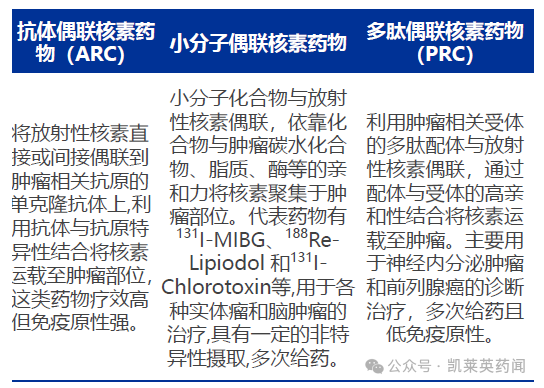
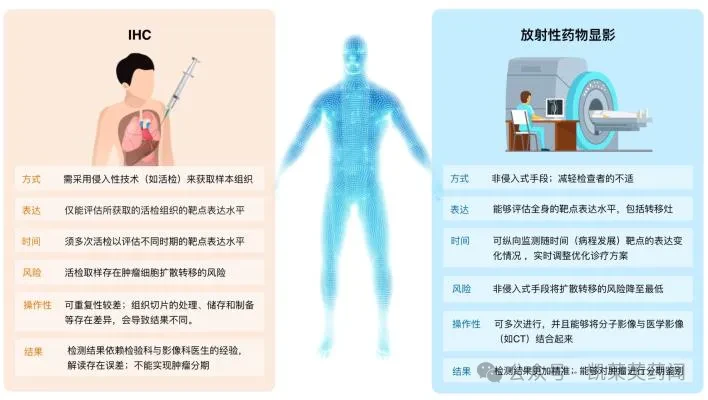
RDC has the advantage of integrating diagnosis and treatment, achieving a win-win situation in disease diagnosis and treatment. At the diagnostic level, by linking diagnostic radionuclides into the human body and using molecular imaging to monitor the location where the diagnostic agent binds to its target, it means visualizing the tumor site that requires treatment. At the therapeutic level, when the same drug structure is loaded with therapeutic radionuclides, the corresponding therapeutic radiopharmaceutical will still bind to the aforementioned tumor target of the diagnostic agent, thereby exerting a therapeutic effect. Specific advantages include:
In terms of mechanism:Nuclear medicine relies on direct radionuclide internal irradiation, which can reduce the chance of tumor cells developing radioresistance.
Targeted Ligand:In addition to large-molecule monoclonal antibodies, they can also be smaller molecules or peptides, which more easily allow RDC to penetrate deep into the tumor through diffusion and are less likely to induce drug resistance.
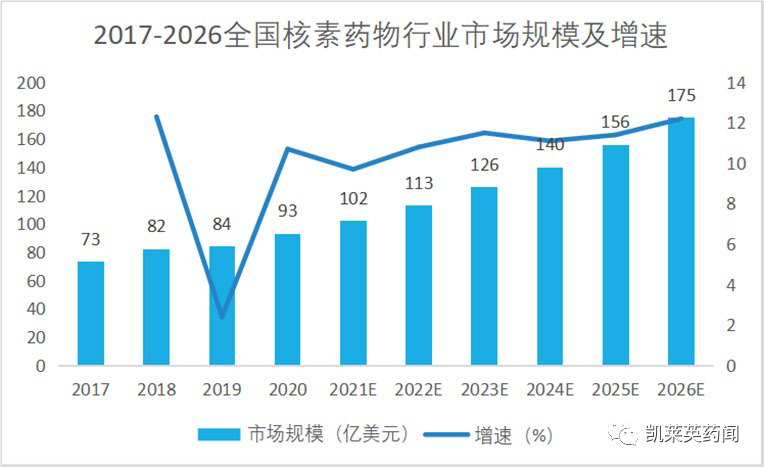
According to BBC Research data, the global nuclear medicine market size was approximately USD 9.3 billion in 2020. Although diagnostic nuclear medicines currently dominate, with the continuous optimization of the approval process for therapeutic nuclear medicines, the ongoing expansion of clinical applications, and the successive approvals and market launches of therapeutic nuclear medicines, the global nuclear medicine market is expected to have a compound annual growth rate (CAGR) of 11.6% from 2022 to 2026, reaching a market size of USD 17.5 billion by 2026. Among these, the representative drugs from Novartis...Lutathera and Pluvicto have shown strong market performance since their launch, with sales reaching $724 million and $1.392 billion, respectively, in 2024.。
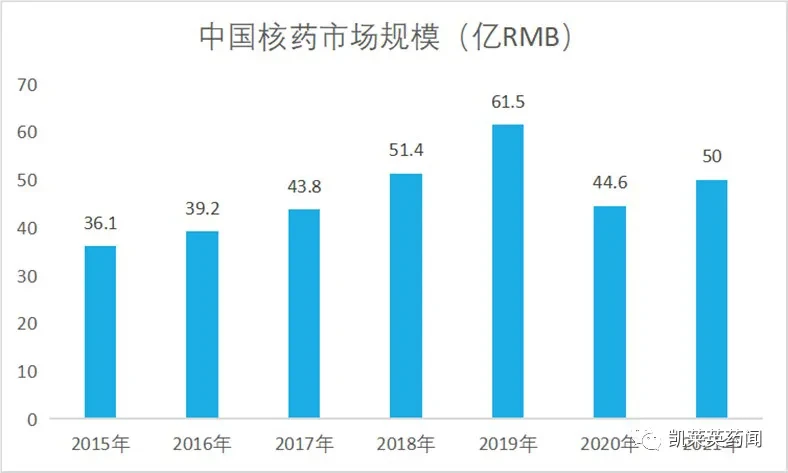
According to Peptide Research Institute data, the scale of China's nuclear medicine market reached 6.15 billion yuan in 2019, increasing by 70% compared to 2015. The market size declined somewhat in 2020 and 2021 due to the impact of the pandemic. However, given China's large population base and the fact that the penetration rate of nuclear medicine diagnosis and treatment in China is much lower than in mature markets such as the United States, with the rapid growth of clinical demand, China's nuclear medicine market is expected to maintain rapid growth in the future.
About Prostate Cancer
Prostate cancer refers to the appearance of abnormal cells in the prostate. These abnormal cells may continuously proliferate and spread beyond the prostate. Cancer confined to the prostate is called localized prostate cancer. If it spreads to other parts of the body/organs/lymph nodes/bones, it is referred to as advanced or metastatic prostate cancer. Most prostate cancers grow very slowly, and approximately 95% of men can survive for at least five years after diagnosis.
In 2022, the number of new cases of prostate cancer in China reached 134,200, with 47,500 deaths. The ratio of early to late-stage prostate cancer diagnoses in China is relatively imbalanced. According to the Guidelines for Prostate Cancer Screening and Early Diagnosis and Treatment in China, most initial diagnoses of prostate cancer in China are clinically advanced cases, while only 30% are clinically localized cases, leading to a generally poor prognosis for Chinese prostate cancer patients. During the period from 2013 to 2015, the age-standardized five-year survival rate for prostate cancer in China increased from 53.8% to 66.4% (as a reference, in the United States, the five-year survival rate for men diagnosed with early-stage prostate cancer exceeds 99%).
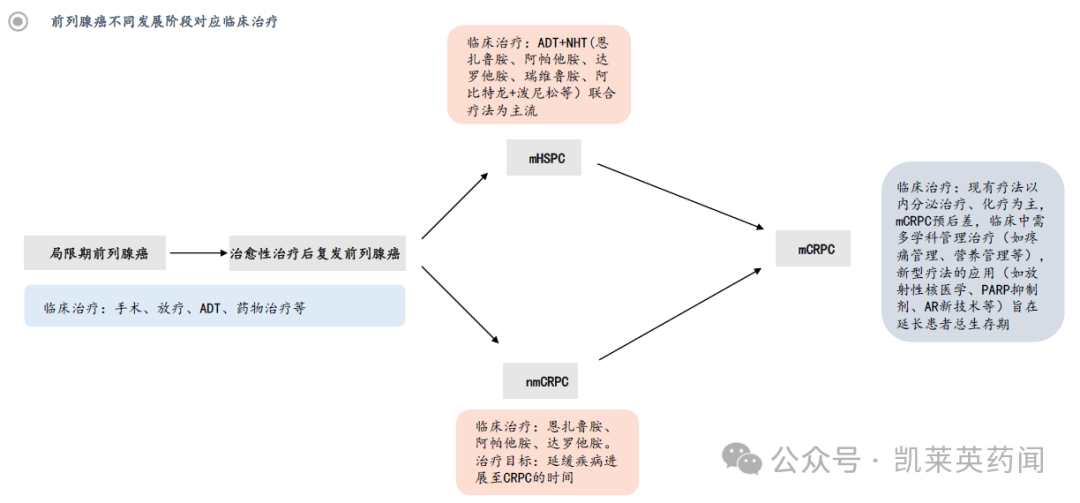
In the progression of advanced prostate cancer, different stages can be identified based on clinical status and biological characteristics, such as metastatic hormone-sensitive prostate cancer (mHSPC), non-metastatic castration-resistant prostate cancer (nmCRPC), and metastatic castration-resistant prostate cancer (mCRPC). For patient groups at different stages, there are certain differences in clinical treatment methods and goals.
Currently, hormone therapy for prostate cancer is the standard first-line treatment for advanced prostate cancer, including androgen deprivation therapy (ADT), androgen synthesis inhibition (such as abiraterone acetate), or novel hormonal therapy (NHT).
About Novartis' Layout in Nuclear Medicine
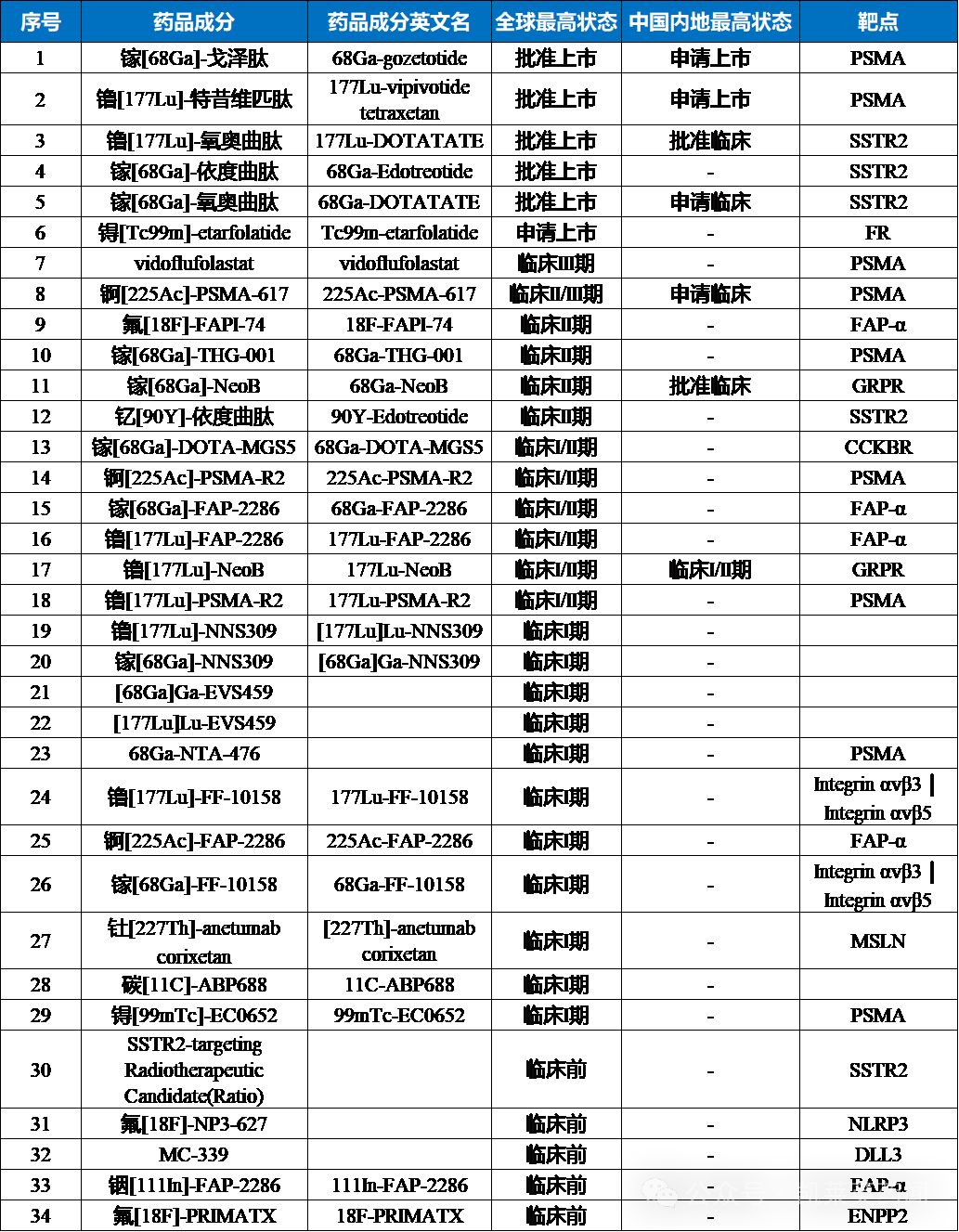
According to incomplete statistics, currentlyNovartis has laid out around thirty radiopharmaceuticals.。




"Views"Click once