Safety Concerns and Recalls Shake Confidence in Plaque Atherectomy Systems: Medtronic and BD Under FDA Scrutiny

Medtronic
Medical Device Manufacturer

Heart Future
On January 21, 2022, the FDA issued a notice confirming MedtronicRecall of HawkOne Directional Resection System is Class I, which is the most severe recall level. Due to the design similarities with the HawkOne device, Medtronic also conducted a review of itsTurboHawkPlus Directional Plaque Excision System Conducts Similar RecallOn March 9, 2022, the FDA issued a notice announcing the recall of Medtronic's TurboHawk Plus Directional Atherectomy System. This recall is also classified as a Class I recall.
HawkOne Directional Atherectomy System
The HawkOne system, consisting of a catheter and a cutting driver, is suitable for plaque removal in peripheral vascular systems, expanding the vascular lumen and improving blood flow.The main advantages are no foreign body retention in the body and repeatability.HawkOne features blades suitable for all types of calcified plaques and two different lengths of tapered collection catheter models. When used with the protective device, the vascular sheath compatibility of this device is 6-7F.
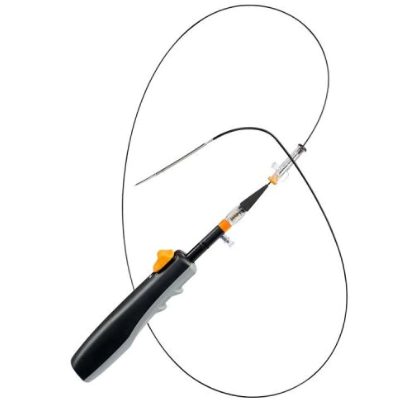
Reason for Recall:There is a risk of downward movement or prolapse of the guidewire within the catheter during force application, which may lead to catheter tip fracture or separation, causing serious adverse events., such as tears along the inner wall of an artery (arterial dissection), rupture or breakage of an artery (arterial rupture), reduced blood flow to a part of the body due to arterial blockage (ischemia) and/or vascular complications, may require surgical repair and additional procedures to capture and remove detached tissue and distal embolisms.
Recall Level: Class I Recall (Most Serious)。
Affected Scope: These systems subject to this recall were marketed between January 22, 2018, and October 4, 2021. MedtronicReceived 163 complaints and 55 injury reports related to this issue, with no reports of related deaths.。
No product retrieval or disposal related to this recall is required. The purpose of this recall is to reinforce the existing warnings and precautions in the HawkOne Instructions for Use (IFU) regarding the risk of tip damage associated with wire prolapse. Furthermore, no action is required for patients treated with the HawkOne 6 Fr or any Medtronic directional atherectomy devices. Physicians should continue to monitor patients according to their institution’s standard care protocols.
TurboHawk Plus Directional Atherectomy System
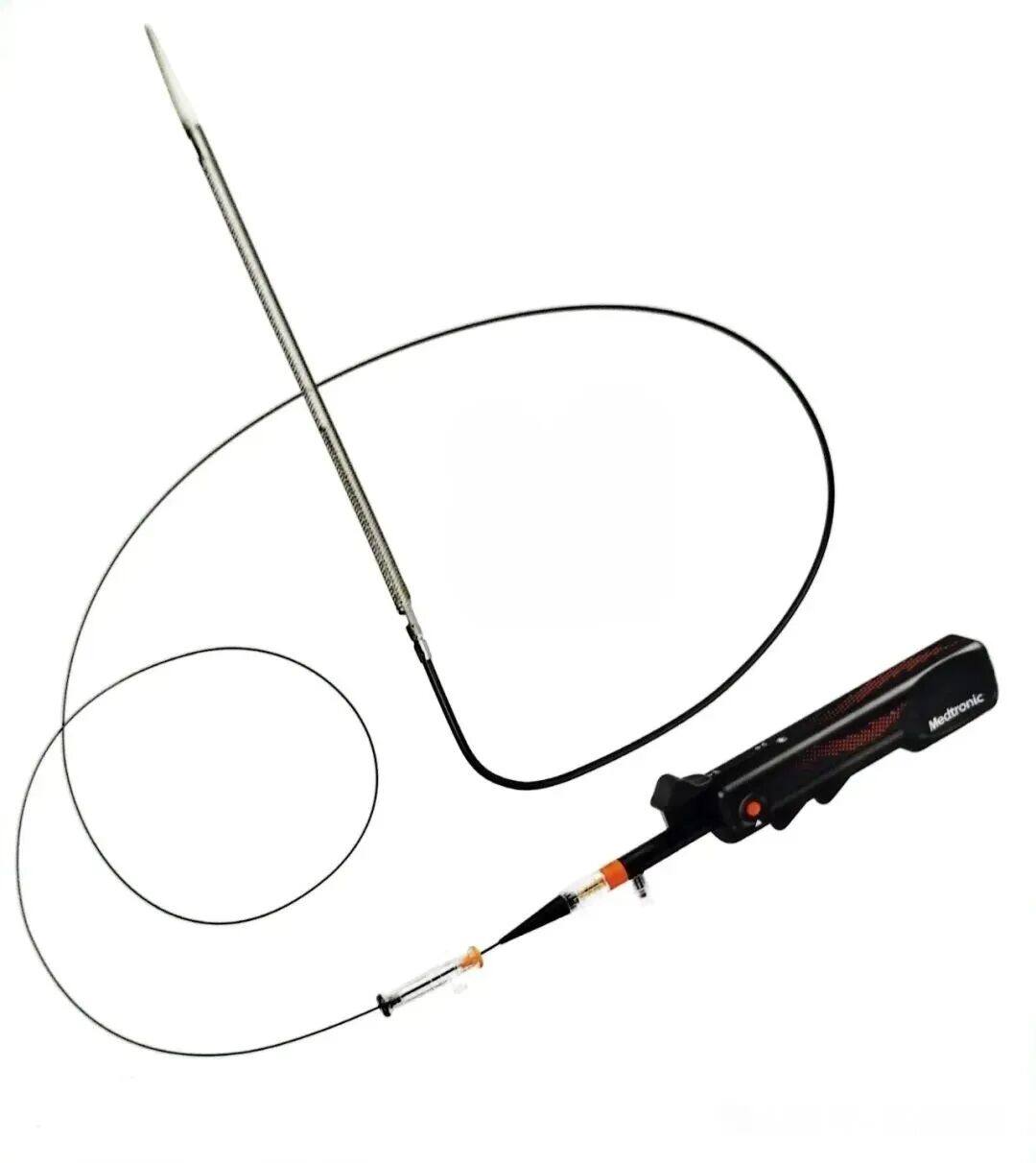
Reason for Recall:Because it shares design similarities with the HawkOne Directional Atherectomy System.,There is a risk of downward movement or prolapse of the guidewire within the catheter when force is applied during use.If this occurs, the catheter tip may break or separate, potentially leading to serious adverse events, including tearing along the inner arterial wall (arterial dissection), arterial rupture or perforation (arterial rupture), reduced blood flow due to arterial blockage (ischemia), and/or vascular complications. These issues may necessitate surgical repair and additional procedures to capture and remove the separated and/or migrated (embolized) tip.
Recall Level: Class I Recall (Most Serious).
Affected Scope: As of February 2022, there have been no reports of casualties related to this issue.
On February 10, 2025, the U.S. FDAEarly Alert Issued for BD Medical's Subsidiary Bard Peripheral Vascular's Rotarex Atherectomy SystemThis is part of the "Enhanced Communication Pilot for Medical Device Recall Plans" initiative.
Rotarex was originally a product of Bard, which was acquired by BD for $24 billion in 2017. Subsequently, Rotarex became an important component and star product of BD's peripheral intervention portfolio.Currently, the FDA is stillReview RotarexPotential issues, Rotarex problems have not yet been classified as a recall.。But it is still unclear whether Rotarex will need a large-scale recall in the future, and it requiresWait for the final FDA assessment.
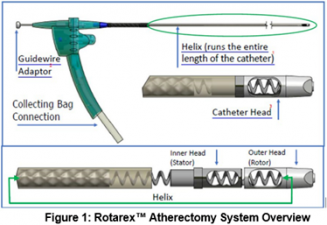
Device NameRotarex Plaque Excision System Main Function: Mainly used for arterial thrombectomy, the high-speed rotating grinding chamber at the tip grinds intraluminal emboli, causing the emboli to detach and enter the thrombectomy catheter. The catheter works along the guidewire without contacting the vessel wall, avoiding stimulation and injury. During the grinding process, the system generates negative pressure, suctioning the fragmented emboli into the catheter and expelling them from the body. Potential Issues:RThe helical portion of the otarex atherectomy system may fracture or break when exposed to certain stresses, wear, high temperatures, friction, or localized pressure during high-speed rotation, potentially leading to vascular injury, severe bleeding, or even death in patients.。 Scope of Impact:Thirty serious injuries, four deaths, and 115 cases requiring additional intraoperative intervention have been reported.。
BD has Updated instructions for use (eIFU) have been released, and additional online training for clinicians is available on the BD website, with a specific warning to users not to use the device in calcified vascular segments, at vascular bifurcations, or in areas with a curvature of less than 4 centimeters.
Although the FDA has not yet classified this issue as a formal recall, it has issued an "early alert." On one hand, the FDA may still be conducting an in-depth investigation into the problem, requiring more time to collect and analyze data to determine the root cause and scope of impact; on the other hand, the "early alert" allows clinicians and patients to promptly understand the potential risks of the device, enabling them to take preventive measures.
# The Future of Plaque Removal Devices
The incidence of peripheral artery disease continues to rise.It is estimated that there are 45.3 million patients with peripheral artery disease in China, and the disease burden it causes continues to increase.Specifically, patients with peripheral artery disease often suffer from insufficient blood supply to the upper and lower limbs (commonly seen in the lower limbs) and exhibit a variety of lesion types, such as diffuse vascular lesions, severe stenosis, or even complete occlusion.
With the development of clinical technology,The use of dedicated devices for intravascular plaque removal (percutaneous arterial plaque atherectomy) is gradually being applied in clinical practice., used to treat arterial stenosis or blockage caused by atherosclerotic plaques in the lower extremity arteries. This technology utilizes a special rotational cutting catheter to extract plaque from the blood vessels, achieving the purpose of reopening occluded vessels and leaving the lower extremity arteries stent-free. It is particularly suitable for patients with restenosis within stents, thereby leaving room for subsequent treatment options.
Nowadays, intraluminal plaque excision mainly includesDirectional, Rotational, Orbital, Laser, and CTO Recanalization DevicesCurrently, there is no head-to-head clinical research data. In actual clinical use, each option has its own advantages and disadvantages. It is recommended to choose a more suitable treatment method based on different patient conditions.
At present,SilverHawk,TurboHawk,HawkOne、Rotarex、Jetstream These five products have received FDA approval for use in peripheral artery disease.The first three devices collect the excised plaque in a collection chamber, which needs to be emptied before reuse. All three require the placement of a protection umbrella at the distal end during use to prevent embolism.
Hawk as a Directional Atherectomy System, the advantage isCan control the cutting direction, thoroughly removing heavily calcified plaque.Each rotational cutting removes a large volume of plaque, with high efficiency.But the problem with this device is:On the one hand, it cannot be used for fresh thrombotic lesions;On the other hand, when removing plaque, plaque detachment may occur, causing distal embolism.
Jetstream as a Rotational Atherectomy System,Capable of performing plaque removal in all directions with higher efficiency; andExcise while aspirating to minimize the possibility of embolism;And it can achieve the purpose of removing both fresh thrombus and atherosclerotic plaques.But the problem with this device is:Although it is designed to aspirate the fragmented plaques,However, in actual practice, some tiny debris may lead to the occurrence of distal embolic events, so the problem of distal embolization cannot be completely avoided.
Clinically, there is also the Pantheris OCT-guided endovascular atherectomy device.Optical Coherence Tomography (OCT) Technology Can Enhance the Efficacy and Safety of Directional Atherectomy, selectively removing eccentric plaques while minimizing the risk of damage to non-diseased vascular walls; its juxtaposed balloon can adjust the OCT-guided rotational cutting depth. Direct visualization of the arterial lumen reduces radiation exposure, but its use is not recommended for iliac, renal, or carotid artery lesions.


Limited postoperative effect:Although plaque removal can significantly eliminate plaques within arteries, the sole application of this technique cannot markedly improve long-term postoperative patency rates. Additionally, for the prevention and control of distal embolization, reliance on distal filter protection is still necessary, which increases the complexity and time cost of the surgery. Surgical Operation Restrictions: To achieve effective plaque removal, larger diameter sheaths are often required, which not only increases surgical trauma but may also lead to prolonged operation time. Moreover, the clinical evidence for subintimal catheter-based atherectomy remains insufficient, and there are some relative contraindications. The Necessity of Combination Therapy: Currently, a hybrid treatment strategy combining drug-coated balloons is considered necessary to compensate for the shortcomings of standalone plaque removal. This combination therapy has improved technical success rates to some extent, but it still does not fundamentally address the issue of postoperative vascular restenosis.
Minimize the Risk of Distal Embolization: By improving techniques and optimizing surgical procedures, the incidence of distal embolization can be reduced, thereby decreasing reliance on distal filter protection. Reduce Device Diameter: Develop smaller diameter plaque removal devices to reduce surgical trauma and improve the feasibility and safety of the procedure. Shorten Operation Time: Optimize surgical procedures and equipment operation processes to reduce operation time and lower patient risk. Optimization of patency effect: Explore new technical means and treatment methods to improve the long-term patency rate of blood vessels after surgery. Avoid Permanent Metal Stent Implantation: The use of bioresorbable drug-eluting stents helps avoid the long-term risks associated with permanent metal implants.
Medtronic|J&J MedTech|Boston ScientificBoston Scientific|
Edwards Lifesciences | AbbottAbbott|
# Cardiovascular Device Companies Listed in China
XinQing Medical (NyokAssist Interventional Ventricular Assist System)
Beixins Life (Cardiac Pulse Field Ablation)
Hanling Medical (Transcatheter Aortic Valve)
# Other Unlisted/Start-up Cardiovascular Companies
Artivion| HVR Cardio | CardiacSense | Lydus Medical | Volta Medical |Cardiac Dimensions