

Medtronic's DiVERT Stroke Study Reveals Significant Gender Disparities in Post-Stroke Cardiac Care

Medtronic
Medical Device Manufacturer
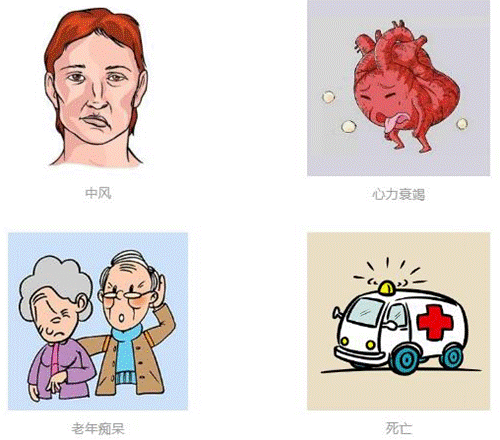
In the field of healthcare, every new study has the potential to become a key factor in rewriting clinical treatment strategies. Recently, MedtronicThe results of a study, like a stone thrown into a tranquil lake, have caused ripples far and wide. This study focuses on cardiac care after stroke and shockingly reveals a long-overlooked phenomenon:Significant Gender Differences Exist in Post-Stroke Cardiac Care.

Medtronic's study is titled DiVERT Clinical Research on Stroke, Data Presented Last Week at the International Stroke Conference in Los Angeles (ISC) Once displayed, it immediately attracted the attention of many industry insiders. Research results show that when female stroke patients are admitted to comprehensive stroke centers, compared with men, they have shorter hospital stays, fewer referrals to cardiology departments, and lower prescription rates for cardiac monitoring after a stroke. This series of differences serves as a wake-up call, highlighting concerns about gender inequality in post-stroke cardiac care. Consider this: while both men and women endure the suffering caused by strokes, there is a stark contrast in how they are treated regarding subsequent cardiac care. What could be the hidden reasons behind this disparity? What has led to these differences, and what profound impact might they have on patients' recovery and health? These are the questions we will explore further.
Research Data Unveiled: Differences in Length of Hospital Stay, Referrals, and Monitoring
To gain a clearer understanding of the specifics of this gender difference, let's delve deeper into the analysis. DiVERT Stroke Key data in the study. Among the participants in the study 2,699 Among the patients, the proportion of female patients is 48%However, in terms of length of hospital stay, the average hospitalization time for female patients was only 6.8 Days, while male patients reached 7.7 Day. It seems less than 1 The difference of days may mean that female patients are forced to be discharged before their condition is fully stabilized, unable to receive sufficient observation and care.
In terms of cardiology referral rates, the difference is also significant. The proportion of female patients receiving cardiology referrals during the index hospitalization was only 12.8%, while male patients are 15.5%. This means that, per 100 Among female stroke patients, there are fewer than male patients by approximately 3 Patients can timely access further specialized cardiology diagnosis and treatment. The lack of such referral opportunities may cause female patients to miss the critical window for early detection and treatment of heart issues.
Looking at the proportion of cardiac monitoring after stroke, the proportion of female patients receiving cardiac monitoring after stroke is 19.9%, male patients are 23%. This data indicates that the heart health of female patients after a stroke is monitored and observed far less than that of males. Multiple studies have shown that post-stroke atrial fibrillation (AFib) The patient is at extremely high risk, and AFib May be required 80 It takes several days to appear, long-term insertable cardiac monitoring (ICM) is crucial for the timely detection of changes in the condition. In this light, the lack of monitoring in female patients undoubtedly increases their potential health risks. Behind these cold statistics lie the possible health hazards faced by countless female stroke patients. So, what causes this significant gender disparity?
Why Focus on Post-Stroke AFib With Long-term Cardiac Monitoring
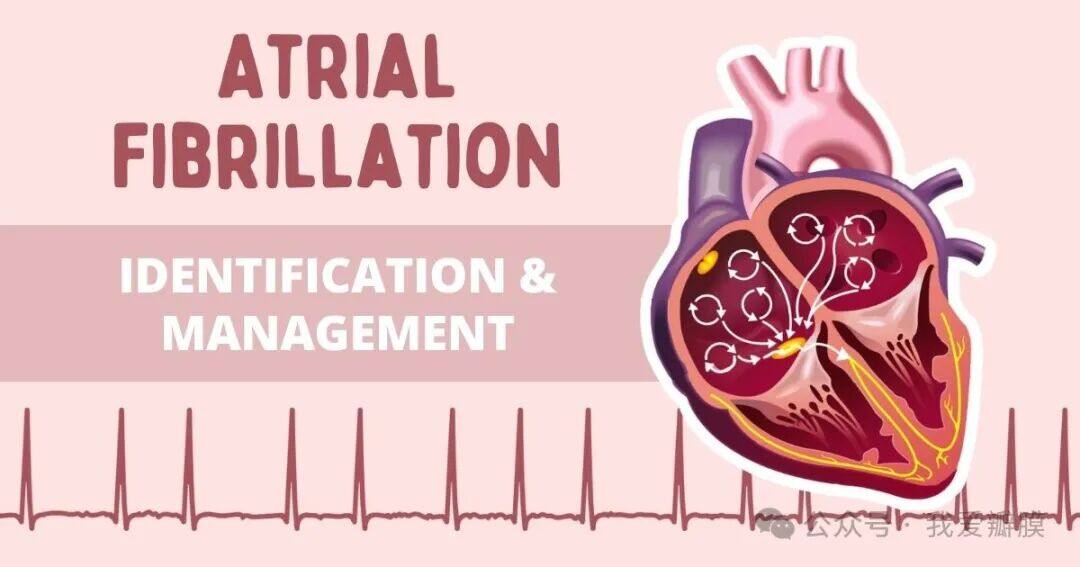
Stroke, as a disease that poses a serious threat to human health, its subsequent health management has always been a key research direction in the medical field. Among the many complications after a stroke, atrial fibrillation (AFib) is particularly noteworthy. Multiple studies have shown that after a stroke AFib Patients face extremely high risks, which involve multiple aspects and seriously affect their quality of life and recovery process.
AFib This can lead to cardiac arrhythmias, preventing the heart from effectively pumping blood. This not only increases the burden on the heart but also makes it easier for blood to stagnate within the heart, forming blood clots. Once a clot breaks loose and travels through the bloodstream to the brain, it may cause a secondary stroke, which is often more severe than the initial stroke and can cause greater damage to the patient’s physical and cognitive functions.AFib It can also affect the normal function of the heart, increasing the risk of serious cardiac conditions such as heart failure. Due to AFib The symptoms may not be obvious or may be confused with other symptoms after a stroke, making it difficult to detect in the early stages following the stroke. Research has found,AFib May be required after a stroke 80 It takes several days for obvious symptoms to appear, which makes long-term insertable cardiac monitoring (ICM) Has become an indispensable diagnostic tool.
ICM Can continuously and accurately monitor the electrical activity of the heart, capturing those brief and elusive AFib Seizure. Through ICM, doctors can promptly detect abnormal changes in a patient's heart rhythm, providing a basis for early intervention and treatment. Early detection and treatment AFib, which can significantly reduce the risk of recurrent stroke and other severe heart diseases, improving patients' chances of recovery and quality of life. However, Medtronic's research reveals a significant gender gap in post-stroke cardiac monitoring. The proportion of female patients receiving cardiac monitoring after a stroke is much lower than that of male patients, meaning that female stroke patients face AFib At Risk: More Difficult to Receive Timely Monitoring and Diagnosis. The existence of this disparity not only may cause female patients to miss the optimal treatment window but also could expose them to higher health risks in the future. Therefore, studying this gender difference is particularly important. It not only helps us deeply understand the inequality in post-stroke cardiac care but also provides a basis for developing targeted intervention measures. By eliminating this gender gap and ensuring that every stroke patient, regardless of gender, receives equitable and effective cardiac monitoring and care, we achieve an essential goal in post-stroke health management. So, what exactly causes this gender difference? Is it uneven distribution of medical resources, bias in doctors' diagnostic concepts, or other deep-rooted social and cultural factors at play? Let us continue to explore further.
Exploration of the Reasons Behind the Differences
Such a significant gender difference is definitely not accidental, and there are complex and multifaceted reasons behind it. From the perspective of physiological structure, there are inherent natural differences between men and women. The cardiovascular system in women differs significantly from that in men in terms of physiological structure and hormone levels. Estrogen provides a certain level of protection for the female cardiovascular system, but after menopause, estrogen levels drop sharply, leading to a rapid increase in the risk of cardiovascular diseases among women. This physiological change may lead to a certain bias when doctors assess the cardiac risks of female patients after a stroke, as they might assume that heart problems are relatively less common in women before menopause, thus reducing cardiac monitoring and referrals for them.
In terms of lifestyle habits, women often bear more family responsibilities, busy taking care of their families and handling household chores, which may lead them to neglect their own health. Even after suffering a stroke, women are more likely to focus on family matters rather than actively seeking cardiac care. Some women might conceal or downplay their physical discomfort due to concerns about burdening their families, making it difficult for doctors to fully understand their condition, thus affecting subsequent referral and monitoring arrangements.
Ideas and concepts are also an important factor. In traditional beliefs, men are often regarded as the pillars of the family, and their health conditions tend to receive more attention. When a man suffers a stroke, family members and doctors are more proactive in arranging comprehensive examinations and treatments for him, including cardiac care. However, for women, there may be a “Women's bodies are more delicate, and minor issues can be endured and will pass.” The misconception has led to the neglect of cardiac care for women after a stroke. This societal and cultural bias subtly influences medical decision-making and patient healthcare-seeking behavior.
The uneven distribution of medical resources may also exacerbate this gender disparity. In areas with relatively scarce medical resources, the limited resources may be prioritized for male patients perceived to have more severe conditions or greater need for attention. Doctors, facing a large number of patients, may be constrained by time and energy, making it difficult to conduct detailed cardiac risk assessments and referral arrangements for every female stroke patient. These factors intertwine, collectively contributing to the gender disparities in post-stroke cardiac care. So, what impact does this disparity have on patients' recovery and health?
Prospects for Future Research and Improvement Measures

In the face of this serious gender disparity issue, Medtronic did not choose to stand idly by but took active steps, planning to launch DiVERT Stroke Phase II Study. This initiative is like a beacon lit in the darkness, bringing new hope to address gender disparities in cardiac care after stroke.
Medtronic Plans to Focus on Referral Pathways in the Second Phase of Evaluating Workflow Improvement Opportunities
In addition to referral pathways, the research may also involve optimizing internal hospital workflows and strengthening collaboration between neurology and cardiology departments. In many hospitals, there are certain barriers to communication and collaboration between different departments, which may lead to a lack of overall coherence in patients' treatment plans. By enhancing interdepartmental collaboration, information sharing can be achieved, allowing doctors to fully understand a patient’s condition and develop more precise and comprehensive treatment plans for stroke patients, including post-stroke cardiac monitoring and care.
In future improvement measures, advanced technical means may be introduced, such as artificial intelligence (AI) Solution.AI Technology is being applied more widely in the medical field, where it can analyze and mine large amounts of medical data to help doctors more accurately assess a patient's condition and risks. Through AI Algorithm, doctors can quickly screen out female patients at high risk of stroke, and develop personalized cardiac monitoring and treatment plans for them.AI It can also assist doctors in diagnosis, improve the accuracy and efficiency of diagnosis, and reduce missed diagnoses and misdiagnoses caused by human factors.
Although these improvement measures are still in the research and planning stages, Medtronic's proactive efforts have undoubtedly pointed us in the right direction. It is believed that in the future, with further research and the gradual implementation of these measures, gender disparities in post-stroke cardiac care will gradually diminish, allowing every stroke patient to receive equal and high-quality medical services, with better prospects for recovery and improved quality of life. Let us look forward to that day, witnessing another significant advancement in the medical field’s pursuit of equity and excellence.
Summary and Call to Action

Medtronic DiVERT Clinical Research on Stroke Unveils the Mystery of Gender Disparities in Post-Stroke Cardiac Care. From length of hospital stay, referral rates to frequency of cardiac monitoring, female patients are at a clear disadvantage in every aspect. This disparity, stemming from various factors such as physiological structure, lifestyle habits, mindsets, and distribution of medical resources, has profoundly negative impacts on the recovery and health of female stroke patients.
We must deeply recognize that every stroke patient, regardless of gender, deserves equal rights to medical care. Women have a higher lifetime risk of stroke and require more comprehensive cardiac care post-stroke. We call on the medical community to pay high attention to this gender disparity. In clinical practice, doctors should abandon the constraints of traditional concepts, comprehensively and objectively assess the cardiac risks of every stroke patient, and provide female patients with the same referral and cardiac monitoring opportunities as male patients. Medical institutions should also optimize workflows, strengthen interdepartmental collaboration, and ensure patients receive timely and effective treatment.
The general public should also raise awareness of the importance of cardiac care after a stroke, especially female patients and their families, who should actively pay attention to their health and proactively seek medical assistance. Let us work together to eliminate gender disparities in post-stroke cardiac care, enhance overall health awareness, and safeguard the health of every stroke patient, allowing them to recover in a fair and high-quality healthcare environment and regain a better life.