

Owkin Files for IPO to Advance First AGI in Biology and Expand World's Largest Cancer Spatial Omics Dataset
Owkin
Provider of Artificial Intelligence Technology in Medicine
Owkin addresses the public's most concerning issue of patient data privacy by integrating multimodal data from different institutions, accelerating biomarker discovery, and providing reliable decision-making support for precision medicine. It aids in the diagnosis of cancers such as breast and colorectal cancer and in drug development, and has already partnered with pharmaceutical giants like Sanofi, BMS, and AstraZeneca.
Medical AI is not a new topic, but recent statements by Cathie Wood, CEO and Chief Investment Officer of Ark Invest, have reignited market enthusiasm. In her view, healthcare is currently the most undervalued field of AI application, with its potential in precision diagnosis and treatment, as well as drug discovery, yet to be fully realized. This perspective has not only drawn attention from the capital markets but also directly led to stock price fluctuations in sectors related to medical AI, underscoring the immense value of AI technology in the healthcare industry.
In this wave of AI-powered precision medicine, Owkin, as the first end-to-end artificial intelligence biotechnology company, is at the forefront of the industry with its leading machine learning algorithms and federated learning technology. The company addresses the public's primary concern regarding patient data privacy by integrating multimodal data from different institutions (such as genomics, spatial omics, clinical data, etc.). This helps researchers and doctors deeply explore the potential of medical data, not only accelerating the discovery of biomarkers but also providing reliable decision-making support for precision medicine, aiding in the diagnosis and drug development of cancers such as breast cancer and colorectal cancer.
Since its establishment in 2016, Owkin has raised over 100 million US dollars in funding and received support from numerous institutions, including Google Ventures and Sanofi. The company has also been recognized as one of France's top 20 AI startups to watch, one of the most anticipated healthcare and technology startups in 2023, winner of the Best Medical Technology Award, and part of Forbes’ AI 50 list.
Prioritize Patient Privacy and Use Collective Intelligence to Break Down Data Silos
Owkin's success is inseparable from the professional backgrounds and shared beliefs of its two founders. One of the founders, Dr. Thomas Clozel, was formerly an assistant professor of clinical hematology and oncology, an experience that gave him a deeper understanding of how to help patients and strengthened his resolve to use technology to improve medical outcomes. The other founder, Dr. Gilles Wainrib, has long been exploring the field of AI in biology and has published numerous papers on neural networks, machine learning, drug discovery, and precision medicine. United by their shared belief in the power of AI to transform healthcare, the two joined hands to establish Owkin.

Left: Gilles Wainrib Right: Thomas Clozel Source: FRENCH MORNING
Owkin's core mission is to achieve precision medicine, which tailors treatment plans according to each patient's unique biological characteristics, avoiding the traditional "one-size-fits-all" treatment model.This need is extremely urgent because cancers can vary between patients in terms of genetics and symptoms, yet many patients still receive the same treatment regimen, severely limiting the effectiveness of the treatment.
Let AI technology identify different biomarkers in multimodal patient data, classify patients into subgroups, match each group of patients with the best therapeutic targets, promote target drug development, optimize disease diagnostic tools, and achieve truly personalized medicine—this is the path Owkin, Inc. is taking.The key to achieving the above goals lies in —— how to share data while ensuring the privacy of patients' data?
In the past, researchers often explored within their specific fields of interest, leading to "data silos." Thomas Clozel believes that true innovation comes from interdisciplinary integration. If multi-modal data such as clinical, single-cell, spatial omics, and histology can be integrated, and data scientists, clinicians, academics, and pharmaceutical companies collaborate on research, it will accelerate the discovery of new disease mechanisms, thereby developing more targeted precision medicine approaches. In other words, data sharing is one of the solutions. However, medical data contains sensitive personal information, and data sharing often carries the risk of privacy breaches, which makes many medical institutions hesitate.
In response to this, Owkin adopts Federated Learning to address the issue. Thomas Clozel simply defines it as enabling major institutions to collaboratively train artificial intelligence models without the need to share data.
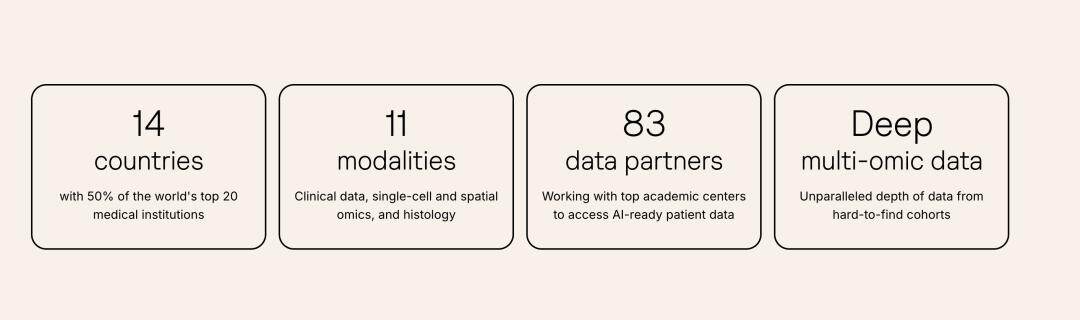
Specifically, federated learning enables multiple data providers (medical centers, research institutions, biopharmaceutical companies, etc.) to collaboratively train machine learning models in a distributed manner. This means patient data remains on their respective servers, with only the algorithms and predictive models being transferred between servers—essentially, algorithms are sent to different data centers for local training. After training is completed, only the algorithm returns to a central location, and the improved predictive outcomes are sent back to each local dataset for further optimization. As shown in the figure below, using this method, Owkin has already integrated 11 modalities of patient data from 83 partners.
In short, federated learning unlocks data on a large scale while ensuring patient privacy. At the same time, conclusions or research findings obtained from analyzing different datasets can be collectively shared, thereby accelerating the progress of medical research. To promote the adoption of this technology, Owkin has open-sourced its federated learning software Substra, which can be used for clinical research, drug development, and more.
Open Source Address:https://github.com/substra
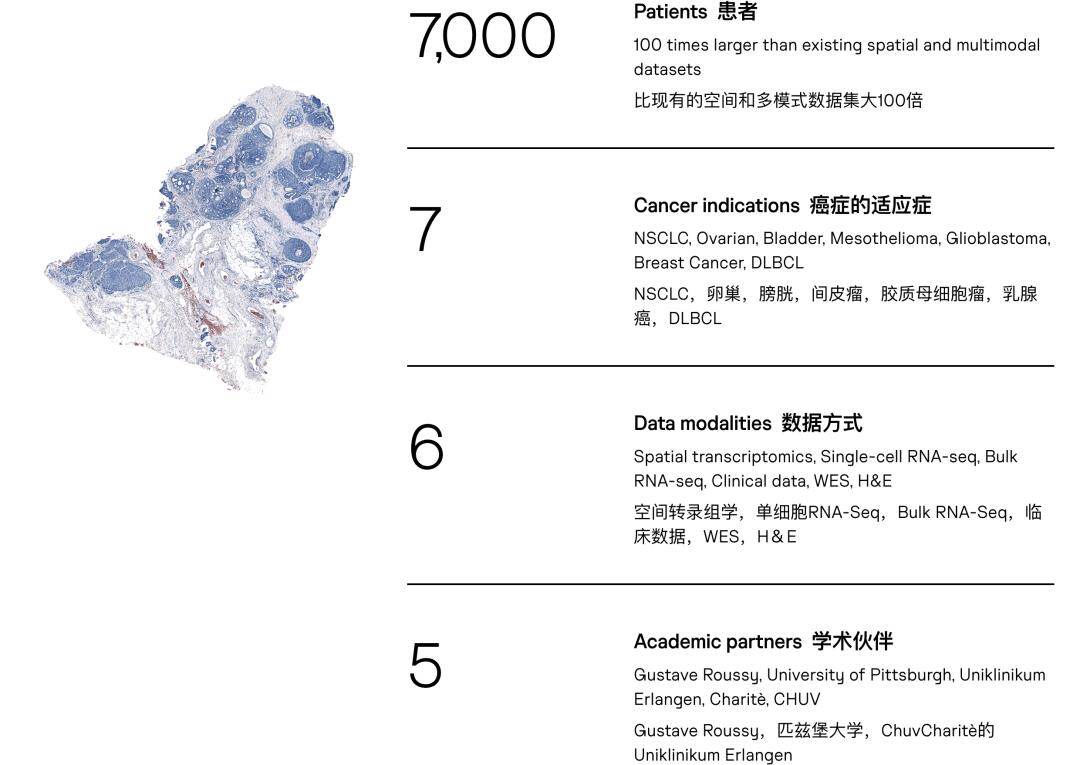
Notably, in June 2023, Owkin launched a project named MOSAIC (Multimodal Spatial Atlas of Cancer), collaborating with top cancer research hospitals. The project focuses on seven refractory cancers (NSCLC, ovarian, bladder, mesothelioma, glioblastoma, breast cancer, DLBCL) and collects multimodal data from 7,000 patients. It is reported that,This is the world's largest cancer spatial omics dataset,100 times larger than existing datasets. Using this data, Owkin can develop advanced artificial intelligence algorithms and provide treatment recommendations.MOSAIC Address:
https://www.mosaic-research.com/
Aiming to Achieve the First General Artificial Intelligence in the Field of Biology
In January this year, Owkin announced that it would integrate the methodologies and AI Agents accumulated over the past eight years into a single system, launching Owkin K1.0 Turbigo, aiming to achieve the first Artificial General Intelligence (AGI) in the field of biology.Thomas Clozel stated, "Owkin's goal is to make Owkin K the standard operating system in this field. We hope that every pharmaceutical company, biotechnology enterprise, and academic research institution will use our system to revolutionize their research methods, thereby breaking down long-standing barriers and data silos."
Specifically, the K1.0 system integrates multimodal data from over one million patients and utilizes foundational models and large multimodal models for analysis, providing partners with deep biological insights. At the same time, Owkin's wet lab validates AI-generated biological insights and feeds new experimental data back into K1.0, continuously enhancing the model's performance. This "data-model-experiment" closed-loop design enables K1.0 to constantly optimize.
The application scope of the K1.0 system is very broad, supporting biomarker discovery, target identification, patient population screening, clinical trial optimization, and AI diagnostic development, with all functions based on newly discovered biomarkers, aiming to advance the development of precision medicine.
Currently, the system is supporting pharmaceutical giants such as Sanofi, Bristol-Myers Squibb (BMS), and AstraZeneca. The first development project of the system is the EP2/EP4/DP1 triple inhibitor OKN4395 for patients with solid tumors, which has already been administered to patients in Phase I clinical trials. Meanwhile, Owkin’s target identification tool TargetMATCH and drug positioning tool DrugMATCH are also assisting partners in pipeline development.
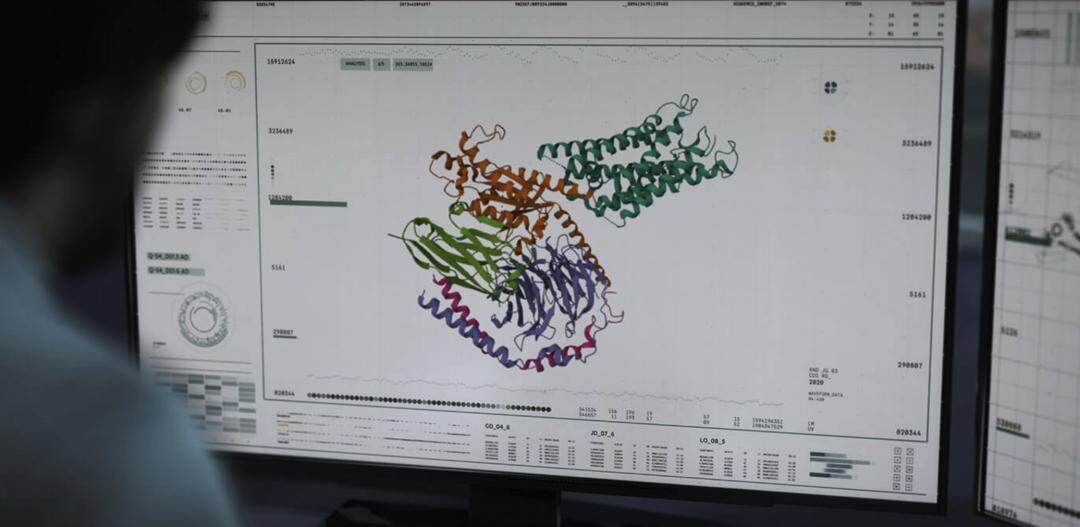
3D Reconstruction of One of the OKN4395 Targets, Source: Owkin
In addition to its outstanding performance in drug development, Owkin has also made significant progress in cancer diagnosis.
In clinical practice, doctors often find it difficult to accurately predict which patients will relapse and which will remain stable. However, this predictive ability is crucial for developing personalized treatment plans. If high-risk patients can be precisely identified, doctors can adjust treatment strategies in a timely manner and intensify treatment. For patients with stable conditions, unnecessary treatment interventions can be reduced to improve their quality of life.
AI technology not only enhances the efficiency of biomarker screening but also prioritizes urgent cases, conducts in-depth analysis of patient prognosis and treatment responses, and assists doctors in making faster and more accurate decisions. This is particularly crucial for regions with limited medical resources. To address this need, Owkin has developed multiple cancer diagnostic tools, including colorectal cancer diagnostic tools MSIntuit® CRC and MSIntuit® CRC v2, as well as the breast cancer diagnostic tool RlapsRisk® BC.
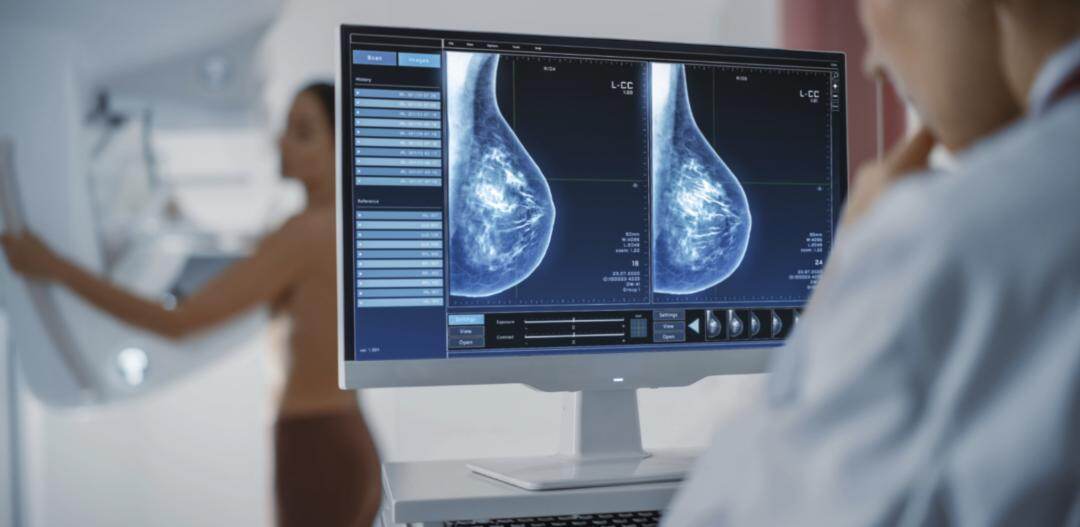
Breast Cancer Research Image Source: Owkin
In November 2024, Owkin collaborated with AI oncology pathology company Proscia to integrate its MSIntuit® CRC v2 tool into Proscia’s Concentriq® software platform, assisting pathologists in the pre-screening of MSS/pMMR colorectal cancer patients and advancing the application of precision medicine in colorectal cancer diagnosis and treatment. Notably, MSIntuit® CRC v2 is an upgrade of the CE-IVD certified MSIntuit® CRC tool, with a detection sensitivity as high as 95%. The company has also partnered with institutions such as the University of Birmingham Medical School and Cerba Path to optimize colorectal cancer diagnosis. In breast cancer diagnosis, Owkin has successively collaborated with Aster Insights, Gustave Roussy, and AstraZeneca.
In summary, Owkin's innovative platform and extensive collaboration network are bringing more hope to patients worldwide.In the future, the company plans to develop a series of Agents capable of automatically analyzing multimodal spatial data, and integrate the next-generation Owkin K2.0 operating system with its laboratory to build an automated robotic lab driven by Agents. It is conceivable that these Agents might one day independently run their own research projects, significantly improving the efficiency of medical research. We look forward to Owkin continuing to lead transformative changes in the integration of AI and healthcare.

Source: Owkin
AI Cannot Replace Doctors, Cooperation Leads to Win-Win
Anna Huyghues-Despointes, Head of Strategy and Marketing at Owkin, once noted: "By collaborating with research institutions such as academic centers, we can jointly deploy infrastructure, prepare data, train predictive models, validate results, and publish collective findings in top scientific journals. We have always believed that collaboration is the key to advancing medical research."This perspective emphasizes the importance of collaboration in medical research.
In the past, doctors generally held a cautious attitude towards AI, such as worrying about whether AI’s diagnosis is reliable and whether it can truly help patients. Some even thought that this was just hype in the tech industry. However, with continuous breakthroughs of AI in areas like medical imaging recognition, disease prediction, and personalized treatment, people have gradually realized the potential of AI. For example, Google's Med-PaLM 2 model scored 86.5 points in the USMLE (United States Medical Licensing Examination), which is close to or even surpasses the level of human doctors. This further demonstrates that AI has a bright future in the medical field.
Despite the rapid development of AI, Wang Yongjun, Party Committee Deputy Secretary and President of Beijing Tiantan Hospital, Capital Medical University, stated that AI will not replace doctors but should be regarded as a supplement and enhancement to clinical work. In fact, AI mainly plays a role in data analysis and auxiliary diagnosis, while in the face of complex situations such as clinical operations and emergencies, the experience, professional judgment, and adaptability of doctors remain irreplaceable. Moreover, medicine is not only about technology but also about care and empathy, areas where AI still has room for improvement.
In the future, only the collaboration between AI and doctors can truly drive the progress of the medical industry, bringing more comprehensive and higher-quality medical services to patients.
References:
1.https://www.owkin.com/
2.https://www.mittrchina.com/news/detail/12974
3.https://hub.baai.ac.cn/view/37368
This article comes from the WeChat Official Account"HyperAI Super Neuron", Author: Nineteen, published with the authorization of 36Kr.