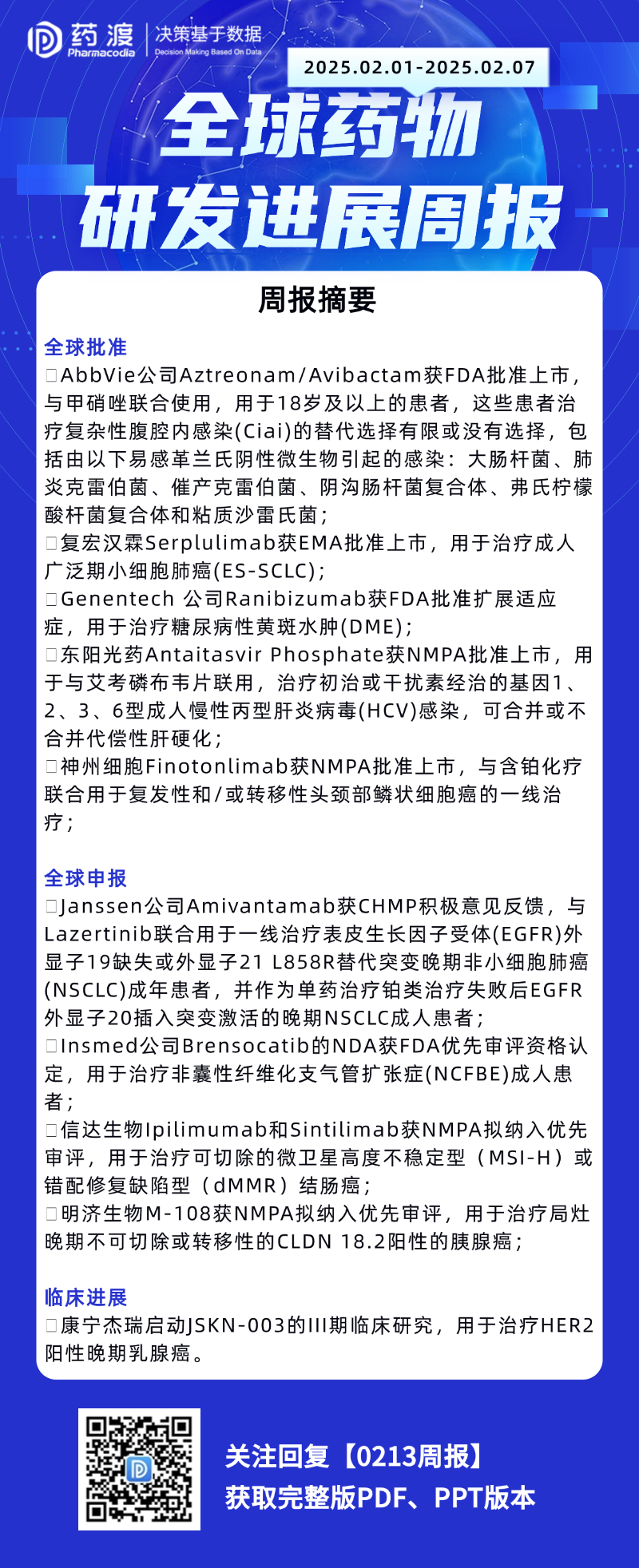
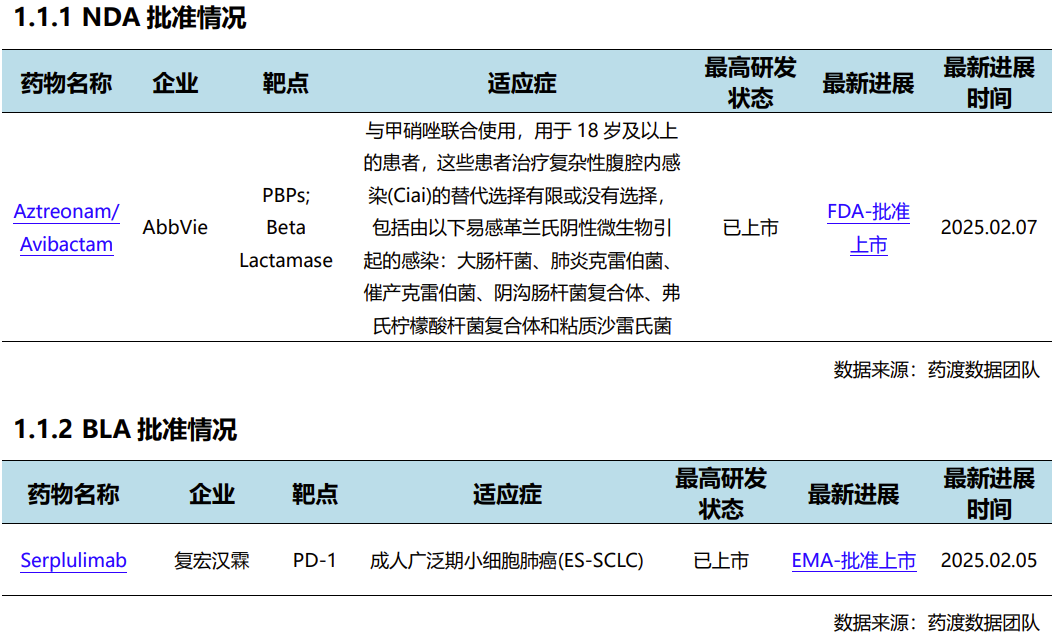
Global Drug Approvals/R&D UpdatesGlobal New Drug ApprovalsAccording to the PharmSnap data analysis, during this statistical period (February 1, 2025 - February 7, 2025), a total of 5 new drugs were approved for marketing globally (excluding China). Among them, there was 1 NDA approval, 1 BLA approval, 2 new indication approvals, and 1 new formulation approval. Compared with the previous statistical period, there is 1 more new drug approval in this period.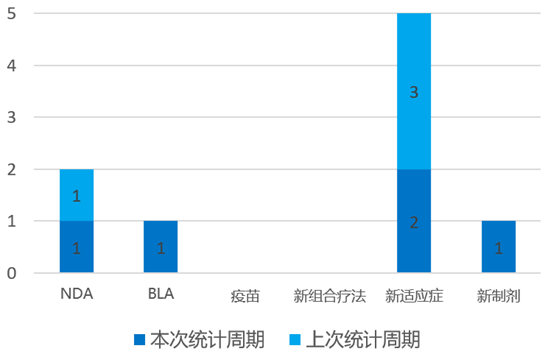
On February 5, Shanghai Henlius Biotech, Inc. announced that its anti-PD-1 monoclonal antibody H drug Hansizhuang® (Seriulimab, Hetronifly®) has officially received EC approval for use in combination with carboplatin and etoposide for the first-line treatment of adult patients with extensive-stage small cell lung cancer (ES-SCLC). Based on the ASTRUM-005 study, the H drug has been successively approved in China, multiple Southeast Asian countries, and the European Union for first-line treatment of ES-SCLC. Additionally, the company is conducting a head-to-head bridging trial in the United States comparing the H drug with the current first-line standard treatment atezolizumab for ES-SCLC to support the H drug's regulatory submission in the U.S.On February 7, Eisai and Biogen announced that the FDA had approved the supplemental Biologics License Application (sBLA) for lecanemab (LEQEMBI®, LEQEMBI®), allowing for intravenous (IV) maintenance dosing once every four weeks. Lecanemab is used to treat mild cognitive impairment and mild Alzheimer's disease (collectively referred to as early AD) caused by Alzheimer's disease (AD). Model simulations predict that after completing an 18-month initial treatment phase administered once every two weeks, patients may consider transitioning to a maintenance dose of 10mg/kg once every four weeks or continuing with the 10mg/kg dose once every two weeks, which is expected to maintain the clinical and biomarker benefits of the treatment.New Drug Approvals Worldwide (Excluding China)
Global New Drug Application ProgressAccording to the PharmCube data statistics analysis, during this statistical period (February 1, 2025 - February 7, 2025), there were 3 new drug applications for marketing globally (excluding China). Among them, there was 1 NDA submission and 2 BLA submissions. Compared with the previous statistical period, this time there were 4 fewer NDA/BLA submissions.。On February 3, AstraZeneca's Imfinzi (Durvalumab) has been recommended for approval in the EU as a monotherapy for the treatment of adult patients with locally advanced small cell lung cancer (LS-SCLC) whose disease has not progressed after platinum-based chemoradiotherapy (CRT). Trial results showed that Imfinzi reduced the risk of death by 27%, with an estimated median OS of 55.9 months, and 57% of patients were alive at 3 years, reducing the risk of disease progression or death by 24%.NDA/BLA Submission (Partial)
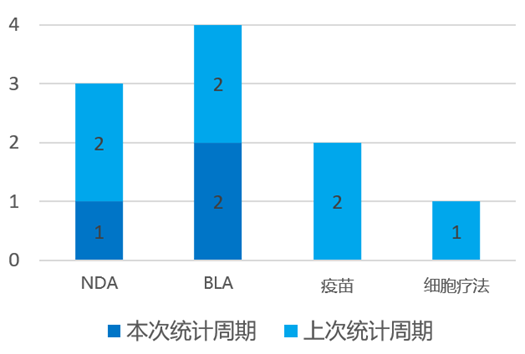
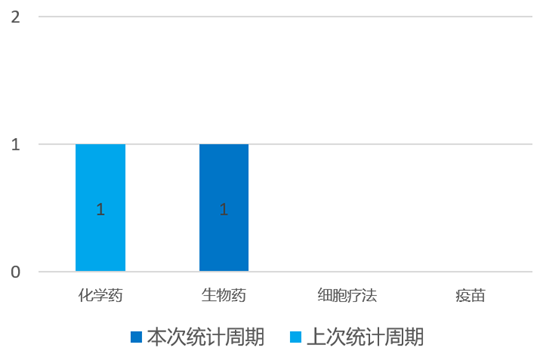
According to the PharmaDJ data analysis, during this statistical period (February 1, 2025 - February 7, 2025), a total of 6 drugs (excluding China) worldwide received special regulatory designations. Among them, there was 1 chemical drug, 3 biologics, 1 vaccine, and 1 cell therapy. Compared with the previous statistical period, there were 4 more drugs receiving special regulatory designations in this period.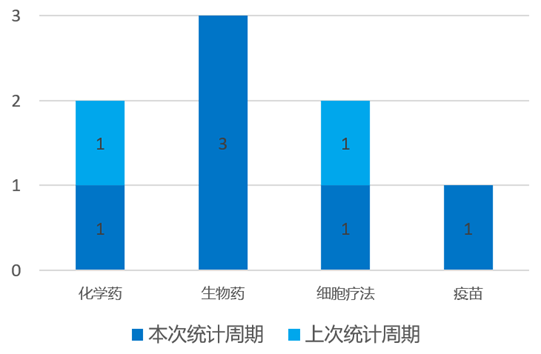
On February 5, Arbor Biotechnologies announced that the FDA had granted ABO-101 Orphan Drug Designation (ODD) and Rare Pediatric Disease Designation (RPDD) for the treatment of Primary Hyperoxaluria Type 1 (PH1). ABO-101 is a novel investigational gene-editing therapeutic designed as a one-time liver-targeted gene-editing treatment that leads to the permanent knockout of the HAO1 gene in the liver, thereby reducing PH1-related oxalate production. Relevant preclinical data will be presented at the upcoming IPNA conference later this month.On February 6, Insmed Incorporated announced that the FDA had accepted the company's New Drug Application (NDA) for Brensocatib in patients with non-cystic fibrosis bronchiectasis and granted Priority Review for the NDA under PDUFA. Data showed that the Phase III ASPEN study met its primary endpoint, with Brensocatib demonstrating statistically and clinically significant reductions in the annualized rate of pulmonary exacerbations compared to placebo over the 52-week treatment period. Both dose strengths also met several pre-specified exacerbation-related secondary endpoints, including significantly prolonging the time to first exacerbation and significantly increasing the likelihood of remaining exacerbation-free during the treatment period, with good tolerability.Globally Recognized Drugs with Special Regulatory Designations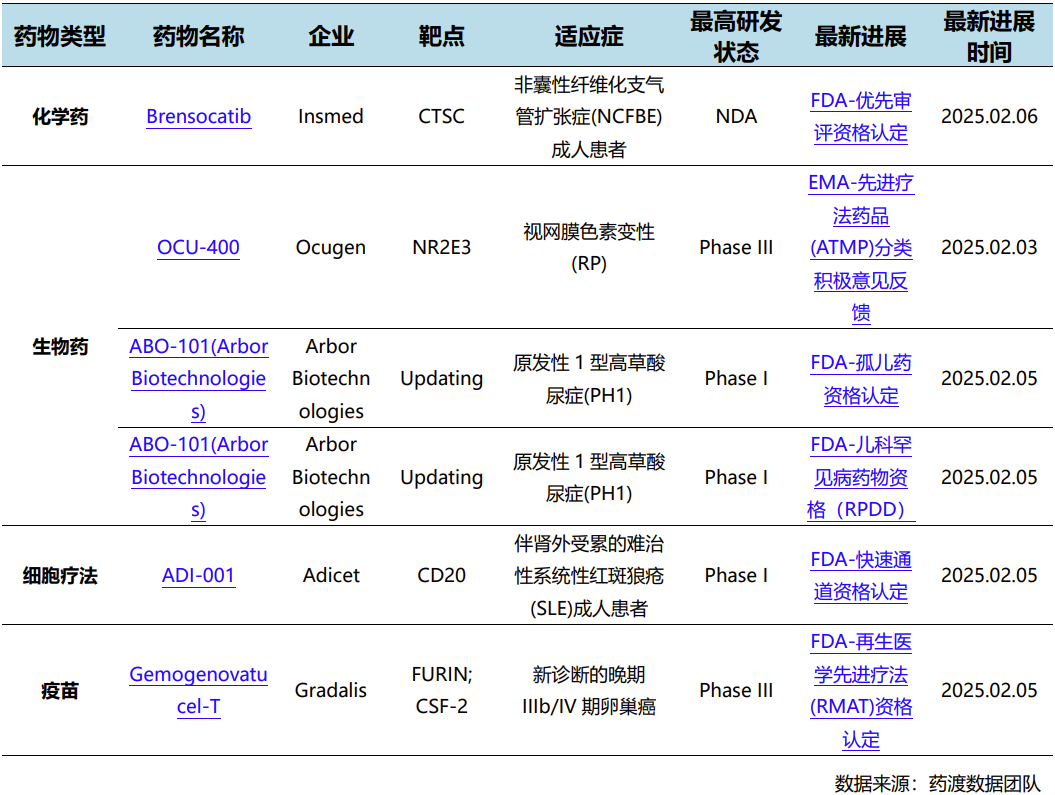
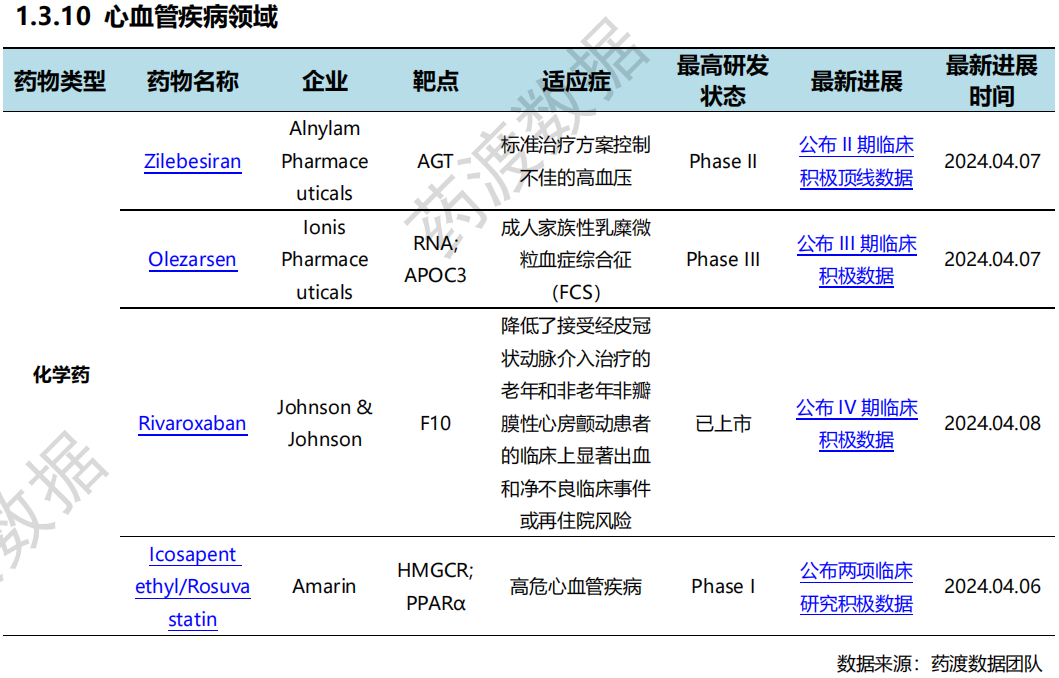
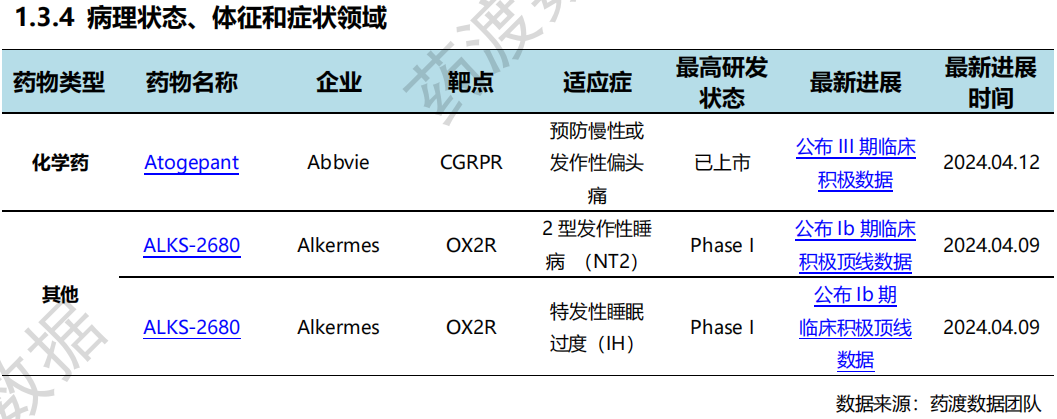
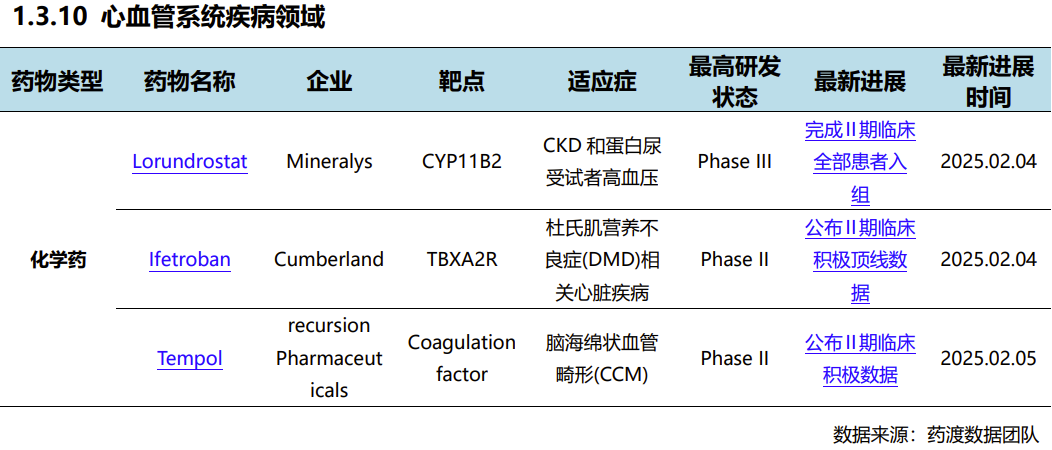
Global New Drug Development ProgressAccording to the PharmaDJ data statistics and analysis, during this statistical period (February 1, 2025 - February 7, 2025), there were a total of 34 updates on the clinical development status of new drugs globally (excluding China), covering 10 fields including oncology, genetic and metabolic diseases, neurological disorders, and cardiovascular diseases.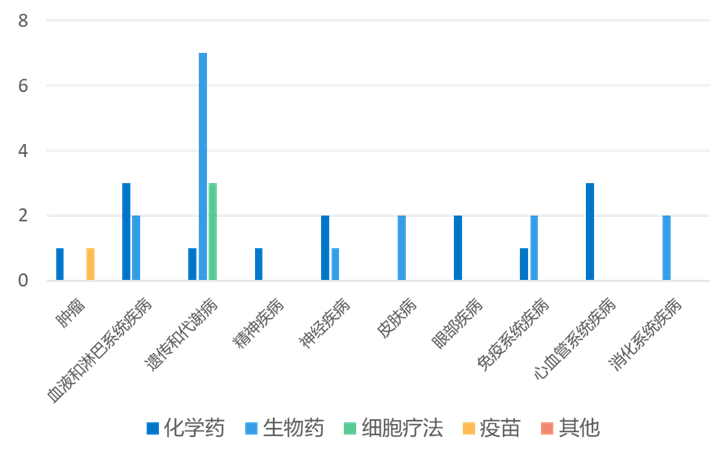
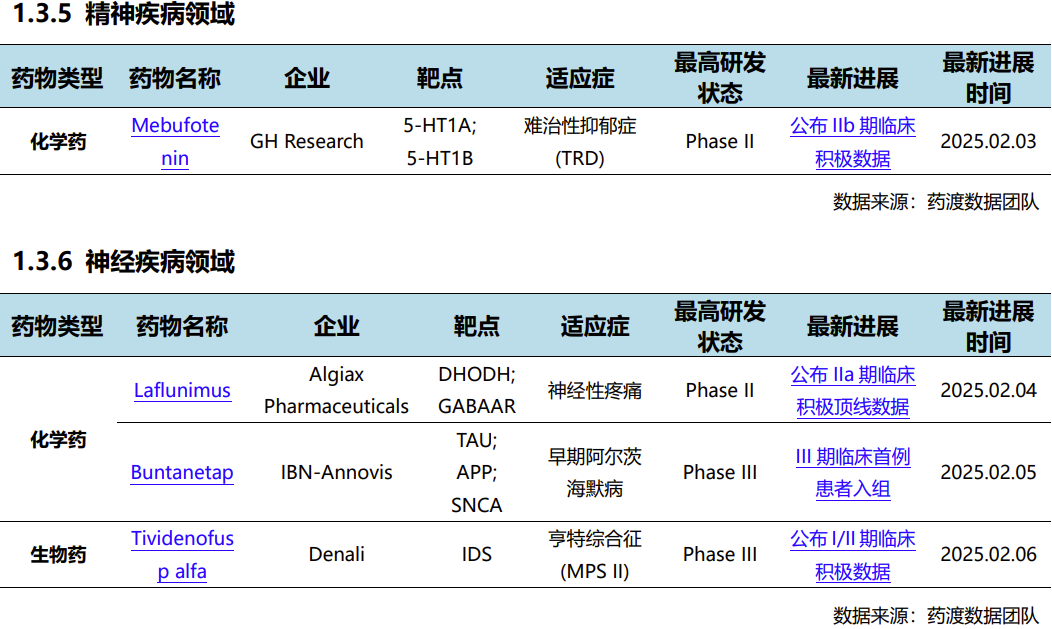
Among them, the clinical progress updates in the field of genetic and metabolic diseases ranked first among all fields, with 11 entries: one for chemical drugs, seven for biologics, and three for cell therapies.On February 4, GH Research announced that its investigational therapy GH001 met the primary clinical endpoint in a Phase IIb clinical trial for patients with treatment-resistant depression (TRD). Trial results showed that the Montgomery-Åsberg Depression Rating Scale (MADRS) total score of patients in the GH001 group decreased by 15.2 points from baseline on day 8 of treatment, and 57.5% of patients in the GH001 group achieved symptom remission by day 8. GH001 was well-tolerated, with 97.4% of patients meeting discharge criteria within one hour after receiving the last dose. After discharge, patients were not required to adhere to any restrictions.On February 6, Qlaris Bio announced preliminary positive results from two Phase II clinical trials, Osprey and Apteryx, which evaluated the efficacy of QLS-111 in patients with primary open-angle glaucoma (POAG) and ocular hypertension (OHT). The Osprey study showed that once-daily evening use of 0.015% QLS-111 achieved the greatest reduction in intraocular pressure, with a decrease of up to 3.7 mmHg. The Apteryx analysis demonstrated that in the QLS-111 (0.015%) and Latanoprost combination therapy, the QLS-111 QPM dosing group experienced an additional 3.2 mmHg reduction in intraocular pressure.Global New Drug Development Progress Details (Partial)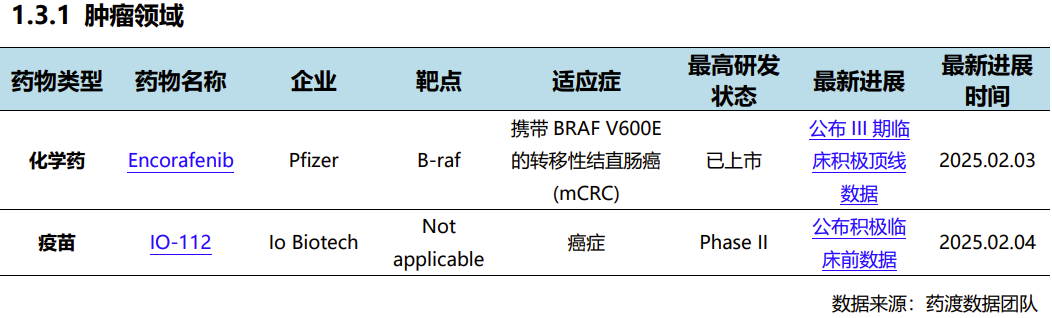
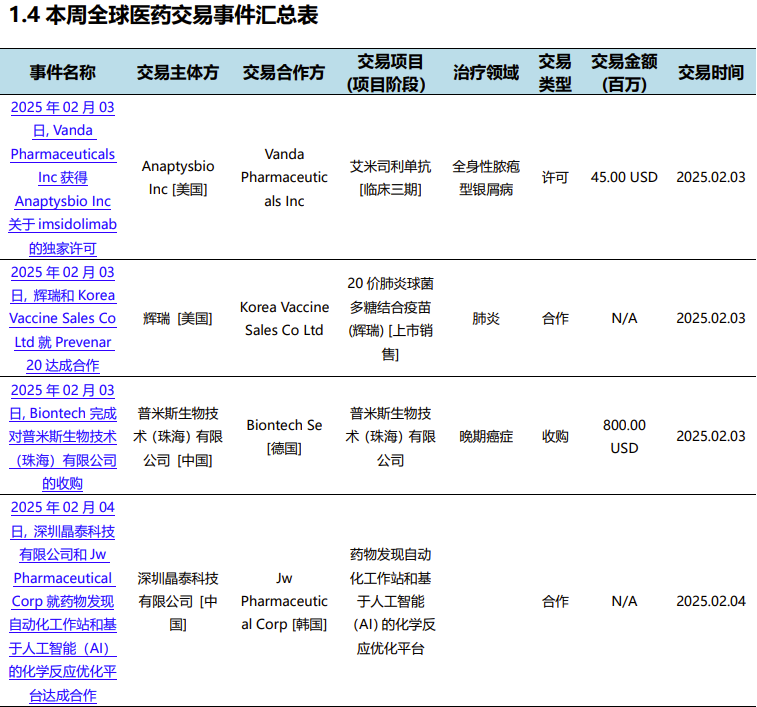
Global Pharmaceutical Transaction EventsThis statistical cycle(2025.02.01-02.07-01.31)There were a total of 23 pharmaceutical transaction events globally (including China), involving drug rights transfers, company acquisitions, and other transaction events.
Summary Table of Global Pharmaceutical Transaction Times (Partial)
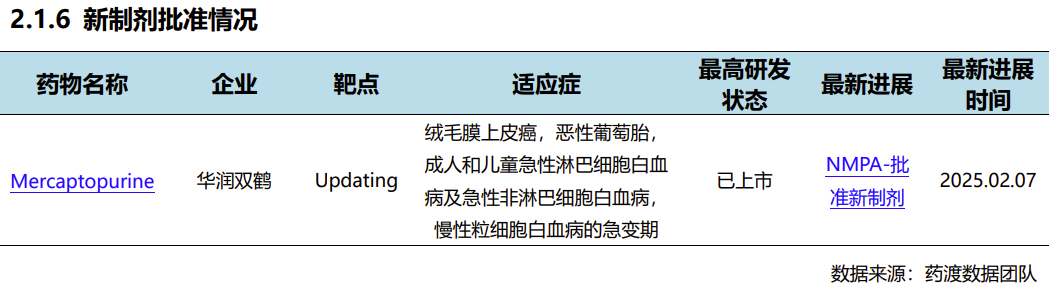
Drug Approval/Development Updates in ChinaNew Drug Approvals in ChinaAccording to the PharmaBlock data analysis, during this statistical period (February 1, 2025 - February 7, 2025), a total of 5 new drugs were approved for marketing by the NMPA in China. Among them, 2 were NDA approvals, 1 was a BLA approval, 1 was a new indication approval, and 1 was a new formulation approval. Compared with the previous statistical period, there were 4 more NMPA-approved new drugs in this period.。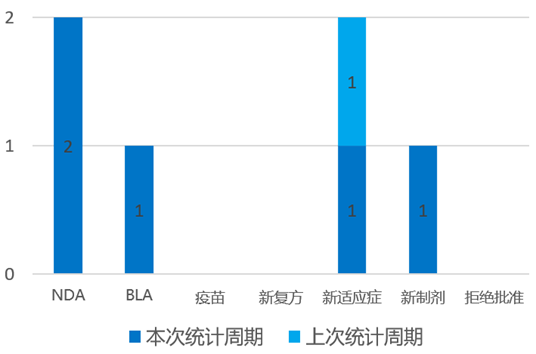
On February 7, Kangleme Bio's self-developed Class 1 new drug, Kangyueda® (Sipuzumab Injection), was approved for marketing by the National Medical Products Administration (NMPA) for the treatment of Seasonal Allergic Rhinitis (SAR). Phase III clinical studies showed that symptoms were quickly alleviated within two days after the first dose, with significant improvement in overall nasal symptoms after four days, and continuous relief of daily nasal symptoms. After the first treatment, nearly half of the patients achieved mild to complete relief, with good safety. As the world’s first IL-4Rα biologic for treating seasonal allergic rhinitis, the approval of Sipuzumab marks a milestone breakthrough in the field of rhinological disease treatment.On February 8, the latest announcement on the NMPA website showed that the marketing application of Fionulimab Injection, a Class 1 new drug submitted by SinoCellTech, has been approved. The indication is for first-line treatment in combination with platinum-based chemotherapy for recurrent and/or metastatic squamous cell carcinoma of the head and neck. Study results demonstrated that Fionulimab combined with chemotherapy significantly improved OS (14.1 months vs 10.5 months) and ORR (39.9% vs 29.4%) compared to chemotherapy alone, with 10.7% of patients achieving complete response (6.7% in the chemotherapy alone group).New Drug Approvals in China (Partial)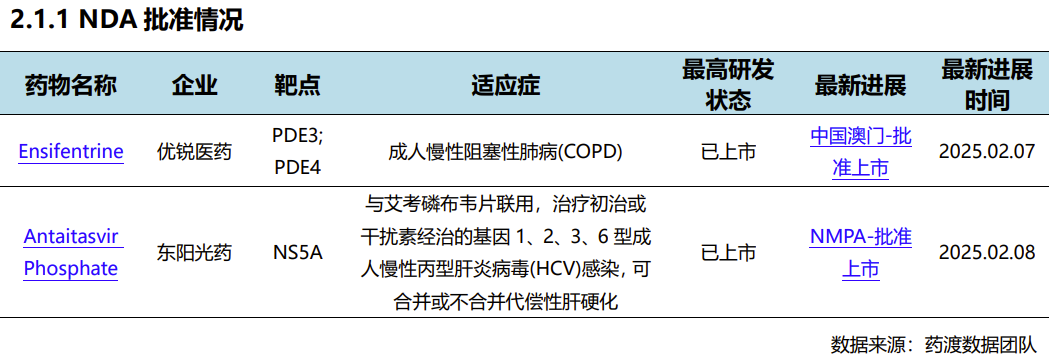
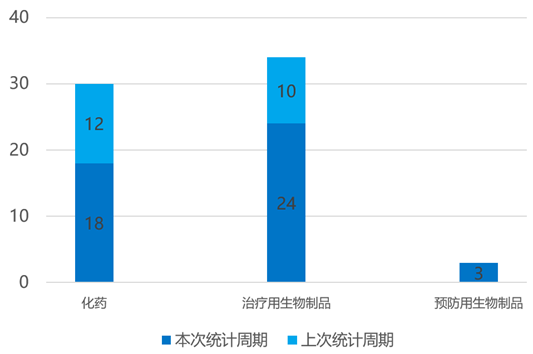
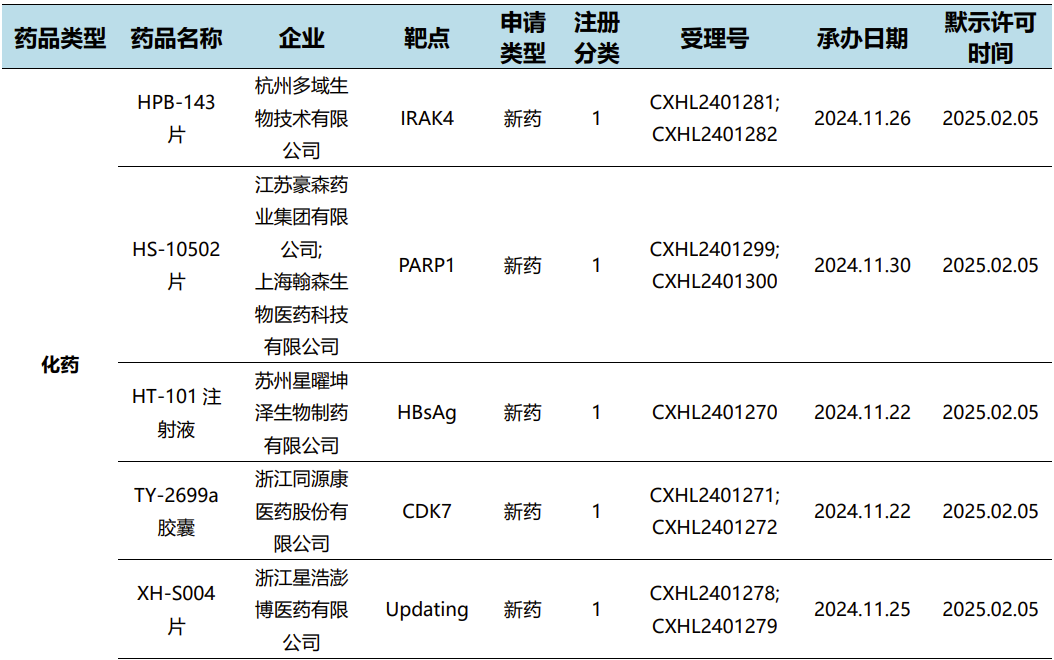
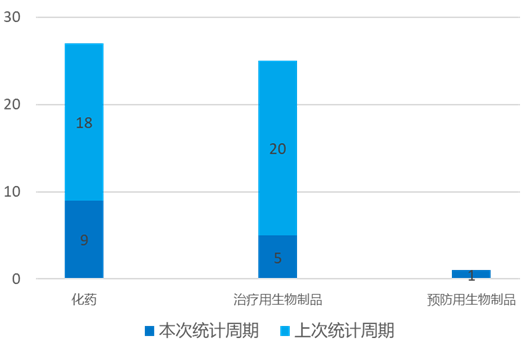
Progress of Implied Consent for Clinical Trials of New Drugs in ChinaAccording to the PharmaDJ data statistics analysis, the statistical cycle for this period is from February 1, 2025, to February 7, 2025.) A total of 45 new drugs received clinical tacit approval in China, involving 64 application numbers.Among them, there are 18 chemical drugs, 24 therapeutic biological products, and 3 preventive biological products.Compared with the last statistical period, this time there are 30 additional clinical tacit approval acceptance numbers granted.
This Week's Progress on Clinical Trial Approvals for New Drugs in China (Partial)
Progress in New Drug Applications in ChinaAccording to the statistical analysis by PharmaDJ, during this statistical period (February 1, 2025 - February 7, 2025), there were no new drug applications for marketing approval in China.Compared with the last statistical cycle, this time there was a reduction of 12 new drug marketing application acceptance numbers.
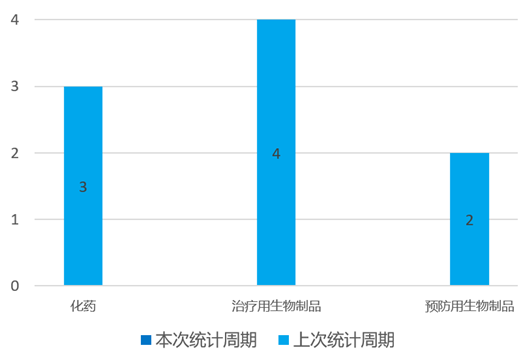
According to the data analysis by PharmaDJ, during this statistical period (February 1, 2025 - February 7, 2025), there were 15 new drug clinical trial applications in China, involving 21 application numbers. Among them, there were 9 chemical drugs, 5 therapeutic biological products, and 1 preventive biological product. Compared with the previous statistical period, the number of clinical trial applications decreased by 32.
Clinical Trial Applications for New Drugs in China (Partial)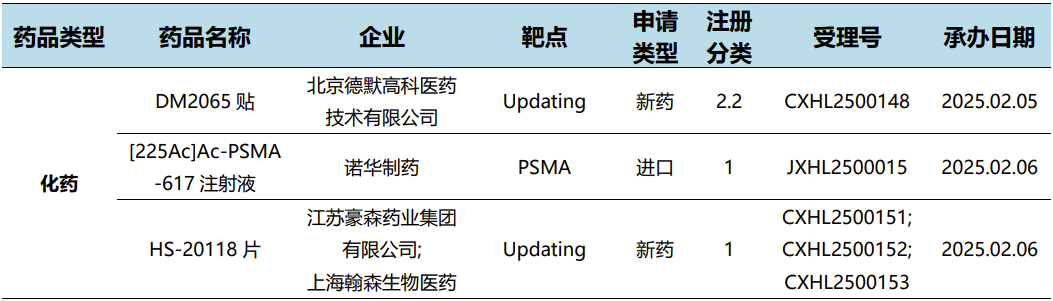
According to the statistical analysis by PharmaDJ, during this statistical period (February 1, 2025 - February 7, 2025), a total of 3 drugs in China received special designation from the NMPA, all of which are biologics. Compared with the previous statistical period, there are 2 additional drugs receiving special designation from the NMPA in this period.。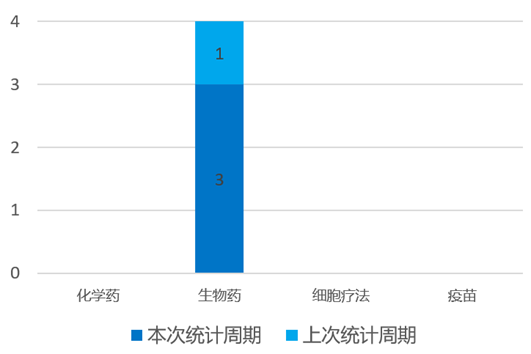 On February 5, the CDE website announced that the new drug M108 Monoclonal Antibody Injection, a Class 1 new drug submitted by Mingji Biotech, is proposed to be included in the breakthrough therapy category. The proposed indication is in combination with gemcitabine + albumin-bound paclitaxel for first-line treatment of patients with locally advanced unresectable or metastatic CLDN18.2-positive pancreatic cancer. According to the investigator's assessment of short-term efficacy, the ORR and DCR were 34.4% and 100%, respectively; mPFS was 9.7 months, and mDoR was 9.8 months. The clinical efficacy assessed by IRC was almost consistent with the investigator’s evaluation, where the ORR and DCR were 53.1% and 100%, respectively, mPFS was 9.9 months, and mDoR was 7.1 months.On February 5, the latest announcement on the CDE official website revealed that the Ipilimumab Injection and Sintilimab Injection submitted by Innovent Biologics are proposed for inclusion in the priority review. The indications are for the neoadjuvant treatment of resectable microsatellite instability-high (MSI-H) or mismatch repair-deficient (dMMR) colon cancer patients using Ipilimumab Injection in combination with Sintilimab Injection. Research results show that the pathological complete response (pCR) rate of the IBI310 combined with Sintilimab group was significantly higher than that of the Sintilimab monotherapy group (80.0% vs 47.7%), without adding extra safety risks, and had no impact on subsequent surgeries. The neoadjuvant treatment of IBI310 combined with Sintilimab is expected to change clinical practice by reducing preoperative staging, narrowing the scope of radical surgery, increasing the complete resection rate, reducing the need for postoperative adjuvant chemotherapy, lowering the recurrence rate, and thus improving long-term prognosis potential.Drug Granted Special Status by NMPA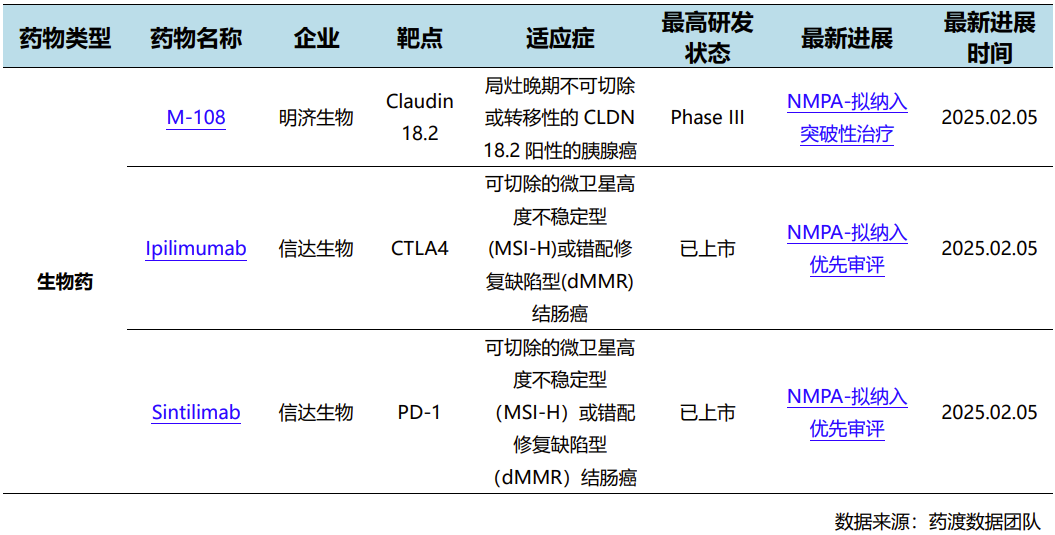
Progress in New Drug Development in ChinaAccording to the PharmaDJ data statistics analysis, during this statistical period (February 1, 2025 - February 7, 2025), there was one update on the clinical development status of new drugs in China, related to the oncology field. Among them, one was a biologic drug. The number of updates on the clinical development status of new drugs in China during this statistical period remained the same as the previous one.
On February 6, Alphamab Oncology and CSPC Pharmaceutical Group jointly announced that the application for a Phase III clinical study comparing JSKN003, a HER2 bispecific antibody-drug conjugate (ADC), with ado-trastuzumab emtansine (T-DM1) for the treatment of HER2-positive advanced breast cancer has been approved by the Center for Drug Evaluation of the NMPA. JSKN003 is a HER2 bispecific ADC independently developed by Alphamab Oncology using its proprietary glycan-based site-specific conjugation platform. It can bind to HER2 on the surface of tumor cells, release a topoisomerase I inhibitor through cellular internalization, and thereby exert its anti-tumor effects. JSKN003 is currently undergoing multiple clinical trials at various stages in China and Australia. The results have demonstrated good tolerability and safety, with significant efficacy observed in patients with various types of advanced solid tumors who have previously received multiple lines of systemic anti-cancer therapy, particularly in those with HER2-expressing breast cancer, platinum-resistant ovarian cancer, and other solid tumors with high HER2 expression.Progress in New Drug Development in China (Partial)
Policy and Regulatory Updates in China's New Drug Development FieldNotice of the Center for Drug Evaluation of the National Medical Products Administration on the Issuance of the "Technical Guidelines for the Use of Patient-Reported Outcome Measures in Clinical Trials for Rheumatic and Immunological Diseases"To further promote the standardized application and development of patient-reported outcome measures in clinical trials for rheumatic immune diseases, the Drug Evaluation Center has organized the formulation of the "Technical Guiding Principles for the Use of Patient-Reported Outcome Measures in Clinical Trials for Rheumatic Immune Diseases" (see attachment).
According to the requirements of the Notice of the General Office of the National Medical Products Administration on Issuing the Procedures for the Release of Drug Technical Guidelines (Yaojian Zongyao Guan [2020] No. 9), it has been reviewed and approved by the National Medical Products Administration, and is hereby released, effective from the date of release. This is hereby announced.
Hot News in China's New Drug Development FieldAscentage Pharma, in the midst of a boomHow Are China's Innovative Pharmaceutical Companies Rising Against the Tide on the Global Stage? The Answer Lies in Ascentage Pharma.In 2024, Ascentage Pharma has been "full of surprises": a record-breaking $1.3 billion licensing deal for Olverembatinib with Takeda Pharmaceutical, its first-ever profit, and a more than 66% increase in its stock price over the year...Ascentage Pharma Starts 2025 with a "Royal Flush": Listed on NASDAQ in the U.S. on January 24, Becoming the Fourth Chinese Pharmaceutical Company to be Listed in Both Hong Kong and the U.S.Amid the Dual Challenges of a Capital Winter and the Era of Global Expansion, Ascentage Pharma Delivers Impressive Results with Stellar Data and a Successful U.S. IPO.More information, read the original textRiding the Tide: A Comprehensive Review of Kelun Botai's ADC DrugsIn recent years, significant progress has been made in the research and development of ADC (antibody-drug conjugate) drugs. Companies such as Daiichi Sankyo, in particular, have become game-changers in the field of cancer treatment, driving ADC drugs to become a focal point in global pharmaceutical R&D.Looking back in China, when it comes to the development of ADC drugs, Kelun Biotech must be mentioned. As one of the earliest companies in China to engage in ADC drug research, it started the clinical application for its first ADC drug in 2018 through a combination of imitation and innovation. By January 2025, it has already advanced 10 ADC drugs into clinical trials, clearly becoming a rising force in ADC drug development both in China and globally.The TROP-2 ADC drug Sac-TMT (SKB264) entered clinical trials in 2020 and received marketing approval in less than five years by 2024. It has become the second domestically developed ADC drug to be marketed in China, as well as the second TROP-2 ADC drug to be marketed globally, with the potential to become the best in the world.More information, read the original textLittle D Has Something to Say
For the convenience of readers to read and save, we have organized the original weekly report into a PDF version. If you need to obtain the full text, you can click the blue words at the top and reply "0213 Weekly Report" in the后台 of the PharmSnap Daily WeChat Official Account to download it.