

Johnson & Johnson Issues Another Class I Recall for Impella RP Heart Pumps Amid Safety Concerns

Johnson & Johnson
Medical Device R&D and Manufacturer
 Families, today I must break a super big news in the medical circle! Johnson & Johnson, the giant with a resounding reputation in the medical field, has recalled its heart pump again! This is not a small matter. You should know that for patients with cardiac dysfunction, the heart pump is a critical device to sustain life. But now, it has once again made headlines due to safety issues. “Recall List”, what secrets are hidden behind this? And what impact will it have on patients? Today, let's dig deeper together!
Full Review of the Recall Incident
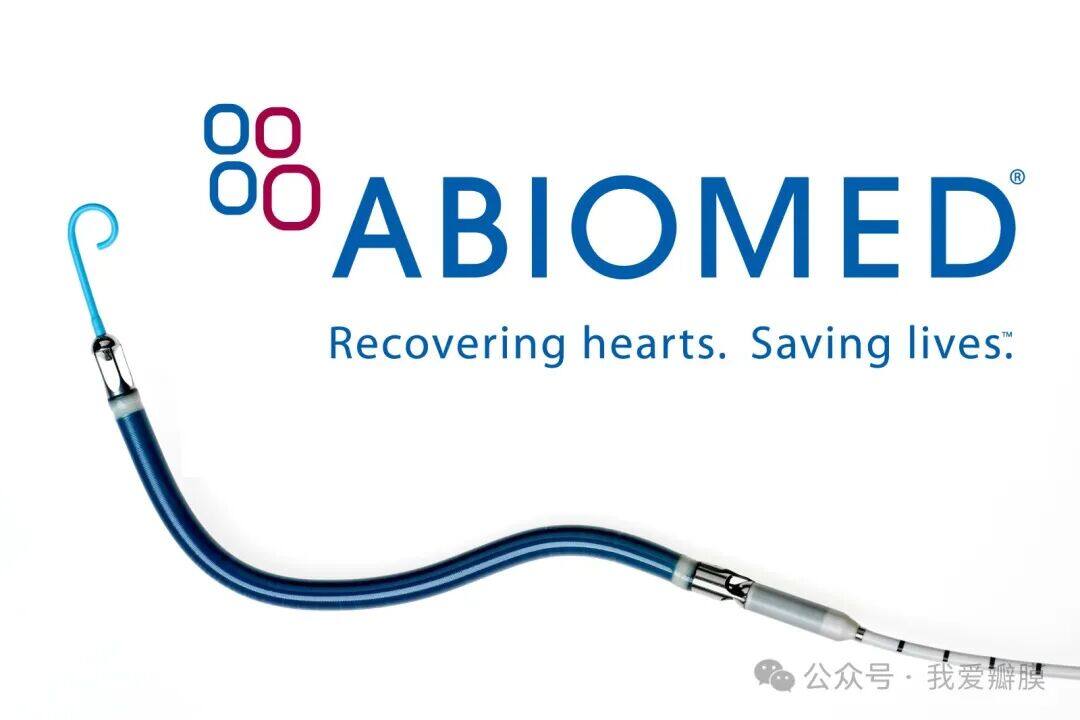
(1) Recall Protagonist Appearance
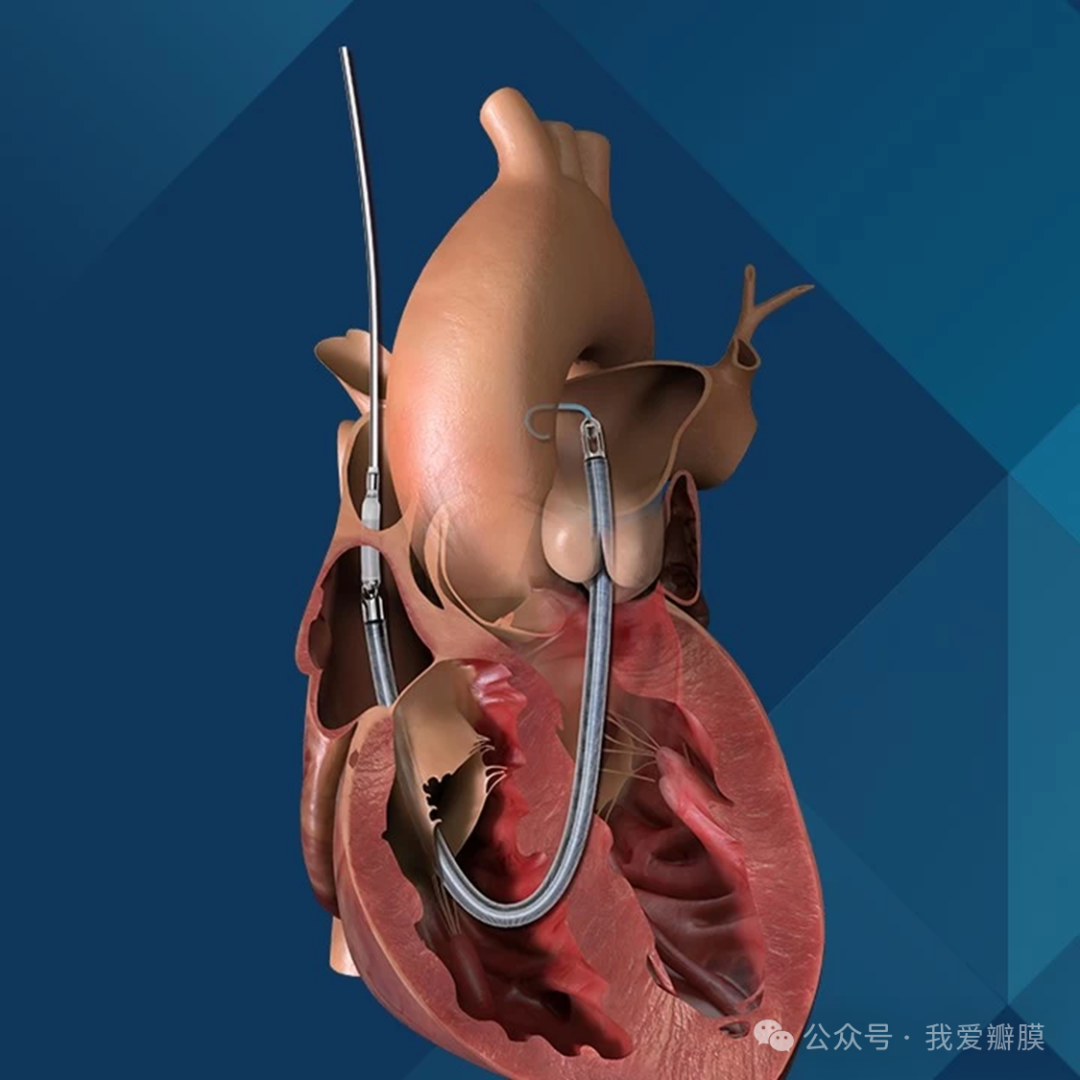
This time, the recall involved “Protagonist” Equipped by Johnson & Johnson SmartAssist The Impella RP And Impella RP Flex Cardiac Pump.These two heart pumps play a crucial role in the medical field. They are primarily used to assist patients with severely impaired heart function, taking on the vital task of maintaining blood circulation during critical moments such as heart surgeries or heart attacks, acting like a support system for the patient's heart. “Play Support”, allowing the heart to have a temporary opportunity for rest and recovery.
(II)FDA Operation Thunder
U.S. Food and Drug Administration (FDA) responded swiftly and announced this recall. Moreover,The level of this recall is I Category, this is FDA The most severe level in the recall classification. This means that if these devices are used without checking the update instructions, it is highly likely to cause serious injury or death, and the severity is self-evident. It is like a car being recalled; if the new safety instructions are not followed, severe malfunctions may suddenly occur during driving, endangering lives. As a medical device directly related to the patient's life, the potential risks of heart pumps cannot be underestimated.
Uncovering Major Safety Risks
(1) Potentially Fatal Contact
This recallThe main reason is in the heart pump “Insert, Adjust, or Remove” During the critical operation process, the risk of the tip of the guidewire or other medical devices coming into contact with the heart pump increases significantly.This seemingly simple contact, however, may trigger a series of events akin to “Domino” Serious consequences. Once contact occurs, it may first lead to damage of the optical sensor of the heart pump. The optical sensor plays a crucial monitoring role in the normal operation of the heart pump, acting like the “Eyes”, which can perceive the operating status and related data of the heart pump in real time. Once this“Eyes” Damaged, the heart pump is like a ship that has lost its direction, full of uncertainty during operation.
Immediately following, sensor damage may further cause the pump to temporarily stop working. For patients who rely on a heart pump to maintain blood circulation, even a brief stoppage of the pump can lead to insufficient blood supply to various organs, triggering a series of severe physiological reactions. If the pump stops for too long, or during a critical moment, it could potentially lead directly to the patient’s death. Worse still, there is also the possibility of an extreme scenario where the pump stops permanently, which would undoubtedly be a death sentence for the patient. “Death Penalty”, which has taken away their last shred of hope for survival.
Not only that, but this interaction may also trigger alarm systems, allowing medical staff to detect abnormalities immediately. However, it can also lead to the loss of certain critical heart and blood pressure readings. These readings are essential for doctors to assess the patient’s condition and adjust treatment plans. Once missing, doctors are left in the dark, struggling to accurately gauge the patient’s status, thus making it impossible to take effective treatment measures promptly, significantly increasing the patient's risk of life-threatening complications.
(II) Warning Behind the Data
Reviewing past recalls of Johnson & Johnson heart pumps, the data is alarming. In previous recall incidents, the number of casualties caused by heart pump issues was chilling. For instance, in 2023 - 2024 During the year, there were incidents where the pump catheter pierced the left ventricular wall of the heart during surgery, resulting in 49 Death,129 Severe injury cases. Behind these cold numbers lie the loss of vibrant lives and the shattering of families.
Each number represents a patient's life-and-death struggle against the grim reaper, and the endless pain and despair of their families. These historical data serve as a mirror, clearly reflecting the enormous hazards posed by safety issues with heart pumps, and sounding an even louder alarm for this recall incident. It makes us profoundly realize that as a medical device crucial to patients' lives, any minor safety hazard in a heart pump can be infinitely magnified, leading to severe consequences that cannot be reversed.
Johnson & Johnson's Response and Attitude

(1)“No problem” Statement
In response to this recall incident, Johnson & Johnson quickly responded. A spokesperson for the company stated:“We have not identified any manufacturing or design issues, nor have we received reports of patient injuries related to damaged optical sensors.” At the same time, it was particularly emphasized that the purpose of this recall is to educate customers, and it was especially pointed out that“This recall is not a product removal,Impella Heart pumps remain available for patients”From Johnson & Johnson's response, they seem to be fully confident in the safety and reliability of their own products, defining the recall action merely as an educational initiative for customers rather than a result of serious quality issues with the product itself.
(II) Is it really no problem?
However, can Johnson & Johnson's statement really convince people completely? Reviewing the past recall history of Johnson & Johnson's heart pumps, the answer seems far from optimistic. Over time, Johnson & Johnson's heart pumps have been recalled multiple times due to various safety issues. From previous severe incidents where pump catheters pierced the left ventricular wall of the heart, causing numerous casualties, to the current series of potential risks triggered by possible damage to optical sensors, these recurring problems inevitably raise doubts about Johnson & Johnson’s so-called “No manufacturing or design issues” Raise doubts. If there really are no design or manufacturing risks, why have such serious safety issues occurred repeatedly in a short period of time? Attributing them solely to improper operation or accidental factors is clearly unconvincing.
Perhaps Johnson & Johnson indeed has some undiscovered and unresolved issues in the process of product development and manufacturing. Or, there may be certain loopholes and deficiencies in the quality control of their products. After all, the safety of medical devices is directly related to the life and health of patients, and any minor oversight can be magnified, potentially leading to catastrophic consequences. As a company with significant influence in the medical field, Johnson & Johnson should take product safety issues more seriously, rather than merely issuing a seemingly casual statement.
Profound Impact on the Healthcare Industry
(1) The Patient's Trust Crisis
When patients learned that the Johnson & Johnson heart pump had been recalled due to safety issues, their inner panic and concern were imaginable. After all, the heart pump is a critical device they rely on to sustain life in their battle against illness. Now, this “Guardians of Life” But they have been labeled as a safety hazard, how can patients not feel fear and helplessness? It is like someone in the dark clinging tightly to a straw of salvation, suddenly being told that it may not be safe. That sense of despair and confusion is indescribable.
This trust crisis is not limited to the Johnson & Johnson heart pump alone; it will ripple out gradually and spread across the entire cardiac assist device field. When choosing treatment options, patients will become unusually cautious and hesitant. They will constantly ponder:“Are these cardiac assist devices really safe? Can I trust them to save my life?” Such concerns can lead patients into deep dilemmas when facing treatment decisions. Some patients may even abandon potentially effective treatment plans due to excessive worries about the safety of the equipment, thus delaying their condition and missing the best treatment opportunity.
(II) Industry Review and Reflection
The recall of Johnson & Johnson's heart pump this time has undoubtedly sounded a heavy warning bell for the entire medical device industry. It has made people deeply realize how important the safety and reliability of medical devices are. Any minor safety hazard can be infinitely magnified during clinical use, causing irreparable harm to patients.
This incident has prompted the medical device industry to begin a comprehensive and in-depth reflection on product safety and regulatory processes. Companies have come to realize that while pursuing product innovation and market share, they must not overlook product quality and safety. They have started to re-examine their R&D, production, and quality control systems, identify possible loopholes and deficiencies, and take active measures to improve them.
From the regulatory perspective, this incident has also triggered reflection among regulators on the existing regulatory processes. They have begun to consider how to further strengthen the oversight of medical devices, improve the regulatory mechanism, and ensure the safety and efficacy of products on the market. This may prompt regulators to establish stricter product standards and approval procedures, enhance inspections and supervision of medical device manufacturers, and increase penalties for violations. Only through stringent regulation can we ensure patient safety at the source and make medical devices a true guardian of patients' health.
Opportunities and Challenges for Domestic Enterprises

(1) Learn from the past to guide the future
For Chinese companies currently developing devices similar to heart pumps, Johnson & Johnson's recent recall incident is undoubtedly a sobering wake-up call. It serves as a reminder that domestic companies must fully consider all potential risk factors during the product design phase. Every detail, from material selection to structural design, directly impacts the safety and reliability of the product. For instance, in terms of materials, it is crucial to ensure that the chosen materials not only exhibit excellent biocompatibility and can function stably within the human body over the long term but also possess sufficient strength and durability to prevent damage during use. In terms of structural design, careful consideration must be given to the mechanical performance of the heart pump during insertion, adjustment, and removal, avoiding weak points that could easily lead to contact with the tips of guide wires or other medical devices.
In the clinical trial phase, there is absolutely no room for carelessness. Enterprises in China must strictly adhere to relevant regulations and standards to conduct comprehensive and in - depth clinical trials. The quality and integrity of clinical trials should not be neglected for the sake of pursuing R&D speed. The sample size of clinical trials must be large enough to cover patients of different age groups, different disease severity levels, and different physical conditions to ensure that potential issues with the product under various actual usage scenarios can be fully identified. At the same time, the monitoring of clinical trials must be meticulous. Not only should the main functional indicators of the heart pump, such as pumping capacity and flow stability, be closely observed, but also various possible adverse reactions and complications should be carefully monitored. Data should be collected and analyzed promptly to provide a strong basis for product improvement.
(II) The Opportunity to Overtake on the Curve?
Despite the impact on the entire industry caused by the Johnson & Johnson heart pump recall, from another perspective, it also presents a rare development opportunity for Chinese enterprises. In the face of a trust crisis affecting foreign products, if domestic companies can leverage more rigorous research and development approaches along with stricter quality control to produce safe and reliable cardiac assist devices, they may be able to secure a place in the market.
Chinese companies need to increase R&D investment, attract and cultivate a group of high-quality R&D talents, and form professional R&D teams. Leverage China's technological advantages in areas such as artificial intelligence, big data, and biomaterials to drive technological innovation. For instance, use AI algorithms to conduct real-time analysis and prediction of operational data from heart pumps to detect potential faults in advance; apply big data technology to mine and analyze vast amounts of clinical data to optimize product design and performance; develop new biomaterials to enhance the biocompatibility and durability of heart pumps.
In terms of quality control, domestic enterprises in China must establish a comprehensive quality management system, strictly overseeing every step from raw material procurement, production processing, assembly and debugging, to finished product inspection. Advanced quality testing equipment and technologies should be introduced to conduct thorough and meticulous inspections of products, ensuring they meet high-quality standards. At the same time, it is crucial to strengthen monitoring and management of the production process, strictly adhering to production norms and operational procedures to avoid quality issues caused by human factors. Only through rigorous research and development and stringent quality control can domestic enterprises stand out in the fiercely competitive market, achieve rapid advancement, and provide patients with safer and more effective cardiac assist devices.
Conclusion: Continued Attention and Expectations
The recall of Johnson & Johnson's heart pump has undoubtedly brought a huge shock and profound reflection to the entire medical industry. It shows us that even industry giants can make significant mistakes regarding product safety. The life safety of patients is always the primary concern of the medical industry, and any safety hazard in medical devices cannot be ignored. As members who care about the development of the medical industry, we will continue to follow the subsequent developments of this incident, to see how Johnson & Johnson further addresses these safety issues, and... FDA What more effective regulatory measures will the regulatory authorities take.
At the same time, we also expect the entire medical device industry to take this incident as an opportunity to place greater emphasis on the safety and reliability of products. Companies must continuously strengthen research and development and quality control, while regulatory authorities should keep improving the supervision mechanism. Together, we can create a safer and more reliable medical environment for patients, allowing every patient to receive treatment with peace of mind, regain health, and restore hope.