Chen Yuhong Professor Team: DKutting® High-Pressure Scoring Balloon Facilitates Improved AVF Patency

DK Medtech
Vascular Interventional Balloon Product Developer

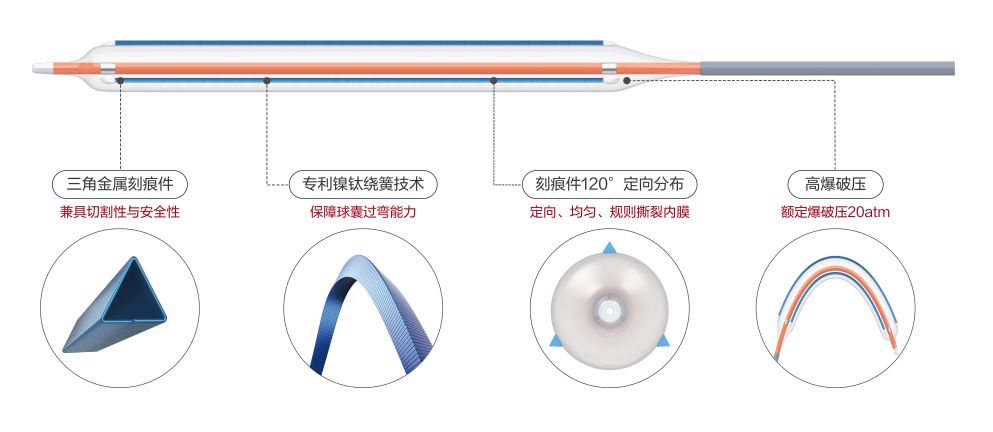
With the vigorous development of China's peripheral vascular intervention market, common balloons tend to cause complications such as excessive vascular injury, flow-limiting dissections, and hematomas when treating the increasing number of highly resistant stenotic lesions. In contrast, pressure-focusing balloons utilize cutting/notching components positioned between the vessel wall and the balloon’s outer diameter during expansion. These components enhance localized pressure for efficient directional dilation, thereby reducing vascular elastic recoil and representing a new direction in the evolution of vascular intervention balloons.
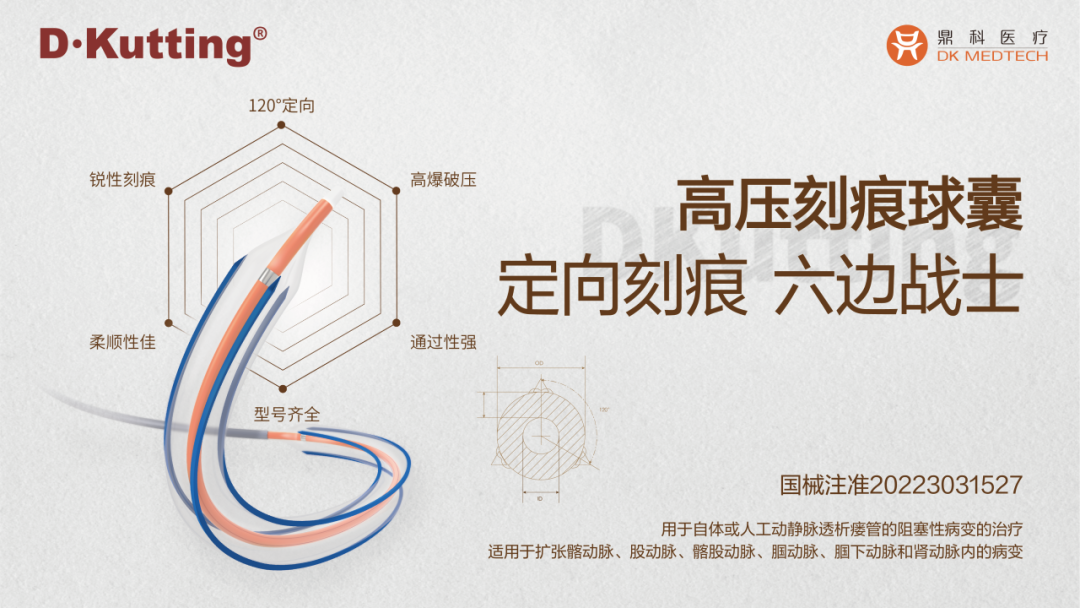
DK Medtech's Self-Developed DKutting®The high-pressure scoring balloon, featuring an exclusive patented design (CN201810478242.X), boasts numerous advantages such as excellent deliverability, uniform expansion, and high burst pressure. In terms of overall product performance, it can be described as a "hexagonal warrior," representing a significant breakthrough in independent innovation by local enterprises to surpass top-tier imported products.
DK Medtech Special Release[Professor Chen YuHong's Team: DKutting®High-Pressure Scoring Balloon Helps AVF Stay More Open: Case Presentation, demonstrating the fine operation of each case and the clinical application of advanced equipment and instruments. From the formulation of treatment strategies for different cases, standardized procedures during surgery, technical applications, complication prevention, perioperative management, etc., the aim is to promote the standardization of diagnosis and treatment for vascular stenosis and occlusive diseases, strengthen technical exchanges and experience sharing among doctors, with the hope of providing new ideas and methods for future diagnosis and treatment, benefiting more clinical patients.
DKutting®High-Pressure Scoring Balloon Helps AVF Stay More Open
Liuzhou Traditional Chinese Medicine Hospital, Chen Yuhong, Wei Li
Patient Information
Basic Information:Male, 42 years old, with a history of right internal jugular vein catheter dialysis for 2 years and left forearm AVF reconstruction for 7 months.
Chief Complaint:Reconstruction of the left forearm AVF still failed to be usable 7 months later (admitted on December 12, 2024).
History of Present Illness:Reconstruction of the left forearm AVF was performed on May 16, 2024, but the fistula flow has been consistently insufficient for use. Attempts to puncture the fistula vessel for dialysis at a local hospital were unsuccessful.
Past Medical History:Two years ago, the patient was diagnosed with chronic renal failure and uremia, after which a long-term catheter was placed in the right neck for dialysis. The patient has a history of renal hypertension, chronic heart failure, and iron-deficiency anemia. At the age of 7, the patient suffered a lumbar vertebral fracture and intestinal rupture due to trauma and underwent intestinal rupture repair surgery at a local hospital. Post-surgery, the patient experienced paralysis of both lower limbs and incontinence of bowel and bladder, along with recurrent bedsores on the buttocks. In April 2018, the patient was hospitalized in the urology department of our hospital for "transurethral ureteroscopic cystolithotripsy, ureteroscopic dilation, and left ureteral stone holmium laser lithotripsy." On February 27, 2024, the first arteriovenous fistula (AVF) was established in the left forearm, and in May 2024, the fistula was found to be occluded.
Physical Examination:There are two surgical scars near the wrist on the left forearm, with weak thrill and vascular murmur upon palpation of the internal fistula; the fistula vessels of the left forearm are not superficial.
Admission Diagnosis:Left forearm AVF stenosis.
Previous interventional treatment
Time | Main Treatment Process |
October 2022 | Long-term Catheter in Right Internal Jugular Vein |
November 2023 | Right Jugular Catheter Infection |
February 2024 | Right Jugular Catheter Infection |
February 2024 | Left forearm AVF (first time), occlusion discovered 3 months later |
May 2024 | Left forearm AVF (Reconstruction) |
Preoperative Analysis
Preoperative Analysis:Preoperative physical examination and color Doppler ultrasound evaluation suggested severe stenosis of the cephalic vein outflow tract with local calcification.
Surgical Objective:
Main Objectives:Dilate the cephalic vein outflow tract, restore normal fistula blood flow, and meet the requirements for dialysis;
Secondary Objectives:Prolong AVF service life, fewer complications, fewer interventions.
Surgical Strategy/Plan:Balloon dilation under DSA guidance.
Equipment Preparation:
Standard Balloon 4*60mm
Standard Balloon 6*60mm
High-Pressure Balloon 6*40mm
DKutting®High-Pressure Scoring Balloon 6*40mm
Surgical Procedure
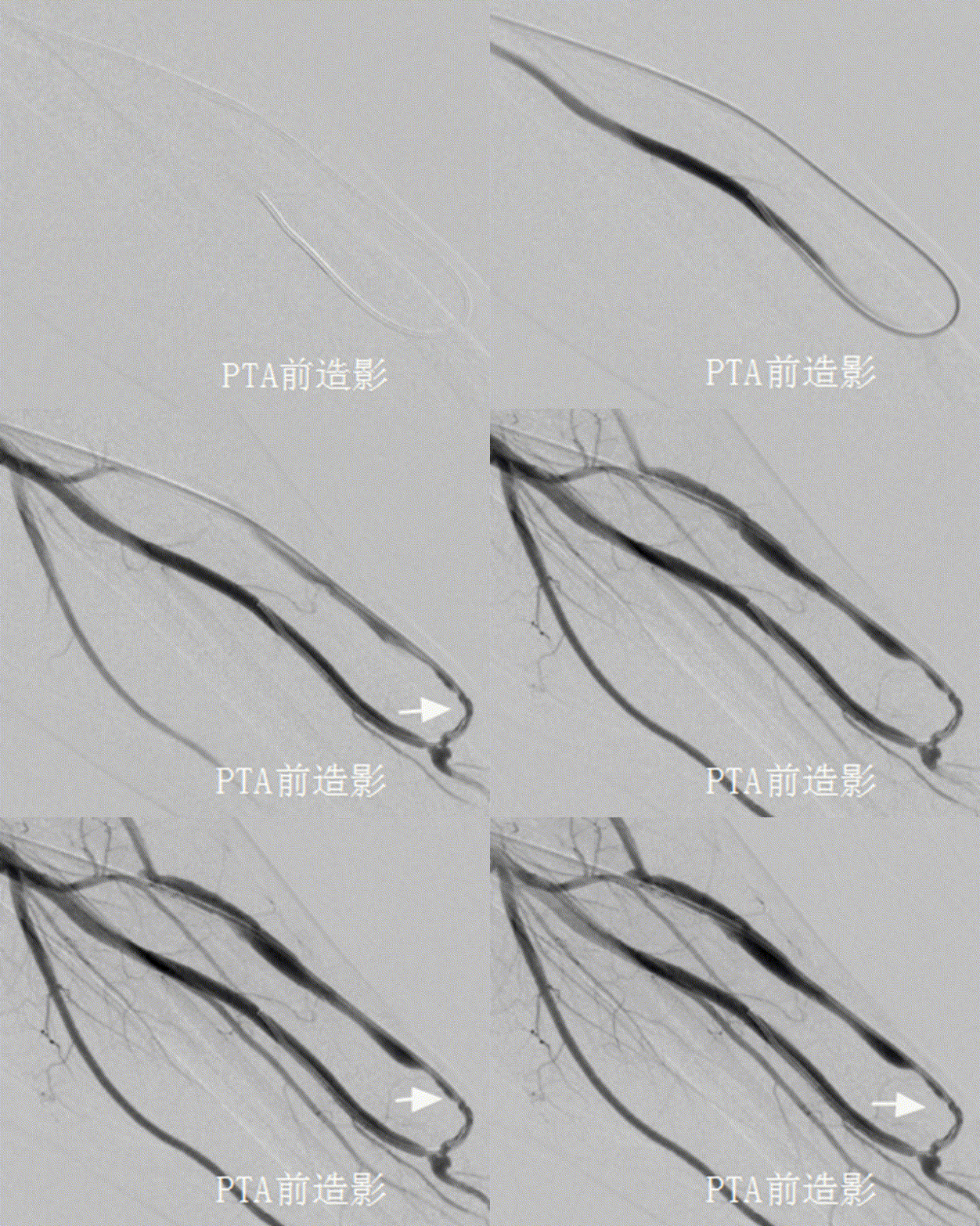
Preoperative angiography revealed significant stenosis in the outflow tract of the cephalic vein.
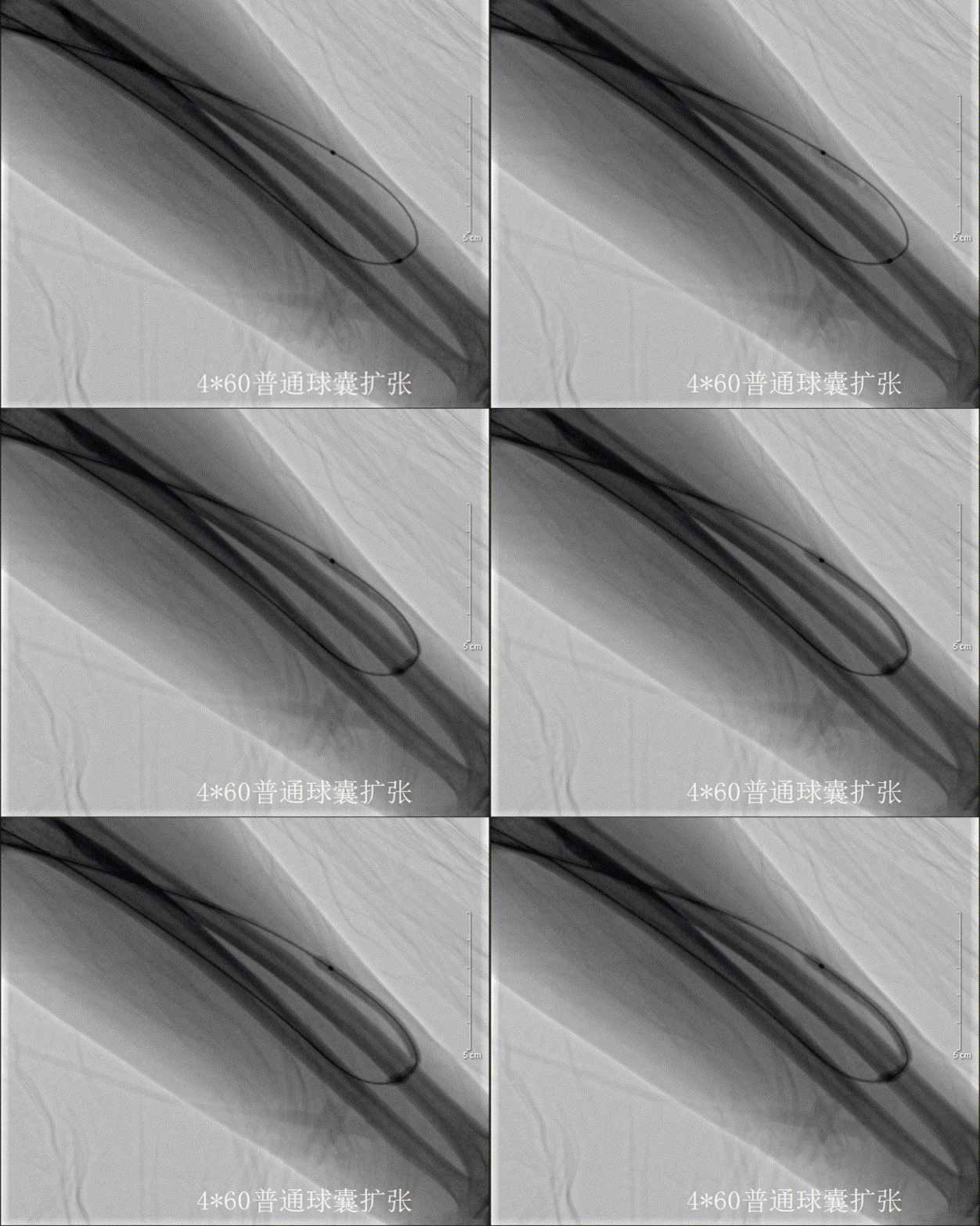
Repeated dilation with a 4*60mm standard balloon failed to fully expand the stenotic segment.
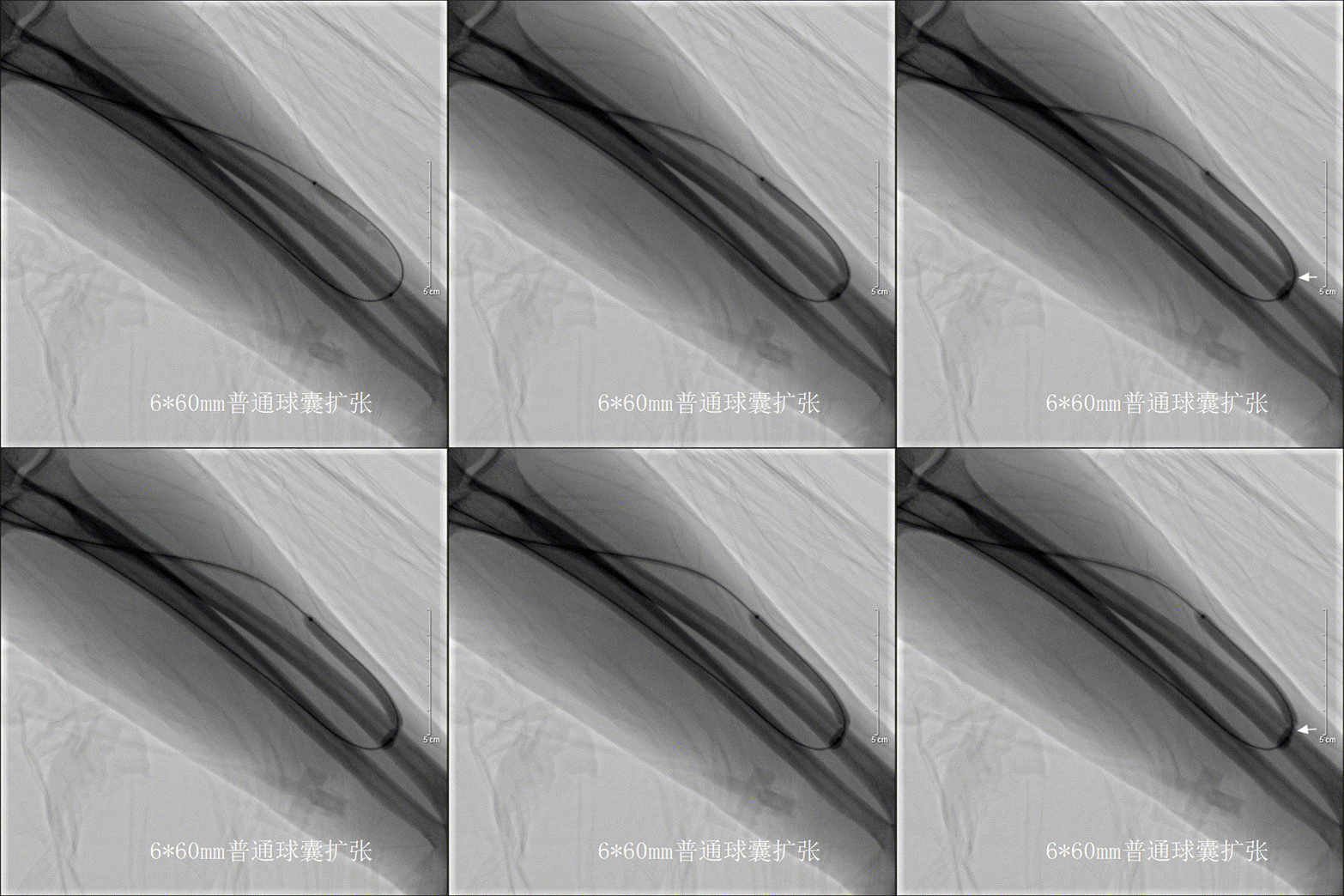
Repeated dilation with a 6*60mm standard balloon failed to fully expand the stenotic segment.
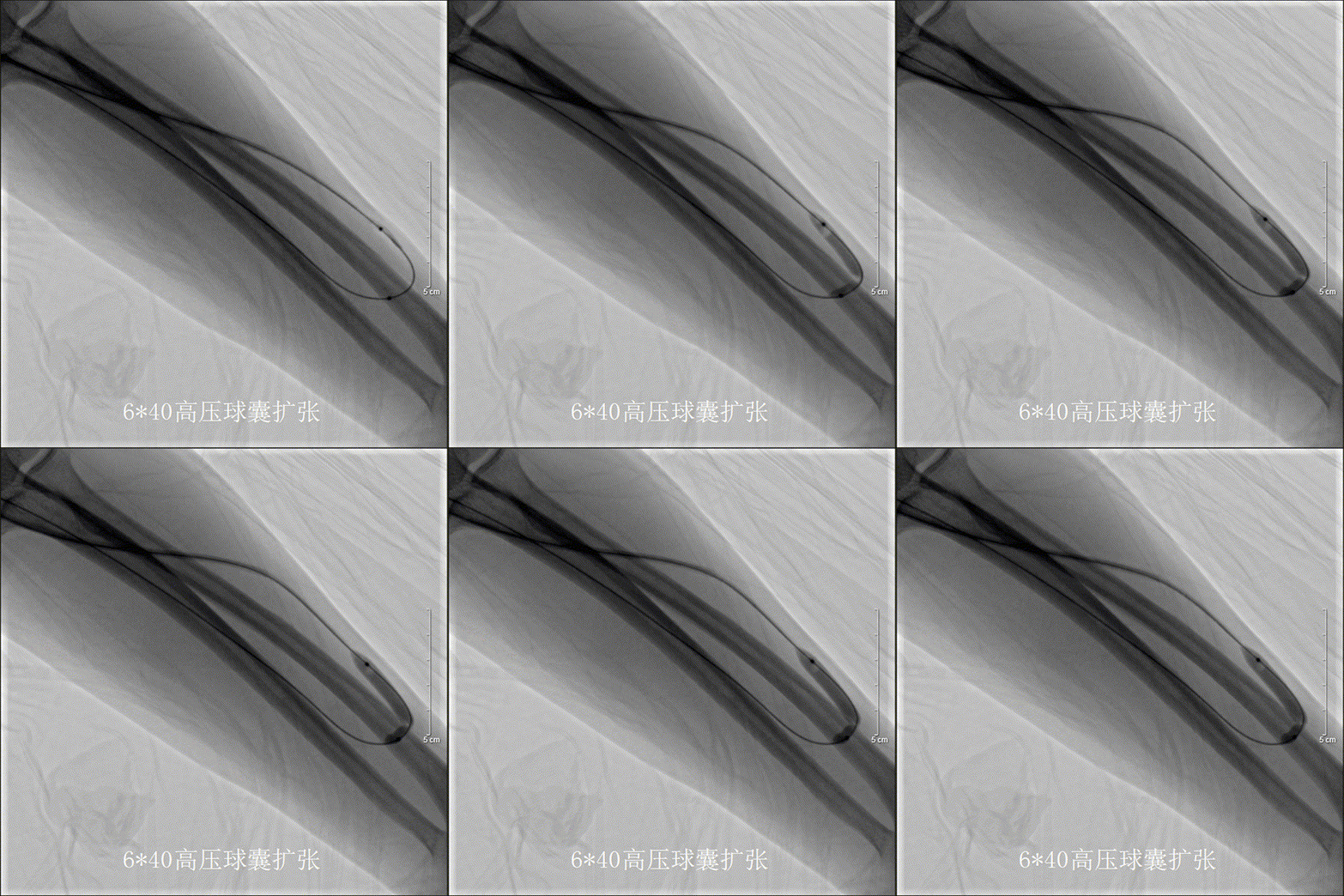
Repeated dilation of the stenotic segment with a 6*40mm high-pressure balloon was still unable to fully expand it.
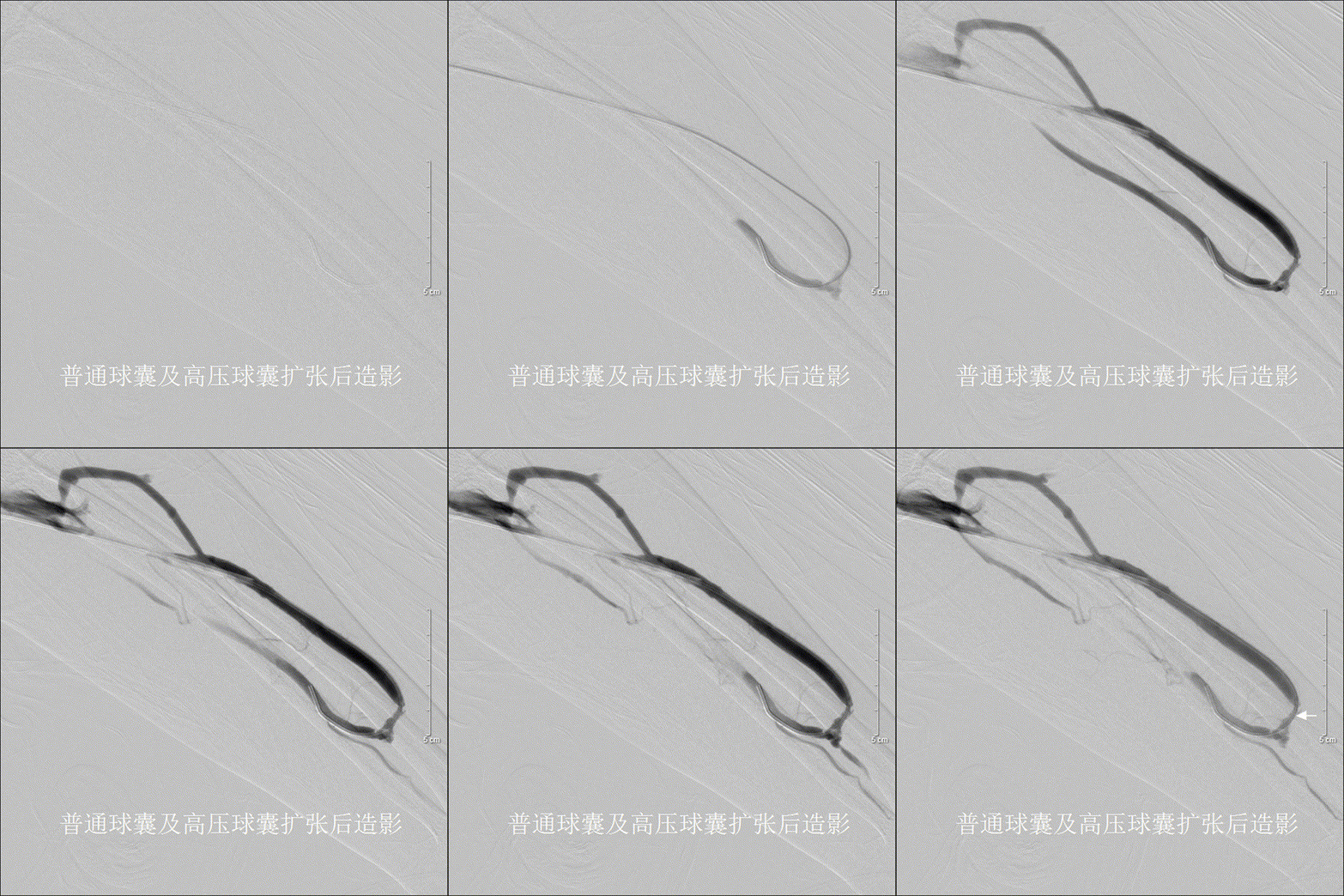
After ordinary balloon and high-pressure balloon dilation, follow-up angiography showed improved blood flow in the fistula compared to pre-operation, but the stenotic segment of the outflow tract still remained.
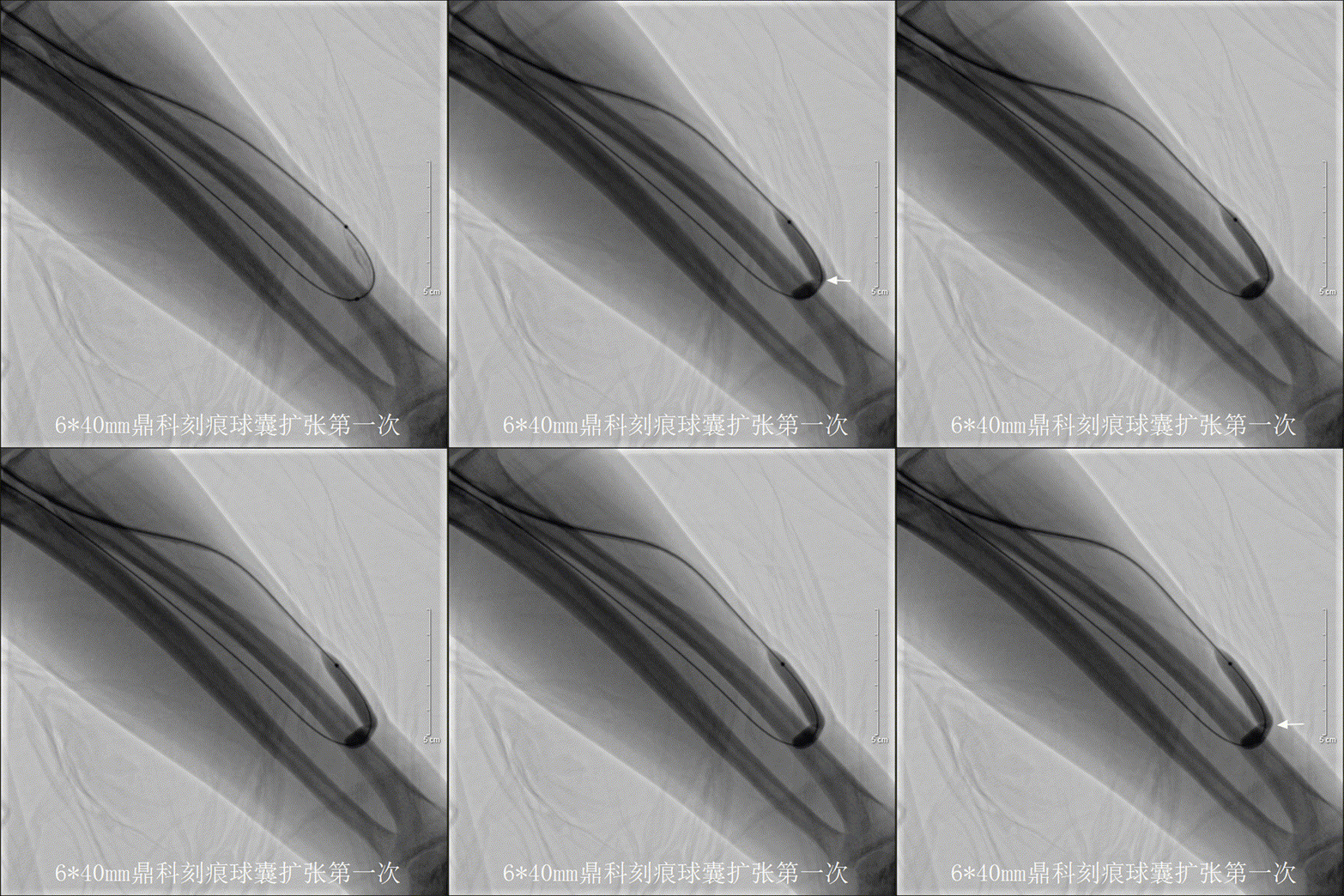
The first dilation with a 6*40mm high-pressure scoring balloon easily expanded the stenotic segment.
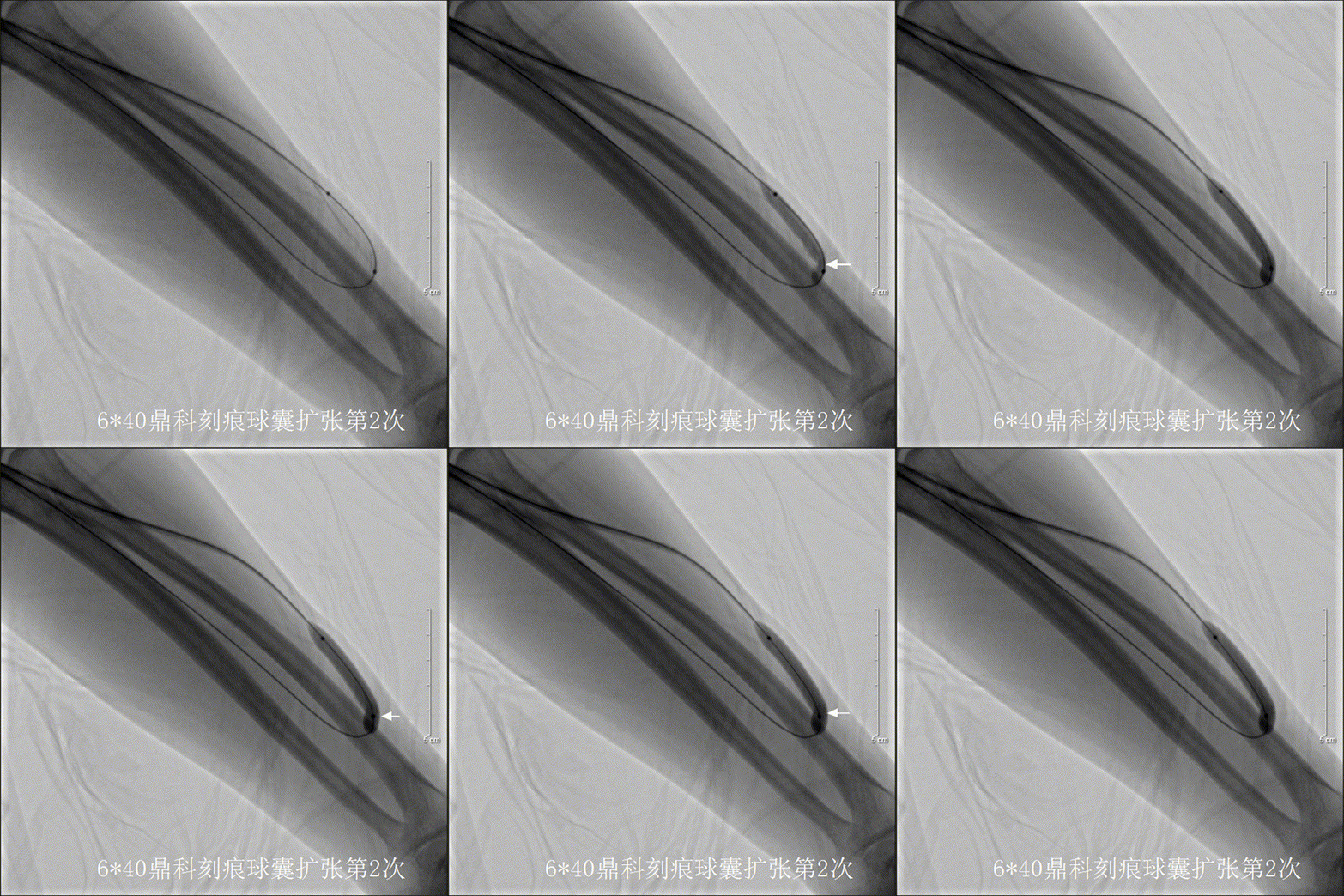
The second dilation with a 6*40mm high-pressure scoring balloon showed complete expansion of the stenotic segment.
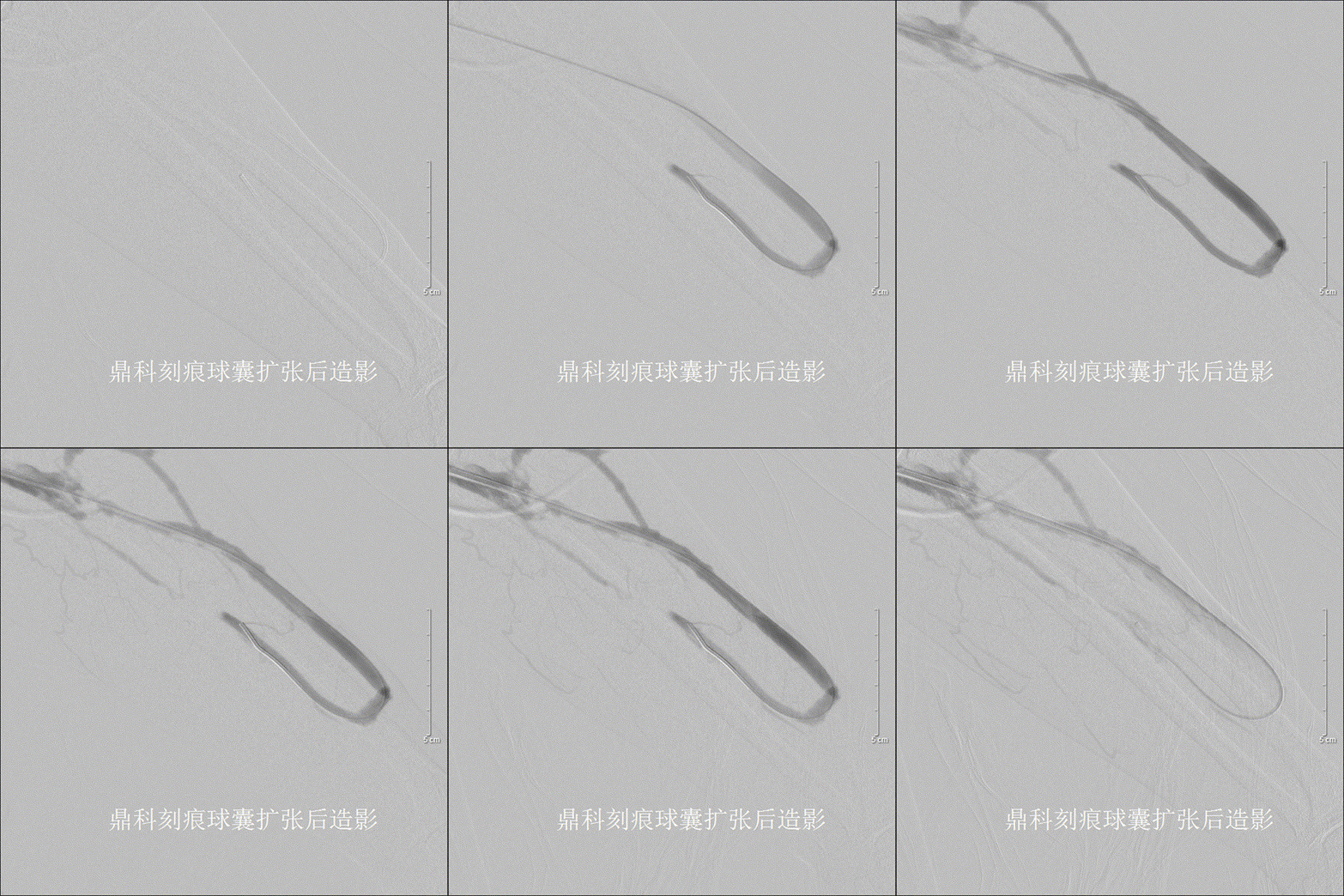
Angiography after DK Medtech high-pressure scored balloon dilation showed very satisfactory internal fistula blood flow.
Follow-up
Discharge Status:
After balloon dilation, the thrill of the AVF vessel significantly increased.
The next day, the AVF was used for dialysis treatment, and both blood flow and venous pressure were normal.
Case Summary
Case Characteristics:Severe stenosis with local calcification in the outflow tract of the left forearm arteriovenous fistula。
Preoperative Assessment Key Points:The patient underwent reconstruction of the left forearm AVF, but the flow of the fistula has been consistently insufficient. Combined with ultrasound findings, this is considered to be related to severe stenosis and localized calcification of the outflow cephalic vein.
Surgical Strategy/Technical Key Points:
For the first PTA of the internal fistula vessel, pre-treat the vascular lesion segment with a smaller balloon, and be sure to avoid vascular rupture.
The use of high-pressure scoring balloons is beneficial for handling difficult cases.
Features/Usage Tips of the Device:
Better results may be achieved by dilating the severely narrowed segment with the balloon tip.
The balloon maintains a pressure-expanded state for approximately half a minute after being inflated.
Effectiveness Evaluation:During this surgery, neither the conventional balloon catheter nor the high-pressure balloon catheter could adequately dilate the stenotic segment of the fistula, and the blood flow through the fistula remained significantly restricted. After using the high-pressure scoring balloon, the stenotic segment was fully dilated, resulting in highly satisfactory fistula blood flow.

Introduction of Experts


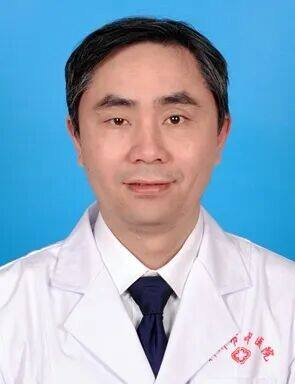
Professor Chen Yuhong
Director of Vascular Surgery
Chief Physician, Director of Cardiothoracic and Vascular Surgery, Master's Supervisor;The 14th Batch of Top Talents in Liuzhou City;Deputy Director of the Vascular Surgery Branch of the Guangxi Medical Association;National Committee Member of the Abdominal Aortic Group, Vascular Surgery Branch of the Chinese Medical Doctor Association;Youth Committee Member of the Vascular Surgery Specialty Committee of the National Cardiovascular Disease Expert Committee;Youth Committee Member of the Vascular Medicine Professional Committee of the Chinese Research Hospital Association;National Committee Member of the Peripheral Vascular Branch of the Chinese Geriatrics Society.
Professor Wei Li
Associate Chief Physician, Surgeon
Deputy Chief Physician of the Department of Cardiothoracic and Vascular Surgery, Liuzhou Traditional Chinese Medicine Hospital.
Skilled in the diagnosis and treatment of lung tumors, mediastinal tumors, and large vessel and peripheral vascular diseases, focusing on establishing vascular access for dialysis and performing interventional and open surgeries to address various access-related complications.
Social Part-time:Member of the Second Vascular Access Group of the Vascular Surgery Branch of the Chinese Medical Doctor Association;Member of the Vascular Surgery Branch of the Guangxi Medical Association;Member of the Quality Control Group of the Peripheral Vascular Intervention Venous Group, Vascular Surgery Branch of Guangxi Medical Association;Member of the Guangxi Medical Association's Multidisciplinary Comprehensive Treatment Committee for Tumors;Member of the Lung Cancer Professional Committee of the Guangxi Anti-Cancer Association;Committee Member of the Peripheral Vascular Disease Prevention and Treatment Professional Committee of the Guangxi Preventive Medicine Association.

Department Introduction

The Department of Cardiothoracic and Vascular Surgery at Liuzhou Traditional Chinese Medicine Hospital is a clinical department integrating medical treatment, scientific research, and teaching. It is a member of the Guangxi Venous Thrombosis Prevention and Treatment Alliance and the China Chest Wall Surgery Alliance, as well as the host unit of the Guizhong Regional Hemodialysis Access Alliance. The department specializes in treating various cardiac surgical diseases, vascular surgical diseases, and thoracic surgical diseases. The vascular access team performs various dialysis access surgeries, including autologous arteriovenous fistula formation, arteriovenous graft bypass surgery, establishment and maintenance of long-term catheters, percutaneous transluminal angioplasty for fistula complications, and open surgeries.
Department Work Phone: 0772-3356158. Patients in need are welcome to call for inquiries!
Copyright Statement: This platform aims to help healthcare professionals better understand the latest developments in relevant disease areas. The information published on this platform does not imply agreement with its descriptions or viewpoints, but is merely intended to provide more information. If there are any copyright issues, we kindly request the rights holders to contact us, and we will address them as soon as possible. The information is solely for healthcare professionals to stay informed, and such information cannot replace professional medical guidance in any way, nor should it be regarded as diagnostic or treatment advice. If such information is used for purposes other than staying informed, this platform and the author shall not bear any related responsibilities.Contact email for collaboration:vascular@edoctor.work。