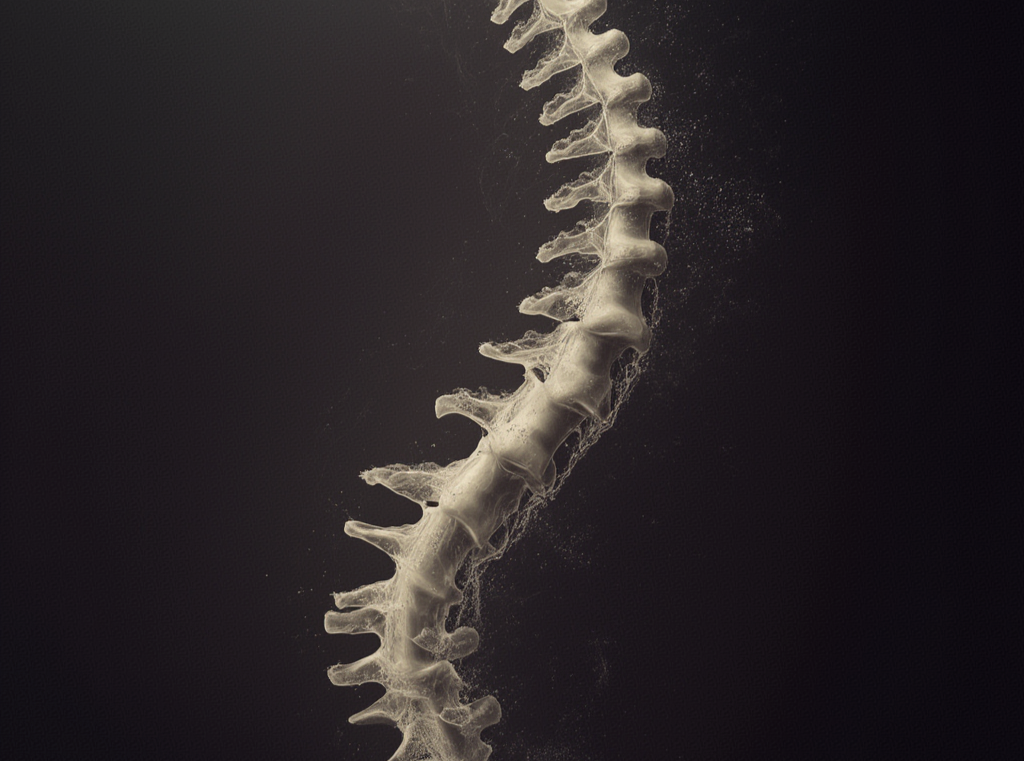
Recently,Medtronic Officially Announces the Release of the CD Horizon ModuLeX Spinal System, This system is specifically designed for complex spinal deformity correction surgeries. By integrating the AiBLE intelligent ecosystem (covering navigation, robotic guidance, AI data analysis, imaging technology, etc.), it significantly enhances the predictability and precision of surgeries, and is considered a major technological leap in the field of spinal surgery.

The background of this release can be traced back to the 2024 Annual Meeting of the North American Spine Society (NASS). At that time, Medtronic had announced a collaboration with Siemens Healthineers to jointly develop preoperative imaging and postoperative monitoring technologies for spinal surgeries. The launch of the ModuLeX system is one of the outcomes of this strategic partnership. Moreover, Medtronic has solidified its leading position in the spinal surgery robotics field through several acquisitions in recent years (such as the acquisition of Mazor Robotics in 2018), and the release of this new system further expands its lumbar fixation product line.
Modular Design + Smart Ecosystem,
Redefine Surgical Standards
CD Horizon ModuLeX Spinal System, with the deep integration of modular design and intelligent technology, has brought unprecedented transformation to the surgical field, dedicated to providing surgeons with highly flexible surgical solutions:
- Modular Screw Platform:Allows intraoperative selection of different screw rod and screw head combinations, customizing personalized solutions based on the patient's anatomy, especially suitable for complex deformity correction.
- Enhanced Visualization and Operational Flexibility:Optimize the intraoperative view through the in-situ screw assembly, and combine it with real-time navigation and robotic guidance from the AiBLE ecosystem to help doctors perform operations more accurately.
- Reliability Assurance:All screws undergo rigorous strength testing to ensure the stability of the one-way connection between the screw shaft and head, reducing intraoperative risks.
The system is also deeply integrated into Medtronic's AiBLE ecosystem, such as:
- Mazor X Spine Robot Provides AI-Driven Bone Cutting and Graft Delivery Support;
- UNiD ASI Platform Adds MRI Vision Function, Enabling Automated Analysis of Lumbar MRI Images to Assist in Surgical Planning.
In response, Dr. Nicholas Fletcher from Scottish Rite Hospital in Atlanta commented: "The ModuLeX system significantly enhances the efficiency and visibility of complex deformity surgeries, particularly showcasing unique advantages in pediatric patients." Michael Carter, General Manager of Medtronic's Spine and Biologics division, stated: "The ModuLeX system builds on 40 years of technical expertise from the CD Horizon series and achieves intelligent upgrades in the operating room environment through the AiBLE ecosystem." This release not only strengthens Medtronic’s leading position in spinal surgery but also reflects its dual-track strategy of 'global innovation + localization.'

For patients with spinal deformities, the emergence of the CD Horizon ModuLeX Spinal System is undoubtedly a blessing. More precise surgeries mean higher cure rates and better quality of life, giving them the opportunity to escape the suffering caused by spinal deformities and regain a healthy life. The release of this new product by Medtronic will drive technological advancements in the field of spinal surgery. Its advanced technology and concepts may prompt other medical companies to follow suit and innovate, thereby promoting the development of the entire industry. At the same time, it will also encourage doctors to continuously learn and master new technologies, improving the level of medical services. The launch of this new product further solidifies Medtronic's leading position in the field of spinal surgery. With a rich product line and advanced technology, it will attract more customers, increase market share, and bring more business opportunities and economic benefits to Medtronic.
The "Battle of the Titans" in Global Spinal Surgery Instruments
However, Medtronic's new system is not without competition in the market, as it faces fierce competition from around the globe. The VELYS SPINE robotic system, launched by Johnson & Johnson DePuy Synthes in 2024 and approved by the FDA, focuses on active robotic arm assistance, creating direct competition with Medtronic. Following the merger of NuVasive and Globus Medical, the combined company has become the world's second-largest spinal technology enterprise. Its Pulse platform, which integrates intraoperative monitoring and navigation technologies, has also secured a significant position in the market.
In China, local companies such as TiRobot and XinJunTe are also making continuous efforts. TiRobot's "Tianji" series of robots can already perform surgeries on the entire spinal segment, with a positioning accuracy of an astonishing 0.8 millimeters, demonstrating strong technical capabilities. XinJunTe’s ORTHBOT robot has passed the EU MDR certification and is accelerating its international layout, beginning to make a name for itself in the international market.
The "Surge" in the Spinal Instrumentation Market
Currently, the global spinal device market is in a golden period of rapid development. On one hand, with the increasingly severe trend of global aging, the burden of diseases is also continuously increasing.According to statistics, approximately 20% of the global population aged 65 and above require spinal surgery intervention; in China, the number of spinal surgeries is expected to exceed 3 million cases by 2030.A large patient population provides broad room for development in the spinal device market.
On the other hand, the rapid iteration of technology is also driving the progress of the industry. The widespread application of advanced technologies such as AI, robotics, and 3D printing is enabling surgeries to continuously evolve towards minimally invasive and precise directions. According to Data Bridge's forecast, the annual growth rate of the sacral neuromodulation (SNM) market from 2023 to 2030 will reach 10%, while the growth potential of technologies related to spinal surgery is immeasurable.
In terms of policy, although China's volume-based procurement policy has promoted the substitution of imports, local companies have also accelerated technological breakthroughs through means such as mergers and acquisitions. For example, Aikon Medical acquired Medtronic's subsidiary, Libeier. However, in the high-end market, foreign brands still dominate.
The release of the Medtronic CD Horizon ModuLeX system is undoubtedly an important milestone in the field of medical technology.It marks that spinal surgery has officially entered the "intelligent surgery era".Against the backdrop of accelerating global aging and continuously upgrading healthcare demands, competition in the future medical market will become increasingly fierce. Only those enterprises that can address real clinical pain points with innovative technologies and optimize the entire treatment process through ecosystem collaboration will stand out in this intense competition and occupy the commanding heights of the industry.
For the Chinese market, the rapid rise of local companies and the continuous deep cultivation by foreign giants will jointly drive the spinal medical field towards a diversified and prosperous direction. Whether it is the relentless efforts of local enterprises in technological breakthroughs or the exploration of foreign companies in integrating global innovation with localization, these efforts will provide patients with more and better treatment options, injecting continuous momentum into the development of medical technology. We have every reason to believe that, with the joint efforts of all parties, the future of the spinal medical field will be full of infinite possibilities.
▲ Source: Medical Device Innovation Network▲Please indicate the above source for reprint.Disclaimer: This article is intended solely for the purpose of information transmission and is for reference only. It does not constitute any advice on investment or treatment; please exercise caution. If it involves the content, copyright, or other issues of the work, to protect the rights and interests of both parties, please contact us, and we will handle it immediately. If any platform reprints this article, it must take responsibility for the article itself; the Medical Device Innovation Network is not responsible for any secondary dissemination caused by the reprint.