Professor Pan Ye's Team Showcases DKutting® High-Pressure Scoring Balloon in the Treatment of Lower Extremity Arterial Occlusive Disease

DK Medtech
Vascular Interventional Balloon Product Developer

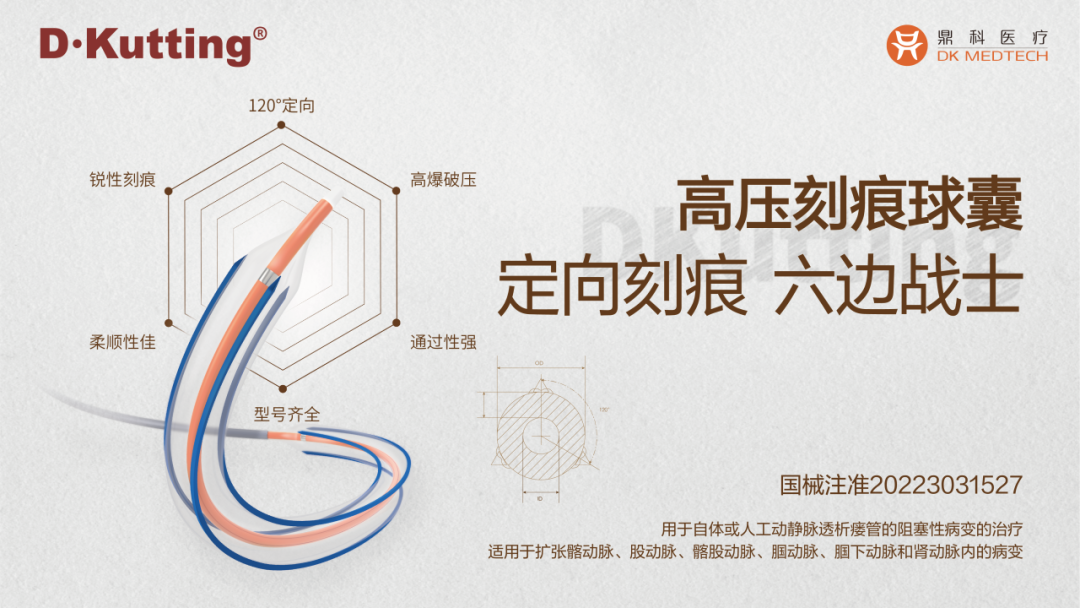
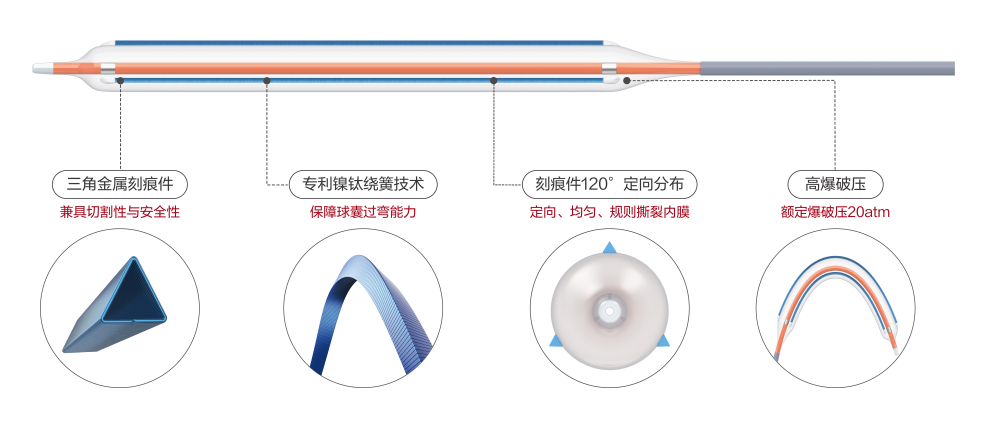
With the vigorous development of China's peripheral vascular intervention market, common balloons tend to cause complications such as excessive vascular injury, flow-limiting dissections, and hematomas when dealing with the increasing number of highly resistant stenotic lesions. In contrast, pressure-focusing balloons utilize cutting/notching components positioned between the inner wall of the blood vessel and the outer diameter of the balloon during expansion, which enhance localized pressure and enable efficient directional dilation. This reduces vascular elastic recoil and represents a new direction in the evolution of vascular intervention balloons.
DK Medtech's Self-Developed DKutting®The high-pressure scoring balloon, with an exclusive patented design (CN201810478242.X), boasts many advantages such as excellent deliverability, uniform expansion, and high burst pressure. In terms of overall product performance, this product can be called a "hexagonal warrior," marking a significant breakthrough for local companies in innovating and surpassing top-tier imported products.
DK Medtech Special Release[Professor Pan Ye's Team: DKutting®Application of High-Pressure Scoring Balloon in Lower Limb Arterial Occlusive Disease: Case Presentation, demonstrating the meticulous operation of each case and the clinical application of advanced equipment and instruments. From the formulation of treatment strategies for different cases, standardized intraoperative procedures and technical applications, complication prevention, to perioperative management, etc., the aim is to promote the standardization of diagnosis and treatment for vascular stenosis and occlusive diseases, strengthen technical exchanges and experience sharing among doctors, with the hope of providing new ideas and methods for future diagnosis and treatment, benefiting more clinical patients.
DKutting®High-Pressure Scoring Balloon
Application in Lower Extremity Arterial Occlusive Disease
Pan Ye, Wu Haisheng from the Sixth People's Hospital affiliated to Shanghai Jiao Tong University School of Medicine
Patient Information
Basic Information:Male, 75 years old.
Chief Complaint:Aching pain in both lower limbs for more than 5 years, with the right lower limb being more prominent.
Physical Examination:Both lower limbs are symmetrical, without deformities, and with good skin color. Left dorsalis pedis artery (+). Right dorsalis pedis artery (-).
Admission Diagnosis:
Arteriosclerosis Obliterans of Both Lower Limbs;
Right Iliac Artery Occlusion;
Type ǁ Diabetes.
Preoperative Analysis
Preoperative Analysis:The patient was admitted to the hospital due to right lower limb arterial sclerosis occlusion, right iliac artery occlusion, and type ǁ diabetes. Preoperative examination indicated right iliac artery occlusion with a claudication distance of 100m. The surgical indications were clear, and preoperative examination showed no significant contraindications for surgery. The planned procedure is lower limb PTA with stent angioplasty.
Surgical Objective:
Main Objectives:Open the right iliac artery.
Preoperative Preparation/Considerations:
Surgical Preparation:Guidewire, Catheter, Balloon, Stent;
Precautions:Careful operation during the procedure, postoperative anticoagulant and antiplatelet therapy, thrombolysis or thrombectomy.
Surgical Procedure
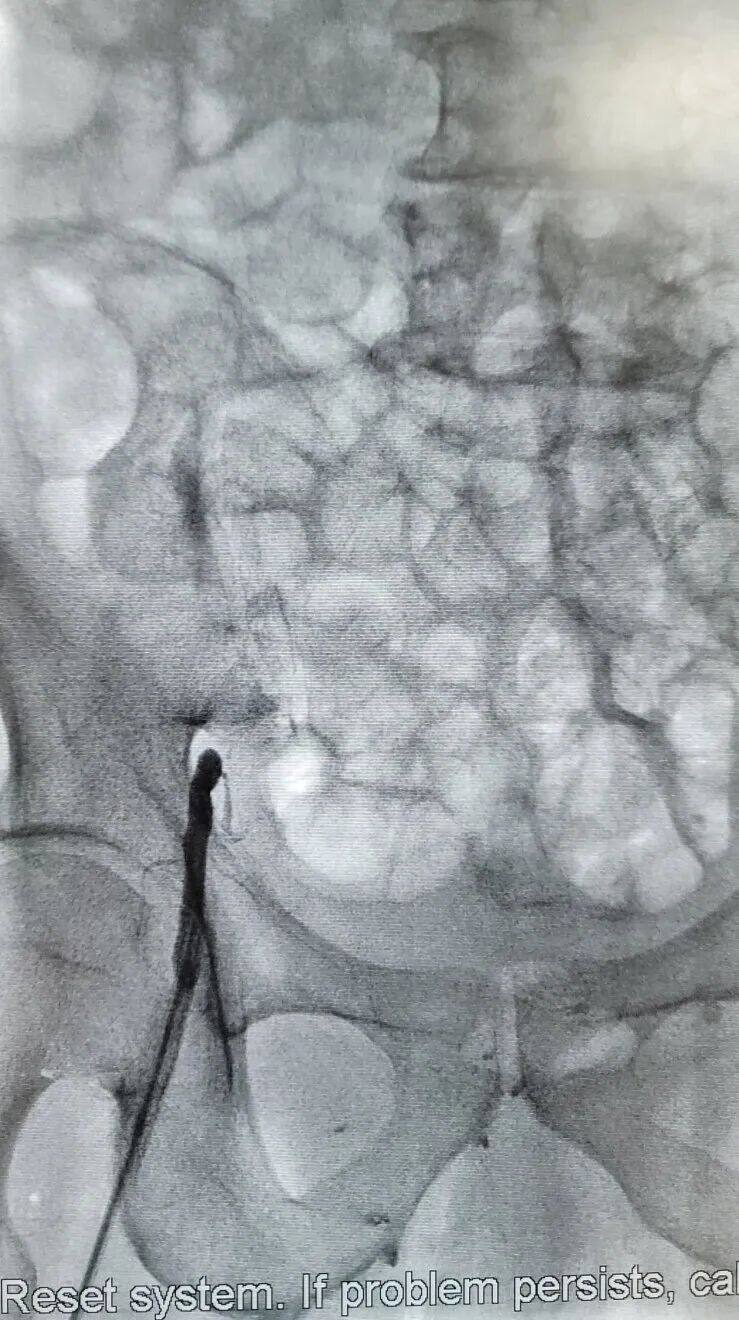
Seldinger Method: Puncture the right femoral artery and insert a 6F introducer sheath.
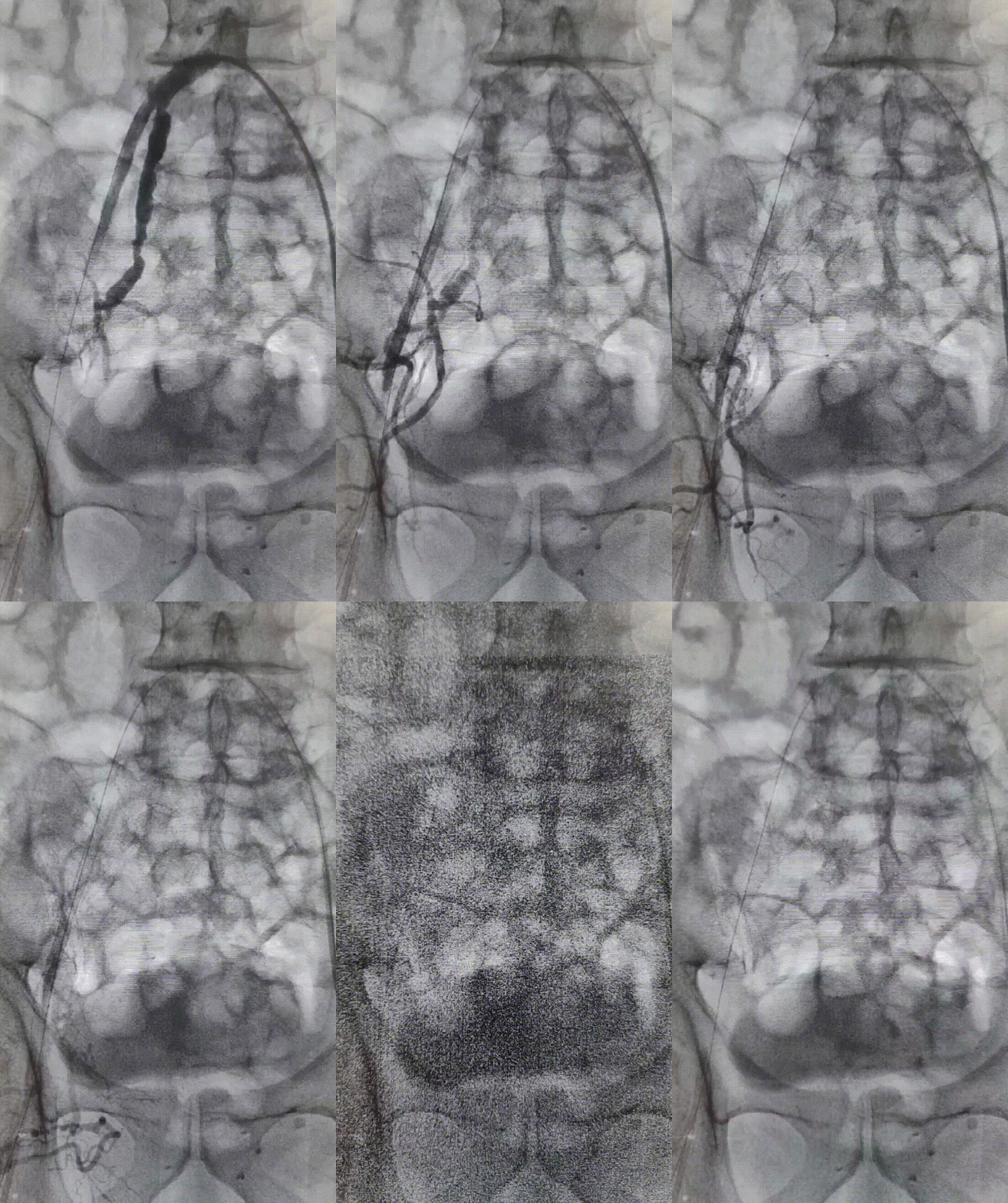
Angiography via sheath: Proximal segment of the right common femoral artery and common iliac artery occluded; attempts were made with a guidewire and catheter to pass through the occluded segment to the proximal external iliac artery, but repeated attempts failed to return to the true lumen.
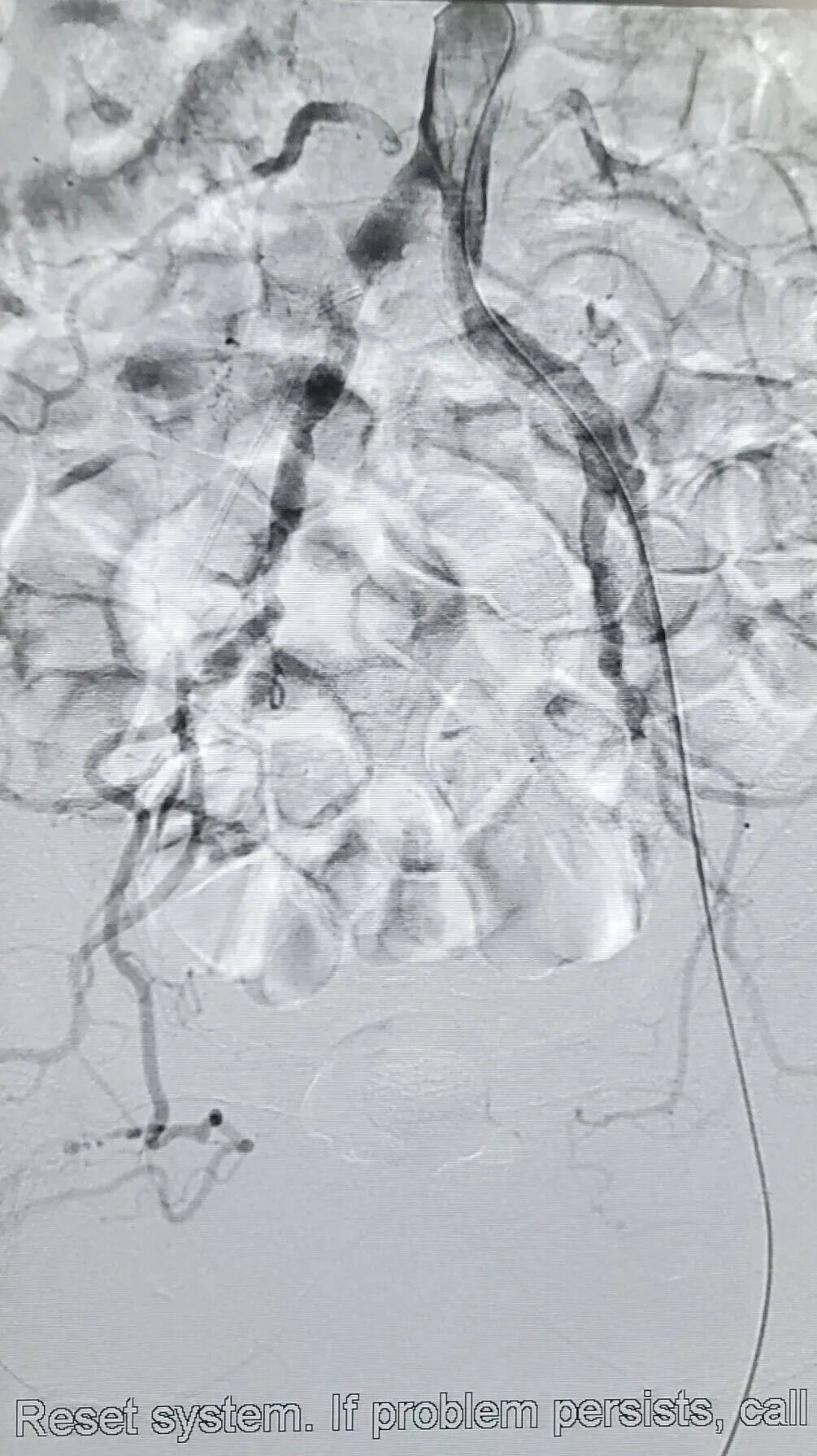
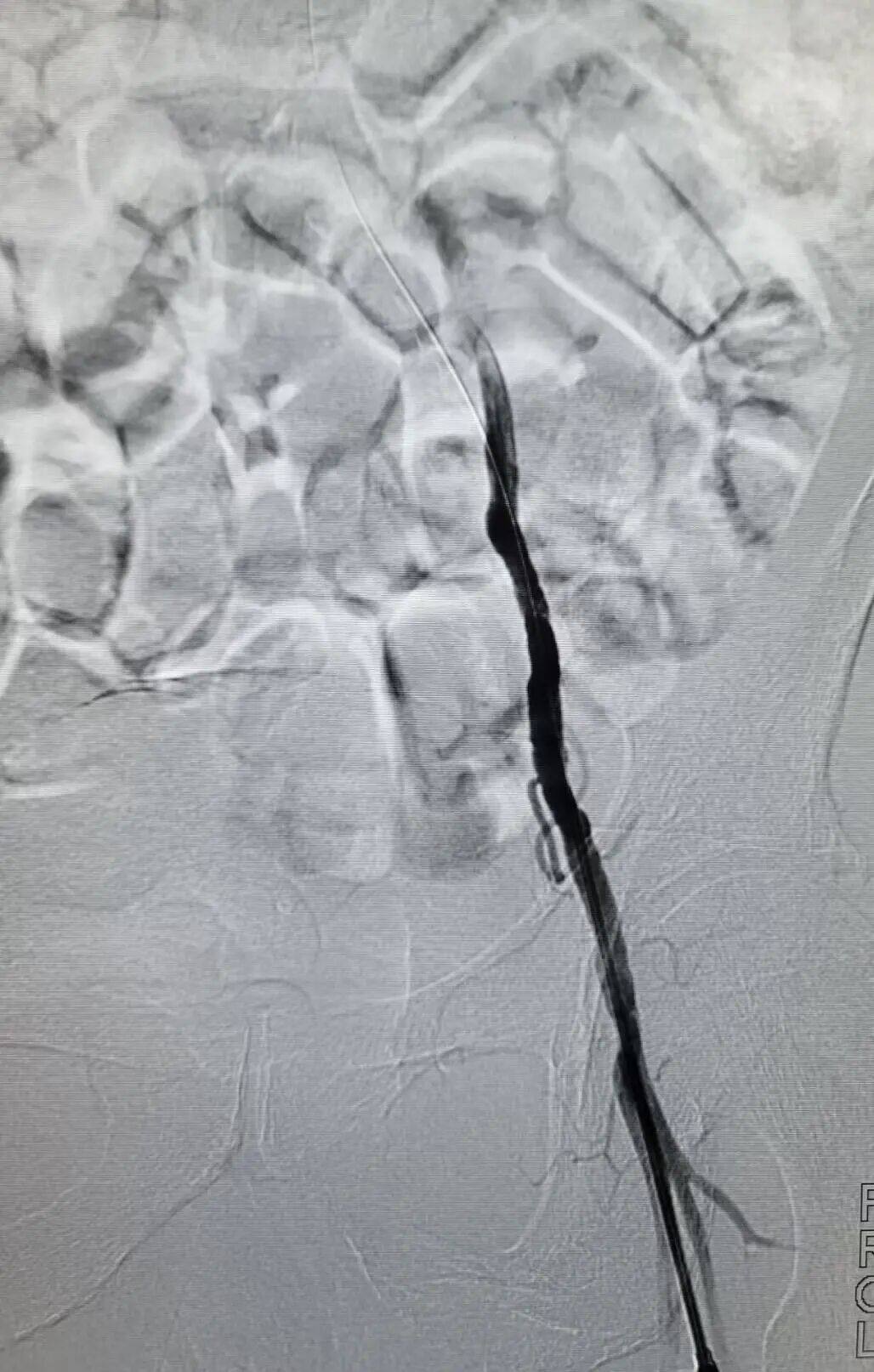
The left femoral artery was punctured in the same way, and a 6F sheath was inserted. A 0.035 guidewire and crossover catheter were advanced through the sheath to the lower segment of the abdominal aorta for angiography. The blood flow in the abdominal aorta and the left common iliac artery was unobstructed. The right common iliac artery, internal iliac artery, and external iliac artery were visualized. There was a long segment occlusion from the right external iliac artery to the common femoral artery. The left external iliac artery showed multiple stenoses with local occlusion.
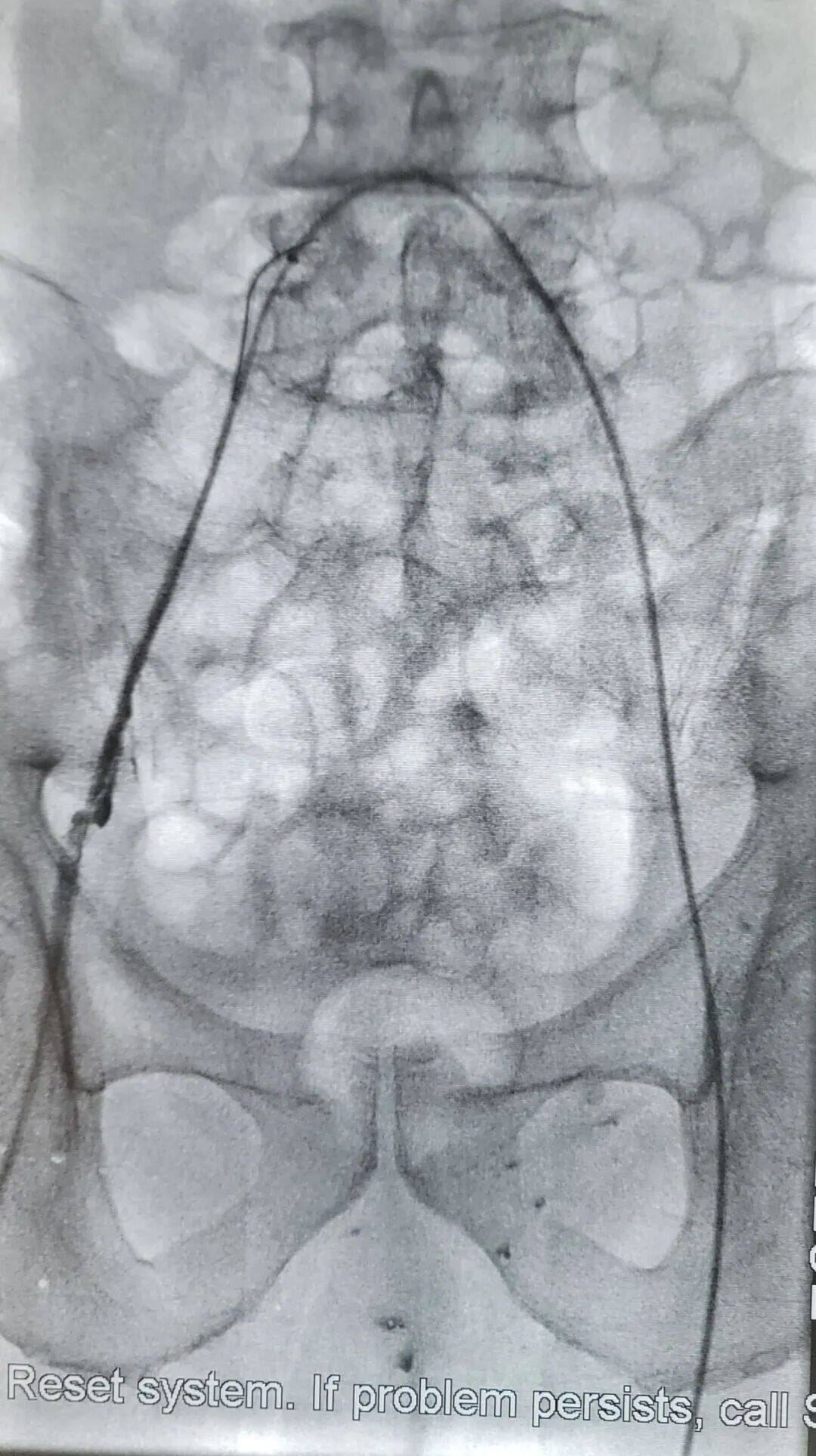
The guidewire is paired with a catheter across the abdominal aortic bifurcation to the right internal iliac artery. A 6F long crossover sheath is exchanged to the right common iliac artery. A single-curve catheter is advanced along the long sheath, tracking a 0.035 guidewire through the stenotic lesion to the right deep femoral artery. An Asahi guidewire is then exchanged to pass through the occluded segment and reach the distal portion of the deep femoral artery. The right puncture sheath is withdrawn, and the puncture site is sutured.
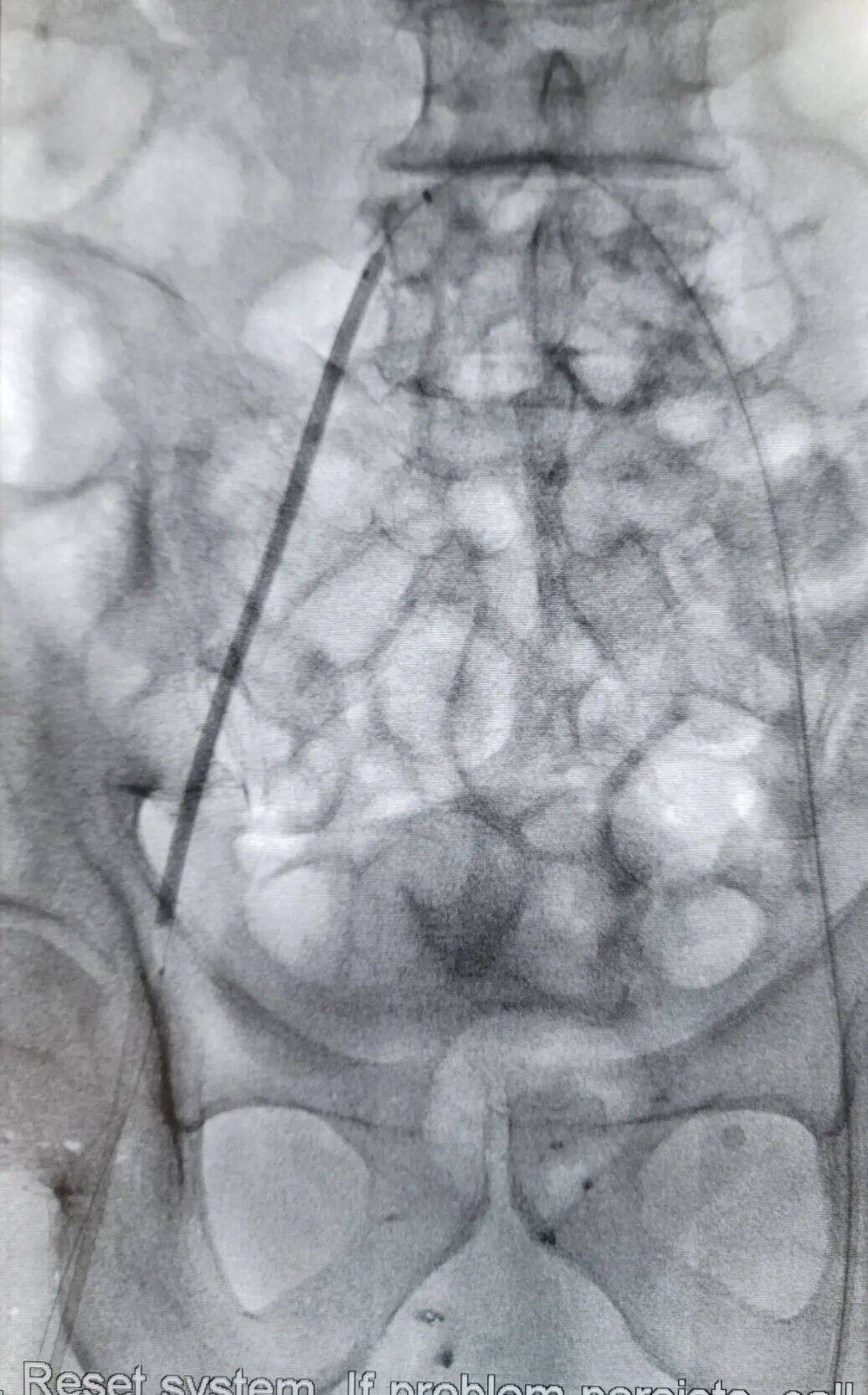
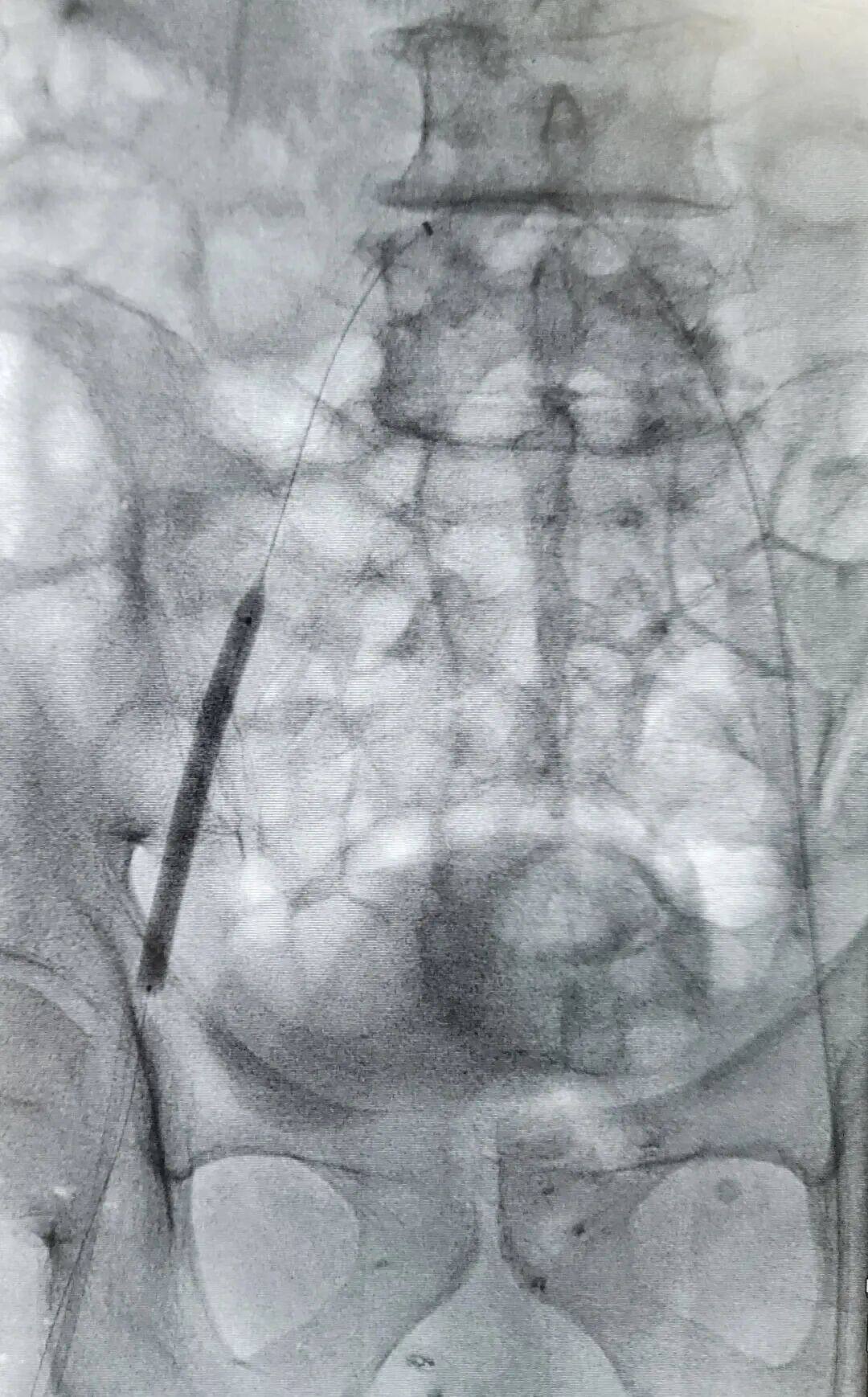
Import Balloon (4mm*150mm High-Pressure Balloon);6mm*80mm DKutting®High-Pressure Scoring Balloon) Dilate the common femoral artery and external iliac artery.
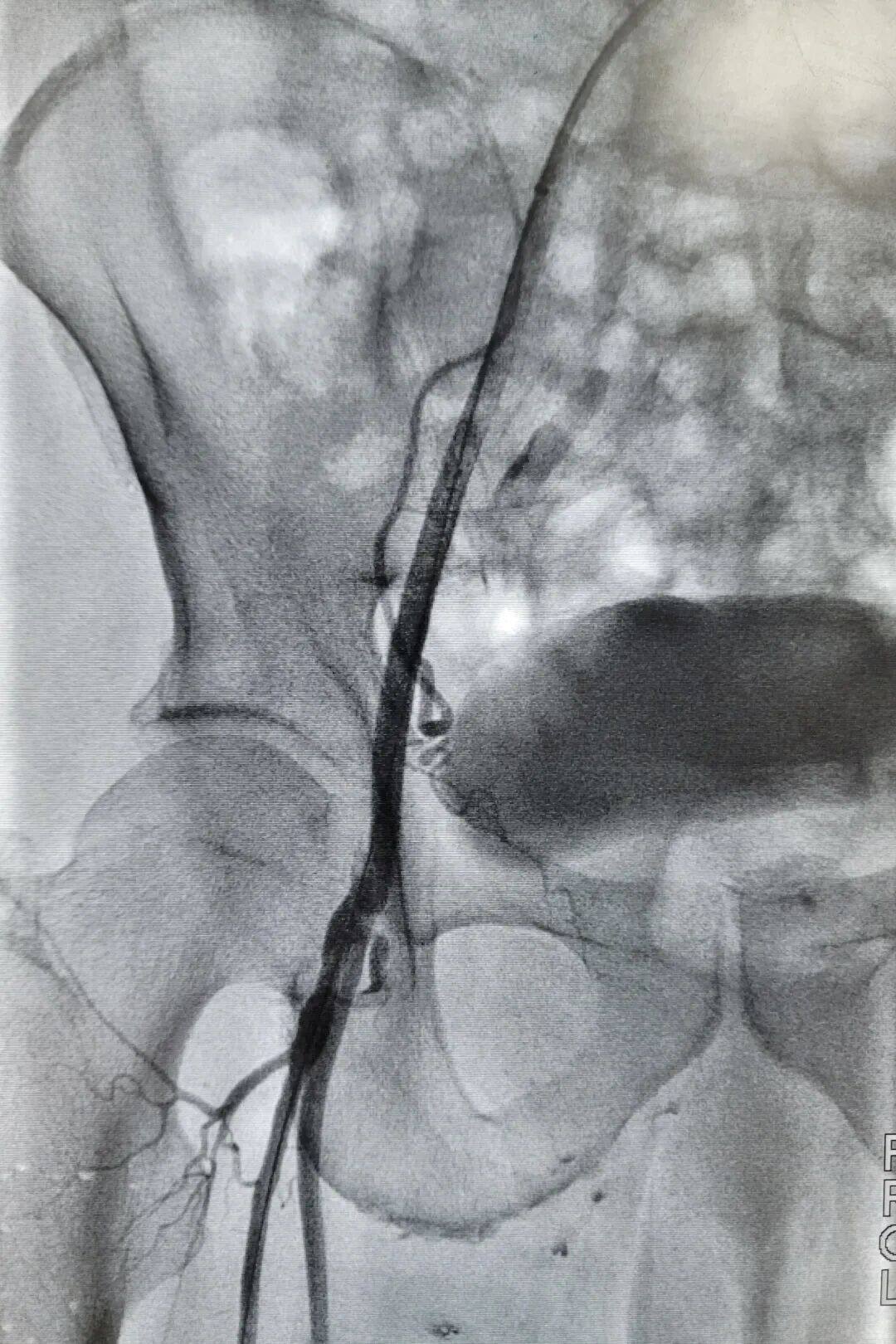
The dilation effect of the stenotic occlusion segment is satisfactory.
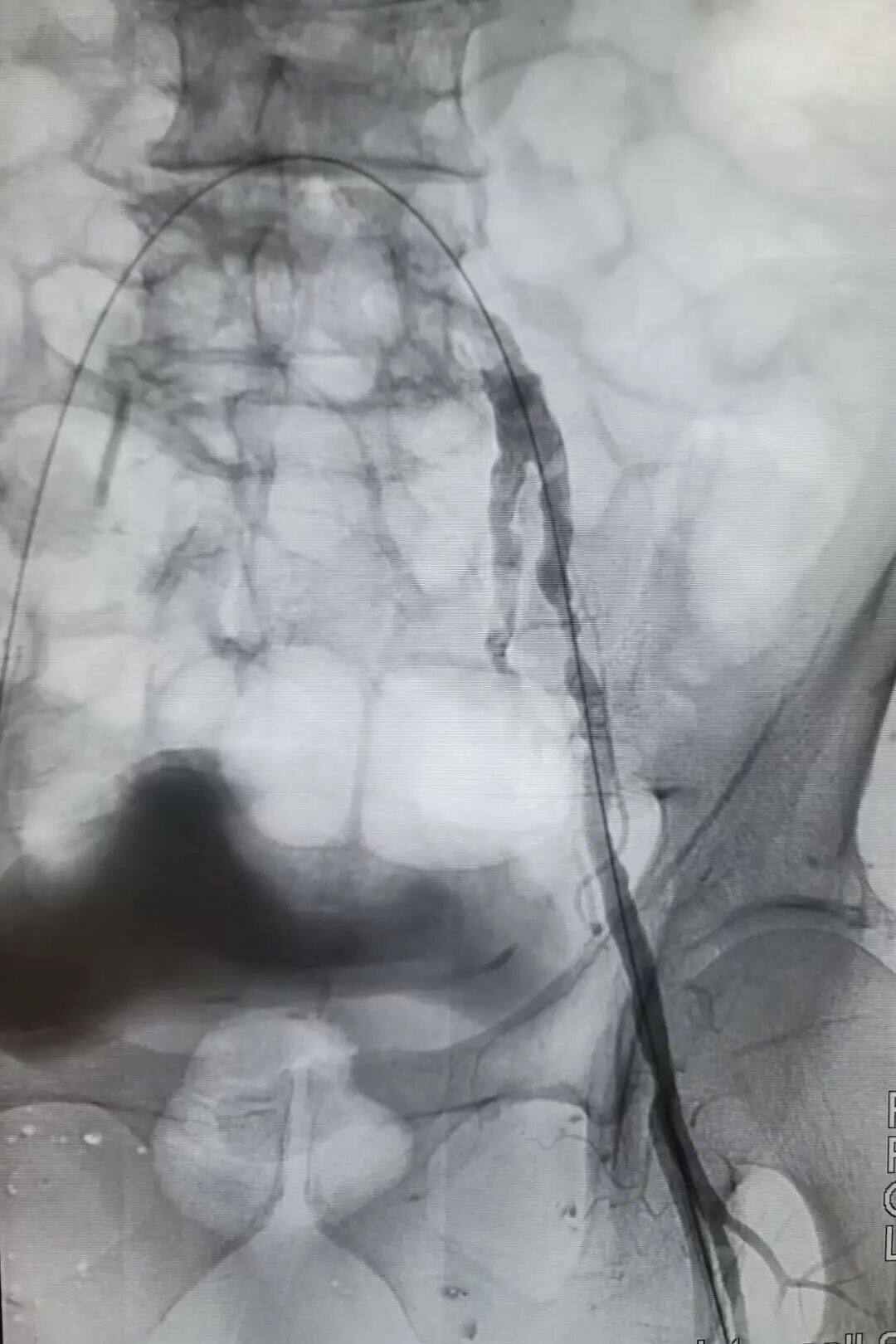
Left external iliac artery and common femoral artery.
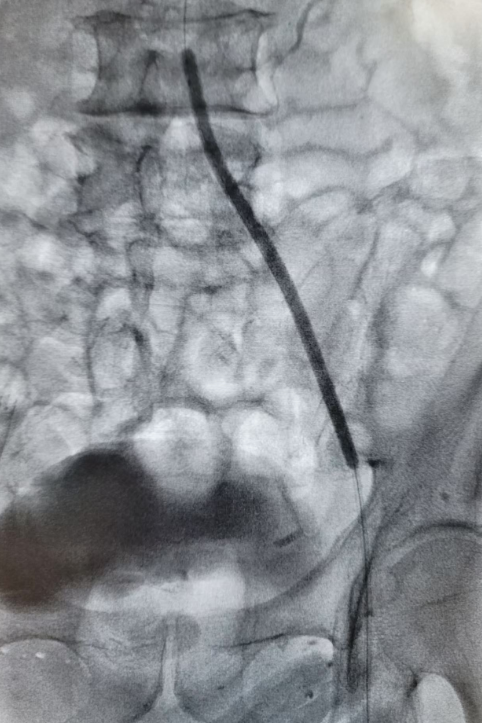
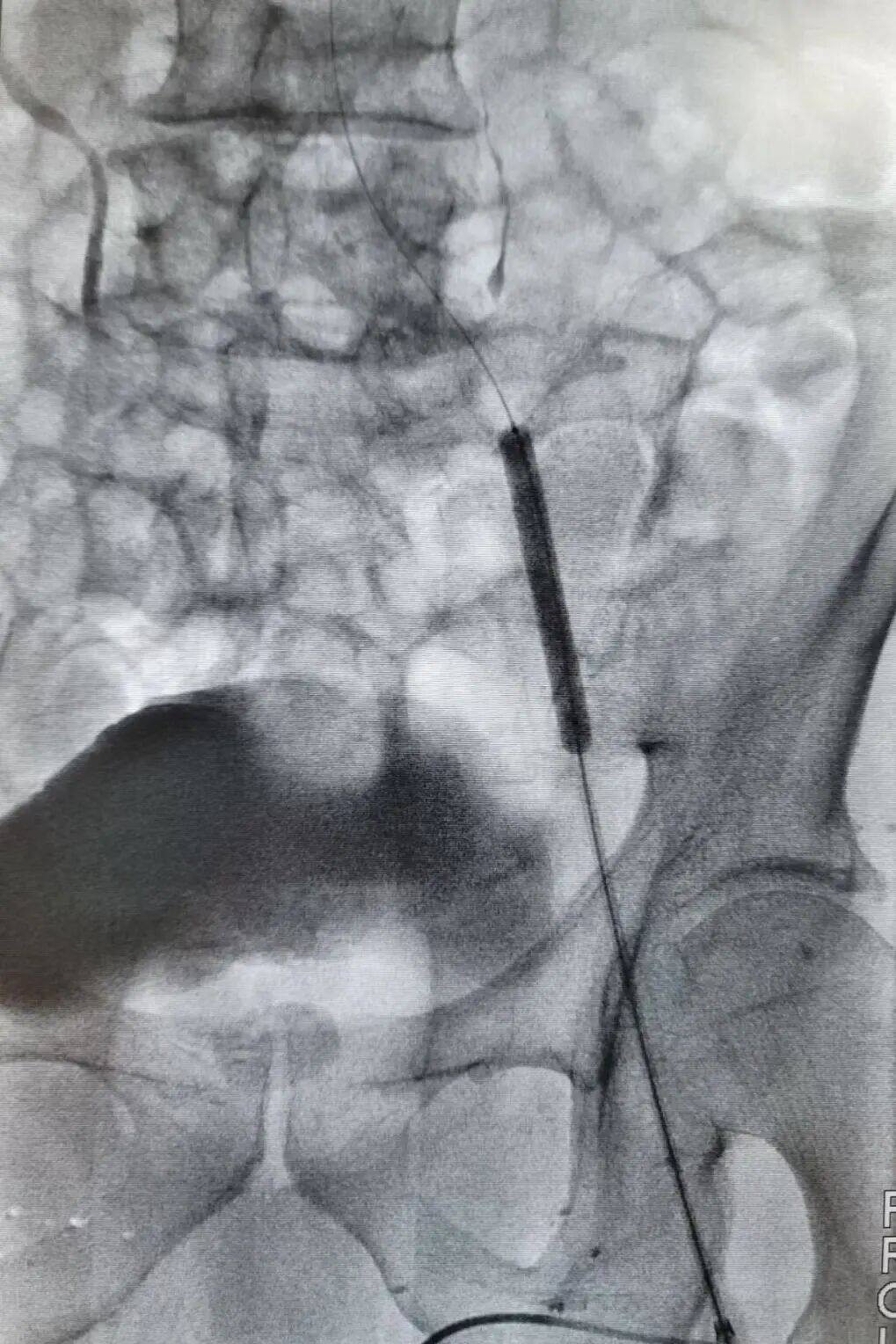
Import Balloon (5mm*150mm High-Pressure Balloon,6mm*80mm DKutting®High-Pressure Scoring Balloon, Scoring Balloon Pressure 20ATM, Duration 2 Minutes) Dilate the left external iliac artery and common femoral artery.
Follow-up
Discharge Status:Postoperative examination showed positive dorsalis pedis artery pulses bilaterally, good skin temperature in both lower limbs, significant relief of intermittent claudication symptoms on the right side, and no soreness. After discharge, the patient was prescribed rivaroxaban 10mg + clopidogrel 50mg qd and two tablets of Kaina bid orally. The patient is currently in good condition.
Case Summary
Case Characteristics:
Arteriosclerosis Obliterans of Both Lower Limbs;
Right iliac artery occlusion, left iliac artery stenosis.
Preoperative Assessment Key Points:Multiple severe calcified plaques in both iliac arteries with occlusion, requiring extra care when passing through; balloon dilation tends to create dissection.
Device Features/Usage Tips:
The pressure increased slowly, pausing for two or three seconds with each increase of one atmosphere;
The standardized use of scored balloons effectively prevented the occurrence of flow-limiting dissections.

Introduction of Experts


Professor Pan Ye
Surgeon of This Case
Ph.D. in Surgery, Associate Chief Physician;Director of the Department of Vascular Surgery at Shanghai Sixth People's Hospital, affiliated with Shanghai Jiao Tong University;Member of the Vascular Surgery Specialty Committee of the Shanghai Medical Association;Member of the Lower Extremity Artery Group, Vascular Surgery Specialty Committee, Shanghai Medical Association;Member of the Peripheral Vascular Disease Professional Committee of the Chinese Society for Microcirculation;Secretary and Member of the National Varicose Veins of the Lower Extremities Group, Peripheral Vascular Professional Committee, Chinese Society of Microcirculation;Member of the Multidisciplinary Team for Diabetic Foot Disease at the Shanghai Diabetes Clinical Medical Center.
With over 10 years of clinical experience in vascular surgery, proficient in the diagnosis and treatment of vascular diseases, especially skilled in limb salvage treatment for severe diabetic foot, minimally invasive treatment of vascular surgical diseases such as lower extremity arterial occlusive diseases (e.g., arteriosclerosis obliterans, thromboangiitis obliterans), varicose veins of the lower extremities, and deep vein thrombosis.
Hosted and participated in multiple provincial and ministerial-level research projects, published over 20 academic papers in domestic and international professional journals, authored multiple SCI papers as the first author, and co-authored two monographs.

Professor Haisheng Wu
Surgeon of This Case
Attending Physician, Department of Vascular Surgery, Shanghai Sixth People's Hospital Affiliated to Shanghai Jiao Tong University;Member of the Expert Committee of the Pressure Group of the Peripheral Vascular Disease Professional Committee of the Chinese Society of Microcirculation;Youth Committee Member of the Expert Committee on Varicose Vein Diseases of the Lower Limbs, Peripheral Vascular Disease Professional Committee, Chinese Association of Integrative Medicine;Member of the China Primary Health Care Foundation's China Children's Hemangioma and Vascular Malformation Alliance.

Department Introduction

The Vascular Surgery Department of Shanghai Sixth People's Hospital has a long history. As early as the 1950s, the renowned vascular surgery expert Professor Qian Yunqing, the founder of the department, collaborated with Professor Chen Zhongwei from the Orthopedics Department to complete the world's first successful finger replantation. This achievement earned them the First Prize of the National Science and Technology Progress Award and an audience with Premier Zhou Enlai. The pioneering sleeve-style vascular anastomosis technique ensured the survival of the replanted finger. Entering the new century, with rapid advancements in endovascular interventional technology, the vascular surgery department of the Sixth People’s Hospital has carried forward the innovative spirit of its predecessors. By combining minimally invasive endovascular techniques with traditional open surgeries, it has made minimally invasive treatment for varicose veins in the lower limbs a breakthrough. The department was among the first in China to perform minimally invasive surgeries such as endovenous laser and radiofrequency ablation, forming one of the department's major clinical specialties. Additionally, leveraging the strengths of the hospital's orthopedics and endocrinology departments, the vascular surgery department has developed its own unique approaches in comprehensive limb salvage treatment for diabetic foot, minimally invasive treatment for lower extremity arterial occlusive diseases, prevention and early intervention of VTE related to bone trauma. It also carries out minimally invasive and hybrid surgeries for carotid artery disease, abdominal aortic aneurysms, and aortic dissection by integrating traditional open surgical techniques. Currently, the vascular surgery department has 20 open beds, four senior title holders, two intermediate title holders, and performs over 1,500 surgeries annually.
Copyright Statement: This platform aims to help healthcare professionals better understand the latest developments in relevant disease areas. The information content published on this platform does not imply agreement with its descriptions or viewpoints, but is merely for providing more information. If there are any copyright issues, we kindly request the rights holders to contact us, and we will address them as soon as possible. The information is intended solely for healthcare professionals to stay informed, and such information cannot replace professional medical guidance in any way, nor should it be regarded as medical advice. If such information is used for purposes other than staying informed, this platform and the author shall not bear any related responsibilities.Contact email for cooperation:vascular@edoctor.work。