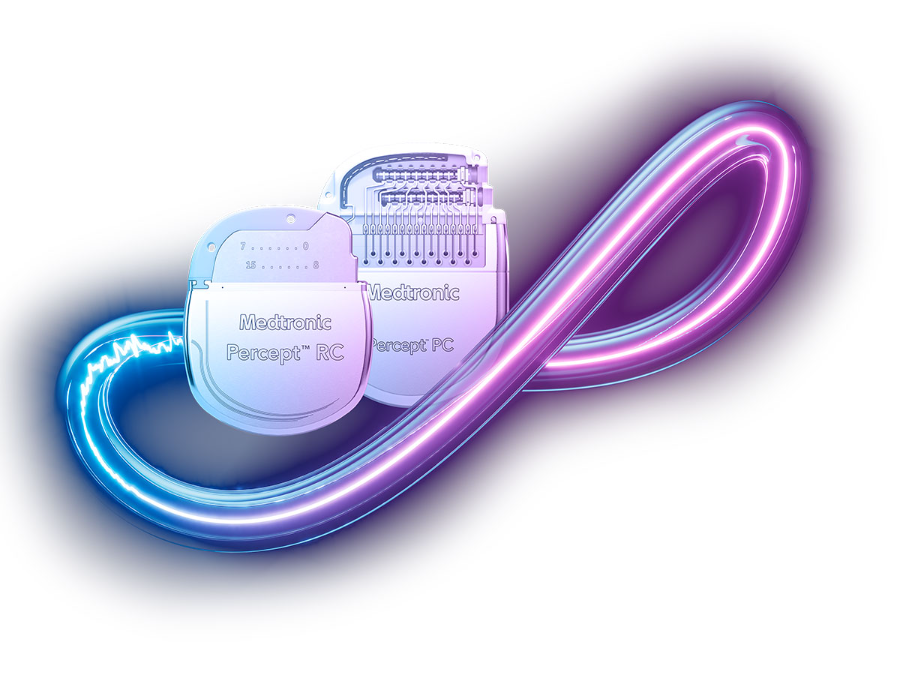
On February 24, 2025, Medtronic (NYSE: MDT) announced,ItsBrainSense Adaptive Deep Brain Stimulation (aDBS) PlatformAlreadyViaObtainApproved by the U.S. FDA, at the same timeBrainSense Electrode Identifier (EI)These technologies, which have also been approved, jointly use a minimally invasive, surgically implanted neurostimulator to transmit electrical signals to specific areas of the brain affected by neurological disorders for the treatment of Parkinson's disease.On January 13, 2025, Medtronic announced that its BrainSense™ Adaptive Deep Brain Stimulation System and BrainSense™ Electrode Identifier received CE certification in the EU and UK.Related Reading:Latest! The World's First Closed-Loop DBS System Approved for Marketing, a Major Breakthrough in the Field of Parkinson's Disease
# BrainSense™ aDBS System
Currently, the medical community has not yet found an effective method to cure neurodegenerative diseases such as Parkinson's disease, but deep brain stimulation (DBS) technology has significantly improved the quality of life for patients with Parkinson's disease and other neurological disorders over the past thirty years.Deep Brain Stimulation (DBS) is aA treatment method that involves implanting electrodes in the brain and delivering electrical signals to modulate brain activity.It is mainly used to treat Parkinson's disease, severe depression, and other movement disorders.Especially for tremors, muscle stiffness, and bradykinesia in Parkinson's disease patients, it has a significant improvement effect.Traditional DBS systems intervene in brain activity through continuous electrical stimulation, butUnable to respond based on the patient's real-time brain activity,This sometimes requires frequent adjustments. It also means that patients may need to see a doctor multiple times to ensure the optimal setting of treatment parameters.
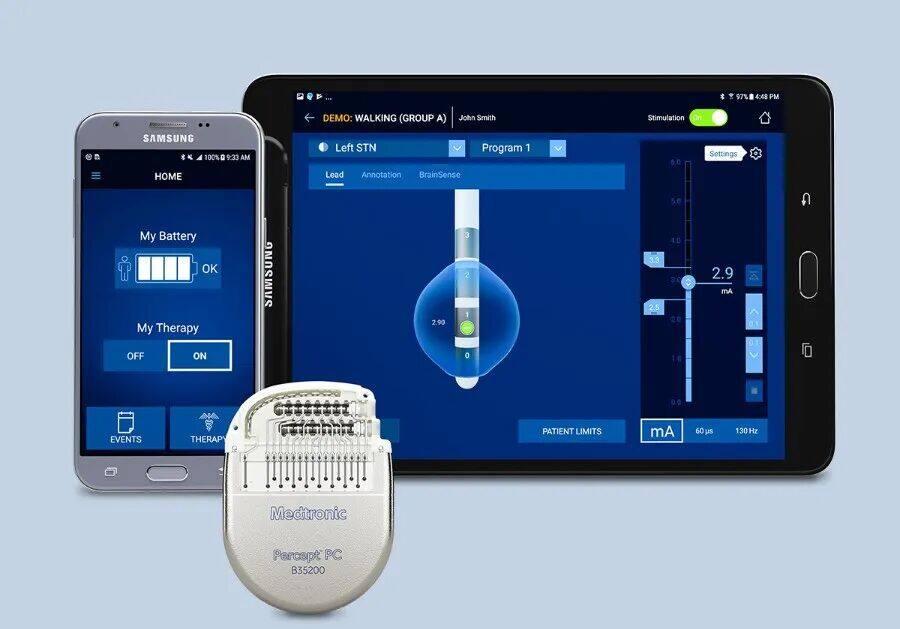
Medtronic's BrainSense™ Adaptive Deep Brain Stimulation (aDBS) System, compared with traditional DBS systems,Significant innovations have been made in both treatment principles and therapeutic effects.The biggest highlight of this system is itsClosed-loop Design, which means the system can monitor patients' brain activity in real time and automatically adjust brain stimulation parameters. This real-time adjustment capability makes the treatment more personalized and able to automatically adapt to changes in the patient's condition, reducing the limitations of frequent manual intervention required in traditional DBS therapy.This technology can not only enhance the effectiveness of treatment but also improve patients' quality of life, particularly in terms of adaptability in daily living and clinical environments.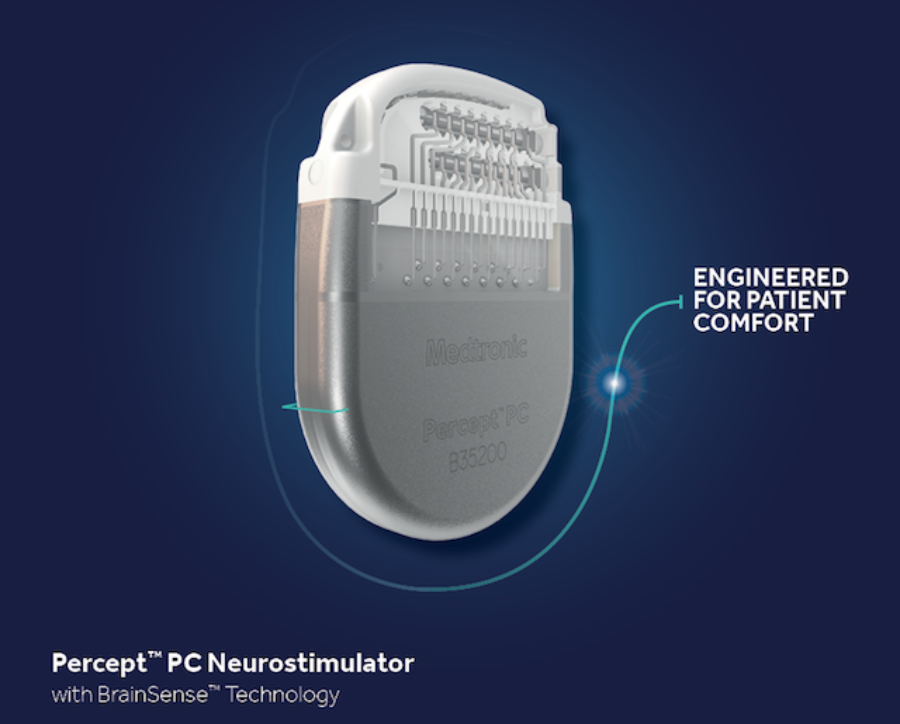 In addition to the adaptive deep brain stimulation system, Medtronic also launchedBrainSense™ Electrode Identifier, this tool will help improve the efficiency of DBS programming. The electrode identifier can ensure the selection of the optimal initial electrode contact point during the DBS implantation process, thereby accelerating the programming speed and reducing treatment time.Adjustment time at startup.By using EI, clinicians are able to perform accurate and precise initial programming, with speed compared to traditional electrode selection.Increase by 85%。
As the globe already hasMore than 40,000Patients receiving DBS treatment with Medtronic's Percept™ device mark the largest (and far surpassing previous) commercial rollout of BrainSense™ adaptive DBS in the history of BCI technology.
# Research Data
Medtronic's "Adaptive Deep Brain Stimulation Personalized Treatment Algorithm for Parkinson's Disease (ADAPT-PD)" trial highlights the potential of adaptive deep brain stimulation (aDBS) in clinical practice. The trial is an international, multicenter, prospective, single-blind, randomized crossover study (comparing two aDBS modes), with Dr. Helen Bronte-Stewart serving as the global principal investigator.
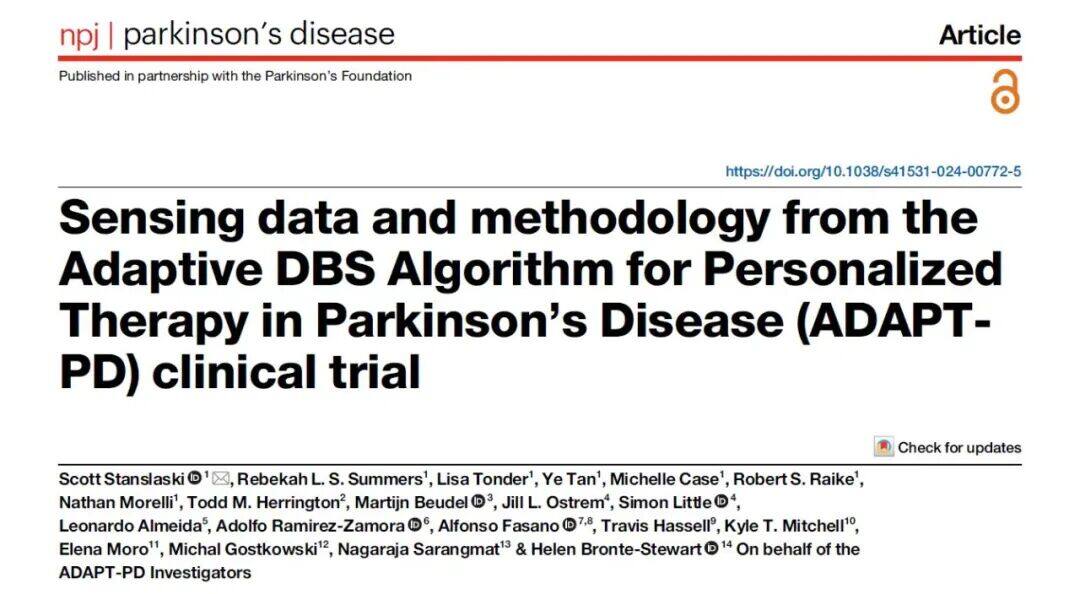
The trial evaluated the safety and efficacy of chronic dual-threshold and single-threshold aDBS modes compared to continuous deep brain stimulation (cDBS) in Parkinson's disease patients treated with DBS.
This study is the largest one conducted in clinical and home settings to date.The Largest Scale and Longest Duration aDBS Evaluation, jointly developed by more than a dozen world-renowned neurologists and neurosurgeons from top global academic institutions such as Stanford University School of Medicine, University of California San Francisco, Massachusetts General Hospital, and Amsterdam University Medical Center. The methodology and sensor data of the study have been published.
# Relevant Evaluation
Helen Bronte-Stewart, MD (MSc, FAAN, FANA), the John E. Cahill Family Professor in the Department of Neurology and Neurological Sciences at Stanford University School of Medicine, stated:"Adaptive deep brain stimulation technology will revolutionize the treatment approach for patients with Parkinson's disease."Medtronic's products achieve personalized treatment through automatic adjustment, precisely adapting to the evolving needs of patients.", which can greatly improve the treatment experience for patients."Brett Wall, Executive Vice President of Medtronic's Neuroscience business, said: "Medtronic isThe Only One in the WorldCan provideAdaptive DBS System for Real-Time Dynamic Adjustment of Treatment"enterprise. We not only pioneered large-scale personalized neuromodulation, capable of precisely responding to patients' ever-changing needs, but also provided clinicians with unprecedented deep insights, thereby setting a new industry benchmark for DBS therapy."