

TAVR Valve Showdown: Long-Term Outcomes of Three Leading Platforms Reveal Striking Similarities

Medtronic
Medical Device Manufacturer

Edwards Lifesciences
Cardiovascular Surgical Equipment Provider
TAVR Valve, A New Hope for Heart Disease Treatment
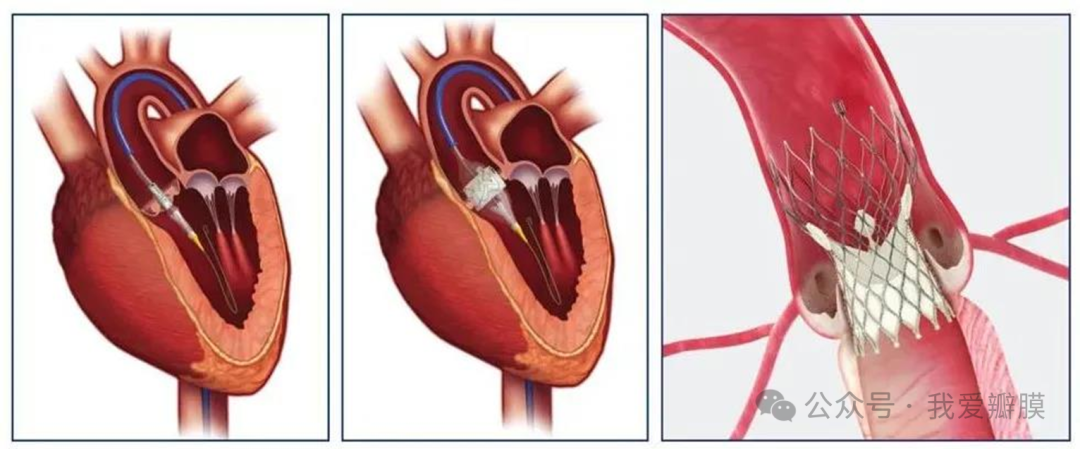
In the field of cardiac disease treatment, transcatheter aortic valve replacement (TAVR) is undoubtedly a revolutionary technology. With the intensification of population aging, the incidence of heart valve diseases continues to rise annually, especially aortic stenosis, which poses a severe threat to patients' life and health. Traditional open-heart surgery is highly invasive and involves slow recovery, making it often unbearable for many elderly patients or those in poor physical condition. The advent of TAVR valves has brought new hope to these patients.
TAVR valves are delivered via a minimally invasive approach, where artificial valves are transported through a catheter to the diseased aortic valve position to replace the damaged valve, thereby restoring normal heart function. This treatment method has the advantages of minimal trauma, quick recovery, and fewer complications, significantly improving patients' quality of life and survival rates. Currently, there are various TAVR valve products available on the market.Among them, the Medtronic CoreValve Evolut, Edwards Lifesciences Sapien 3, and Boston Scientific Acurate Neo TAVR valves are the three most widely used products. They have each demonstrated distinct characteristics and advantages in clinical applications, becoming the focus of attention for both doctors and patients.
Three Star TAVR Valves Debut
On the stage of TAVR valves, Medtronic CoreValve Evolut, Edwards Lifesciences Sapien 3, and Boston Scientific Acurate Neo TAVR valves are undoubtedly the star products that have attracted much attention. Each of them has unique designs and features, demonstrating different advantages in clinical applications.
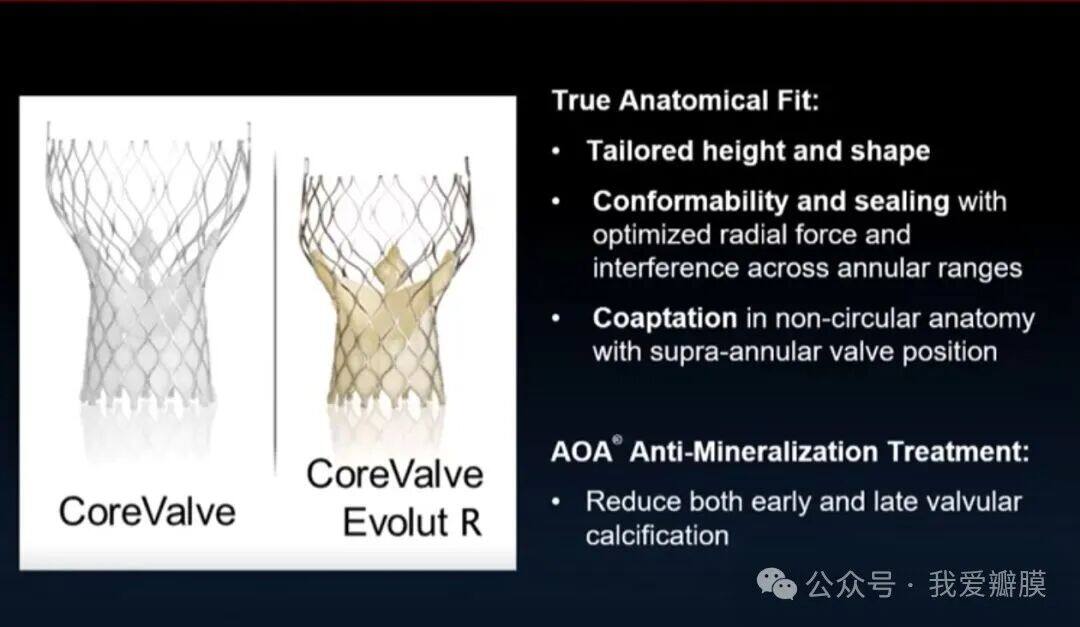
Medtronic CoreValve Evolut Series Valves Adopt a Self-Expanding Design, Acting Like a Gentle Messenger That Can Self-Adapt to the Shape of the Patient’s Native Valve, Achieving a More Conforming Implantation Result. This Design Not Only Reduces the Complexity of the Surgery but Also Minimizes Damage to Surrounding Tissues. The Valve Material is Made from Porcine Heart Valves, Offering Excellent Biocompatibility and Effectively Reducing the Risk of Immune Rejection, Much Like a Custom-Made Valve for Each Patient. Additionally, the Medtronic CoreValve Evolut Series Features Retrievable and Repositionable Functions, Providing Surgeons with Greater Operational Flexibility During the Procedure. If an Unsatisfactory Valve Position is Detected During Implantation, the Surgeon Can Retrieve and Reposition the Valve, Ensuring a Higher Success Rate and Patient Safety, Significantly Enhancing the Controllability of the Surgery.
Edwards Lifesciences Sapien 3 Valve Adopts Balloon-Expandable Design, Like a Precise Craftsman, Which Can Accurately Place the Valve at the Lesion Site Through Balloon Expansion During Implantation to Achieve Stable Fixation. The Bovine Pericardial Tissue Material Used in This Valve Exhibits Excellent Durability and Anti-Calcification Properties, Maintaining Normal Valve Function Over Long Periods and Providing Patients with Long-Lasting Therapeutic Effects. This Material Acts as a Strong Shield, Effectively Resisting the Erosion of Time and Disease, Thereby Extending the Service Life of the Valve. The Sapien 3 Valve Also Takes Hemodynamic Factors into Full Consideration in Its Design; Its Optimized Leaflet Structure Reduces Blood Regurgitation and Improves Cardiac Pumping Efficiency, Allowing the Patient’s Heart to Work More Smoothly and Enhancing the Patient’s Quality of Life.
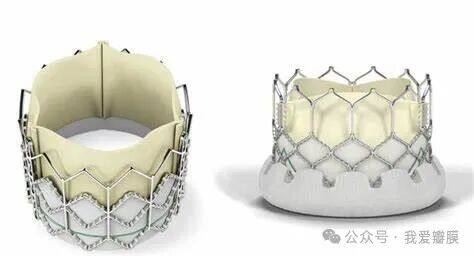
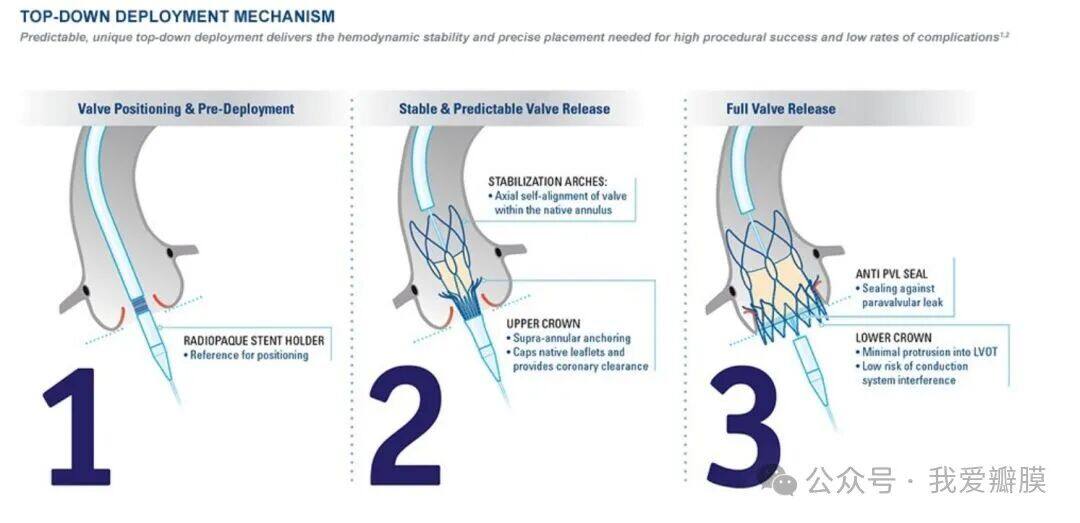
Boston Scientific Acurate Neo TAVR Valve adopts a unique self-expanding hybrid design, integrating the advantages of various design concepts. Its open stent structure provides excellent protection for the coronary ostium, like a sturdy fortress, effectively reducing the risk of coronary obstruction during surgery and ensuring patient safety. The stable arch design with automatic coaxial adjustment enables the valve to reach the lesion site more stably during implantation, increasing the success rate of the procedure. The specially designed “top-down” release mechanism allows doctors to more precisely control the position and angle of valve deployment during surgery, ensuring the valve functions accurately. The enlarged sealing skirt significantly reduces the occurrence of paravalvular leakage, enhancing valve performance and patient outcomes, providing a better treatment experience.
Research Revealed: Long-term Outcome Data Speaks
(1) Research Background and Objectives
In the continuous development of TAVR valve technology, numerous cardiologists have invested significant time and effort into conducting in-depth evaluations of different TAVR valve platforms. This is because selecting the appropriate TAVR valve platform is crucial for patient treatment outcomes and prognosis, directly impacting patients' health and quality of life. The study published in *Medicine of Cardiovascular Revascularization* is akin to a rigorous scientific exploration, aiming to thoroughly investigate which of the three most widely used TAVR valve platforms—Medtronic, Edwards Lifesciences, and Boston Scientific—is associated with the best patient outcomes, providing stronger scientific evidence for clinical treatment.
(2) Research Methods
The time frame of this study was set between September 2014 and December 2018, during which researchers focused on 383 patients who underwent transfemoral TAVR at a single institution. Strict criteria were applied in the patient selection process. Only those who received one of the three second-generation transcatheter heart valves included in this analysis were enrolled, and the choice of valve was entirely determined by the patients' physicians. Patients who did not undergo pre-TAVR CT angiography or who received first-generation valves were excluded. This rigorous screening process ensured the accuracy and reliability of the study data, akin to carefully selecting the most suitable "samples" for the research requirements. Through detailed analysis of these patient data, the researchers unveiled the mysteries surrounding the long-term treatment outcomes of different TAVR valve platforms.
(III) Research Results
Study Results Show That After Seven Years, the Rates for the Three Primary Composite Endpoints Were 51.6% for Medtronic's Evolut Patients, 60.2% for Edwards Lifesciences' Sapien 3 Patients, and 62.1% for Boston Scientific's Acurate Neo Patients. In Terms of All-Cause Mortality, the Rates Were 49.3% for Evolut Patients, 52.1% for Sapien 3 Patients, and 55.9% for Acurate Neo Patients. Regarding Valve-Related Clinical Outcomes, the Rates Were 1.2% for Evolut Patients, 2.2% for Sapien 3 Patients, and 4.2% for Acurate Neo Patients. These Data Indicate That on Key Metrics Such as All-Cause Mortality, Disabling Stroke, or Heart Failure Hospitalization, and Valve-Related Clinical Outcomes, the Ratios Among the Three Valves Were Relatively Close, with No Statistically Significant Differences. This Suggests That Over Long-Term Use, These Three Widely Used TAVR Valves Have Demonstrated Similar Levels in Primary Treatment Efficacy and Safety.
However, the three valves are not entirely the same. Echocardiographic evaluation showed that the Sapien 3 valve was associated with higher residual transvalvular gradients and a lower incidence of mild or moderate paravalvular regurgitation (PVR). Only 19.1% of Sapien 3 patients experienced mild or moderate PVR, compared to 46.4% for Evolut patients and 48.2% for Acurate Neo patients. This difference provides important reference information for physicians when selecting a valve. In certain specific cases, the lower incidence of paravalvular regurgitation with the Sapien 3 valve may be an advantage, while in other cases, physicians may focus more on factors such as transvalvular gradients to select the most suitable valve for the patient.
Differences and Commonalities Coexist
(1) Commonality: Similar Long-term Outcomes
In this TAVR valve efficacy showdown concerning patients' life and health, the Medtronic Evolut, Edwards Lifesciences Sapien 3, and Boston Scientific Acurate Neo valves demonstrated striking similarities in long-term outcomes. On the primary composite endpoint of all-cause mortality, disabling stroke, or hospitalization for heart failure, the performance of the three valves was nearly indistinguishable. This means that regardless of which valve patients receive, their risk of facing these serious adverse events is comparable after seven years. This result undoubtedly provides some reassurance for doctors and patients when choosing a valve, as the overall direction of major treatment effects shows that all three valves offer similar long-term protection.
In the critical metric of all-cause mortality, the values for Medtronic's Evolut, Edwards Lifesciences' Sapien 3, and Boston Scientific's Acurate Neo valves are also very close, with no statistically significant differences. This indicates that over the long term, the three valves offer a similar level of protection for patient safety and do not lead to noticeable fluctuations in mortality risk based on valve selection. This is important information for patients, as all-cause mortality directly impacts their chances of survival, and the comparable performance of the three valves allows patients to make more confident decisions.
Valve-related clinical efficacy is also an important aspect in assessing valve performance. In this regard, the three valves have demonstrated similar levels. This means that their capabilities in reducing valve-related complications and maintaining normal valve function are comparable, providing patients with relatively reliable treatment outcomes. They ensure stable valve operation within the body, minimizing the occurrence of repeat treatments or adverse events caused by valve issues.
(II) Differences: The Devil is in the Details
Although the three valves performed similarly in the primary endpoint, they still demonstrated their own characteristics in some subtle aspects. Echocardiographic evaluation showed that the Sapien 3 valve had significant differences from the other two valves in residual transvalvular gradient and paravalvular regurgitation.
Sapien 3 Valve Associated with Higher Residual Transvalvular Gradient. Residual transvalvular gradient is an important indicator of the resistance encountered by blood flowing through the valve. A higher residual transvalvular gradient means that blood needs to overcome greater resistance when passing through the valve, which may increase the burden on the heart and affect its normal function. Although this difference does not necessarily lead to significant symptom variations in patients from a statistical perspective, in the long term, it may impact the quality of life and heart health of some patients with weaker cardiac function. This is analogous to a road: if there are many obstacles on the surface, vehicles will require more effort to travel. The heart is like the vehicle, the valve is the road, and a higher residual transvalvular gradient acts as the obstacles on the road, presenting extra challenges for the heart’s operation.
The incidence of mild or moderate paravalvular regurgitation (PVR) with the Sapien 3 valve is relatively low, at only 19.1%, compared to 46.4% for Evolut patients and 48.2% for Acurate Neo patients. Paravalvular regurgitation refers to the abnormal backflow of blood around the valve, which can reduce the heart's pumping efficiency, increase the heart's workload, and if it persists long-term, may lead to serious consequences such as cardiac enlargement and heart failure. The advantage of the Sapien 3 valve in this aspect gives it unique application value in some patients who are more sensitive to paravalvular regurgitation. For instance, in patients whose cardiac function has already been compromised and cannot tolerate excessive blood regurgitation, the lower incidence of paravalvular regurgitation with the Sapien 3 valve may become a key factor for doctors when choosing it. This is akin to a water bucket; if there are gaps in the walls of the bucket, water will continuously leak out, and paravalvular regurgitation is like the gaps in the bucket. The Sapien 3 valve performs better in minimizing these gaps, thus helping maintain normal heart function.
Limitations and Prospects of the Study
(1) Limitations
Although this study reveals the long-term outcomes of different TAVR valve platforms, it is not without flaws and has some limitations that cannot be ignored.
The study only focuses on surgeries performed in a single facility, which is akin to observing fish swimming in a specific small pond, unable to fully reflect the situation of the entire ocean. The patient population, medical technology level, and surgical operation habits of a single institution all have certain limitations and may not represent the general situation of all patients and all medical institutions. Patients from different regions differ in disease characteristics, physical conditions, and lifestyle habits, and the medical equipment, doctor experience, and technical levels of different medical institutions also vary. These factors may all influence the treatment outcomes of TAVR valves. Since this study was conducted in only one institution, it could not cover these complex factors, thus limiting the general applicability of the study results.
The sample size of the study is relatively small, which is like using a small cup of water to infer the water quality of an entire lake — the accuracy is inevitably affected. A smaller sample size may lead to bias in the study results, making it unable to accurately reflect the true performance of different TAVR valve platforms in a large patient population. In medical research, the larger the sample size, the closer the study results can get to the real situation, as a larger sample can better encompass patients with various characteristics and reduce the impact of individual differences on the results. However, the number of 383 patients in this study is relatively small, possibly insufficient to fully capture the subtle differences of various valves under different conditions, thus affecting the reliability and persuasiveness of the study results.
Since the cardiac team selects devices on their own, it is like in a competition where contestants can choose the rules themselves, posing a risk of "selection bias." When doctors choose valves, they may be influenced by various factors such as personal experience, familiarity with different valves, and individual patient characteristics. These factors may lead doctors to favor one type of valve over others rather than strictly adhering to randomization principles. This selection bias could interfere with the accuracy of study results, making them unable to truly reflect differences between valves. If doctors tend to choose a specific valve for patients with milder conditions, then this valve might appear to show better treatment outcomes in the study results. However, this may not be due to the inherent superiority of the valve itself but rather due to differences in patient conditions.
(II) Future Outlook
To gain a deeper understanding of the performance and differences of these various TAVR valve platforms, future research has clear directions and objectives.
Conducting randomized clinical trials is a crucial step. Randomized clinical trials are like a fair and just competition, where all "participants" (patients) have an equal chance of being assigned to different "teams" (valve treatment groups). This minimizes the impact of selection bias as much as possible, making the research results more objective and reliable. Through randomized clinical trials, the therapeutic effects of different TAVR valve platforms across various patient populations can be compared more accurately, providing clinicians with more scientific and robust decision-making support. In randomized clinical trials, patients are randomly assigned to treatment groups using Medtronic's Evolut, Edwards Lifesciences' Sapien 3, or Boston Scientific's Acurate Neo TAVR valves, which avoids interference from doctors' subjective factors and truly reflects the differences in efficacy among different valves.
Introducing "Independent Echocardiography Lab Evaluation" is also an important direction for future research. Echocardiography is a crucial tool for assessing cardiac structure and function, playing a key role in the evaluation of TAVR valves. Independent echocardiography lab evaluation can ensure the accuracy and objectivity of assessment results, avoiding bias caused by subjective factors of evaluators or institutional interests. Professional echocardiography labs are equipped with advanced devices and experienced personnel who can comprehensively and meticulously evaluate the performance of TAVR valves, including valve position, function, regurgitation, and more, providing more accurate data support for research. Through independent echocardiography lab evaluation, deeper insights into the performance changes of different TAVR valves during long-term use can be gained, offering a basis for valve improvement and optimization.
With the continuous advancement and refinement of research, we believe that there will be a clearer and more comprehensive understanding of the performance of different TAVR valve platforms, thereby providing patients with higher quality and more personalized treatment options, allowing more patients with heart valve disease to benefit from this advanced treatment technology.
Summary and Insights
In summary, this study on the Medtronic Evolut, Edwards Lifesciences Sapien 3, and Boston Scientific Acurate Neo TAVR valves provides us with valuable information. While the three valves perform similarly in major indicators of long-term outcomes, there are differences in some details, which provide reference for doctors to choose the appropriate valve in clinical practice.
When selecting a TAVR valve for a patient, doctors cannot make decisions based solely on a single study result or a single indicator. Instead, they need to comprehensively consider the individual condition of the patient, such as age, physical status, heart function, comorbidities, etc., as well as various characteristics of the valve, including design features, hemodynamic performance, paravalvular regurgitation, and more. It is akin to tailoring a piece of clothing for the patient, where every measurement must be precise, and every detail considered, in order to find the best-fitting and most comfortable option.
We hope that today's sharing can provide a deeper understanding of TAVR valves. If you have any thoughts or questions about TAVR valves or heart disease treatment, feel free to leave a comment.
Reference:
1. Elena Dipietro, Giuliano Costa, Mariachiara Calì, et al. Long-term clinical efficacy of transfemoral transcatheter aortic valve implantation with three different platforms. Cardiovascular Revascularization Medicine. Feb. 18, 2025. DOI.org/10.1016/j.carrev.2025.01.014