Medtronic and Philips Forge Strategic Alliance to Tap Asia-Pacific's Structural Heart Market with Advanced Imaging and Training Initiative

Medtronic
Medical Device Manufacturer
Pioneer in Medical Device Media Reports
Share Professional Medical Device Knowledge
Recently,Philips and Medtronic Sign MoU in India to Educate and Train Cardiologists and Radiologists on Advanced Imaging Technologies for Structural Heart DiseaseThis collaboration aims to enhance the skills of 300+ clinicians in multimodal imaging, such as echocardiography (echo) and magnetic resonance imaging (MRI), particularly for patients with end-stage renal disease (ESRD).
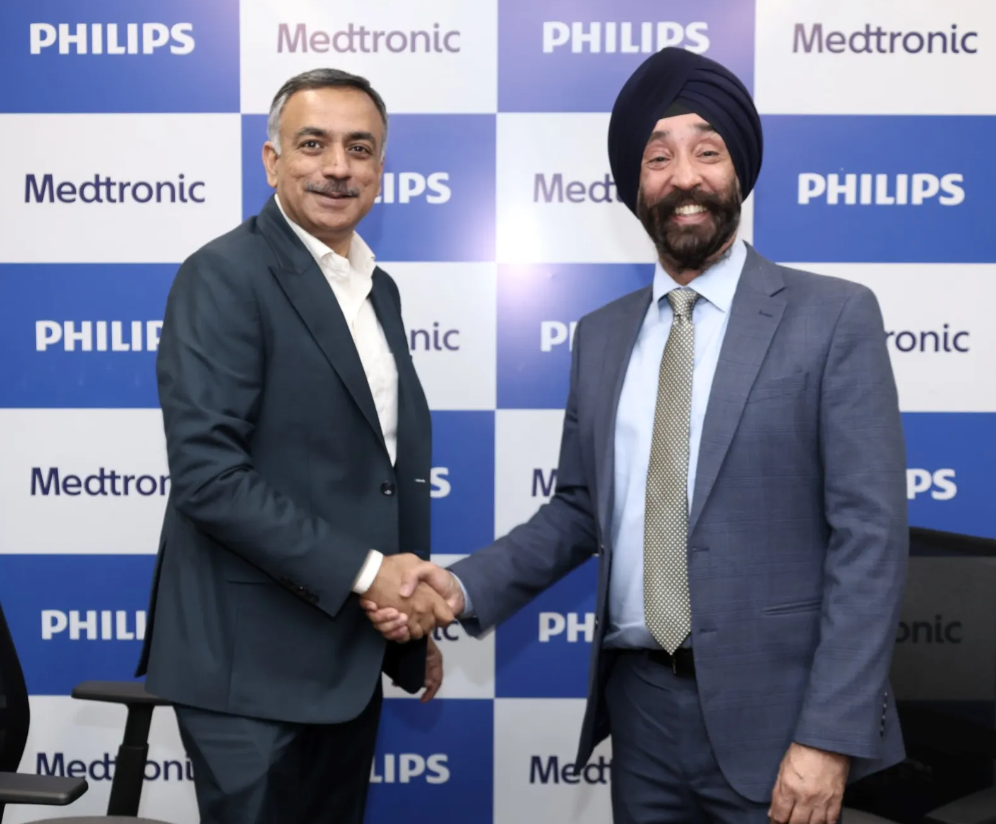
The Asia-Pacific region is the second-largest market for cardiac valve devices, with India being one of the most important growth engines, having approximately 100,000 implantation surgeries annually.
Join Hands to Enter Key Fields
Data shows that with the rise in the incidence of chronic kidney disease (CKD) in India, there are approximately 220,000 new patients with end-stage renal disease each year.
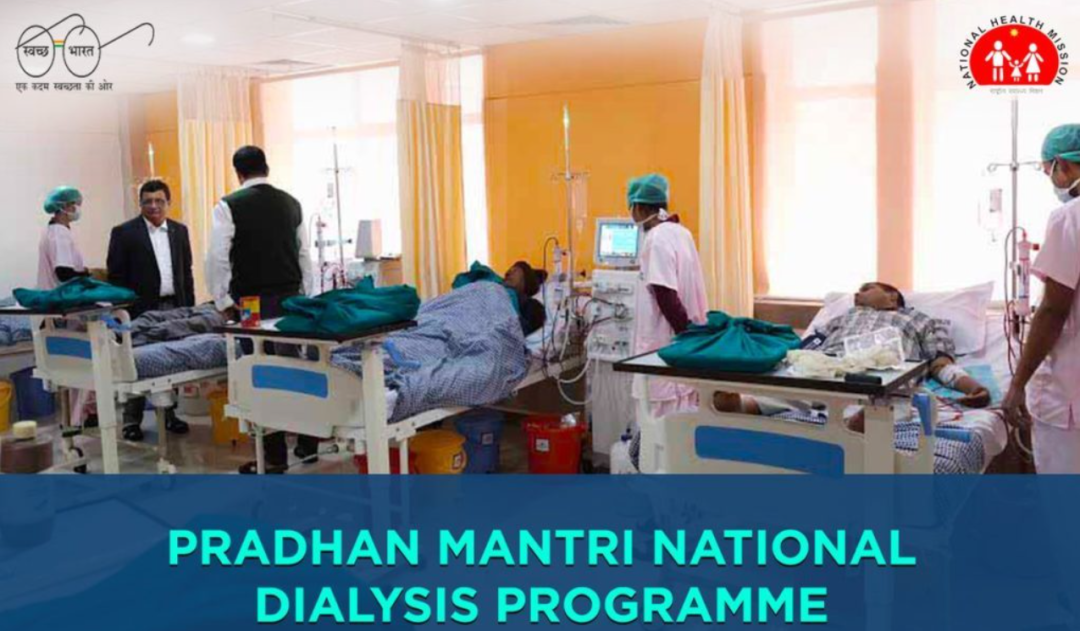
India's Pradhan Mantri National Dialysis Programme (PMNDP) was launched in 2016 to provide dialysis for a growing number of patients.
Studies have shown that 9.5% of ESRD patients can benefit from advanced imaging technology during transcatheter aortic valve replacement (TAVR), highlighting an urgent need for advanced diagnostic solutions and specialized training for clinicians.
Medtronic and Philips Join Hands to Launch Training Program, Combining Teaching Curriculum with Practical Experience on Philips' Cutting-Edge Ultrasound and MRI Systems under the Guidance of Internationally Renowned Experts and Indian Specialists. Currently, 15 Major Medical Institutions Have Been Identified for Specialization in Structural Heart Surgery through These Educational Workshops.
Medtronic TAVR 20th Anniversary
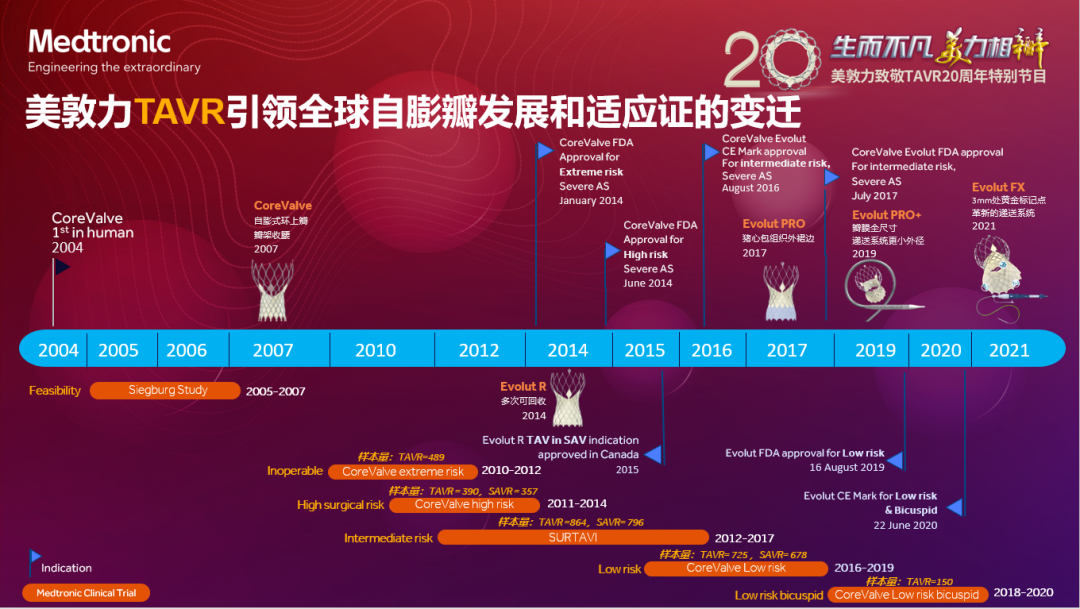
Medtronic’s Transcatheter Aortic Valve Replacement (TAVR) System Recently Achieved an Important Milestone: It Has Been 20 Years Since the First Human Surgery in 2004. Over the Past Two Decades, Medtronic Has Launched a Series of Groundbreaking TAVR Systems in India, Continuously Pushing the Boundaries of Minimally Invasive Heart Valve Replacement and Improving Patient Outcomes.
Philips Advanced AI Technology
Philips’ AI-driven software can analyze aortic anatomy using data obtained from 3D transesophageal echocardiography (3D TEE) and MRI, without the use of radiopaque contrast agents. This innovation is particularly beneficial for protecting kidney health, as contrast agents can be nephrotoxic and pose a significant risk of further deterioration of renal function in patients with ESRD. By enabling clinicians to utilize alternative imaging methods, this partnership will significantly improve both the duration and quality of life for these patients.
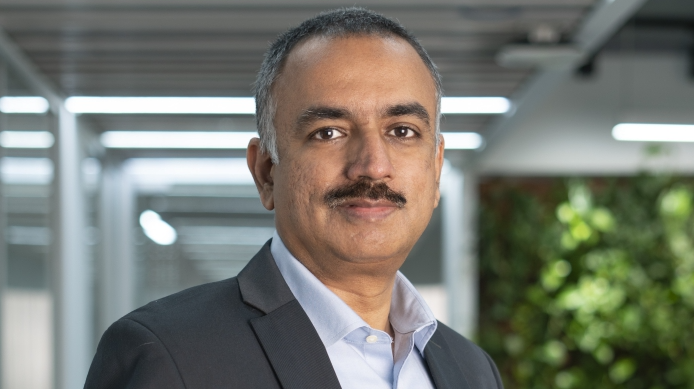
Bharath Sesha, Managing Director of Philips Indian Subcontinent
"At Philips, every effort we make centers on providing better care for more people, and our collaboration with Medtronic is another step towards that goal. By focusing on innovation and education in structural heart imaging in India, our aim is to address the rapid advancements in multimodality imaging through continuous learning. Our objective is to equip clinicians with advanced technologies like echocardiography and MRI to enable more accurate diagnoses and improved care outcomes, particularly for ESRD patients," said Bharath Sesha, Managing Director of Philips Indian Subcontinent. "As the healthcare landscape in India evolves to address its high disease burden, we remain committed to enhancing clinical expertise and making a meaningful impact on patient care."

Mandeep Singh Kumar, Managing Director and Vice President of Medtronic India
Mandeep Singh Kumar, Managing Director and Vice President of Medtronic India, said of the collaboration, "We are delighted to partner with Philips to bring this innovative training program to life. This collaboration represents a significant step in our ongoing commitment to improving patient outcomes, particularly for those with chronic kidney disease and ESRD. By providing specialized training and advanced imaging solutions, our goal is to equip healthcare professionals with the tools they need to enhance the precision of TAVI (Transcatheter Aortic Valve Implantation) procedures and ultimately improve patient care."
With the continuous growth of the Transcatheter Aortic Valve Replacement (TAVR) market, structural heart disease has become one of Medtronic's strengths. According to its latest Q3 financial report for 2025 (as of January 24, 2025),Its cardiovascular business portfolio revenue was $3.037 billion, representing a 3.7% increase on a reported basis and a 5.0% increase on an organic basis.

Among them,Structural Heart business (excluding congenital heart disease) achieved high single-digit growth, primarily driven by the continued strong performance of the Evolut™ FX+ Transcatheter Aortic Valve Replacement (TAVR) system.
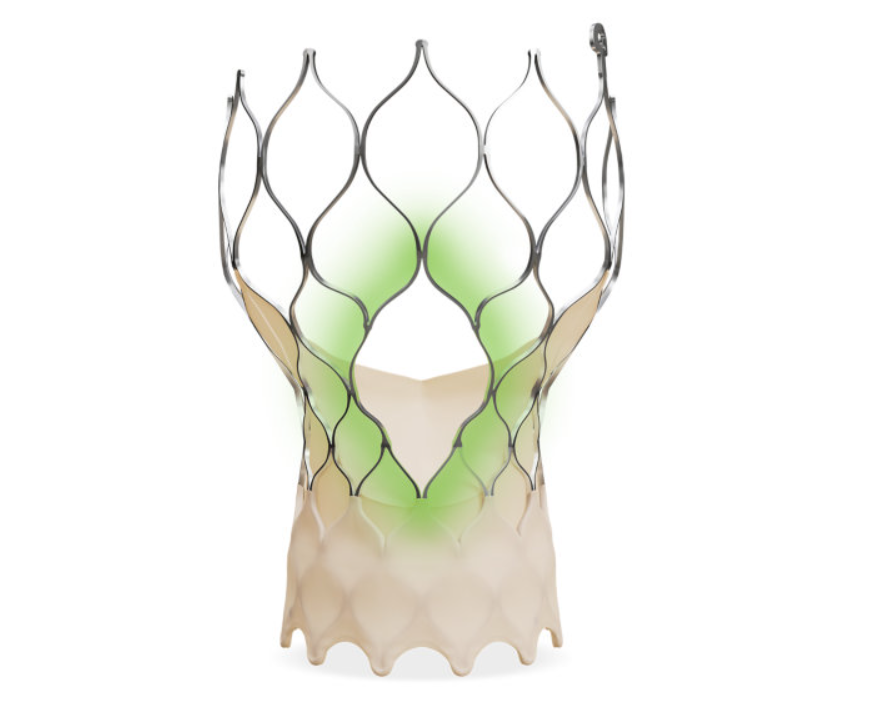
This TAVR product features an innovative "large-window stent frame" design, providing more space for future coronary intervention catheter operations. The product made its global debut at the 2024 CIIE. According to Medtronic's Q4 financial report for the fiscal year 2024, the continued adoption of its previous-generation product, the Evolut FX Transcatheter Aortic Valve Replacement (TAVR) System,Achieved double-digit growth in the company's structural heart disease business in Western Europe and Japan.
Avoid Kidney Injury
Contrast-induced acute kidney injury (CA-AKI), also known as contrast-induced nephropathy, refers to the decline in renal function within a few days after exposure to contrast agents (mainly iodinated contrast media). It is the third leading cause of hospital-acquired kidney injury, following insufficient renal perfusion and nephrotoxic drugs.
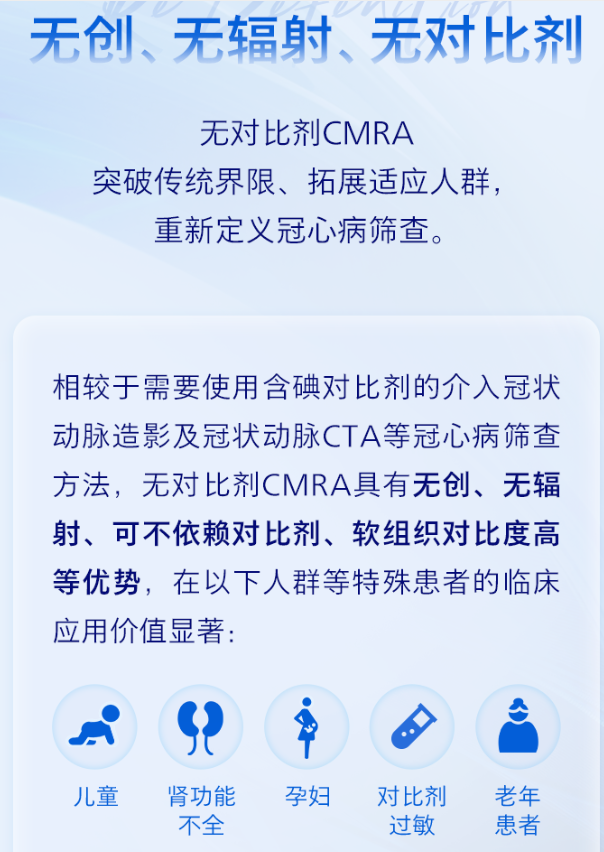
Magnetic Resonance Angiography (MRA) is not only non-invasive and radiation-free but also offers advantages such as good resolution and clarity. Most importantly, it allows for a comprehensive examination of the coronary arteries without the use of contrast agents, providing an irreplaceable advantage in detecting coronary artery disease at an early stage and avoiding life-threatening risks. Since 2018, Philips has introduced a non-invasive coronary MR product.
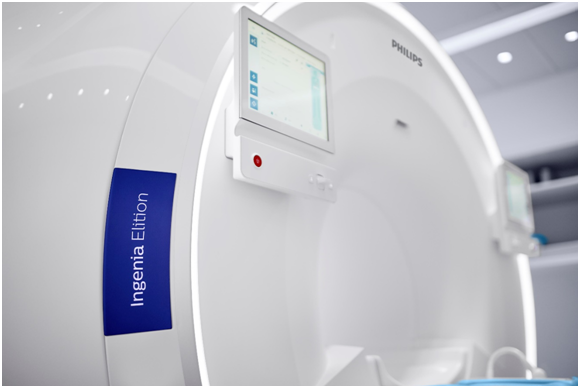
Philips Ingenia Elition 3.0T MRI offers higher image resolution and clearer imaging, providing the greatest advantages for examining diseases of the cardiovascular system, central nervous system, bones and joints, muscles, and other systems. It helps capture minute lesions, improving lesion detection rates, and provides a basis for early disease diagnosis. In particular, cardiac MRI enables 18-second non-contrast 3D coronary artery imaging. Cardiac angiography and functional imaging utilize compressed sensing technology, significantly enhancing both imaging speed and quality, offering substantial assistance to clinical diagnosis and treatment.
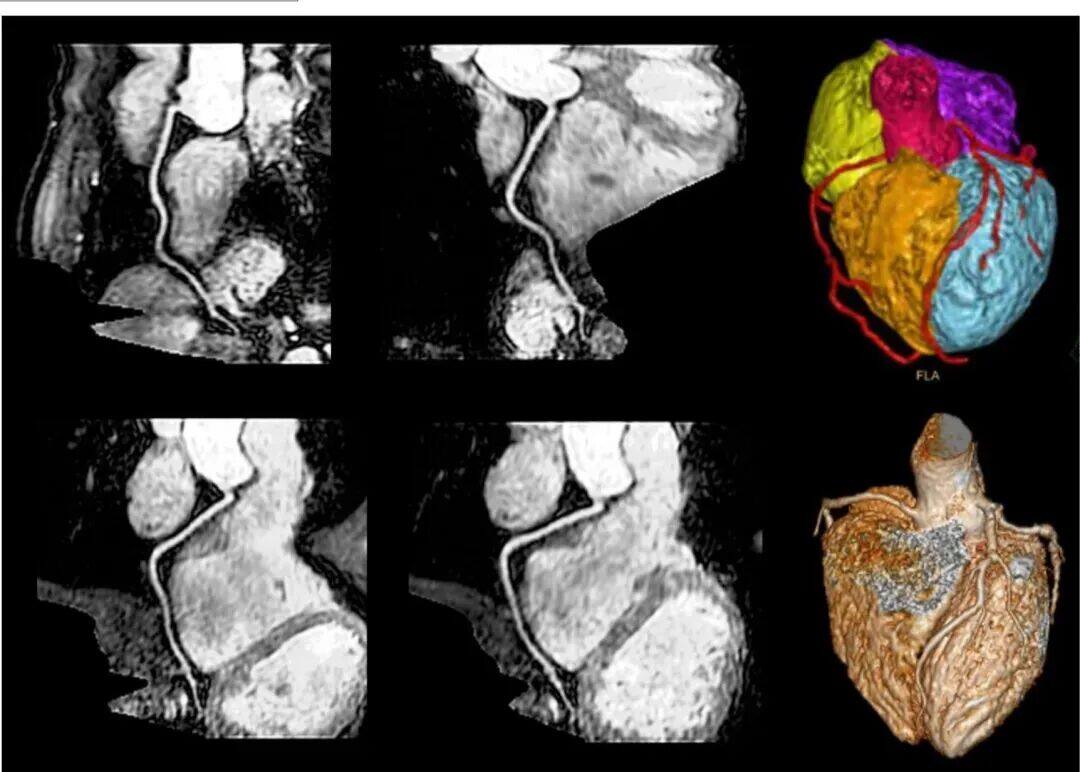
In addition, in the field of echocardiography, the latest artificial intelligence (AI) analysis software launched by Philips can not only be integrated into Philips' new compact ultrasound transducer X11 4t Mini but also is fully compatible with the EPIQ CVx and Affiniti CVx systems. This innovative move provides unprecedented flexibility and precision for echocardiographic examinations.
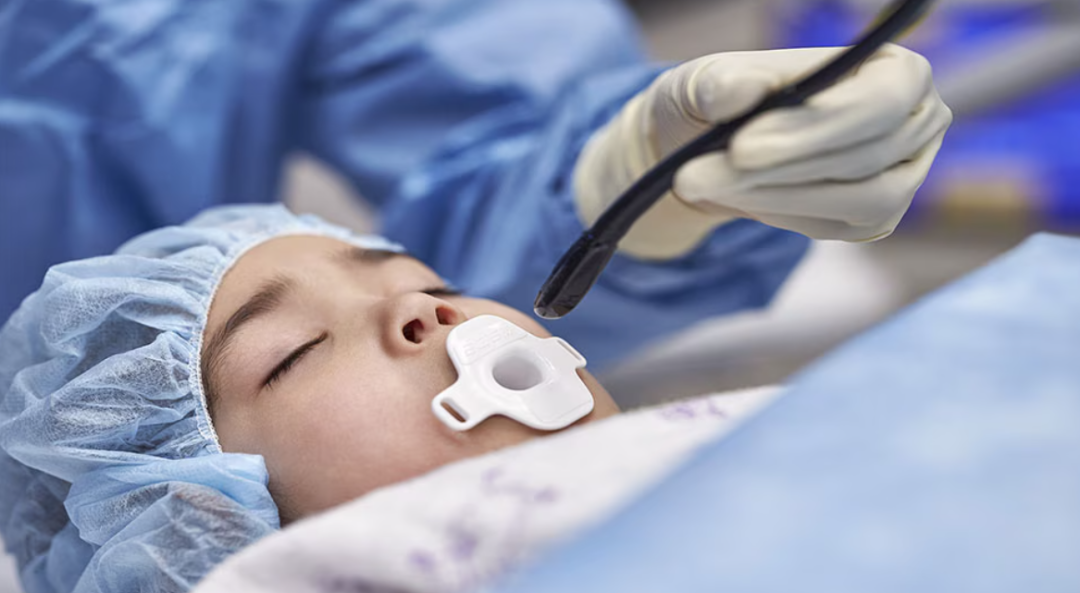
By integrating artificial intelligence into echocardiography solutions, it is now possible to automate certain steps to support clinicians' decision-making, enabling more efficient detection, diagnosis, and monitoring of various heart conditions within seconds.
——
This time, the cooperation between Medtronic and Philips in India once again highlights the development potential of the region. As a highly anticipated growth area for Medtronic, can TAVR capture more market share in India? Medical Device News will continue to follow up.
More exciting content
Welcome to follow WeChat Video Channel


Single Product Sales Surpass 1 Billion in China, Invisible Leader Cuts 10% of Workforce
ECR 2025 Grand Review: GPS, Canon...
Olympus, Global Level One Recall
143-Year Medical Device Giant Plans to Sell Key Business
The Power of China at ECR 2025: United Imaging, Mindray, Neusoft...
Medical Giant Splits in Two, Stock Price Drops 21.76%
Song Weiqun Takes Over from Zhang Yihao: What New Possibilities Will He Bring to GE Healthcare?
"Universal Pharmacy" Shuts Down Acquisition of Device Business
The King of Hemodialysis: 8,200 Employees Already Laid Off
CEO of Radiation Therapy Giant Resigns

BusinessBusiness cooperation email: qxzj@landianyiliao.com