

Johnson & Johnson Recalls PFA System Catheter Amid Stroke Risk Concerns

Johnson & Johnson
Medical Device R&D and Manufacturer
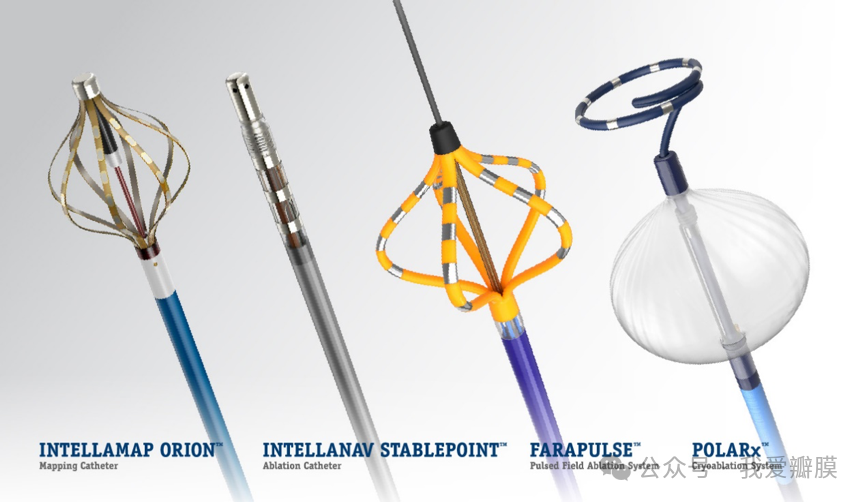 Breaking! Johnson & Johnson PFA System Catheter Recalled
Recently, the U.S. Food and Drug Administration (FDA) Announced the recall of Johnson & Johnson due to stroke risk PFA System Catheter. This news was like a bombshell, instantly causing a huge stir in the medical field and public opinion. Medical device recalls are no small matter; they are directly related to patient health and the standardized development of the healthcare industry. Today, let's delve into what lies behind all this.

Full Analysis of the Event Details
Recall Background and Reasons
The core reason for this recall incident isPatients Face Higher-Than-Expected Risk of Stroke After Surgery. Among the patients treated in the early stages of the device's launch in the United States, approximately 3% Stroke or transient ischemic attack occurred shortly after treatment. . Under normal circumstances, the expected stroke rate should be close to 1%. This huge difference in data undoubtedly plants a time bomb for the life and health of patients. For instance, originally 100 Patients receive treatment, possibly only 1 Patients will experience stroke-related issues, but in reality, there are 3 Name, which means more patients are facing the threat of serious complications. This risk far exceeds expectations, making FDA Have to take action to ensure the safety of patients.
Details of the Recall Action
This recall belongs to I Class recall, this is FDA Considered the most serious recall category, meaningThis means that if patients use these devices without checking the updated instructions, they will be at risk of serious injury or death.However, unlike common recalls, this time there is no need to return or remove any devices from the market. Instead, all customers are urged to read the updated instructions provided by Johnson & Johnson Medical. For doctors, the revised instructions are like a more precise surgical navigation map. It may detail under what circumstances using the device poses higher risks, or provide more specific usage recommendations based on the physical conditions of different patients.For instance, for patients with certain underlying conditions, it may be necessary to adjust the dosage or modify the procedural steps. This is crucial for doctors to make the right decisions during surgery, directly impacting the success of the operation and the safety of the patient.
Johnson & Johnson's Response Measures
Johnson & Johnson's response measures throughout the incident have also attracted significant attention. As early as January, Johnson & Johnson Medical Technology suspended the launch of its products in the United States due to safety concerns.Varipulse PFA System. After nearly six weeks of investigation and evaluation, it was reintroduced. This process demonstrates Johnson & Johnson's emphasis on safety issues and also shows its efforts to find solutions to ensure the safety and efficacy of the product.After the recall, Johnson & Johnson also took active measures and made a series of recommendations to users. These include reviewing the company's investigation results on perioperative stroke reports and following the updated instructions; determining the use of this... PFA When determining whether the system is suitable for the patient, share this information with the patient; pay attention to the planned post-approval study in the United States, which aims to further investigate the benefits and risks associated with this device. These recommendations, ranging from the operational norms for doctors, to the patients' right to informed consent, to the focus on follow-up research, comprehensively consider various factors in the product usage process, aiming to minimize risks and ensure the safety and interests of patients.
PFA System Catheter: Innovation and Risk Coexist
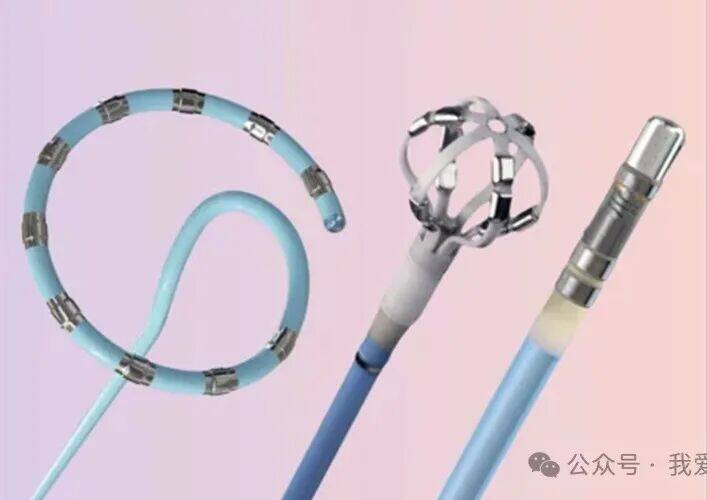
PFA Technical Principles and Advantages of System Catheters
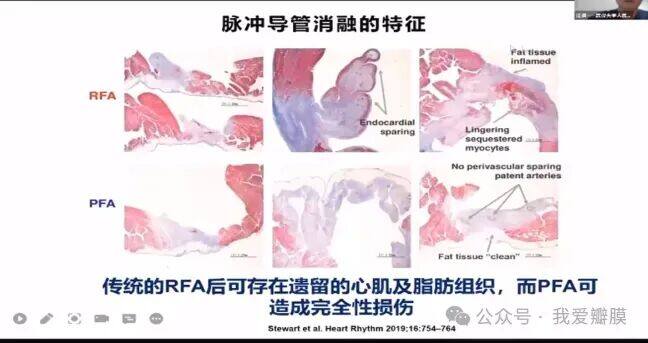
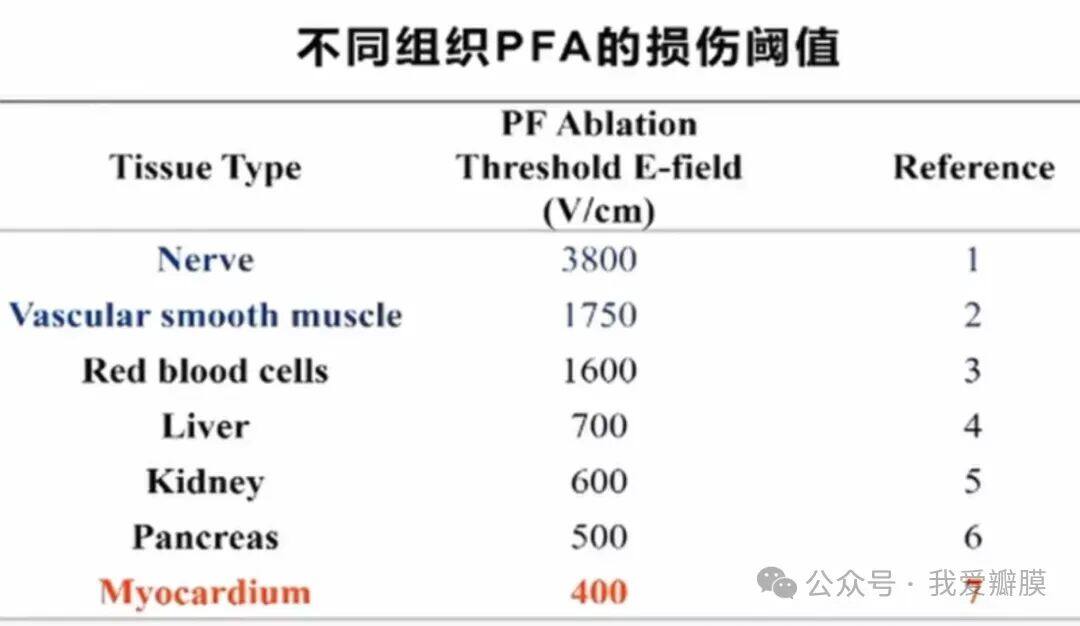
PFA System Catheter, namely the Pulse Field Ablation System Catheter, is an innovative medical device used to treat cardiac conditions such as atrial fibrillation. Its working principle is quite sophisticated, utilizing a pulse generator to deliver microsecond or nanosecond electrical pulses to tissues, creating irreversible pores in cell membranes that lead to apoptosis, thereby achieving precise ablation of cardiac tissue.. To give an analogy, it is like sending a signal to the abnormal cells of the heart. “Self-destruct instruction”, allowing them to meet our expectations “Exit”, thereby restoring the normal rhythm of the heart. This technology has obvious advantages over traditional radiofrequency ablation and cryoablation.Traditional ablation methods rely on temperature. When the dose is too high, complications such as pulmonary vein stenosis, atrial-esophageal fistula, and phrenic nerve injury may occur; when the dose is too low, there will be issues of incomplete ablation, leading to a higher chance of recurrence. Moreover, PFA The system catheter is like a more precise “Restoration Artisan”It has a high degree of tissue specificity, allowing it to ablate diseased tissue without damaging surrounding blood vessels, nerves, and the esophagus. Moreover, it employs a non-thermal ablation method, significantly reducing the risk of collateral tissue damage caused by high temperatures or freezing. It also does not cause pulmonary vein stenosis and has lower requirements for catheter contact.This is akin to a highly skilled doctor precisely removing the diseased area without harming the surrounding healthy tissue. Cardiac Rhythm Society 2024 Latest U.S. Multicenter at the Annual Meeting admIRE Clinical trial data, also for PFA The advantages of the system catheter provide strong evidence. The trial showed,PFA The system demonstrated excellent long-term safety and effectiveness in patients with paroxysmal atrial fibrillation, and 100% The patient's acute surgery was successful and 75% The main effective success rate is associated with. This means that the majority of patients, after receiving PFA After systemic catheter treatment, the surgery can be successfully completed, and the therapeutic effect can be effectively maintained during long-term observation.
Discussion on Potential Risks of New Technologies
However, the development of new technologies always comes with challenges,PFA The system catheter is no exception. Despite showing good results in clinical trials, the incident of this recall due to stroke risk has undoubtedly sounded an alarm for us. From the current situation, although PFA The system catheter has unique advantages in treating cardiac conditions such as atrial fibrillation, but in practical applications, there may still be some potential risks.Combined with adverse events associated with pulsed ablation technology reported in other studies, we can gain a more comprehensive understanding of these potential risks. Research has indicated that issues such as air embolism and pericardial effusion may occur with pulsed ablation technology. In "Journal of Interventional Cardiac Electrophysiology》A study published in PulseSelect™And FARAPULSE™Two pulse ablation systems were analyzed and found FARAPULSE™The system experienced multiple adverse events related to the heart during use, such as tamponade, air embolism, and pericardial effusion.. The occurrence of these events not only affects the smooth progress of the surgery but also poses a serious threat to the patient's life and health. Air embolism is like a “Time Bomb”, once entering the circulatory system, may block blood vessels, leading to ischemia and hypoxia in vital organs; pericardial effusion can increase the heart's burden and affect its normal function. The presence of these potential risks reminds us to be cautious in promoting and using PFA When dealing with systemic catheters, a cautious approach must be maintained. Further in-depth research is needed to identify the causes of these risks and how to effectively prevent and address them. Although PFA The system catheter brings new hope for the treatment of heart disease, but we cannot ignore its potential risks. Only by fully understanding its advantages and risks can we better utilize this technology to provide patients with safer and more effective treatment.
The profound impact on patients and the industry
Direct Impact on Patients
For patients, this recall is undoubtedly a bombshell. Especially for those suffering from heart conditions like atrial fibrillation, who rely on... PFA Patients treated with systemic catheters are undoubtedly filled with worry and unease. After all, the purpose of treatment is to restore health, but if the process comes with such a high risk of stroke, it is certainly adding to the patients' concerns. “Wire” Upward movement. For older patients, their physical functions are relatively weak, and their recovery ability is also poor. The impact of complications such as stroke may be more severe for them. A single stroke could drastically worsen their already fragile health conditions, even endangering their lives. Therefore, these patients must be more cautious when choosing treatment options. It is crucial to fully understand the risks and benefits of the treatment. Patients cannot simply because PFA The system catheter is an innovative technology, but it should not be chosen blindly. Before deciding whether to undergo treatment, it is essential to have thorough communication with the doctor to understand the specific procedure of the surgery, potential risks, and measures to address those risks. Only with comprehensive knowledge can a patient make the most suitable decision for themselves. For those who have already received PFA Patients undergoing systemic catheter therapy should not panic excessively. They should closely monitor their physical condition, follow the doctor's advice for regular check-ups, and seek medical attention promptly if they experience any discomfort. This recall incident also reminds patients to choose regular medical institutions and experienced doctors when selecting medical services. The medical equipment and technology of regular medical institutions are relatively more guaranteed, and the experience of doctors can also reduce surgical risks to a certain extent. Patients should remain rational and cautious when facing medical decisions, and fully understand relevant information to better protect their health and safety.
A Warning to the Medical Device Industry
From an industry perspective, Johnson & Johnson PFA The recall of the system catheter has sounded an alarm for the entire medical device industry. It once again emphasizes the importance of medical device safety, a core issue related to patient health and life. On the Road to Pursuing Technological Innovation, Enterprises Often Invest a Large Amount of Human, Material, and Financial Resources, Committed to Developing More Advanced and Effective Medical Devices. However, in This Process, We Cannot Focus Only on the Advancement of Technology While Ignoring Safety. Innovation Is Indeed Important, but If the Risks Brought by Innovation Cannot Be Effectively Controlled, Then Such Innovation May Be More Harmful Than Beneficial. Johnson & Johnson PFA Take the system catheter as an example. Although it has unique advantages in treating heart conditions such as atrial fibrillation, providing patients with a new treatment option, the issue of stroke risk not only poses a health threat to patients but also brings significant reputational and financial losses to Johnson & Johnson. This clearly shows that safety is the lifeline of medical devices, and any neglect of safety may come at a heavy cost. When developing and promoting medical devices, enterprises must fully consider safety. This requires strengthening regulation and risk assessment and establishing a comprehensive quality management system. During the product development phase, sufficient experiments and tests must be conducted to discover potential risks as much as possible and take effective measures to address them. After the product is launched, it is also necessary to continuously track and monitor the usage of the product, promptly identifying and addressing any possible issues. Regulatory authorities should also strengthen the supervision of medical devices, establish stricter standards and regulations, and ensure the safety and effectiveness of medical devices. Only through the joint efforts of enterprises and regulatory authorities can the healthy development of the medical device industry be promoted, providing patients with safer and more effective medical products. Johnson & Johnson PFA The recall of the system catheter was a profound lesson, reminding us that in the field of medical devices, safety is always the top priority and should never be taken lightly at any time.
Rationally View Medical Innovation and Risks
Johnson & Johnson PFA The System Catheter Recall: A Profound Reminder of Medical Innovation and Risk. It underscores that medical innovation is a crucial force driving medical progress and improving patient health, but the existence of risks cannot be overlooked in the pursuit of innovation. Medical enterprises should prioritize patient safety, fully conduct risk assessments and clinical trials when researching, developing, and promoting new products to ensure the safety and effectiveness of the products. At the same time, a comprehensive after-sales service system should also be established to promptly identify and resolve issues that arise during product use. Patients and doctors should also remain rational and cautious when facing new technologies and equipment. Patients need to fully understand the risks and benefits of the treatment plan and make decisions together with their doctors; doctors, on the other hand, must continuously improve their professional skills, strictly follow operational guidelines when using medical devices, and provide patients with safe and effective treatments. The development of the healthcare industry requires continuous innovation, but innovation must be built on a foundation of safety. Only through the joint efforts of all parties can we steadily advance on the path of medical innovation and bring more benefits to patients.