Tezepelumab Demonstrates 98% Reduction in Need for Nasal Polyp Surgery in Phase 3 WAYPOINT Trial Published in The New England Journal of Medicine

AstraZeneca
Biopharmaceutical Manufacturer

Amgen
Developer of Treatment Drugs for Serious Diseases
▎WuXi AppTec Content Team Report
Tezepelumab is a “first-in-class” human monoclonal antibody jointly developed by AstraZeneca and Amgen. It inhibits the activity of thymic stromal lymphopoietin (TSLP). TSLP is a key epithelial cytokine located upstream of multiple inflammatory cascade reactions and plays a central role in the initiation and persistence of allergic, eosinophilic, and epithelial cell-driven inflammation associated with severe asthma and other inflammatory diseases.
Currently, Tezepelumab has been approved for use in the United States, the European Union, Japan, and more than 60 countries worldwide.Severe AsthmaTreatment. In the United States and the European Union,Tezepelumab has been approved as a single-dose pre-filled syringe and autoinjector for patient self-administration.. In addition, Tezepelumab treatmentChronic Rhinosinusitis with Nasal Polyps (CRSwNP)Indications are under review by regulatory agencies in multiple regions worldwide.
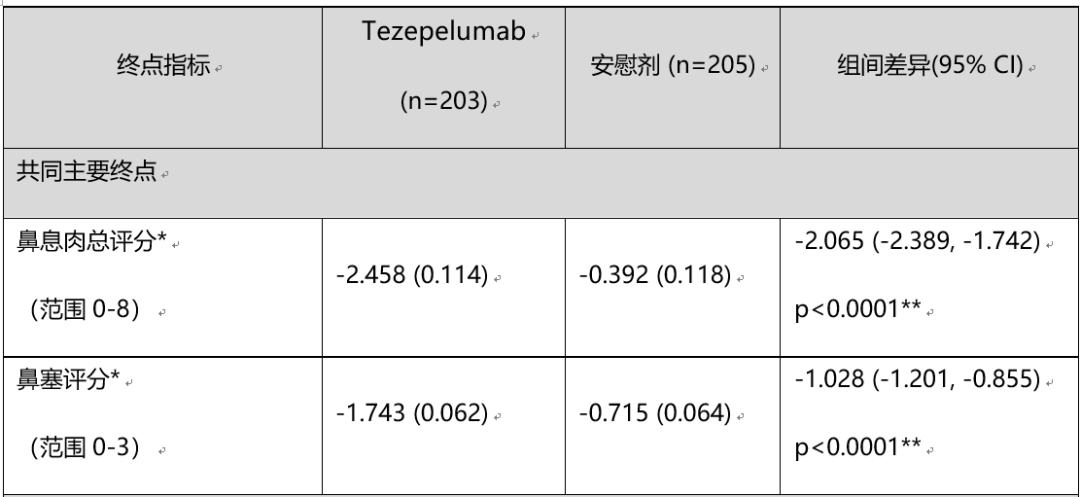
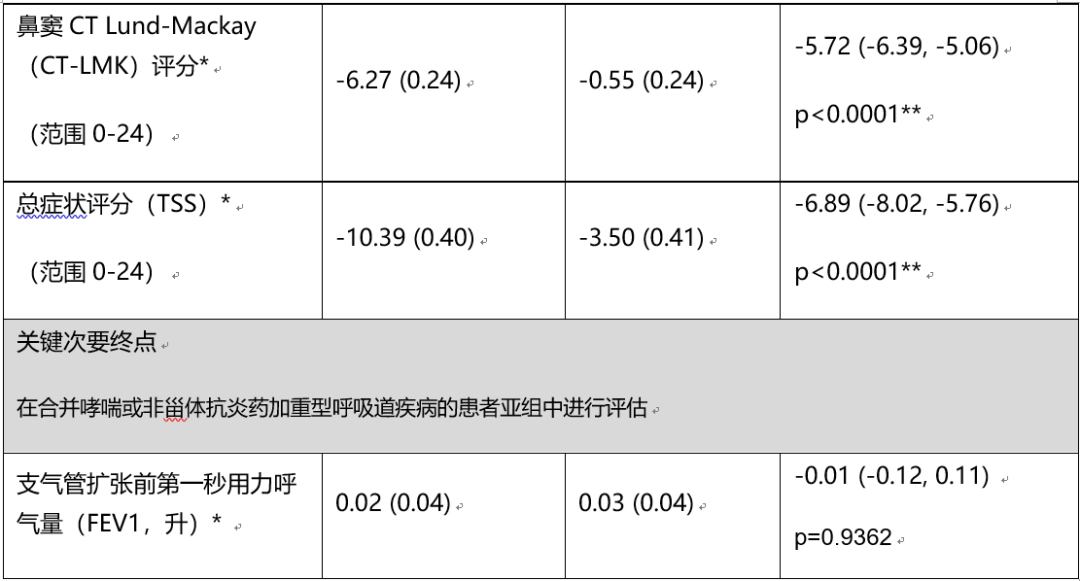
The WAYPOINT study showed that treatment with Tezepelumab significantly reduced the severity of nasal polyps as assessed by the co-primary endpoints, compared to placebo.At Week 52 of treatment, the Nasal Polyp Score (NPS) decreased by 2.065 points.(95% Confidence Interval [CI]: -2.389, -1.742; p<0.0001),Patients self-reported a 1.028-point reduction in Nasal Congestion Symptom (NCS) score.(95% CI: -1.201, -0.855; p<0.0001). Improvement in Nasal Polyp Score (NPS) was first observed at Week 4, while improvement in patient-reported Nasal Congestion Symptom Score (NCS) was first observed at Week 2 (both assessed after the first treatment), with efficacy sustained through Week 52.
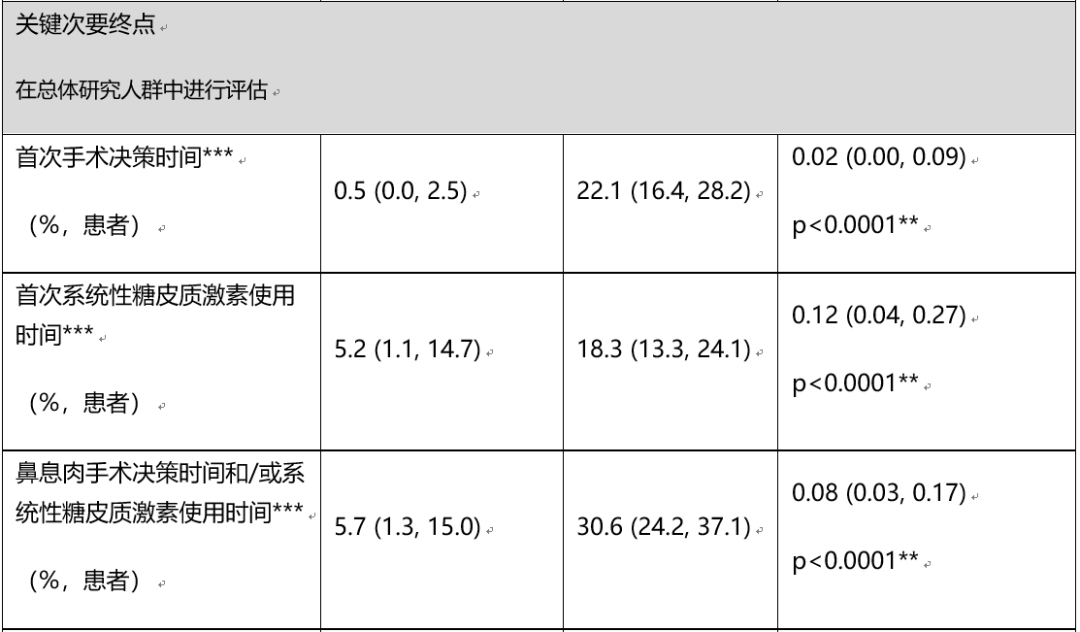
In the overall study population, all key secondary endpoints demonstrated statistically significant and clinically meaningful improvements. Importantly, compared with the placebo group,Tezepelumab Significantly Reduced the Need for Subsequent Nasal Polyp Surgery by 98%(p<0.0001) andDemand for systemic glucocorticoids decreased by 88%(p<0.0001)。
Professor Dehui Wang, the principal investigator in China for the WAYPOINT study and a professor at the Eye, Ear, Nose, and Throat Hospital of Fudan University, stated: "Many patients with nasal polyps face the risk of repeated surgeries and the potential, severe systemic side effects from long-term use of various glucocorticoids. The results of the WAYPOINT study have significant clinical implications, as they indicateTezepelumab can significantly reduce nasal polyps and alleviate nasal congestion symptoms, potentially eliminating the need for future surgery and hormone therapy in patients, thereby substantially reducing the disease burden in patients with nasal polyps.。”
Dr. He Jing, Senior Vice President of AstraZeneca Global and Head of China Center for Global R&D, stated: "The results of the WAYPOINT study demonstrate that Tezepelumab offers a much-needed treatment option for patients with chronic rhinosinusitis with nasal polyps (CRSwNP). With its globally innovative mechanism of action,Tezepelumab works by targeting TSLP (thymic stromal lymphopoietin) at the top of the inflammatory cascade."The research data further demonstrates that this product can bring about a transformation in the treatment paradigm for patients with epithelial cell-driven inflammatory diseases."
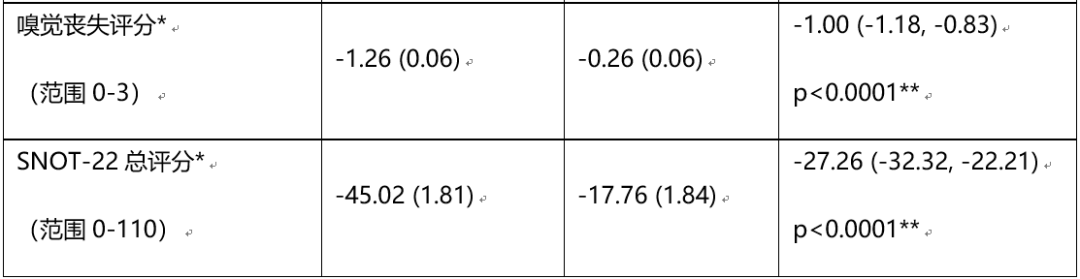
Table 1: Summary of Efficacy Data for Co-primary and Key Secondary Endpoints
Tezepelumab was generally well-tolerated in patients with chronic rhinosinusitis with nasal polyps (CRSwNP), and its safety profile was consistent with the approved indication for severe asthma. The most common adverse events in the WAYPOINT study included coronavirus disease 2019 (COVID-19), nasopharyngitis, and upper respiratory tract infections. Regarding safety outcome measures, no clinically meaningful differences were observed between the Tezepelumab treatment group and the placebo group.
The Phase 3 DIRECTION study results, presented at the joint congress of the American Academy of Allergy, Asthma & Immunology (AAAAI) and the World Allergy Organization (WAO), showed thatIn Asian patients with severe uncontrolled asthma, treatment with Tezepelumab for 52 weeks significantly reduced the annualized asthma exacerbation rate (AAER) by 74% compared to placebo.(HR 0.26, 95% CI: 0.17, 0.39; p<0.001). Consistent with the global data for this drug, patients in the Tezepelumab treatment group showed significant improvements in lung function, asthma control, and health-related quality of life compared to the placebo group. In the DIRECTION study, the safety profile and tolerability of Tezepelumab were consistent with its approved indication for severe asthma.
Professor Zhong Nanshan, an academician of the Chinese Academy of Engineering and the principal investigator of the DIRECTION study, stated: "The DIRECTION study is an international research effort based in China and oriented towards Asia. It represents a significant breakthrough in the treatment of severe asthma (SA) targeting TSLP, while also highlighting the contributions of Chinese researchers in advancing the study and clinical treatment of severe asthma. It demonstrates the increasing influence of China on the international academic stage. Tezepelumab acts on the upstream target of asthma inflammatory response, blocking the inflammatory reaction at its source. The data from this clinical study is highly encouraging, and we believe this innovative therapy will benefit a broader population of patients with severe asthma, offering more comprehensive benefits to patients."
Lin Xiao, General Manager of AstraZeneca China and General Manager of AstraZeneca China's Biopharmaceuticals Business, noted: "Biologics represent the cutting-edge direction in China’s chronic disease treatment. We are highly encouraged by the positive outcomes of the WAYPOINT and DIRECTION studies. This marks an extension of AstraZeneca’s scientific leadership into the field of otorhinolaryngology, while continuing to advance research and clinical applications in asthma. AstraZeneca is steadily progressing from traditional chemical drugs to biologics, from general medicines to specialty medicines, and from conventional treatment areas to innovative therapeutic fields. We will continue to deliver groundbreaking medicines that transform treatment paradigms and bring greater benefits to patients."
Chen Xi, Vice President of AstraZeneca China and Head of the Respiratory, Autoimmune Biopharmaceuticals, Vaccines, and Immunotherapy Division, stated: "The excellent results of the WAYPOINT and DIRECTION studies demonstrate the broad clinical application prospects of Tezepelumab in the treatment of chronic rhinosinusitis with nasal polyps (CRSwNP) and severe asthma (SA). It not only provides a new treatment option for Chinese patients with chronic rhinosinusitis with nasal polyps (CRSwNP), but also further strengthens AstraZeneca's leadership in comprehensive asthma management. We are highly anticipating the early market launch of this innovative drug to bring more treatment options to patients in China."
References:
[1] AstraZeneca Press Release
This article was compiled and edited by the WuXi AppTec content team based on publicly available information. Feel free to share it on your personal social media feed. For reprints authorization andFor other collaboration needs, please contact wuxi_media@wuxiapptec.com.
Disclaimer: The content team of WuXi AppTec focuses on introducing the research progress in global biopharmaceuticals and health. This article is for information exchange only, and the views expressed in the article do not represent the position of WuXi AppTec, nor does it indicate that WuXi AppTec supports or opposes the views mentioned. This article is not a recommendation for treatment plans. For guidance on treatment options, please visit a正规 hospital.