

Boston Scientific Unveils SCGC: A Novel Self-Centering Guiding Catheter Revolutionizing TAVR Procedures

Boston Scientific
Medical Device Manufacturer
Traditional TAVR Challenges of the Surgery
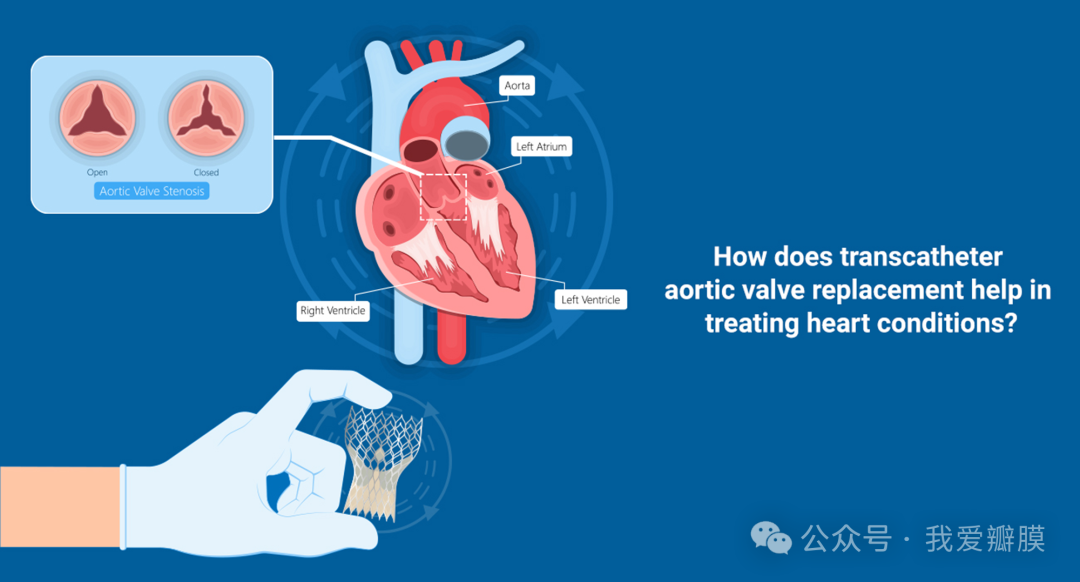
In the current era of rapid development in medical technology, transcatheter aortic valve replacement (TAVR) has become an important method for treating aortic valve stenosis, bringing new hope to many patients. However, traditional TAVR The surgery faced numerous challenges during its implementation.
The first to bear the brunt isThe key step of guidewire crossing the stenotic aortic valveWhen the aortic valve is stenotic, the valve orifice is narrow, its open position is difficult to locate, the elasticity of the valve is poor, and there is retrograde blood flow. The blood flow is in a jet-like state, making it extremely challenging for the guidewire to cross the valve. It is akin to navigating a boat through a narrow and winding river—any slight misstep could lead to running aground. To ensure the guidewire successfully passes through the stenotic aortic valve into the left ventricle, doctors must rely on their extensive experience and sophisticated skills. X With the assistance of radiation, the operation is performed meticulously. Nevertheless, the procedure remains complex and tedious, posing a significant test to both the technical skills and psychological resilience of the doctors.
Complex operations inevitably lead to prolonged surgical duration. In traditional TAVR During the surgery, doctors need to spend a significant amount of time trying to successfully cross the valve with the guidewire. Each adjustment of the guidewire’s position and angle requires careful thought and precise manipulation, which undoubtedly prolongs the operation time. The extension of surgery not only increases the risks for patients on the operating table but may also lead to longer postoperative recovery times and extended hospital stays, placing a heavy burden on the patients and their families.
More seriously, traditional TAVR The surgery also carries a high risk of cerebral embolism. During the process of guidewire crossing the aortic valve, calcified native aortic valves, atherosclerotic plaque debris from the aortic access, blood clots, etc., may dislodge. These emboli can flow into the cerebral vessels with the bloodstream, causing cerebral embolism, which leads to severe consequences such as ischemic stroke or hemorrhagic stroke in patients. According to relevant studies,TAVR Perioperative Stroke After Surgery 30 Increased risk of death within days > 6 Times Related ,This data is alarming and highlights the urgency of reducing the risk of cerebral embolism.
Traditional TAVR The complexity, time-consuming nature, and high risk of cerebral embolism associated with the procedure when the guidewire passes through the stenotic aortic valve significantly limit the effectiveness of the surgery and the patient's prognosis. Therefore, developing a new type of catheter to address these issues has become an urgent challenge in the medical field.And Boston Scientific Corporation's self-centering guiding catheter (SCGC), was born in response to such a background, for TAVR The innovation in surgery brings hope.
New Type TAVR Catheter Debut
In Traditional TAVR Amidst numerous challenges faced during the surgery,Boston Scientific Self-centering guiding catheter developed (SCGC) Like a brilliant new star, it has made a dazzling debut, bringing new hope and transformation to the field of cardiovascular disease treatment.
In terms of appearance,SCGC The catheter is slender and delicate, with an overall design that conforms to ergonomic principles, allowing doctors to operate flexibly during surgery. The main body of the catheter uses advanced material technology, ensuring sufficient strength and toughness while also providing excellent biocompatibility, minimizing potential damage to the patient's blood vessels and tissues.
SCGC The core design lies in its unique self-centering basket.This self-centering basket is constructed from a tapered nitinol frame. Nitinol, known for its excellent shape memory properties and superelasticity, allows the frame to adaptively deform within complex vascular environments while consistently maintaining a stable shape and position. Like an intelligent navigator, regardless of vascular twists and turns, the self-centering basket can precisely find the optimal path. The basket is also covered with polytetrafluoroethylene (PTFE) layer, this material has an extremely low friction coefficient, just like putting a smooth layer on the basket. “Protective Clothing”, which can effectively reduce friction with the blood vessel walls, lower the risk of vascular damage, and also facilitate smoother passage of the guidewire. Outside the polytetrafluoroethylene layer, there is an additional silicone coating, which further enhances the lubricity of the catheter, allowing it to move more freely and effortlessly within the blood vessels, as smoothly as a fish swimming in water.
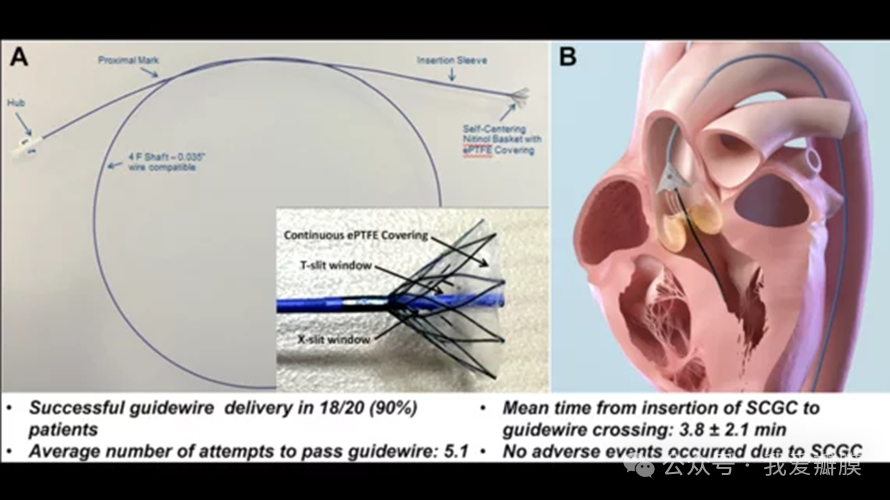
When the surgery is underway, the self-centering basket’s mechanism is nothing short of astonishing. It is cleverly captured within the insertion sheath, like a lurking warrior, waiting for the command to strike. Once it needs to pass through the narrow aortic valve, the self-centering basket quickly deploys and unfolds from outside the insertion sheath, resembling a blossoming flower that instantly opens up. At this point, its self-centering function comes into play, automatically adjusting its position to closely align with the opening of the aortic valve, creating a stable bridge for the guidewire to pass through. “Bridge”The proximal marker on the catheter shaft acts like a precise signal light, clearly indicating when the basket exits from the end of the catheter, allowing the doctor to accurately track the progress of the surgery and ensure that every step of the procedure is carried out flawlessly.
In actual surgical operations, the doctor first SCGC Catheter Passing 6 - F The guiding catheter is delivered to the target position, due to its0.035 Compatible with inch guidewires, doctors can easily advance the guidewire along the catheter. When approaching the aortic valve, the doctor manipulates the handle to control the deployment of the self-centering basket. The self-centering basket quickly expands, and with its self-centering function, accurately aligns with the aortic valve opening. With a gentle push of the guidewire by the doctor, the guidewire, guided by the self-centering basket, smoothly passes through the narrowed aortic valve and enters the left ventricle. The entire process is like a meticulously choreographed dance, with the doctor and... SCGC The catheter默契配合, jointly completing this highly challenging surgical procedure.
SCGC The design features and working principle of the catheter make it TAVR It has shown great advantages during the surgery. It is like TAVR Customized for surgery “Golden Key”, which can easily open a new door to the treatment of aortic stenosis, bringing patients safer and more effective treatment options.
First-in-Human Study Yields Significant Results
In order to verify SCGC To investigate the actual effect of the catheter, medical experts have launched a rigorous and scientific first-in-human study. This study is like a carefully planned medical exploration journey, attracting the attention of many fields in the medical community.
The research team carefully selected 20 Patients with severe aortic stenosis participated in this study. The average age of these patients was 78 Years old, of which 45% For women, the average rating of the Thoracic Surgery Association is 7.2. They come from different backgrounds but are all plagued by the disease of aortic stenosis, with their quality of life drastically declining and their health seriously threatened. This research study represents a journey of hope for them to regain their health.
During the research process,4 An Experienced Interventional Cardiologist Takes on Heavy Responsibilities, Utilizing Excellent Medical Skills, Using 23 Platform SCGC Equipment for this 20 patients were treated. Inside the operating room, the atmosphere was tense and solemn, with every step of the procedure directly impacting the patient's life. The experts were fully focused, relying on their extensive experience and SCGC A deep understanding of the catheter, carefully performing each operation.
Encouragingly, the research results are nothing short of stunning. All of the TAVR The surgeries were all successfully completed with a high success rate of 100%, and no adverse events occurred. This result is undoubtedly a reassurance for patients, their families, and medical experts alike. It is akin to a ship navigating in the dark finally finding a safe harbor. The proportion of patients in whom the guidewire was successfully delivered through the aortic valve to the left ventricle reached 90%, the success rate of the equipment used has also reached 78.3%. This means SCGC The catheter can effectively guide the guidewire through the stenotic aortic valve, laying a solid foundation for subsequent treatment. More notably,43.5% The probability in 3 Crossing the aortic valve with a guidewire in fewer attempts significantly improves the efficiency of the procedure and reduces patient discomfort. The chances of re-capturing the self-centering basket also reached 100%, which fully demonstrates SCGC Stability and reliability of the catheter. From insertion SCGC The average time from catheter insertion to removal was only 6.6 Minutes, which significantly shortens the operation time compared with traditional surgery. This not only reduces the risk for patients on the operating table but also allows them to recover more quickly and return to normal life.
The results of this first-in-human study fully demonstrate that SCGC Catheter in TAVR Safety and effectiveness during surgery. It is like a magical key that opens a new door for treating aortic valve stenosis, bringing good news to patients. It also injects new vitality into the development of the cardiovascular disease treatment field, filling us with anticipation for the future of medical advancements.。
Expert Opinions and Industry Impact
SCGC The outstanding performance of the catheter has won high praise from many cardiologists. The first author, a cardiologist and echocardiographer at Mayo Clinic Mackram F. Eleid The medical doctor said excitedly:“The emergence of this technology is TAVR An important milestone in the development of surgical procedures. It provides us with a brand-new, highly efficient tool that greatly enhances the success rate and safety of surgeries.” In his view,SCGC The catheter is like a precise surgical knife, capable of creating a safe and smooth passage for the guidewire in the complex vascular environment, making the surgery more manageable.。
A senior cardiac expert from Beijing Anzhen Hospital also pointed out:“Traditional TAVR The key step of guidewire crossing during the surgery often poses challenges for doctors. And SCGC The self-centering basket design of the catheter is like installing an intelligent navigation system for the guidewire, which can automatically align with the aortic valve opening, significantly reducing the difficulty and risk of the surgery. This not only requires exquisite medical technology but also a profound understanding of human anatomy and hemodynamics, as well as the skillful application of material science and engineering techniques. Such interdisciplinary innovation is an important approach to solving medical challenges.” His words profoundly revealed SCGC The Technology and Innovation Behind Catheters.
SCGC The emergence of catheters undoubtedly provides TAVR The future development of surgery has been injected with strong momentum. Its improvement in surgical efficiency is obvious. In traditional surgery, doctors may need to spend a lot of time trying to guide the catheter through the narrow aortic valve, but now, with the help of SCGC Catheter, this process has become faster and smoother. Just like a car driving on the highway, with clear navigation guidance, it can reach the destination more quickly. This not only reduces the patient's time on the operating table, lowers the surgical risk, but also improves the hospital's surgical efficiency, allowing more patients to receive timely treatment.
In terms of reducing the risk of complications,SCGC Catheters also play an important role. Traditional TAVR During the surgery, when the guidewire crosses the valve, it may cause the detachment of calcified native aortic valves, atherosclerotic plaque fragments from the aortic access, thrombi, etc., leading to severe complications such as cerebral embolism. SCGC The self-centering basket and smooth coating design of the catheter can reduce irritation and damage to the blood vessel walls, lowering the risk of embolus detachment, acting like a robust protective net installed in the patient's cerebral vessels. This is crucial for improving the patient’s postoperative quality of life and reducing the occurrence of postoperative complications.
From a broader perspective,SCGC The application of catheters may also drive TAVR Surgery expands to a broader patient population. As technology continues to mature and improve, those who were originally excluded due to high surgical risks TAVR Patients who are not suitable for surgery now may have the opportunity to receive treatment. This will bring hope to more patients with aortic valve stenosis, allowing them to regain a healthy life.
SCGC The advent of catheters represents not only a significant breakthrough in medical technology but also a strong safeguard for patients' health. It demonstrates the power of medical innovation and fills us with confidence in the future treatment of cardiovascular diseases.。
Future Outlook

Despite SCGC The catheter performed excellently in the first-in-human study, but the development of medicine is endless, and there is still ample room for improvement in the new type of catheter. In terms of ease of use, future designs can further simplify operational procedures, allowing doctors to more easily and quickly master the usage techniques. For instance, developing a more intelligent operating handle that provides real-time feedback on the position and status of the self-centering basket through an electronic display screen, enabling doctors to control the catheter with greater precision during surgery.。
In terms of controllability, scientists will focus on improving the positioning accuracy and stability of the self-centering basket. This can be achieved by enhancing the material properties and structural design of the nitinol frame, allowing it to better adapt to complex and variable vascular environments and aortic valve morphologies. By utilizing advanced sensor technology and remote control techniques, precise remote control of the catheter can be realized, similar to operating a drone. Doctors can accurately control every movement of the catheter from a safe position away from the operating table, using a computer or controller.。
In terms of overall performance, it is necessary to further enhance the biocompatibility of the catheter, reduce irritation and damage to human tissues and blood, and lower the risks of postoperative infection and thrombosis. The durability of the catheter should be optimized so that it can maintain good performance after multiple uses, reducing medical costs.
With the continuous improvement and refinement of new catheters,TAVR The surgery is expected to become more widely available. More medical institutions will be able to perform this procedure, benefiting a greater number of patients with aortic valve stenosis. Those who were previously unable to receive treatment due to high surgical risks or limited technical capabilities of the hospital will now have the opportunity to regain their health. The emergence of the new catheter will also drive technological innovation and development in the field of cardiovascular disease treatment, providing new approaches and methods for the treatment of other related conditions.
Imagine that, one day in the future,TAVR Surgery will become as simple and safe as routine operations. Patients will no longer need to endure the immense pain of traditional open-chest surgery, and postoperative recovery time will be significantly shortened, allowing them to return to normal life more quickly. This is not only a beautiful vision for medical experts but also a common goal that all healthcare professionals are striving toward.。
Reference:
1. Mackram F. Eleid, Rajiv Gulati, Brandon J. Tefft, et al. A Novel Self-Centering Aortic Valve Crossing Catheter for Transcatheter Aortic Valve Replacement. J Am Coll Cardiol Intv. Feb. 19, 2025.