Recently, by Crystal Digital Technology andFounded jointly by Professor Li Tang's team from EPFL (École Polytechnique Fédérale de Lausanne), SwitzerlandLeman Biotech Co., Ltd. announced that itsMetabolism-Enhanced CD19 CAR-T Cell Therapy Product(Meta10-19 Injection) has successfully completed the investigator-initiated clinical trial (IIT) at the First Affiliated Hospital of Zhejiang University School of Medicine.The First Case of Systemic Lupus Erythematosus (Systemic Lupus Erythematosus,SLE) Drug Administration to Subjects. This is the first expansion into the field of autoimmune disease treatment after the product achieved a breakthrough in the area of hematological tumors.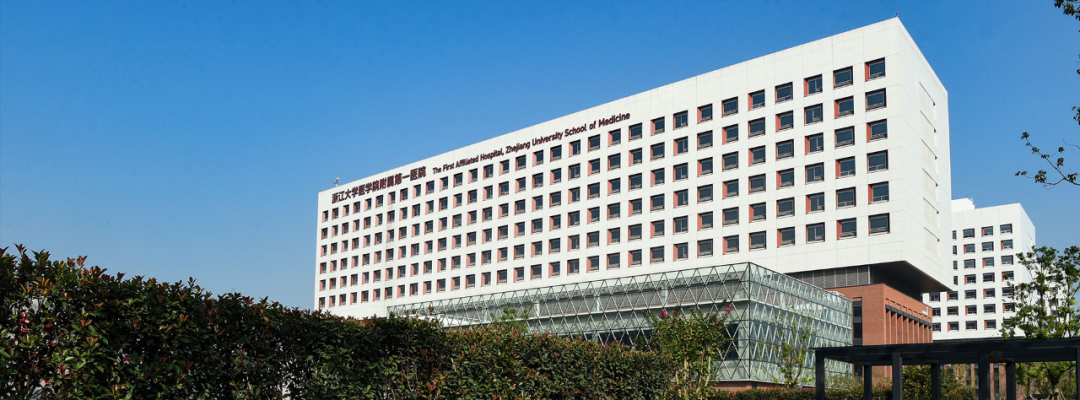
Systemic lupus erythematosus is a serious systemic autoimmune disease. Its clinical features mainly include involvement of multiple systems and organs throughout the body, alternating recurrence and remission of the condition, and the presence of a large number of autoantibodies in the patient's body, predominantly occurring in females aged 15 to 40. When conventional drug treatments are ineffective, the disease tends to relapse repeatedly, causing irreversible damage to the affected organs, which may eventually lead to the patient’s death.Currently, this condition remains difficult to cure effectively.According to epidemiological data, there are already more than 1 million existing SLE patients in China, and about 60% of patients suffer irreversible damage to multiple organs due to disease progression, indicating a high level of unmet clinical needs.At Leman BioAmong multiple pipelines under research,Metabolism-Enhanced CD19 CAR-T Therapy (Meta10-19 Injection)The fastest-progressing therapy has already achieved positive clinical advancements in the field of leukemia/lymphoma treatment. In investigator-initiated trials (IIT), this therapy completely eradicated tumor cells with an extremely low dosage (as low as 1% of the traditional CAR-T therapy dose), successfully helping over 20 patients with relapsed or refractory leukemia or lymphoma reach complete remission (CR) and be discharged smoothly.Notably, the IIT clinical research for this therapy has also successfully included pediatric patients.The first enrolled pediatric patient was diagnosed with relapsed/refractory acute B lymphoblastic leukemia (high-risk type) and had central nervous system metastasis prior to treatment. The condition remained uncontrollable after four lines of therapy.The child patient experienced significant improvement shortly after receiving a very low dose (1% of the standard dose) of Meta10-19 injection. The tumor cells in the body were effectively eliminated, and the patient eventually achieved a state of complete remission (CR).In the latest IIT clinical study, clinical experts further reduced the injection dose of metabolism-enhanced CAR-T cells to one-thousandth (1‰) of the conventional dose, successfully helping several patients achieve complete remission (CR) and significantly shortening hospital stays.
● AboutLeman Bio ●
Leman Biotech Co., Ltd, a clinical-stage immunometabolism innovation drug development company based in Shenzhen, was co-founded by Professor Li Tang's team from the Swiss Federal Institute of Technology Lausanne (EPFL) and XtalPi. Leveraging the innovative technology of immunometabolic reprogramming (Meta 10) + cutting-edge artificial intelligence (AI), the company focuses on developing metabolism-enhanced tumor immunotherapy drugs. The company’s core technology, Meta 10, has demonstrated significant potential for curing solid tumors, with related findings published in top international academic journals such as Nature, Nature Biotechnology, and Nature Immunology. Multiple PCT patents and Chinese patents have been filed. Currently, the company is growing rapidly, with 70% of its senior R&D personnel coming from prestigious universities both within and outside China and possessing extensive industrialization experience. Multiple R&D pipelines are proceeding smoothly. Among them, the metabolism-enhanced CAR-T cell therapy is undergoing investigator-initiated trial (IIT) clinical research (NCT05715606, NCT05747157, NCT06120166), with more than 20 patients achieving complete remission and being discharged.