Disclaimer: Due to limited expertise, errors are inevitable, and some information may not be the most up-to-date. Comments pointing out any issues are welcome. This article is only an introduction to medical and health-related drugs and does not recommend treatment options (if involved). This article does not constitute any investment advice.
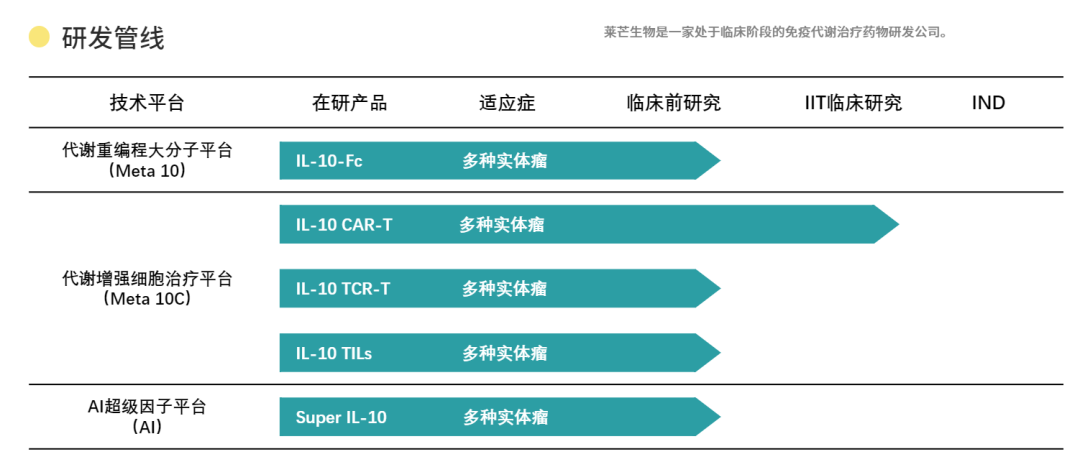
Recently, Leman Biotech's metabolism-enhanced CD19 CAR-T cell therapy product (Meta10-19 Injection) successfully completed the first dosing in a systemic lupus erythematosus (SLE) patient in an investigator-initiated trial (IIT) at the First Affiliated Hospital of Zhejiang University School of Medicine. This marks the product's first expansion into the autoimmune disease treatment field following its breakthrough progress in hematological malignancies. Systemic lupus erythematosus (SLE) is a serious systemic autoimmune disease, often vividly referred to as the "cancer that doesn't kill." Its clinical characteristics mainly include involvement of multiple systems and organs throughout the body, alternating periods of relapse and remission, and the presence of numerous autoantibodies in patients. SLE predominantly affects females aged 15 to 40. When conventional drug treatments are ineffective, the disease tends to recur repeatedly, causing irreversible damage to affected organs and potentially leading to patient death.Leman Biotech's proprietary metabolic-enhanced CAR-T technology platform (Meta 10) significantly improves the survival and persistence of CAR-T cells in the human body by enhancing the T cell oxidative phosphorylation metabolic pathway. Compared to traditional CAR-T, the injection dose of metabolic-enhanced CAR-T can be reduced to one-thousandth (1‰) of the traditional CAR-T dose, effectively reducing toxic side effects such as cytokine storms.Metabolism-Enhanced CD19 CAR-T (Meta10-19 Injection) is a novel CAR-T product targeting CD19, developed by Leman Biotech Co., Ltd. based in Shenzhen, utilizing breakthrough metabolic reprogramming technology introduced from the École Polytechnique Fédérale de Lausanne (EPFL) in Switzerland. Preliminary studies have shown that metabolic reprogramming technology can shift the fate of CAR-T cells within the tumor microenvironment from exhaustion and dysfunction to sustained proliferation and activation, enabling Meta10-19 CAR-T cells to exhibit an exceptional resistance to exhaustion and generate a stem cell-like memory phenotype. In preclinical studies, this product achieved complete tumor eradication across various mouse tumor models and effectively resisted tumor recurrence.In the IIT study targeting relapsed/refractory leukemia/lymphoma, all of the first 20 patients achieved complete remission and were discharged, preliminarily demonstrating the product's efficacy and safety.