

TAVR Breakthrough: New Insights into Valve Selection for Patients with Small Aortic Annuli

Medtronic
Medical Device Manufacturer

Edwards Lifesciences
Cardiovascular Surgical Equipment Provider
A New Journey in Heart Valve Treatment
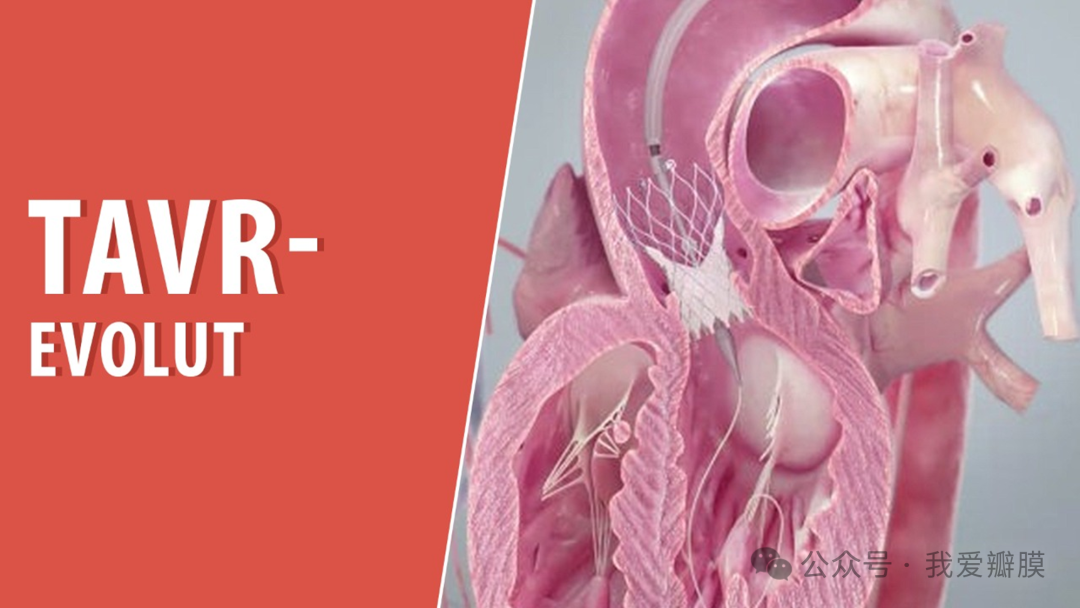
In the field of cardiac disease treatment, transcatheter aortic valve replacement (TAVR) is undoubtedly a shining star, bringing new hope to numerous patients with aortic valve diseases. This technology, through minimally invasive means, accurately implants an artificial valve into the diseased area, avoiding the significant trauma of traditional open-heart surgery and markedly improving patients' quality of life and survival rates. In the developmental history of TAVR technology, the SMART trial stands as a crucial milestone, thoroughly exploring the application outcomes of different types of TAVR valves in specific patient populations and providing key decision-making support for clinical treatment.
SMART Trial: Quick Overview of Key Information
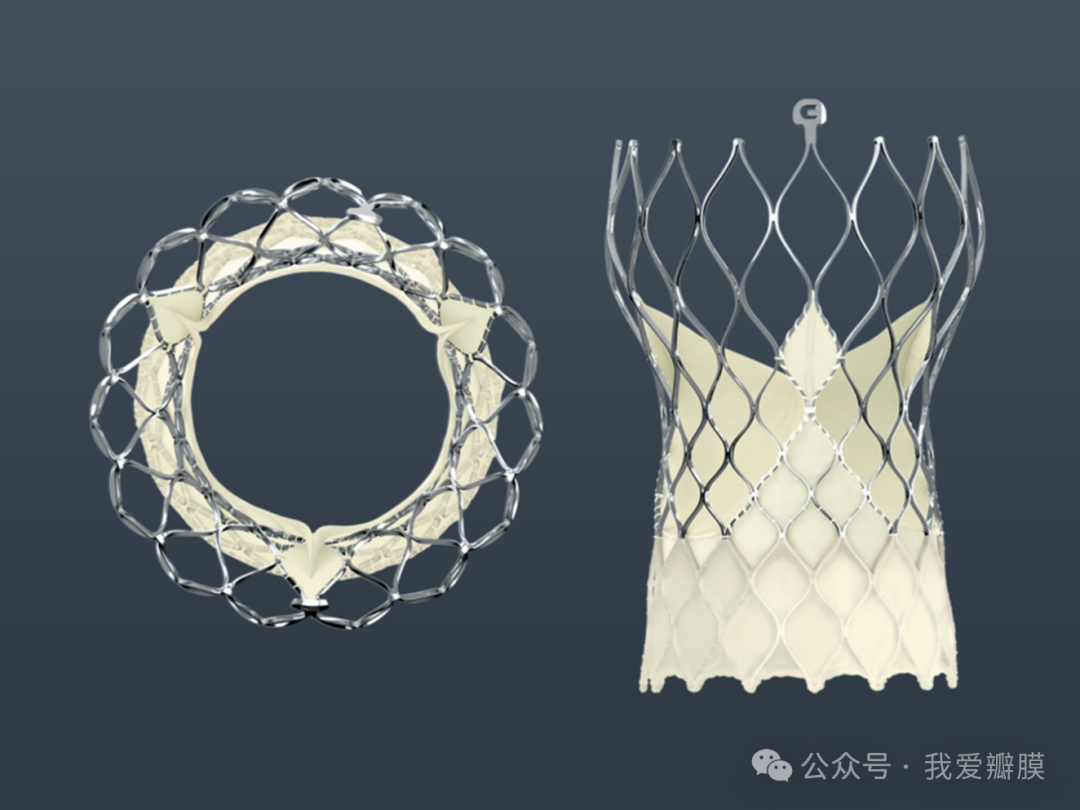
The SMART trial, as a highly influential prospective randomized controlled trial, holds significant importance in the TAVR field. The trial was conducted across 83 centers in 13 countries in North America, Europe, and the Middle East, enrolling 716 patients with symptomatic severe aortic stenosis and an aortic annulus area ≤430 mm². Patients were randomly assigned in a 1:1 ratio to either the self-expanding supra-annular valve TAVR group (using Medtronic's Evolut PRO, Evolut PRO+, and Evolut FX) or the balloon-expandable valve TAVR group (using Edwards Lifesciences' Sapien 3 and Sapien 3 Ultra).
The trial has two primary endpoints: the composite endpoint of death, disabling stroke, and heart failure rehospitalization at 12 months to test for non-inferiority, and the composite endpoint of bioprosthetic valve dysfunction indicators at 12 months.Including structural and non-structural valve degeneration, perivalvular thrombosis, valve infection, and aortic valve reintervention to test for superiority. Notably,Among the patients participating in the trial, 87% were female, with an average age of 80 years and an average STS-predicted mortality rate of 3.3%. Such a patient composition is very rare in TAVR studies, adding unique value to the research findings.
One-Year Data: Initial Advantages Emerge
After a year of rigorous monitoring and data analysis, the one-year data from the SMART trial clearly shows,The self-expanding Evolut TAVR valve has demonstrated remarkable advantages in several key indicators, particularly in terms of bioprosthetic valve dysfunction, prosthesis-patient mismatch, and mean aortic valve gradient, outperforming the balloon-expandable Sapien 3 TAVR valve by a significant margin.
In terms of bioprosthetic valve dysfunctionThe incidence rate in the self-expanding valve group was only 9.4%, while that in the balloon-expandable valve group was as high as 41.6%. This significant gap indicates that patients who choose self-expanding valves face a considerably reduced risk of postoperative valve dysfunction, allowing for more stable maintenance of normal heart function and reducing the likelihood of complications and reoperation due to valve issues.
Patient-prosthesis mismatch is one of the important factors affecting the outcome of TAVR surgery., it may lead to increased cardiac load and affect the long-term prognosis of patients. In this regard, the self-expanding valve also shows excellent performance, with a moderate or severe prosthetic-patient mismatch rate of 11.2% at 30 days, while the rate in the balloon-expandable valve group is as high as 35.3%. The self-expanding valve can better adapt to the patient's physiological structure, reduce the risk of mismatch, and provide a treatment option that better meets the patient’s individual needs.
The mean gradient of the aortic valve reflects the resistance during cardiac pumping.Excessive gradient increases the burden on the heart and affects cardiac function. Data from one year showed that the average aortic valve gradient was 7.7 mmHg in the self-expanding valve group, compared to 15.7 mmHg in the balloon-expandable valve group. This clearly demonstrates that self-expanding valves can more effectively reduce the resistance to blood pumping, alleviate the burden on the heart, allowing it to work under more relaxed conditions, which helps improve patients' quality of life and long-term survival rates.
Two-Year New Data: Sustained Excellence
At the CRT 2025 conference, the two-year new data from the SMART trial became the highlight of the event, providing stronger evidence for the clinical application of TAVR valves. This data acts like a precise scalpel, deeply analyzing the superior performance of self-expanding TAVR valves in long-term use.
The data clearly shows that the self-expanding valve performs exceptionally well in terms of the risk of prosthetic valve thrombosis, significantly reducing it compared to balloon-expandable valves. Prosthetic valve thrombosis is one of the serious complications following TAVR, which may lead to severe consequences such as valve dysfunction and thromboembolism, posing a serious threat to patients' life and health. The ability of self-expanding valves to effectively reduce this risk undoubtedly provides stronger assurance for patients' long-term health.
In terms of the incidence of hemodynamic structural valve dysfunction, self-expanding valves also demonstrate significant advantages, with a notably lower incidence compared to balloon-expandable valves. Excellent hemodynamic performance is crucial for maintaining normal heart function. This advantage of self-expanding valves allows the heart to pump blood more smoothly, reduces the burden on the heart, helps maintain stable cardiac function in patients, and improves their quality of life.
At two years, the mean transvalvular gradients for the Evolut group and SAPIEN group were 8.5 mmHg vs 16.1 mmHg, respectively, with a notably significant difference in the percentage of patients with gradients ≥20 mmHg (1.2% vs 22.7%, p<0.001); the effective orifice areas were 1.93 cm² vs 1.51 cm², respectively. These data vividly demonstrate the superior hemodynamic performance of self-expanding valves and further confirm their stability and superiority in long-term use.
Expert Opinion: Guidance for Clinical Decision-Making
Howard C. Herrmann, MD, lead investigator at the Perelman School of Medicine at the University of Pennsylvania, could not contain his excitement when discussing the two-year results of the SMART trial. He stated, "Valve performance is critical for all patients, but the impact of suboptimal valve performance is magnified in patients with small aortic annuli, who may receive valves that do not adequately meet their cardiac needs. The two-year results highlight the continued excellent performance of the Evolut TAVR valve in these patients. While we did not expect to see significant differences in composite clinical outcomes at this early stage, the valve performance provides crucial data that can be used to inform and personalize treatment decisions to improve patient outcomes."
In the field of cardiovascular disease treatment, every piece of data may conceal critical information that could change a patient’s fate. For patients with small aortic valves, choosing a high-performance valve is like finding a beacon in the dark, illuminating the path to better health. The data from the SMART trial undoubtedly provides such a beacon for clinicians, offering them a more scientific and precise basis for developing treatment plans for their patients.
Kendra J. Grubb (MD, MHA, MS), Vice President and Chief Medical Officer of Medtronic's Structural Heart division, also spoke highly of the SMART trial, adding: "The SMART trial is a groundbreaking head-to-head comparison that highlights for the first time how patients with small annuli can benefit from Evolut’s differentiated valve design. Two years later, we continue to see excellent valve performance, which we will follow to assess long-term outcomes."
These experts' perspectives not only affirm the achievements of the SMART trial but also offer a glimpse into the future applications of self-expanding TAVR valves. Their words remind us that every breakthrough in medical research has the potential to bring new life and hope to patients, and the self-expanding TAVR valve is undoubtedly a shining star in the field of cardiac disease treatment, illuminating the path forward for countless patients.
Behind the Trial: More Details and Discoveries
In this "Hua Mountain Sword Discussion" about TAVR valves, every detail of the SMART trial is like a key move in a martial arts manual, containing endless mysteries. From the design to the implementation of the trial, every step has been meticulously planned and strictly controlled to ensure the scientific nature and reliability of the research results.
The 716 patients enrolled in the trial form a unique "microcosm," among whom 87% are female, with an average age of 80 years and an average STS-predicted mortality rate of 3.3%. This patient composition provides a rich sample for studying the special group of patients with small aortic valves, also allowing us to deeply understand the application effects of TAVR valves across different genders, ages, and physical conditions.
In terms of valve model selection, the self-expanding valve group mainly uses Medtronic's Evolut PRO, Evolut PRO+, and Evolut FX, while the balloon-expandable valve group uses Edwards Lifesciences' Sapien 3 and Sapien 3 Ultra. These different models of valves, like weapons with distinct characteristics, play their respective roles in the treatment process. The purpose of the trial is to find out which "weapon" is the most effective for treating patients with small aortic valves.
From One-Year Data to Two-Year New Data, the SMART trial is like an exciting TV series, with each episode bringing us new surprises and discoveries. The release of one-year data gave us an initial glimpse into the advantages of self-expanding valves, while the unveiling of two-year new data has further strengthened our belief in their superior performance in treating patients with small aortic valves. Behind these data lies the hard work and dedication of countless researchers who, with their sweat and wisdom, have laid a solid foundation for the path to patient health.
Future Outlook: New Directions in TAVR Technology
The two-year data from the SMART trial provides solid evidence for the application of self-expanding TAVR valves in patients with small aortic annuli, showcasing their outstanding performance advantages. This not only offers important reference for current clinical treatment but also points the way for the future development of TAVR technology.
With the rapid development of technology, TAVR technology is also continuously innovating and progressing. In the future, we have reason to expect the emergence of more advanced valve designs and more precise implantation techniques. New valves may be optimized in terms of materials, structure, and functionality, further improving the durability, biocompatibility, and hemodynamic performance of the valves.
In terms of implantation technology, the concept of precision medicine will gradually penetrate the TAVR field. Through precise evaluation of individual patients, doctors can tailor the most suitable treatment plan for each patient, achieving personalized treatment. This will greatly increase the success rate of surgeries and improve patient outcomes, allowing more patients to benefit from TAVR technology.
For the future of TAVR technology, we are full of anticipation. We believe that with the joint efforts of researchers and clinicians, TAVR technology will continue to break through and innovate, bringing more hope and good news to patients with cardiovascular diseases. The results of the SMART trial will also become a valuable asset in the development history of TAVR technology, inspiring us to move forward continuously.