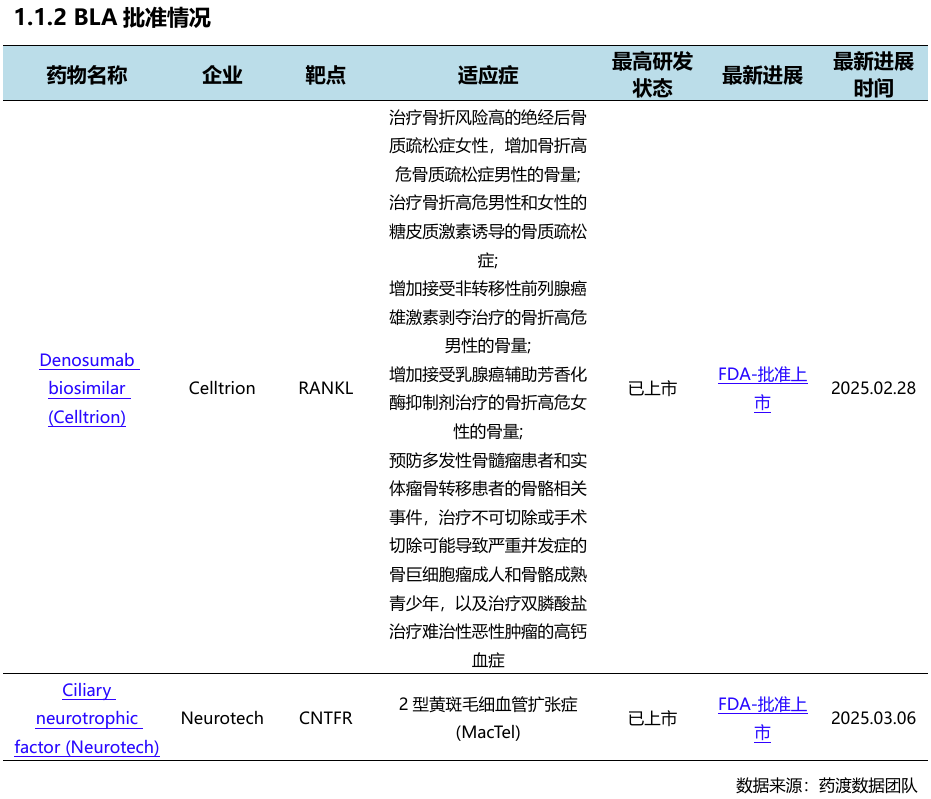
Global Drug Approvals/R&D UpdatesGlobal New Drug ApprovalsAccording to the PharmaDJ data statistics and analysis, during this statistical period (March 1, 2025 - March 7, 2025), a total of 7 new drugs were approved for marketing globally (excluding China). Among them, there were 2 BLA approvals, 4 new indication approvals, and 1 new formulation approval. Compared with the previous statistical period, this period saw an increase of 3 newly approved drugs.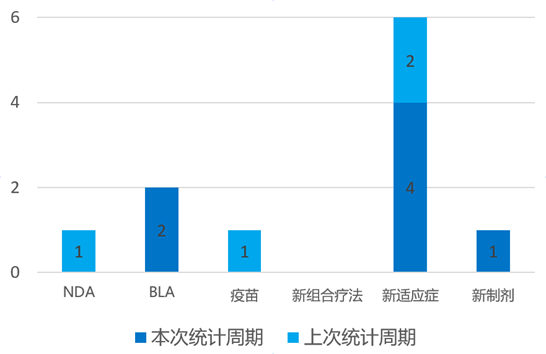
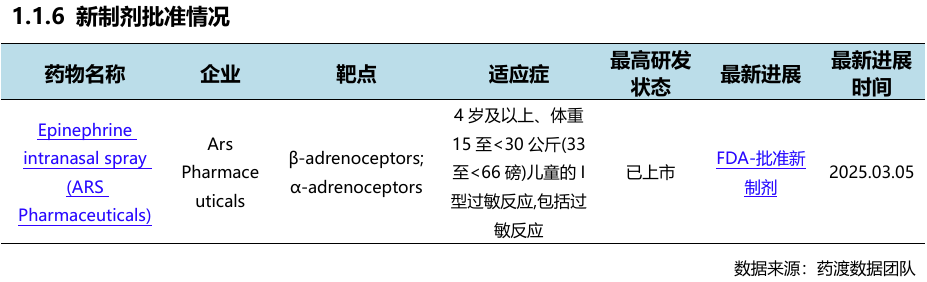
On March 4, Genentech, a subsidiary of Roche, announced that the FDA had approved the thrombolytic agent TNKase (Tenecteplase) for marketing to treat acute ischemic stroke (AIS) in adults. TNKase is a tissue plasminogen activator with the function of dissolving blood clots. TNKase is administered via a five-second intravenous push, initiating a biochemical reaction that breaks down fibrin, a component of blood clots. Study results show that in patients with acute ischemic stroke, TNKase is comparable to Activase in terms of safety and efficacy.On March 7, ARS Pharmaceuticals announced that the FDA had approved Neffy (1mg epinephrine nasal spray) for marketing. It is indicated for the treatment of Type I allergic reactions, including potentially life-threatening anaphylaxis, in pediatric patients aged 4 years and older weighing between 15 to 30 kilograms. Neffy (1mg) is a single-dose epinephrine saline nasal spray administered into one nostril. Clinical trial data (including PK and PD responses from both pediatric and adult subjects) show that Neffy (1mg) performs consistently with epinephrine injection products, and adverse events in pediatric trials were generally mild and transient. Children as young as 10 years old can achieve good results when using Neffy as directed.New Drug Approvals Worldwide (Excluding China) (Partial)
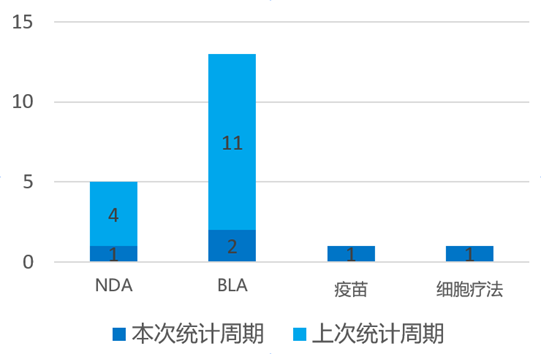
Global New Drug Application ProgressAccording to the PharmaDJ data analysis, during this statistical period (March 1, 2025 - March 7, 2025), there were 5 new drug applications for marketing approval globally (excluding China). Among them, there was 1 NDA submission, 2 BLA submissions, 1 cell therapy, and 1 vaccine. Compared with the previous statistical period, there was a decrease of 10 NDA/BLA submissions in this period.。3On the 6th, Roche announced that the FDA had accepted the supplemental Biologics License Application (sBLA) for the anti-CD20 antibody Obinutuzumab for the treatment of lupus nephritis. Trial data showed that 46.4% of patients receiving Obinutuzumab in combination with standard therapy (mycophenolate mofetil and glucocorticoids) achieved CRR at 76 weeks, compared to 33.1% of patients receiving standard therapy alone.NDA/BLA Submission (Partial)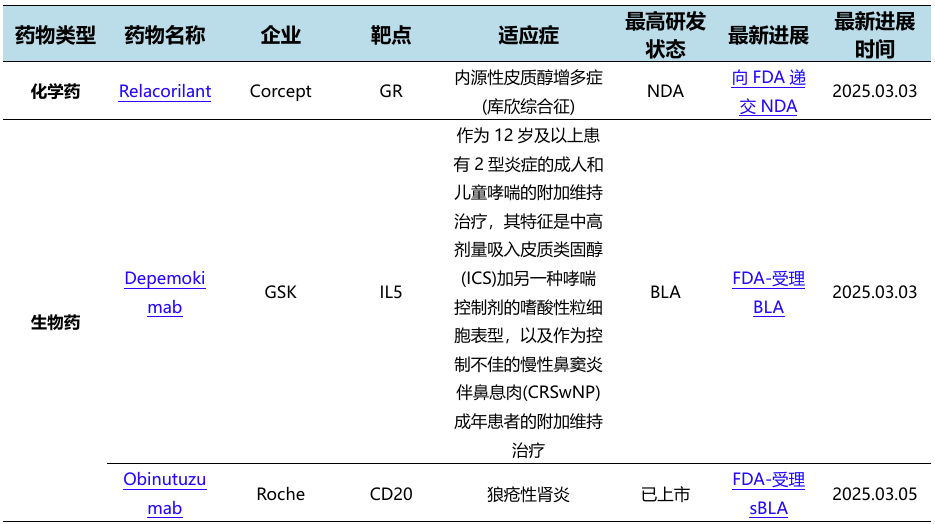
According to the PharmaDJ data analysis, during this statistical period (March 1, 2025 - March 7, 2025), a total of 7 drugs (excluding China) worldwide received special regulatory designations. Among them, there was 1 chemical drug, 5 biologics, and 1 cell therapy. The number of drugs receiving special regulatory designations during this statistical period was the same as the previous one.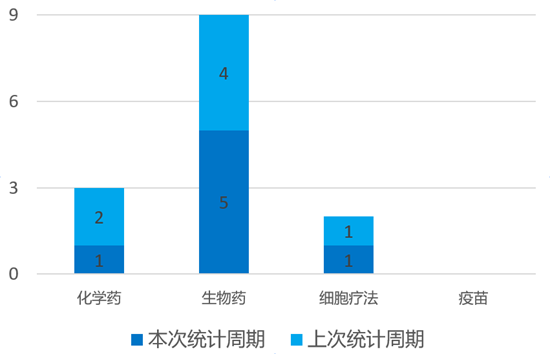
On March 5, Bioxodes announced that its first-in-class treatment candidate BIOX-101 for intracerebral hemorrhagic stroke (ICH) has been granted Orphan Drug Designation (ODD) by the FDA and EMA. Intracerebral hemorrhagic stroke is a typically fatal condition with a poor prognosis for which there are currently no available treatments. BIOX-101 is designed to inhibit the detrimental secondary effects of hemorrhagic stroke through a dual mechanism, exerting anti-inflammatory and anticoagulant effects, while reducing clotting without increasing bleeding risk by targeting factor XIa and XIIa in the intrinsic coagulation pathway.On March 6, Plus Therapeutics announced that it had received orphan drug designation from the FDA for Rhenium (186Re) Obisbemeda for the treatment of leptomeningeal metastases in lung cancer patients. Rhenium (186Re) Obisbemeda is a novel injectable radiotherapy designed to deliver highly targeted, high-dose radiation to CNS tumors in a safe, effective, and convenient manner to optimize patient outcomes. It provides a more targeted and effective radiation dose compared to currently approved therapies. Rhenium-186 is an ideal radioisotope for CNS therapeutic applications due to its short half-life, with beta energy used to destroy cancerous tissue and gamma energy allowing for real-time imaging.Drugs Granted Special Designation by Global Regulatory Authorities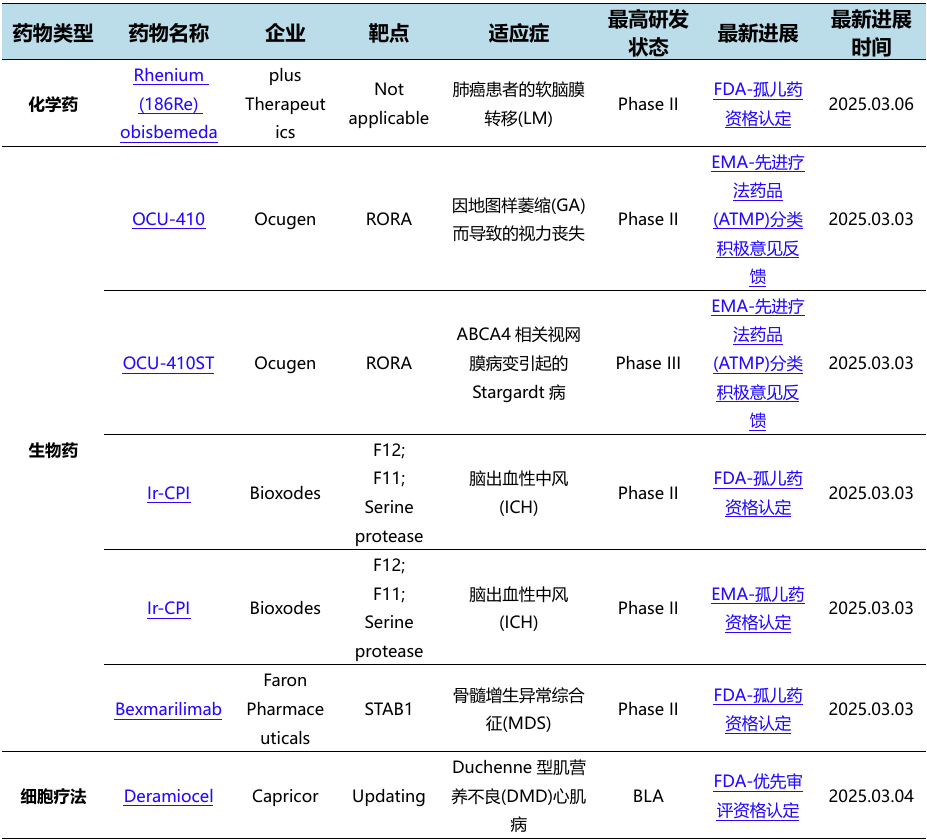
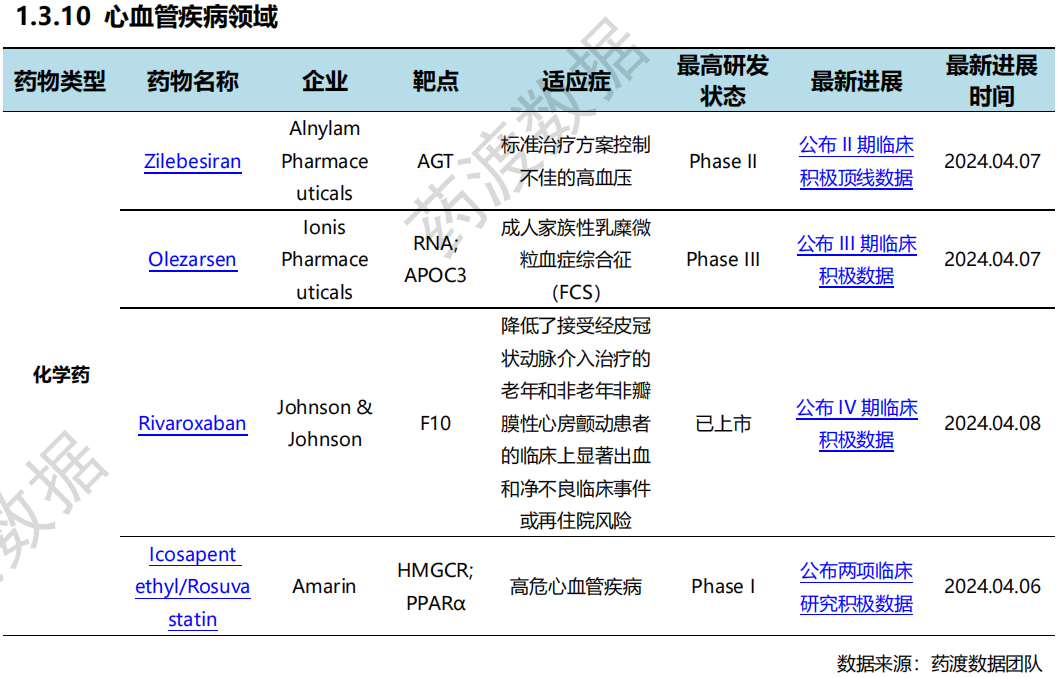
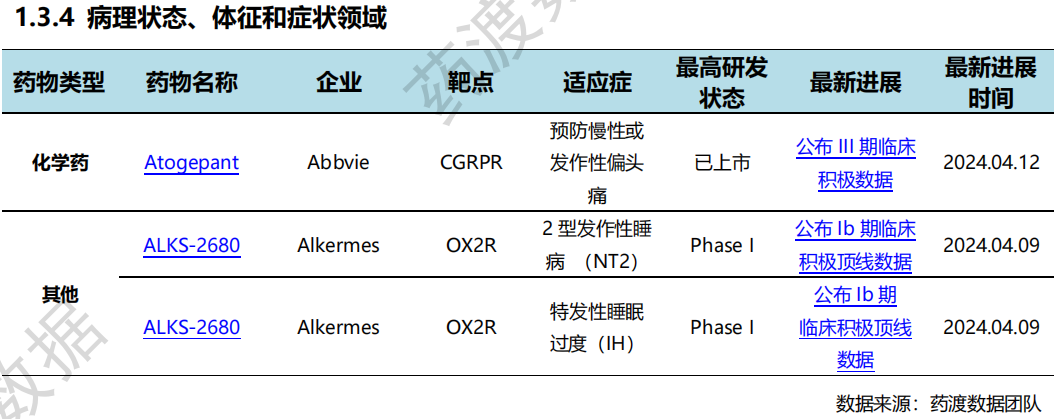
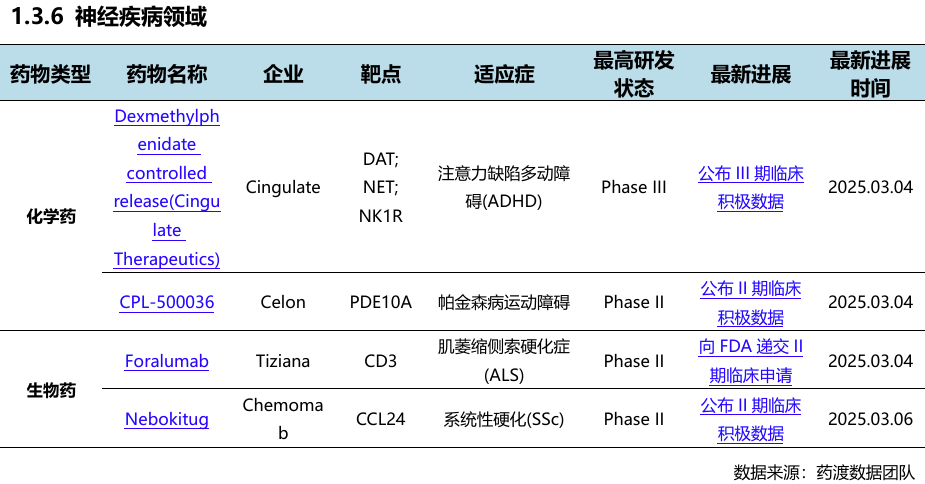
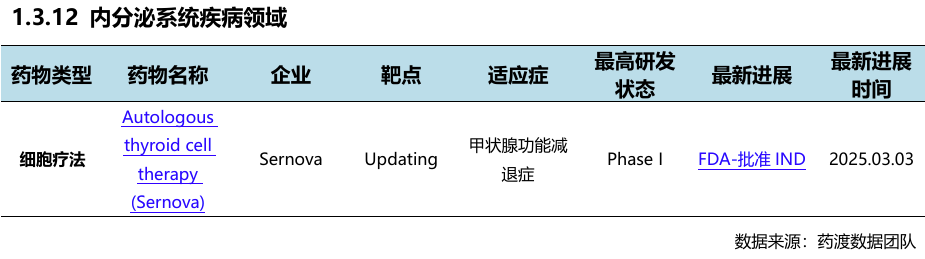
Global New Drug Development ProgressAccording to the PharmaDJ data analysis, during this statistical period (March 1, 2025 - March 7, 2025), there were a total of 33 updates on the clinical development status of new drugs globally (excluding China), covering 13 fields including oncology, genetic and metabolic diseases, dermatology, and cardiovascular diseases.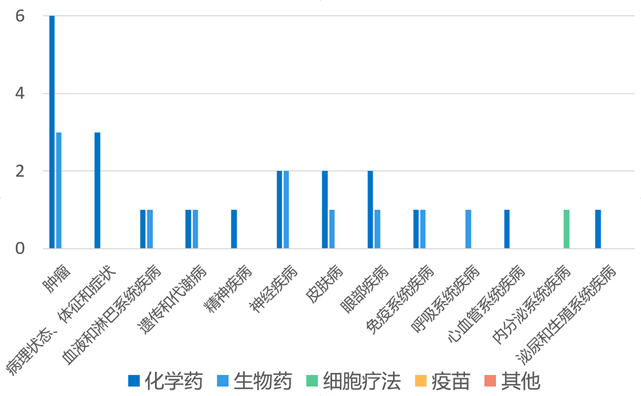
Among them, the clinical progress updates in the field of oncology ranked first among all fields, with 9 updates, including 6 for chemical drugs and 3 for biologics.On March 4, Protagonist Therapeutics and Takeda announced preliminary positive results from the Phase III VERIFY study. The analysis showed that the study met its primary endpoint as well as all four key secondary endpoints, allowing nearly 80% of patients with polycythemia vera (PV) to discontinue phlebotomy treatment. Analysis indicated that during weeks 20 to 32, the clinical response rate in the Rusfertide treatment group was 77%, with the primary endpoint defined as patients not requiring phlebotomy. The trial also achieved the first key secondary endpoint, with an average of 0.5 phlebotomies per patient in the Rusfertide group between weeks 0 and 32. The other three pre-specified key secondary endpoints, including blood volume control and fatigue assessment metrics, also reached statistical significance.On March 5, AstraZeneca announced positive results from the Phase III WAYPOINT clinical study of Tezspire (Tezepelumab), jointly developed with Amgen. The results showed that, compared with placebo, Tezepelumab significantly reduced the severity of nasal polyps in patients with chronic rhinosinusitis with nasal polyps (CRSwNP). The study indicated that at week 52 of treatment, the nasal polyp score decreased by 2.065 points, and patient-reported nasal congestion symptom scores decreased by 1.028 points. Tezepelumab also significantly reduced the need for subsequent nasal polyp surgery (by 98%) and the need for systemic corticosteroid use (by 88%).Global New Drug Development Progress Details (Partial)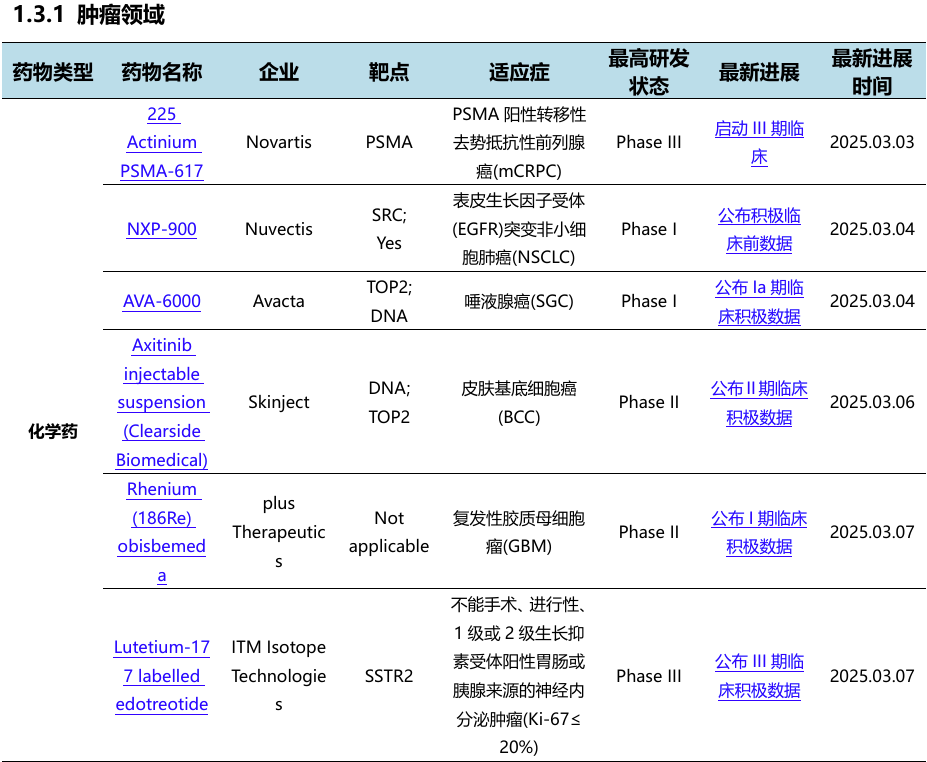
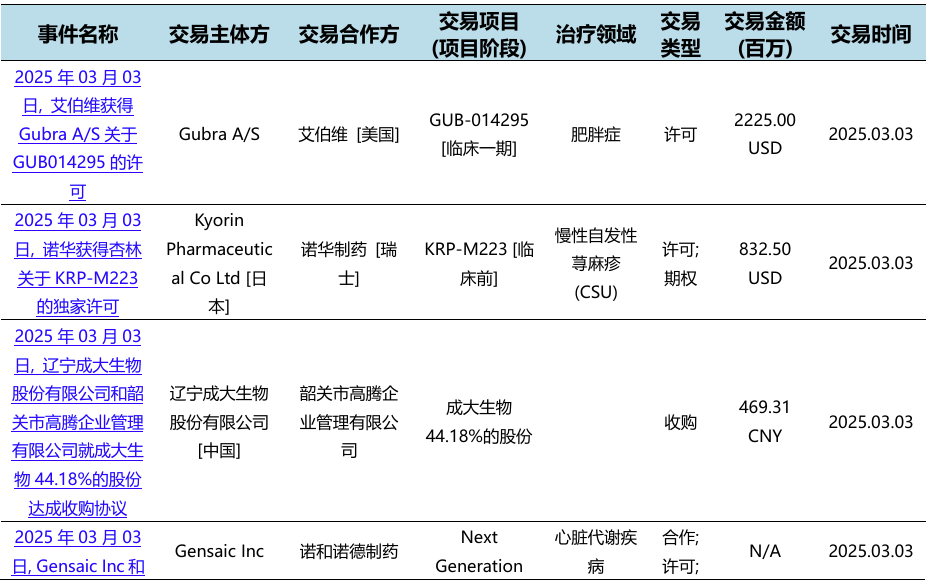
Global Pharmaceutical Transaction EventsThis statistical cycle(2025.03.01-03.07)There were a total of 33 pharmaceutical transaction events globally (including China), involving drug rights transfers, company acquisitions, and other transaction events.
Summary Table of Global Pharmaceutical Transaction Times (Partial)
Drug Approval/Development Updates in ChinaNew Drug Approvals in ChinaAccording to the PharmaDJ data statistics and analysis, the statistical cycle for this period (2025.03.01-03.07)No new drugs were approved for marketing by the NMPA in China. Compared with the previous statistical cycle, there were three fewer new drugs approved by the NMPA this time.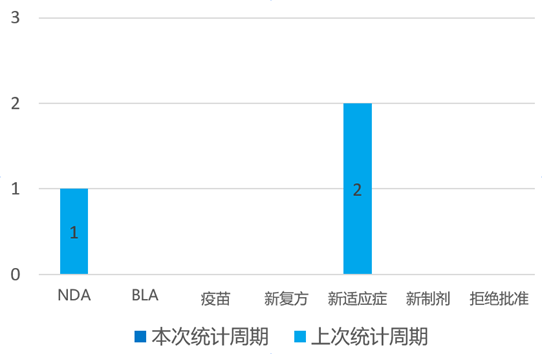
Progress of Implied Consent for New Drug Clinical Trials in ChinaAccording to the PharmaDJ data statistics analysis, the statistical cycle for this period (2025.03.01-03.07)) A total of 64 new drugs have been granted clinical tacit approval in China, involving 98 acceptance numbers.Among them, there are 34 chemical drugs, 27 therapeutic biological products, and 3 preventive biological products.Compared with the last statistical period, this time there are 39 additional clinical tacit approval acceptance numbers granted.
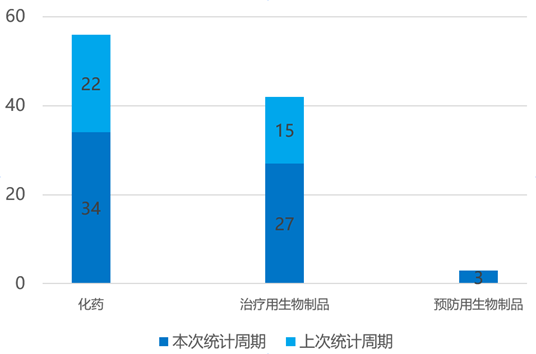
This Week's Progress on New Drug Clinical Tacit Permits in China (Partial)
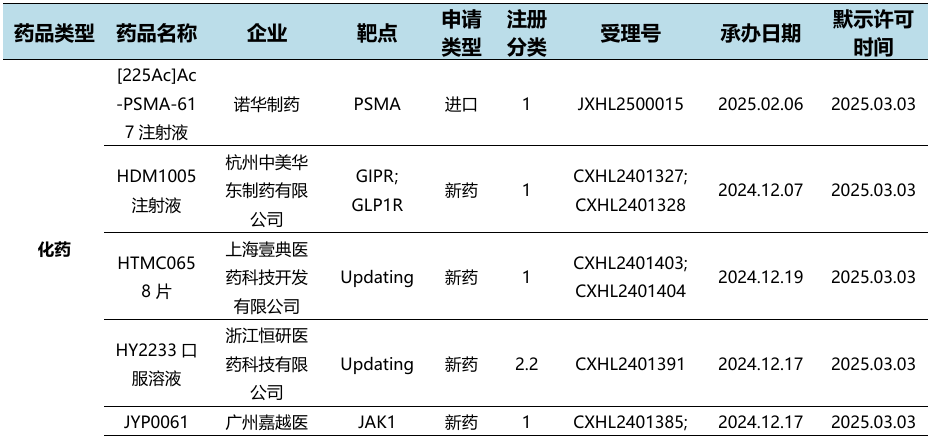
Progress of New Drug Applications in ChinaAccording to the statistical analysis by PharmaDJ, during this statistical period (March 1, 2025 - March 7, 2025), there were 4 new drug marketing applications in China, involving 4 acceptance numbers. Among them, there was 1 chemical drug and 3 therapeutic biological products. Compared with the previous statistical period, this time there was a reduction of 6 acceptance numbers for new drug marketing applications.。
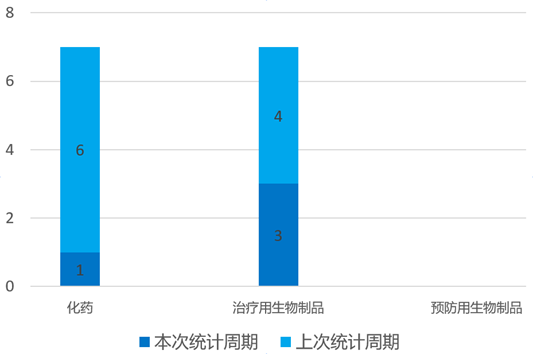
New Drug Clinical Launch Status in China (Partial)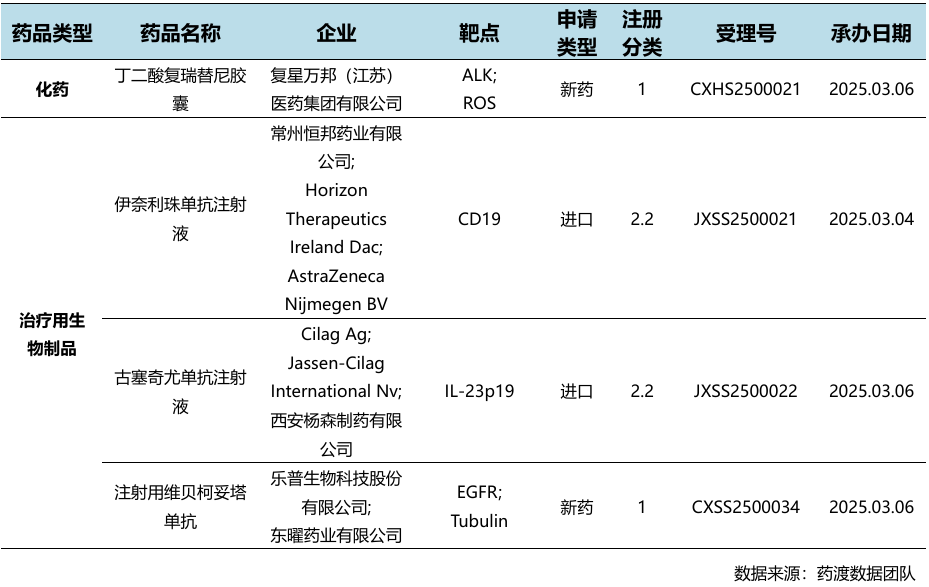
According to the data analysis by PharmaDJ, during this statistical period (March 1, 2025 - March 7, 2025), a total of 37 new drugs applied for clinical trials in China, involving 62 application numbers. Among them, there were 15 chemical drugs, 19 therapeutic biologics, and 3 preventive biologics. Compared with the previous statistical period, this time saw an increase of 24 accepted application numbers for clinical trials.
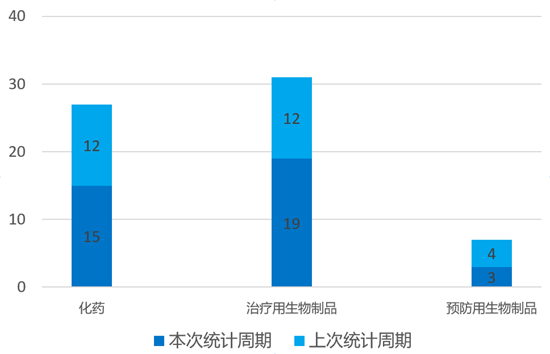
Clinical Trial Applications for New Drugs in China (Partial)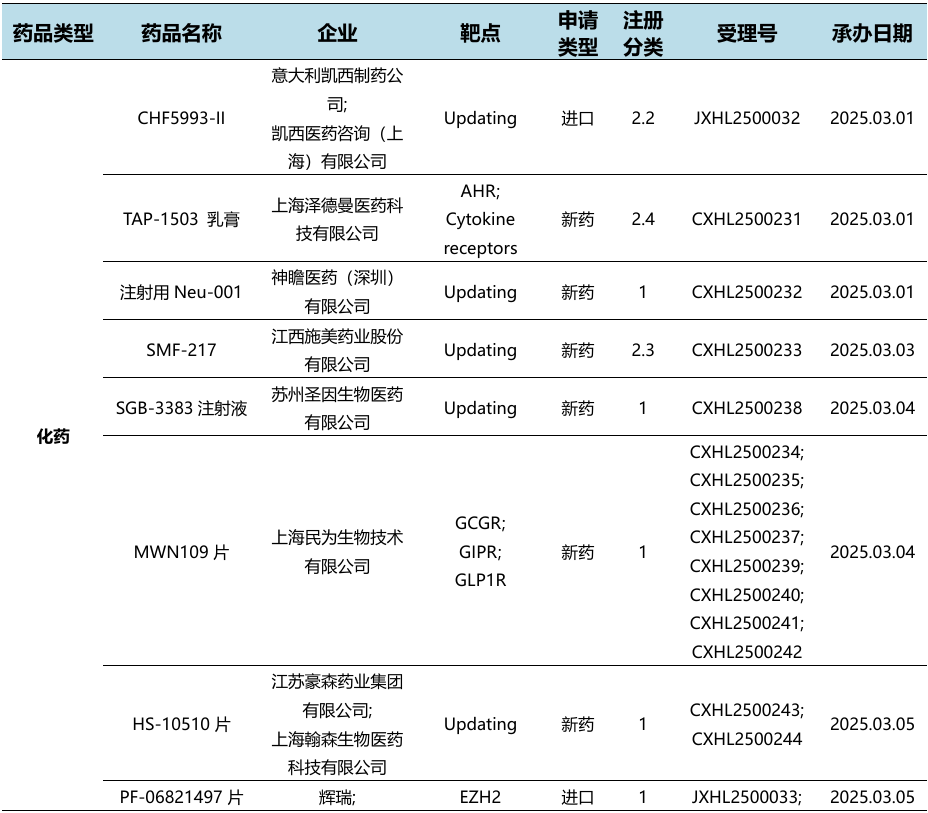
According to the PharmaBlock data analysis, during this statistical period (March 1, 2025 - March 7, 2025), a total of 2 drugs in China received special status designation from the NMPA, including 2 chemical drugs. The number of drugs receiving special status designation from the NMPA during this statistical period remained the same as the previous one.。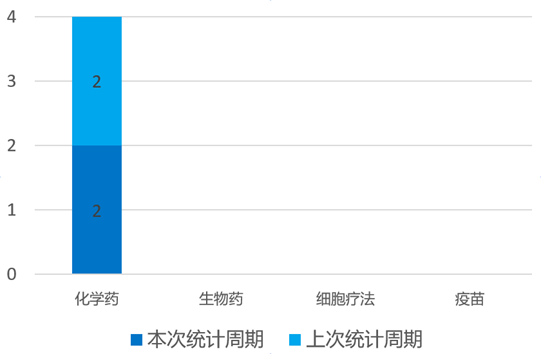 On March 4, the CDE website announced that MSD's application for Letermovir Microtablets has been proposed for priority review. It is intended for the prevention of cytomegalovirus (CMV) infection and CMV disease in CMV-seropositive adult recipients [R+] and pediatric recipients aged 6 months and above with a body weight ≥6kg who are undergoing allogeneic hematopoietic stem cell transplantation (HSCT). Letermovir is a novel non-nucleoside CMV inhibitor (3,4-dihydroquinazoline) with a new mechanism of action against CMV. It exerts its antiviral effect by inhibiting the activity of the CMV terminase complex, thereby preventing the processing and packaging of viral DNA. The difference between Letermovir and DNA polymerase inhibitors is that Letermovir exhibits higher selectivity for CMV and demonstrates significantly enhanced potency.On March 6, the CDE website announced that the marketing application of Remibrutinib tablets submitted by Novartis is proposed to be included in the priority review, applicable to adult patients with chronic spontaneous urticaria (CSU) who still have symptoms after treatment with H1 antihistamines. Clinical results showed that the significant symptom improvement observed at week 12 persisted until week 24, specifically reflected in significant improvements in indicators such as weekly urticaria activity score, weekly itch severity score, and weekly wheal count score. According to the evaluation results at week 52, nearly half of the patients had no itching or urticaria symptoms at all. Remibrutinib demonstrated good tolerability and exhibited favorable and stable safety.Drug Granted Special Status by NMPA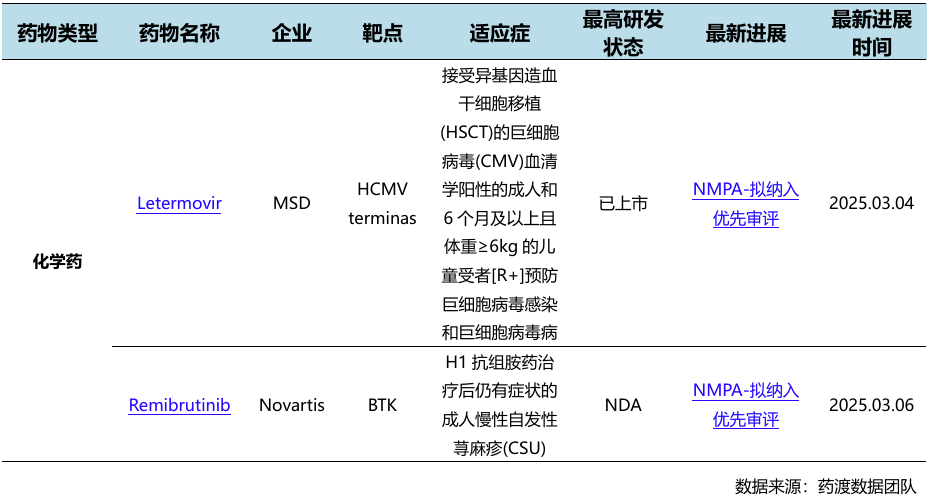
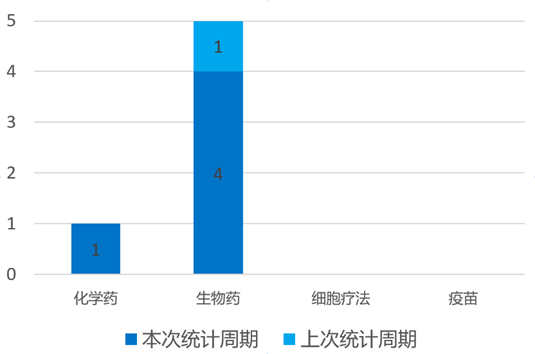
Progress in New Drug Development in ChinaAccording to the PharmaDJ data analysis, during this statistical period (March 1, 2025 - March 7, 2025), there were a total of 5 updates on the clinical R&D status of new drugs in China, involving the fields of oncology, dermatology, and immunological diseases. Among them, there was 1 chemical drug and 4 biological drugs. Compared with the previous statistical period, this period saw an increase of 4 updates on the clinical R&D status of new drugs in China.
On March 3, Tianchen Bio announced at AAAAI 2025 the interim Phase II clinical data of its self-developed next-generation anti-IgE antibody LP-003 for the treatment of chronic spontaneous urticaria (CSU). The results showed that LP-003 outperformed the existing anti-IgE therapy omalizumab in key efficacy endpoints and demonstrated long-lasting advantages: by Week 4 of treatment, the reduction in itch and wheal symptom scores from baseline and the proportion of patients achieving complete symptom resolution in the LP-003 group had already surpassed those in the omalizumab group; by Week 12 of treatment, the proportion of patients achieving complete symptom resolution in the LP-003 group was higher than that in the omalizumab group, and the reduction in itch and wheal symptom scores from baseline in the LP-003 group was better than that in the omalizumab group. Moreover, the drug showed prolonged efficacy (an 8-week dosing regimen maintained therapeutic effects) and good safety.On March 3, Innovent Biologics announced that the first patient has been dosed in a pivotal registrational study comparing the PD-1/IL-2α-bias bispecific antibody fusion protein IBI363 monotherapy to pembrolizumab (Keytruda®) for the treatment of unresectable locally advanced or metastatic mucosal and acral melanoma in patients who have not received prior systemic therapy. In earlier studies, IBI363 demonstrated breakthrough efficacy signals in immunotherapy-naïve melanoma, with an ORR of 61.5% and a DCR of 84.6%, showing significant improvement compared to the current standard immunotherapy ORR in China.Progress in New Drug Development in China (Partial)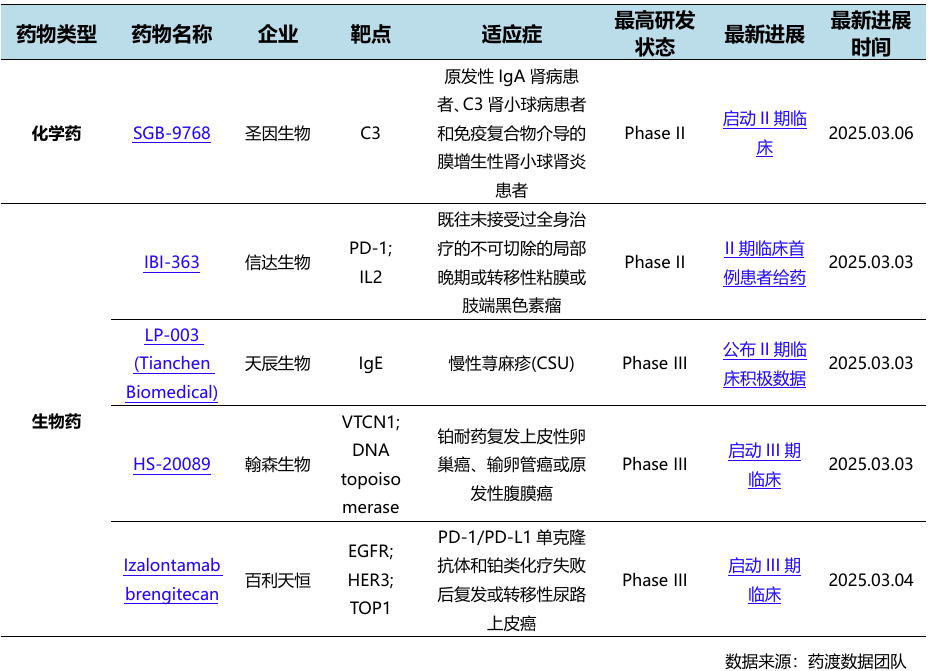
Policy and Regulatory Updates in China's New Drug Development FieldNo relevant policies or regulations were released this week.Hot News in China's New Drug Development FieldCStone Pharmaceuticals Begins to Navigate Through Challenges After Emerging from DesperationCStone Pharmaceuticals, once a towering presence hosting grand feasts for guests, boasted the top-tier team, the most renowned capital, and the most impressive pipeline, achieving the fastest IPO in history and the quickest NDA for a product. However, it also faced towering crises at one point—layoffs, factory closures, selling pipelines, and transferring rights—all amid turmoil. From increasing revenue while reducing losses to turning losses into profits, CStone Pharmaceuticals, having weathered a cycle of life’s unpredictability, has taken the most crucial step for a biotech company. Surprisingly, the forward-looking global layout that CStone Pharmaceuticals initiated over the past two years has started to show its power.On February 19, CSPC Pharmaceutical Group licensed out the development and commercialization rights of its ROR1 ADC new drug SYS6005 in the United States, the European Union, and other countries to Radiance Biopharma. CSPC received an upfront payment of $15 million and is expected to receive up to $150 million in development and regulatory milestones, $1.075 billion in sales milestones, as well as a certain percentage of sales royalties. The total transaction amount could reach up to $1.24 billion.More information, read the original textStock Price Hits New High Against the Trend, InnoCare Pharma Finally Gains Capital RecognitionSince 2025, InnoCare Pharma has become the biggest dark horse in the capital market. In the A-share market, the stock price rose from 12.28 yuan per share to a record high of 19.34 yuan per share; the Hong Kong stock market also performed remarkably, with the stock price surging from 6.12 Hong Kong dollars per share to a high of 10.02 Hong Kong dollars per share, marking an increase of up to 63.73%.In the past few years, InnoCare Pharma, as an innovative pharmaceutical company founded by a star entrepreneur, has had a blockbuster product on the market and several highly promising pipelines under development, but its market value was severely undervalued. It wasn't until the second half of last year that it regained the spotlight in the capital markets, with its stock price continuing to rise against the trend, constantly breaking new highs. Behind this performance lies strong market expectations for the significant increase in sales of its core product, orelabrutinib, breakthrough progress in its autoimmune pipeline, as well as a reassessment of its commercialization capabilities and profitability turning point.More information, read the original textLittle D Has Something to Say
For the convenience of readers to read and save, we have organized the original weekly report into a PDF version. If you need to obtain the full text, you can click on the blue words at the top.PharmSnap DailyReply "0312 Weekly Report" in the official account backstage to download.