

Biotech Sector Kicks Off the Year with Nearly $30 Billion in Funding

Verdiva Bio
Next-Generation Therapy Researcher

Tenvie Therapeutics
Small Molecule Drug Developer
Atalanta Therapeutics
Biological New Drug Developer

Newleos Therapeutics
Neuropsychiatric Disease Therapeutics Developer

Windward Bio
Clinical-Stage Drug Developer
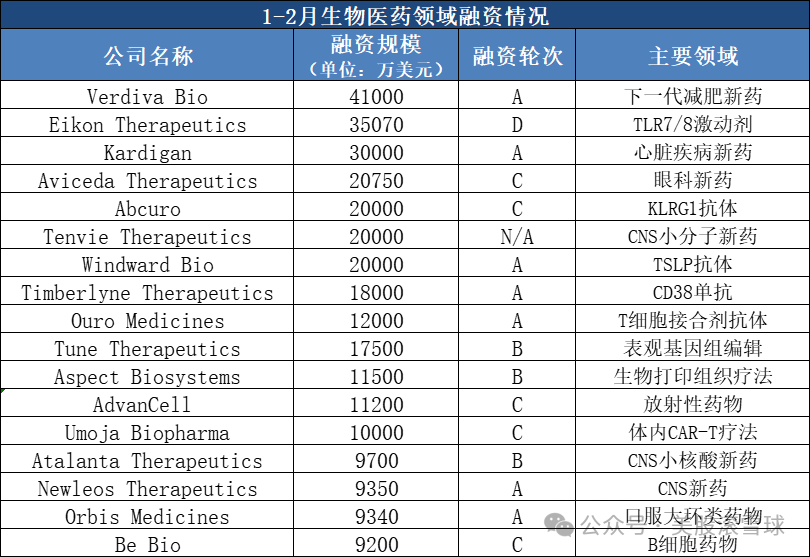
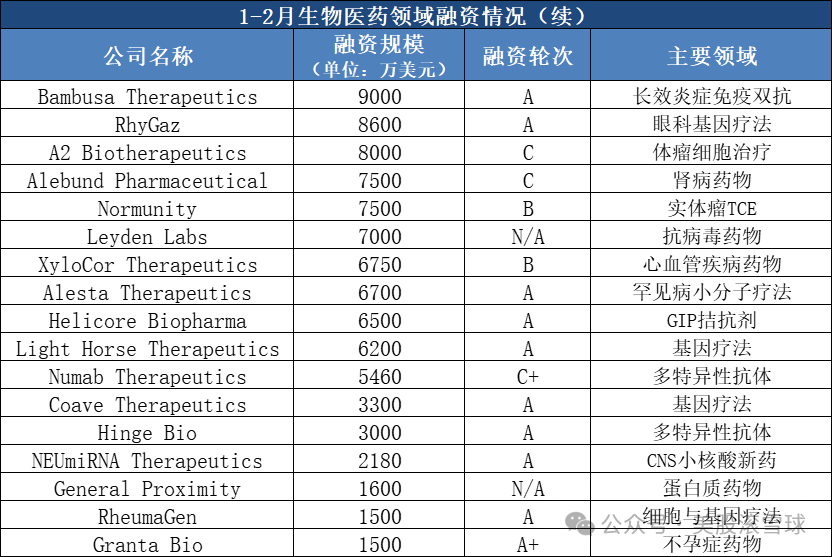
From January to February this year, there were 33 financing events in the biopharmaceutical industry in the United States and Europe, with a total financing scale reaching39.69YimeiYuan (equivalent to 28.73 billion RMB), which is twice the amount of last month's financing. Notably, there are:
Newco Model Erupts: In January, Five Newco Companies Initiated by Chinese Pharmaceutical Enterprises Emerged, Including Verdiva Bio with $410 Million, Windward Bio with $200 Million, and Timberlyne Therapeutics with $180 Million in Financing; Among Them, Conoma Clinched Three Newcos.
The central nervous system (CNS) remains a popular track: From January to February, there were as many as three financing events for biotech companies in this field, including Tenvie Therapeutics with $200 million in financing, Atalanta Therapeutics with $97 million, and Newleos Therapeutics with $93.5 million.
Cutting-edge technology routes and new targets gain attention: In January-February, precision nuclear medicine company AdvanCell, intratumoral macrocyclic drug company Orbis Medicines, and B-cell drug company Be Bio all secured significant funding.
On January 9, Verdiva Bio announced the completion of a $411 million Series A financing round, led jointly by Forbion and General Atlantic, with participation from RA Capital, OrbiMed, Logos Capital, Lilly Asia Ventures, and LYFE Capital.
Verdiva Bio is a global biopharmaceutical company at the clinical stage, focusing on developing innovative therapies for obesity and other cardiometabolic disorders.
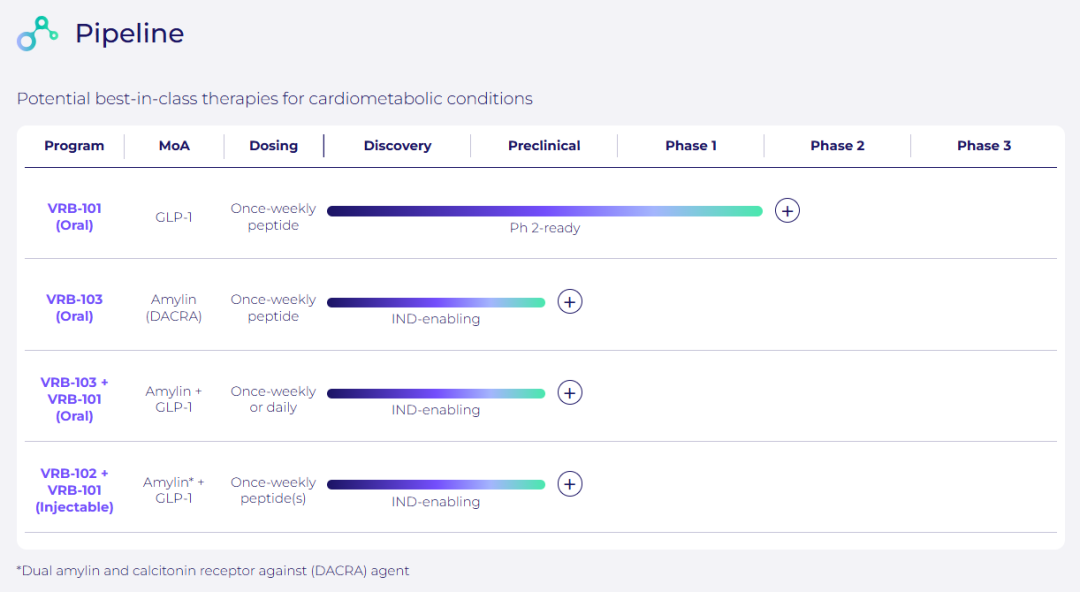
Verdiva Bio's core pipeline comes from Sinoway Bio: On January 10, Hangzhou Sinoway Biotechnology Co., Ltd. announced that it had reached a global development and commercialization licensing and cooperation agreement with Verdiva Bio Limited, excluding Greater China and South Korea. The collaboration includes the following pipelines:
Oral Ecnoglutide (Ecnoglutide Oral, XW004): A once-weekly oral GLP-1 receptor agonist currently in Phase II clinical trials.
Oral Amylin Receptor Agonist (Amylin RA): A once-weekly oral amylin receptor agonist in the preclinical stage, which can be used as monotherapy or in combination with a GLP-1 receptor agonist;
Subcutaneous Injection of Amylin Receptor Agonist (Amylin RA): A long-acting subcutaneous injection of an amylin receptor agonist currently in the preclinical stage, which can be used as monotherapy or in combination with a GLP-1 receptor agonist.
According to the cooperation agreement, Xianwei Da Bio will receive nearly 70 million US dollars in signing fees and other payments, and is entitled to receive up to 2.4 billion US dollars in potential development, registration, and commercialization milestone payments for the aforementioned products, as well as tiered sales royalties after product commercialization.
In recent years, China-produced GLP-1 drugs have seen a wave of overseas expansions, including Hengrui Medicine’s GLP-1 portfolio going global through NewCo, Chengyi Bio’s small-molecule GLP-1 licensed to AstraZeneca, Hansoh Pharma’s small-molecule GLP-1 licensed to Merck, and Tenvie Therapeutics’ small-molecule GLP-1 licensed to Jixing Pharmaceuticals.
Among them, Kailera Therapeutics, which obtained the GLP-1/GIP dual agonist from Hengrui Medicine, has attracted the most attention. Its subsequent Series A financing reached an amount of 400 million US dollars, with participation from well-known institutions such as Atlas Venture, Bain Capital Life Sciences, and RTW Investments.
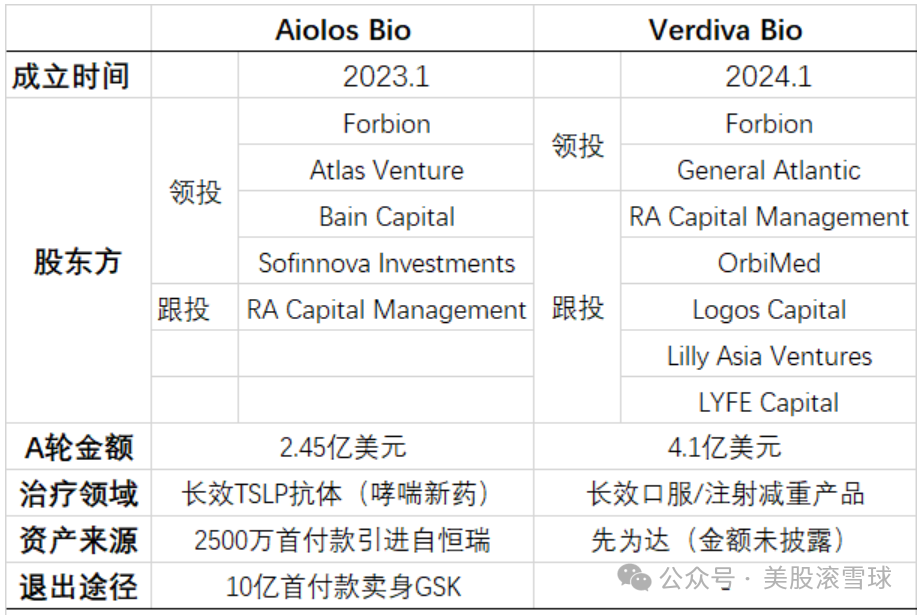
In August 2023, Aiolos Bio acquired Hengrui's asthma new drug TSLP antibody (SHR-1905) for an upfront payment of $250 billion. Less than two months later, it sold the entire company, including the drug, to GlaxoSmithKline for an upfront payment of $1 billion, netting Aiolos Bio a profit of $975 million (for details, see:Why Are Chinese Drugs Often Marked Up in License-Out Deals?)。
From the shareholders' perspective, Forbion, RA Capital, and Lilly Asia Ventures, who participated in Verdiva Bio's Series A financing, are also among the shareholders of Aiolos Bio.
2. Eikon Therapeutics: Oncology Drug Company Founded by Nobel Laureate
On February 26, Eikon Therapeutics announced the completion of a $350.7 million Series D financing round. Investors in this round included Lux Capital, Alexandria Venture Investments, AME Cloud Ventures, The Column Group, E15 VC, Foresite Capital, General Catalyst, Soros Capital, StepStone Group, T. Rowe Price Associates, and UC Investments (Office of the Chief Investment Officer of the Board of Regents of the University of California), among others.
Eikon Therapeutics was founded in 2019, with one of its co-founders being the renowned physicist Dr. Eric Betzig. In 2014, he, along with Dr. Stefan W. Hell and Dr. William E. Moerner, was awarded the Nobel Prize in Chemistry for their groundbreaking contributions to the development of super-resolution fluorescence microscopy.
Eikon Systems, a technology platform under the company, provides researchers with its proprietary Single-Molecule Tracking (SMT) technology, combined with AI, automation, and large-scale molecular dynamics analysis, significantly enhancing the efficiency of drug discovery and life science research.
Currently, Eikon Therapeutics' R&D pipeline is mainly introduced from external sources:
In June 2023, Eikon and InnoPax Pharma entered into an exclusive licensing and collaboration agreement regarding IMP1734 and other PARP1 selective inhibitors, granting Eikon exclusive rights to develop, manufacture, and commercialize in all regions outside Greater China.
In June 2023, Eikon introduced two TLR7/8 dual agonist projects, BDB001 and BDB018, from Seven and Eight Biotherapeutics, obtaining global rights to them.
In July 2023, Eikon introduced a series of preclinical projects from Cleave Therapeutics to address issues related to protein homeostasis, DNA damage repair, and chromatin remodeling.
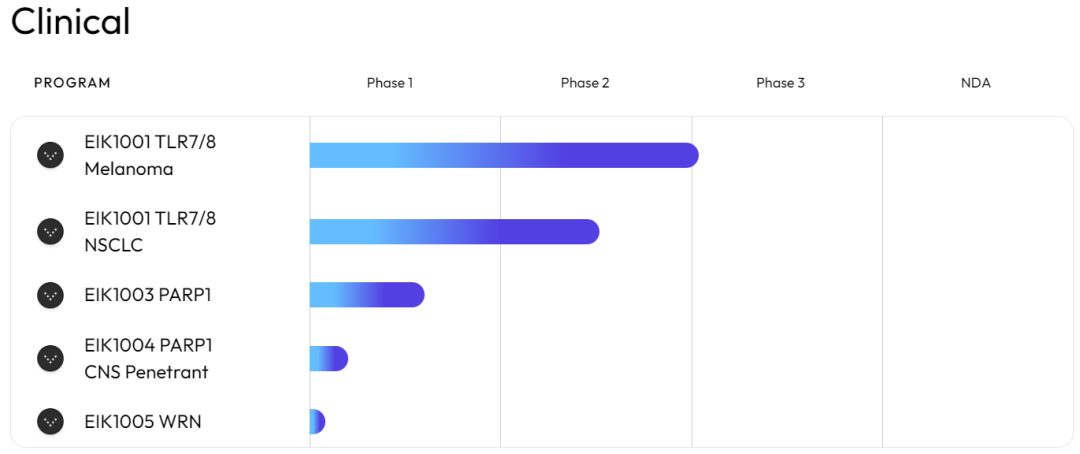
EIK1001: A research agonist for Toll-like receptors 7 and 8, currently in phase III clinical trials for melanoma. According to data presented at the 2024 American Society of Clinical Oncology Annual Meeting, EIK1001 achieved a complete or partial response rate of 14%, with a disease control rate of 48%.
EIK1003: A highly selective PARP1 inhibitor currently in Phase I clinical trials for breast cancer, ovarian cancer, prostate cancer, and pancreatic cancer.
EIK1004: A CNS-penetrant PARP1 selective inhibitor, currently in Phase I clinical trials for brain cancer.
EIK1005: A WRN inhibitor currently being evaluated for its therapeutic potential in MSI-high and other DNA repair-deficient cancer patients.
ABC008: A first-in-class anti-KLRG1 antibody that precisely targets and eliminates highly cytotoxic T-cell populations and NK cells responsible for disease induction. ABC015: A KLRG1-blocking antibody candidate designed to block the binding of KLRG1 on mature T cells and NK cells to E- and N-cadherins on cancer cells, thereby enabling immune cells to more effectively kill cancer cells. Currently, ABC015 is in the preclinical development stage.
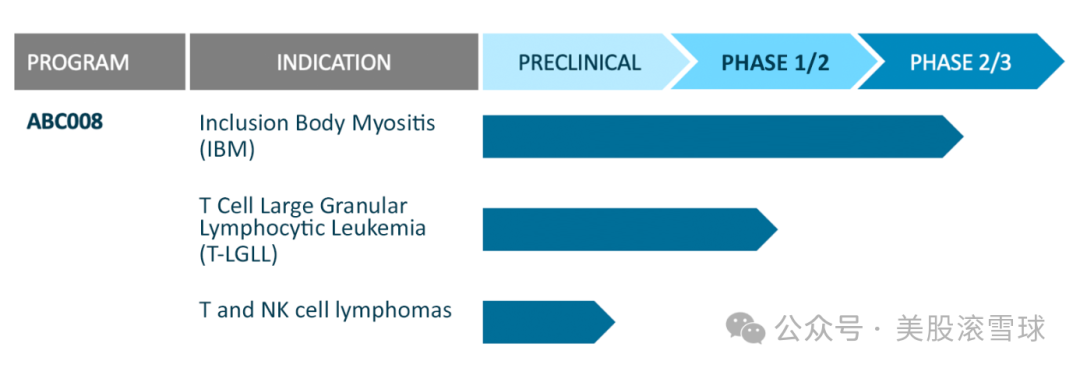
In 2021, Abcuro announced the completion of a $42 million Series A financing round, led by Sanofi Ventures and Mass General Brigham Ventures, with participation from Pontifax Venture, Hongsen Investment Group, RA Capital, and Samsara BioCapital. In August 2023, Abcuro announced the completion of a $155 million oversubscribed Series B financing round. This round was co-led by Redmile Group and Bain Capital Life Sciences, with participation from RA Capital, Samsara BioCapital, Sanofi Ventures, New Leaf Ventures, Pontifax, Tekla Capital, BlackRock, Mass General Brigham Ventures, Eurofarma, and Soleus Capital.
4. Windward Bio: TSLP Drug Company with Pipeline from China
On January 10, Windward Bio announced the completion of its $200 million Series A financing. This round was led by OrbiMed, Novo Holdings, and Blue Owl Healthcare Opportunities, with participation from prominent institutions such as SR One, Omega Funds, RTW, Qiming Venture Partners, Quan Capital under Zai Lab, and Pivotal bioVenture Partners.
Windward Bio is a pharmaceutical company specializing in the research and development of drugs for immune-mediated diseases, with a focus on severe respiratory conditions.
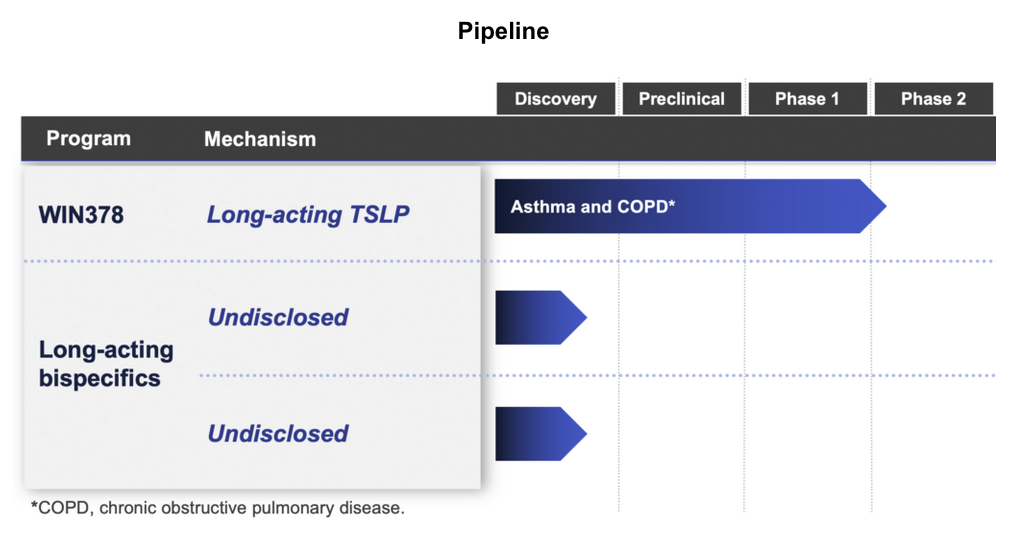
On January 10, Windward Bio announced that it has acquired the global rights, excluding Greater China, parts of Southeast Asia, and West Asia, to the ultra-long-acting TSLP antibody HBM9378/SKB378 from Harbour BioMed and Kelun-Biotech.
Windward Bio paid $970 million in upfront and milestone payments (of which the upfront and near-term milestones amount to $45 million), along with single-digit to double-digit percentage royalties on sales and equity in Windward Bio. This marks the second NewCo model out-licensing deal by Harbour BioMed following HBM Alpha Therapeutics.
HBM9378/SKB378 is a differentiated ultra-long-acting TSLP antibody jointly developed by Harbour BioMed and Kelun-Biotech. It is the world's second fully human TSLP antibody, engineered for extended half-life, with a half-life in monkeys and humans approximately 2-3 times longer than that of Tezepelumab, effectively reducing injection frequency.
Currently, HBM9378/SKB378 has completed the Phase I clinical trial for asthma and is preparing for the Phase II clinical trial. The IND application for chronic obstructive pulmonary disease (COPD) was accepted in November 2024.
TSLP (Thymic stromal lymphopoietin) is a pleiotropic cytokine that is distantly paralogous to IL-7 and belongs to the short-chain four-α-helix bundle type I IL-2 family.
Currently, there is only one TSLP drug available globally: TEZSPIRE, a TSLP monoclonal antibody jointly developed by AstraZeneca and Amgen, which received its first FDA approval in December 2021 for severe asthma.
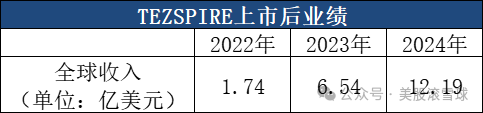
Three years after its market launch, TEZSPIRE's revenue has continued to grow significantly. Its global revenue was only $174 million in 2022, but it increased to $654 million in 2023, with a growth rate of up to 275%. In 2024, TEZSPIRE achieved $1.219 billion in revenue, joining the ranks of "billion-dollar" molecules.
The TSLP target is attracting increasing attention. In January 2024, GlaxoSmithKline acquired Aiolos for $1.4 billion to obtain its long-acting TSLP antibody. Uniquity Bio, incubated by Blackstone, introduced Merck's TSLP antibody for the development of COPD indications. Biosion’s TSLP antibody and TSLP/IL-4R bispecific antibody were licensed to Aclaris (NewCo model), among others.
5. Timberlyne & Ouro Medicines: Conoma’s Newcos
On January 10, Ouro Medicines announced the completion of its Series A financing round, raising $120 million. This round was co-led by TPG Biotechnology Innovation, NEA, and Norwest Venture Partners, with participation from prominent institutions such as Monograph Capital, GSK, UPMC Enterprises, Boyu/Zoo Capital, and LongRiver Investments.
In November 2024, Connaught Biotech announced the signing of an exclusive licensing agreement with Platina Medicines (a subsidiary of Ouro Medicines). According to the agreement, PML has obtained the exclusive global license (excluding mainland China, Hong Kong, Macao, and Taiwan) for the research, development, registration, manufacturing, and commercialization of CM336, a bispecific antibody independently developed by Connaught Biotech. Connaught Biotech will receive an upfront payment and near-term payment totaling $16 million, as well as a minority stake in Ouro Medicines as part of the consideration. Additionally, it includes up to $610 million in milestone payments and tiered royalties on net sales of related products. In January 2025, Connaught Biology announced that it had granted Timberlyne Therapeutics the exclusive rights to develop, manufacture, and commercialize CM313, a humanized CD38 monoclonal antibody, globally (excluding mainland China, Hong Kong, Macao, and Taiwan). Connaught Biology will receive a $30 million upfront payment and near-term payments, as well as equity in Timberlyne, becoming the company's largest shareholder with a 25.79% stake. Upon achieving certain sales and development milestones, Connaught Biology is eligible to receive up to $337.5 million in additional payments, as well as tiered royalties on net sales.
CM336, a BCMAxCD3 bispecific antibody introduced by Ouro Medicines, is currently advancing in a multicenter, open-label Phase 1/2 clinical study evaluating the efficacy of CM336 injection for the treatment of patients with relapsed or refractory multiple myeloma.

In July 2024, Connexions Therapeutics and Belenos Biosciences announced that they had reached an agreement on the exclusive licensing of two bispecific antibody drugs, CM512 and CM536. The global rights for research, development, registration, production, and commercialization outside of Greater China for the latter two drugs were granted to Belenos Biotech. On January 20, 2025, Keymed Biosciences and InnoCare Pharma jointly announced that the two companies, along with their joint venture, have entered into a licensing collaboration with Prolium Bioscience to authorize Prolium to develop and commercialize the CD20×CD3 bispecific antibody CM355. Both companies will hold certain stakes in Prolium, making Prolium the fourth overseas Newco of Keymed Biosciences.
6. Umoja Biopharma: In Vivo CAR-T Therapy Company Invested by SoftBank and Qiming
On January 14, Umoja Biopharma announced the completion of a $100 million Series C financing round. This round was co-led by Double Point Ventures and DCVC Bio, with participation from ARK Invest, Cormorant Asset, MPM Capital, Qiming Venture Partners, RTW Investments, Alexandria Venture, SoftBank Vision Fund 2, CaaS Capital, K2 HealthVentures, Myeloma Investment Fund, and the University of Minnesota Endowment.
Umoja Biopharma, founded in 2019, is a company dedicated to developing the next generation of in vivo CAR-T cell therapies.
Umoja integrates its four developed platforms (VivoVec, iCIL, RACR/CAR, and TumorTag) to work synergistically, overcoming many limitations of the current generation of ex vivo cell immunotherapies by generating and supporting anti-tumor T cells that target both tumor and stromal cells.
VivoVec Platform: Based on its proprietary third-generation lentiviral vector technology, the VivoVec gene delivery product is manufactured. After introducing VivoVec into the body, patients are able to produce their own cancer-fighting CAR-T cells.
RACR-Induced Cytotoxic Lymphocyte Platform (RACR-iCIL): Utilizing Rapamycin-Activated Cytokine Receptor (RACR) technology to mass-produce synthetic anti-cancer cells from induced pluripotent stem cells (iPSC), these cells, known as induced Cytotoxic Innate Lymphocytes (iCIL), enhance the patient's endogenous anti-tumor immune function and work in conjunction with in vivo CAR-T cells generated by VivoVec.
RACR/CAR: Utilizes a small-molecule drug (rapamycin) approved by the FDA with long-term safety, replacing the lymphocyte depletion in traditional therapies. By directly providing survival and expansion signals to engineered immune cells, it renders the transduced T cells resistant to rapamycin's native anti-proliferative activity.
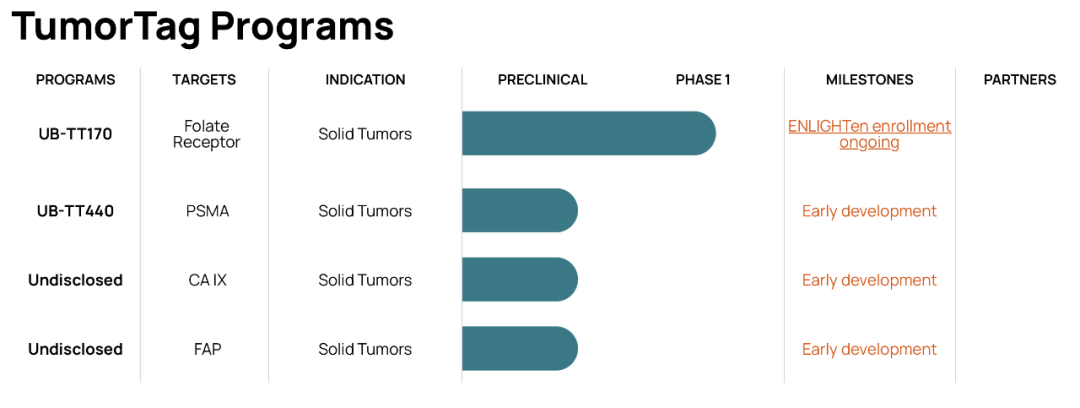
TumorTag: Targets and effectively attacks the combination of cancer cells and stromal elements that tumors use to evade the body's defenses. Applicable to various cancer treatments, it can be used with universal CARs in conjunction with ex vivo manufactured cells (autologous or allogeneic cells) to increase targeting flexibility.
Currently, Umoja Biopharma has developed multiple promising pipelines: UB-TT170, which is in Phase I clinical trials, is being tested in patients with refractory/recurrent osteosarcoma.
In addition, UB-VV200 and UB-VV111, which are in the IND data generation phase, are also worth noting. Among them, UB-VV111 will be used for the development of treatments for hematologic malignancies, while UB-VV200, in combination with UB-TT170, is expected to become an effective treatment option for folate receptor-expressing solid tumors, applicable to various conditions such as ovarian cancer, cervical cancer, endometrial cancer, triple-negative breast cancer, and non-small cell lung cancer.
 In the primary market, Umoja Biopharma has completed two rounds of financing:
In November 2020, Umoja Biopharma announced the completion of a $53 million Series A financing round led by MPM Capital and Qiming Venture Partners USA. In June 2021, Umoja Biopharma announced the completion of a $210 million Series B financing round. This round was co-led by SoftBank Vision Fund 2 and Cormorant Asset Management, with participation from RTW Investments, Temasek, Caas Capital, SVB Leerink, Qiming Venture Partners (USA), Casdin Capital, Alexandria Venture, and other institutions.
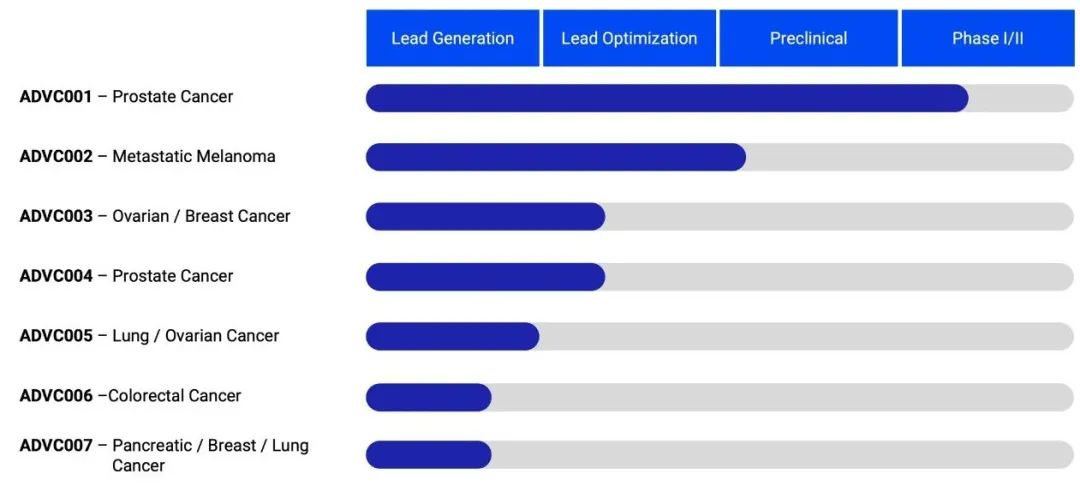
In November 2024, Telix Pharmaceuticals was listed on the NASDAQ Stock Exchange. Over a span of 7 years, the company's valuation increased more than 130 times, and several of its drugs have already been launched on the market. In December 2024, Radiopharm completed its secondary listing on the Nasdaq Stock Exchange, following a strategic agreement with Lantheus, a nuclear medicine giant listed in the U.S. stock market.
8. Atalanta Therapeutics: CNS Small Nucleic Acid Company Supported by Novartis and Sanofi
On January 28, Atalanta Therapeutics announced the completion of a $97 million Series B financing round. This round was co-led by EQT Life Sciences and Sanofi Ventures, with participation from RiverVest Venture Partners, Novartis Venture Fund, funds managed by abrdn Inc, Pictet Alternative Advisors, Mirae Asset Financial Group, GHR Foundation, and F-Prime Capital.
Atalanta Therapeutics, founded in 2018, is a company that develops drugs for neurological diseases using RNA interference (RNAi) technology. One of the co-founders of the company is Dr. Craig Mello, a pioneer in RNAi technology and Nobel laureate.
In terms of technical approach, Atalanta's bivalent small interfering RNA (di-siRNA) platform enables durable, selective gene silencing throughout the brain and spinal cord.
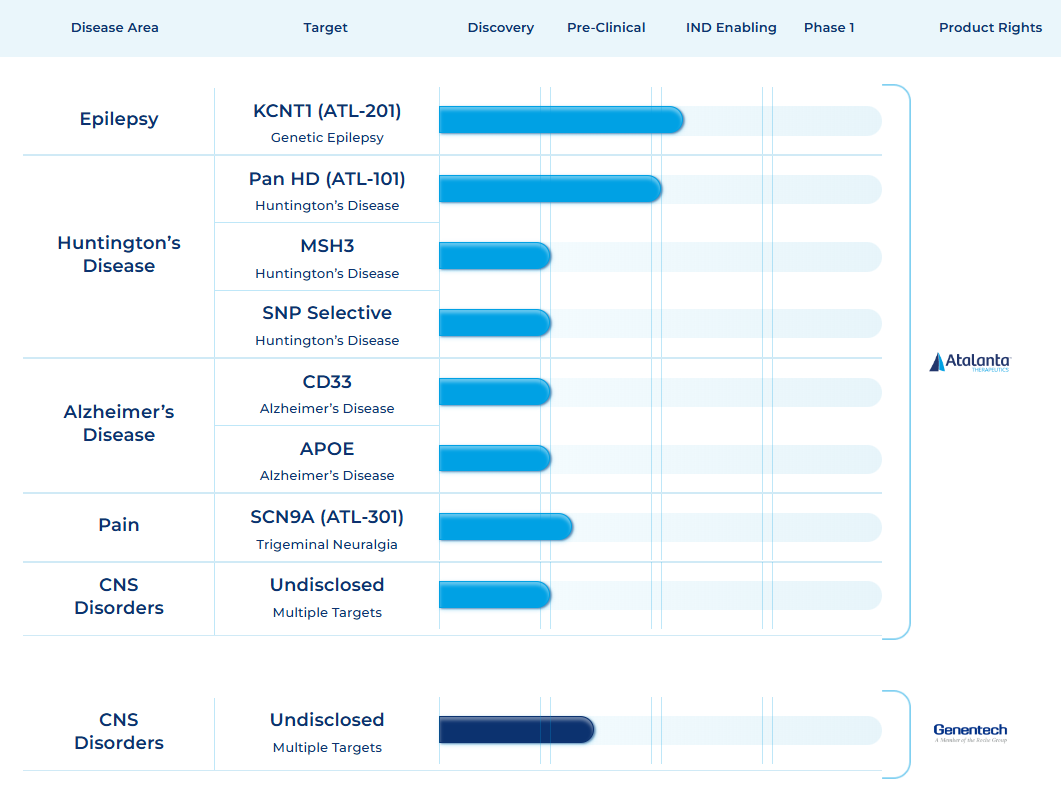
Currently, Atalanta Therapeutics has nearly 10 pipelines under research, among which the most advanced are:
ATL-201: A di-siRNA drug targeting KCNT1-related epilepsy. ATL-201 reduces KCNT1 levels and normalizes neuronal excitability. Preclinical studies show that ATL-201 significantly reduces seizures, improves behavior, and demonstrates impressive durability and tolerability.
ATL-101: A di-siRNA drug designed to silence the HTT gene for the treatment of Huntington's disease. Preclinical studies show that a single dose of ATL-101 significantly reduces HTT expression, including in deep brain regions, with six months of durability and excellent tolerability.
In January 2021, Atalanta Therapeutics announced the completion of its Series A financing round, exclusively invested by F-Prime Capital. At the same time, Atalanta also announced strategic partnerships with Biogen and Genentech, a subsidiary of Roche, with total upfront payments and financing amounting to $110 million.
—END—
Highlights:
11.8 Billion! The "Anesthesia Leader" Joins a Central State-Owned Enterprise
The Evolution of Four Generations of "Medicine Kings"
Weight Loss Market in China Heats Up: Eli Lilly, Novo Nordisk, Hengrui, Innovent...
BeiGene, Stable!
◆ New Healthcare Horizon is soliciting contributions extensively. The content can cover topics related to the industry, such as pharmaceutical policies, R&D trends, and the capital market. Please send your submissions to (zhongsiqian@sinohealth.cn) and include your contact information.
◆ For business cooperation/reprint authorization, please contact 15814031370 (same number on WeChat).
2. "New Health Frontier" is committed to providing reasonable, accurate, and complete information, but does not guarantee the reasonableness, accuracy, or completeness of the information, and shall not be liable for any loss or damage caused by unreasonable, inaccurate, or omitted information.
3. All information on "New Healthcare Realm" is for reference only and should not be used as a basis for any commercial transactions or medical services. If any deviation occurs from the independent use of the content on "New Healthcare Realm," our company assumes no responsibility, including but not limited to legal liability or compensation responsibility.