DOI: 10.1021/acs.jmedchem.4c03101
Talk Confidently, Apply Knowledge Practically
Methyltransferase A (MTA)AccumulationProtein Arginine Methyltransferase 5 (PRMT5)The inhibition is a vulnerability in MTAP-deficient cancers.
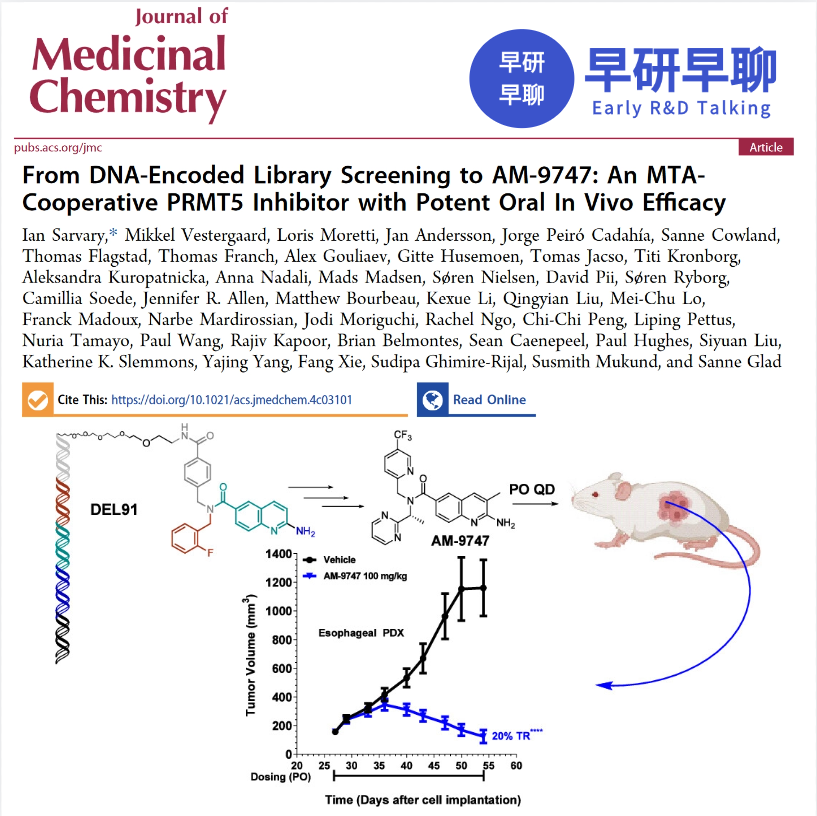
The day before yesterday (Mar. 18),Amgen InJ. Med. Chem.A potent, orally available, and in vivo efficacious MTA-cooperative PRMT5 selective inhibitor was reported.AM-9747。
This compound selectively inhibits PRMT5-directed symmetric dimethylation of protein arginine residues, leading to a significant reduction in cell viability in MTAP-deficient cells, while MTAP-normal cells remain unaffected.
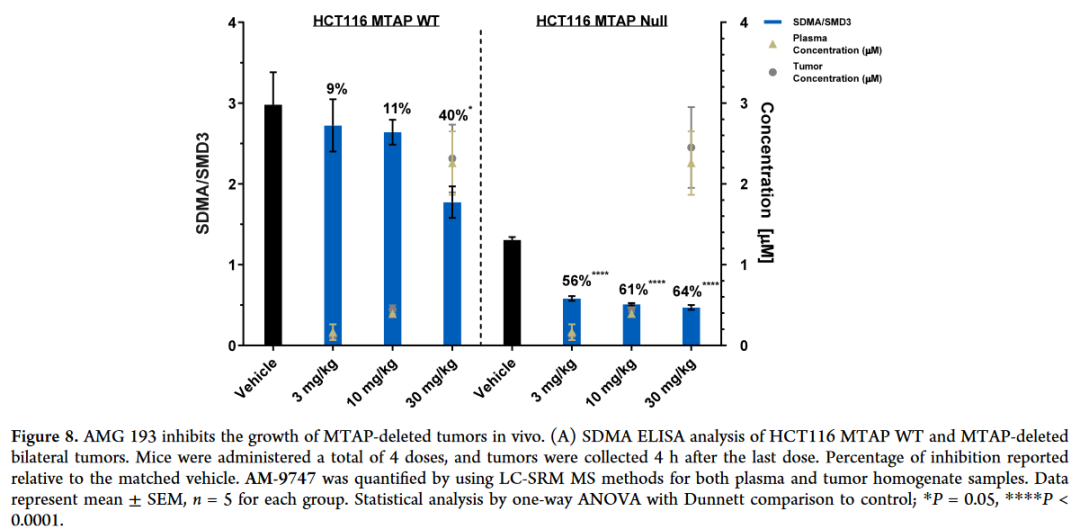
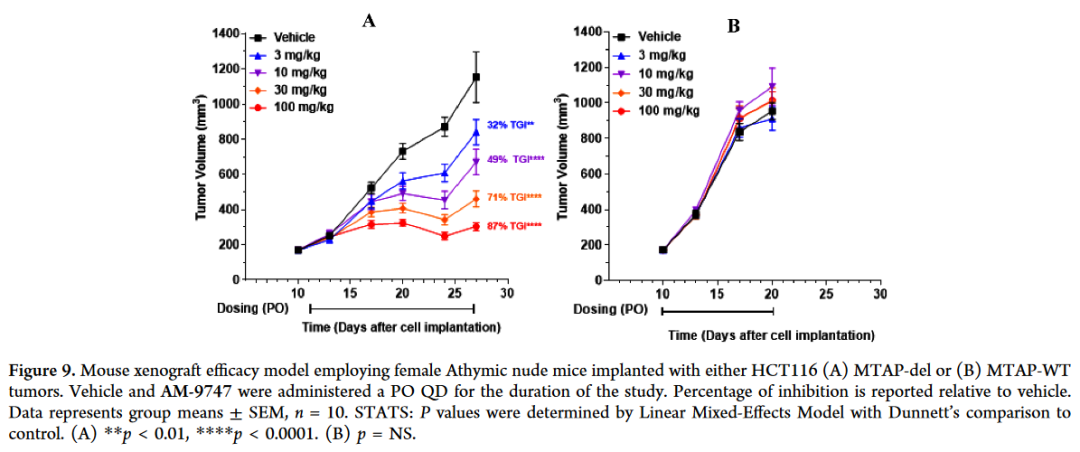
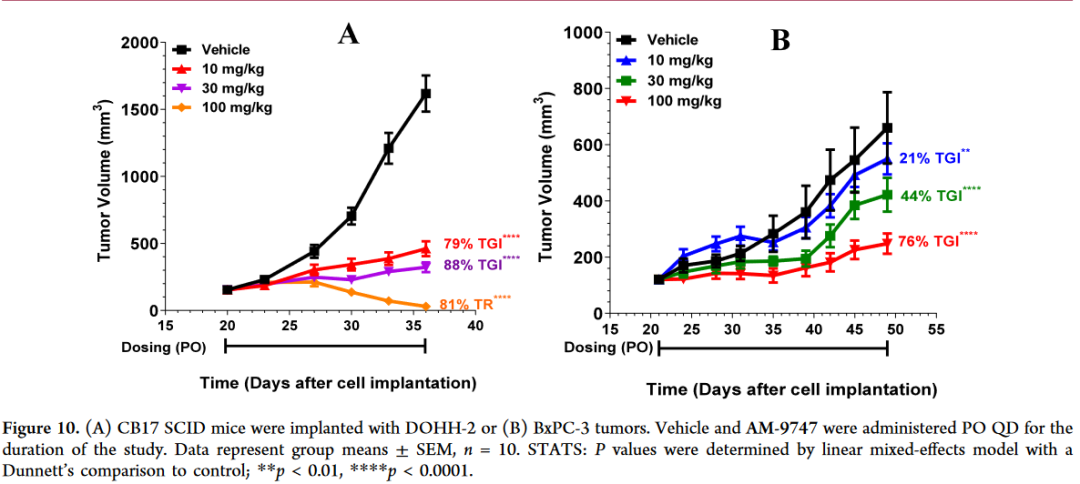
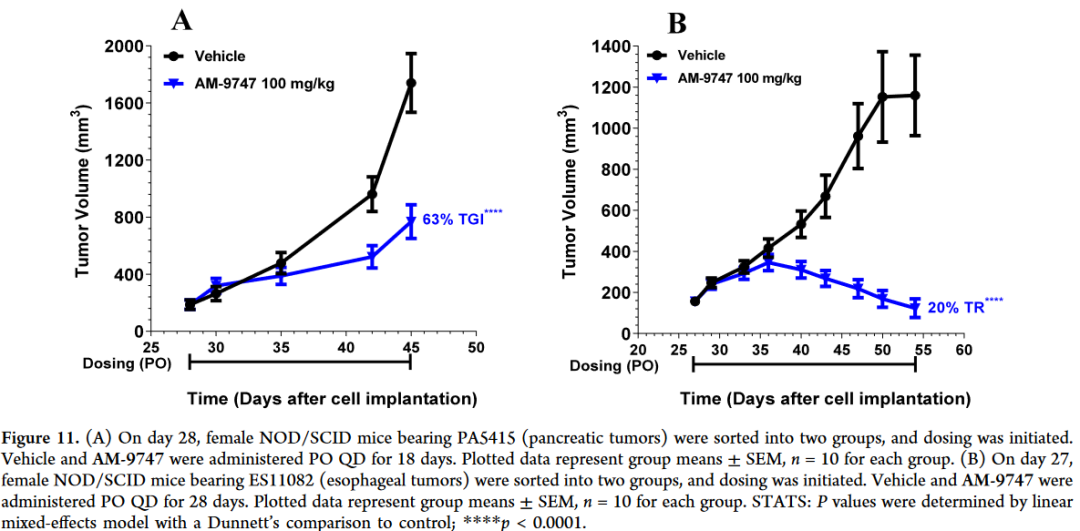
And in a mouse xenograft tumor model, it was well-tolerated with once-daily oral administration, demonstrating potent and dose-dependent inhibition of arginine demethylation in MTAP-deficient tumor xenografts.
Amgen Discloses the CompoundEarly DetectionAndStructure-Based SAR OptimizationThe entire process. AM-9747 originated fromDNA Encoded LibraryScreenedQuinoline-2-amine DEL Hit, combined with X-ray crystallography structure research, optimized step by step.
Original text open source, click at the end of the article"Read the original text"Can reach the original journal directly.
Research Background: PRMT5 Inhibitors
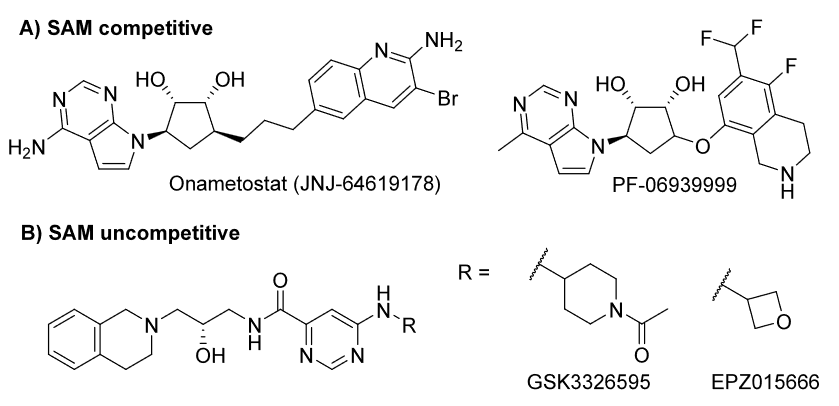
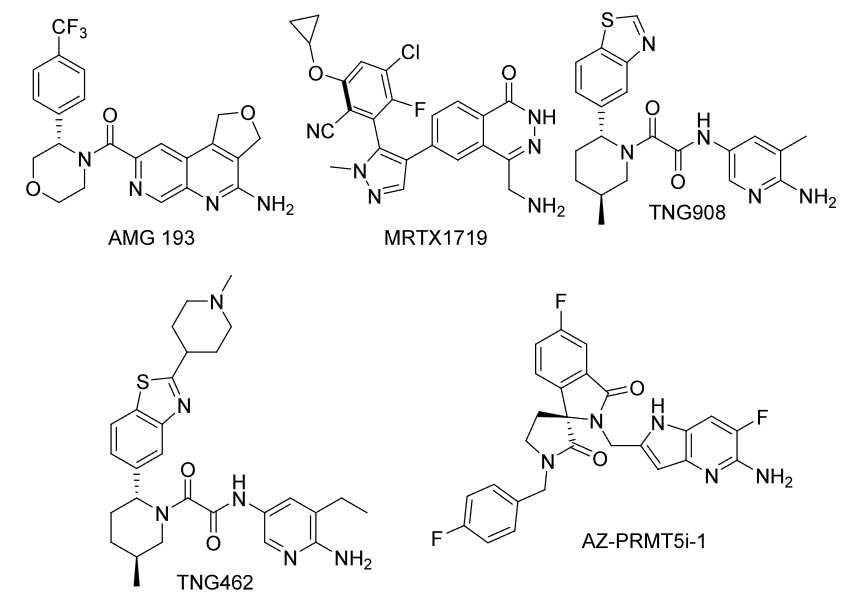
Protein arginine methyltransferase 5 (PRMT5) belongs to a family of nine protein arginine methyltransferases (PRMTs) responsible for catalyzing the methylation of protein arginine residues.PRMTs can be divided into three major categories according to catalytic characteristics.:Type I: PRMT1-4, PRMT6, PRMT8, catalyzing the monomethylation and asymmetric dimethylation of arginine;Type II:PRMT5, PRMT9, catalyzing monomethylation and subsequent dimethylation, whereinPRMT5 is the main catalytic enzyme for symmetric arginine dimethylation.;Type III: PRMT7, specifically catalyzes monomethylation.Catalytic Mechanism of PRMT5As follows: Endogenous PRMT5 forms a heterooctameric complex with methylosome protein 50 (MEP50), in which PRMT5 binds to the arginine residues of substrate proteins and from the cofactor substratesS-Adenosylmethionine (SAM)Transfer methyl to target arginine.SAM is easily degraded into methylthioadenosine (MTA), and MTA is a SAM-competitive inhibitor of PRMT5. 1.2 Vulnerabilities of MTAP-Deficient CancersMTAP enzyme catalyzes the phosphorylative cleavage of MTA to produce adenine and 5'-methylthioribose-1-phosphate, which is a key pathway for the regeneration of adenine and methionine.The MTAP gene is located near the tumor suppressor gene and is often lost simultaneously with the deletion of the tumor suppressor gene, resulting in MTAP deletion (MTAP-del) in approximately 15% of solid tumors.When MTAP is deleted, it leads to the accumulation of MTA in cells, which partially inhibits PRMT5 activity. Thus, taking advantage of this"Functional Attenuation State," Development of PRMT5 Inhibitors with Synergistic Effects on MTA, selectively inhibits the growth of MTAP-del cancer cells and enhances the safety of treatment. 1.3 Research Progress of PRMT5 InhibitorsTherefore, PRMT5 is an enzyme that "tags" (methylates) proteins in cells, regulating various cellular processes through methylation, including chromatin remodeling, gene expression, mRNA splicing, DNA replication, and cell cycle control, and is crucial for the growth of cancer cells.Clinical studies have shown that PRMT5 is highly expressed in a variety of cancers and is associated with poor patient prognosis and tumor metastasis. Entering the clinicThe First Generation of PRMT5 InhibitorsMainly SAM competitive inhibitors, or non-competitive inhibitors, as shown in the figure below:However, these drugs have dose-limiting side effects such as anemia, thrombocytopenia, and neutropenia, necessitating the development of novel PRMT5 ligands (e.g., PROTACs) with different mechanisms of action.In certain cancers, the loss of the MTAP gene leads to the accumulation of the metabolite MTA, which partially inhibits PRMT5. Researchers have utilized this phenomenon to designSecond-Generation PTMT5 Inhibitor, which more efficiently inhibits PRMT5 in the presence of MTA, thereby selectively killing MTAP-deficient cancer cells and reducing harm to normal cells.This class of MTA-cooperative second-generation PRMT5 inhibitors has been validated, throughTargeting MTA:PRMT5 ComplexThe therapeutic window has been expanded, and some of the revealed structures are shown in the figure below:In this article, Amgen reveals the discovery and optimization journey of a second-generation PRMT5 inhibitor with a novel structure (quinoline-2-amine, Q2A) that exhibits MTA synergy. The series of compounds are throughDNA Encoded Library (DEL) ScreeningObtain, can synergistically bind with PRMT5:MEP50 and MTA to form a catalytically inhibited ternary complex.Discovery and Validation Based on DEL
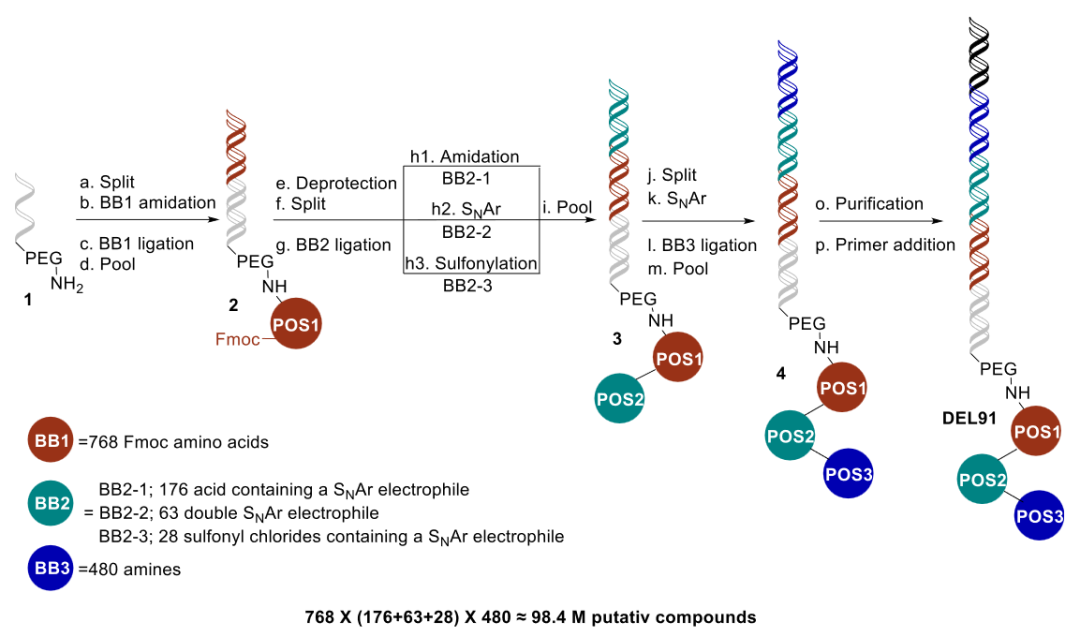
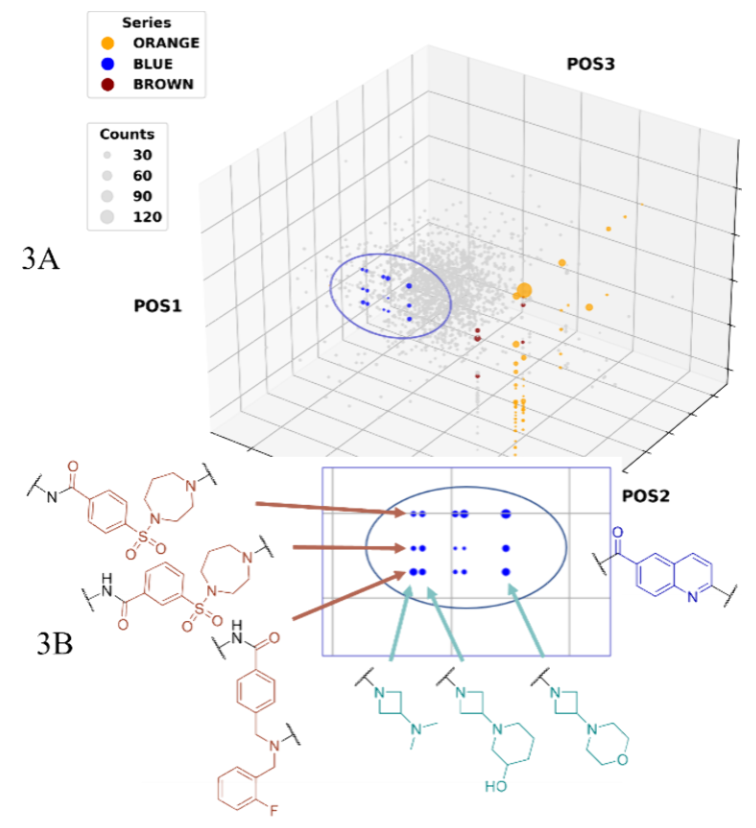
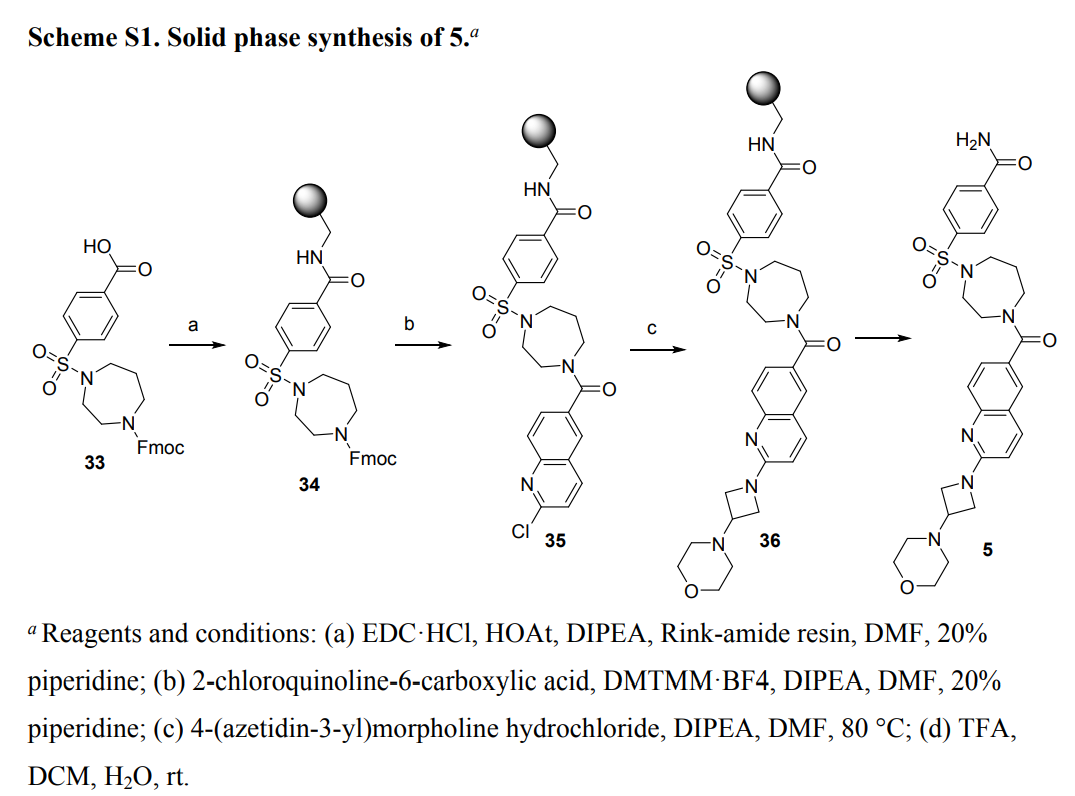
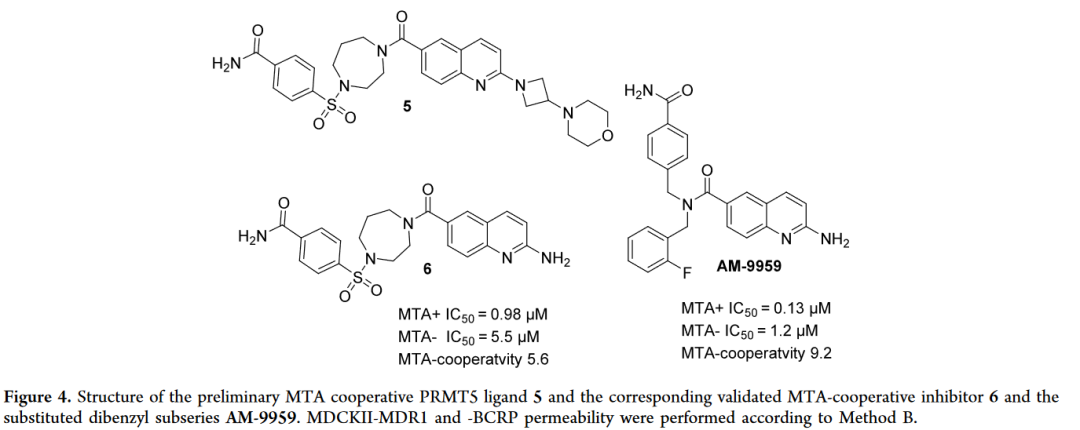
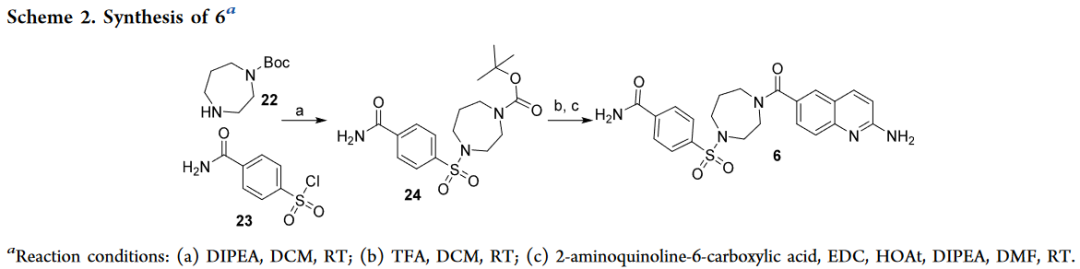
At the beginning of this research by Amgen, there were no publicly reported MTA-cooperative PRMT5 inhibitors. Therefore, in order to discover novel MTA-cooperative inhibitors, researchers pre-incubated His-tagged PRMT5:MEP50 protein with MTA prior to screening, forming an MTA+PRMT5:MEP50 complex, which was then screened using DELs.Unfortunately, the detailed DEL screening operations and control conditions were not provided in the text or the Supporting Information (SI). It was noted that they would be published at an appropriate time, with a possible title being: "Discovery of MTA-cooperative PRMT5 inhibitors from co-factor directed DNA-encoded library screens." Looking forward to it… 2.2 Feature-Enriched DEL Library: DEL91Through DEL affinity screening of target complexes, a novel and promising series of PRMT5 ligands, DEL91, was discovered in one library.Among them, DEL91 is a linear, three-loop library constructed by "split-and-pool," and its construction process is shown in the figure below:The library contains approximately98.4 Million DEL Molecules。Among them, the first cycle consists of 768 Fmoc-containing amino acids.The second cycle consists of three types of bifunctional building block molecules: 176 building block molecules containing carboxyl and reactive aryl halides, coupled with the amino functional groups from the previous cycle through amide condensation; 63 building block molecules with dual reactive aryl halide groups, through SNAr was coupled with the amino functional group from the previous cycle; and 28 building block molecules with sulfonyl chloride and active aryl halides were coupled with the amino functional group from the previous cycle through sulfonation.The third cycle consists of 480 amines and is connected through S.NAr is coupled with the active aryl halide from the previous cycle. 2.3 Post-screening Data AnalysisThe researchers ranked the preliminary potential target ligands based on the enrichment level output after DEL affinity screening and enrichment, and clustered them into chemical series using structural similarity for convenience.Structure-Affinity-Based Analysis (DEL-SAFIR), as shown in the figure below:Among them, three distinct and novel PRMT5 ligands were identified, as shown in the figure above, represented by orange, brown, and blue colors indicating structural enrichment at different locations. 2.4 Potential DEL Hit off-DNA ValidationAmgen Uses Solid-Phase Synthesis for Off-DNA DEL Hit Synthesis! I think this is a very advantageous choice, which can be synthesized with steps and batch BBs closely related to the DEL library construction process, as shown in the figure below:However, the article also pointed out that it is important to note that the DEL construction process, due to the presence of DNA, forces the use of aqueous environments, large excesses of molecular building blocks, and other reagents (generally with a feed ratio >200 times), which may also lead to the formation of unexpected side reactions and could potentially act as enriched target conjugates.Post off-DNA synthesis verification through MTA-IC50/MTA+IC50The ratio was used to determine the synergistic effect of MTA. The results showed:Pre-ligand 5 synthesized on solid phaseIn the MTA+ experiment, it showed moderate inhibition, while in the MTA- experiment, it exhibited no activity; however, withPre-ligand 5 for liquid-phase synthesis scale-upNo activity in either of the two biochemical reactions.Considering that in the DEL-SAFIR analysis, the primary enrichment was based on the quinoline motif characteristics in cycle 2, and the two synthetic methods led to completely different biochemical outcomes, the researchers speculated that this might be due to a byproduct caused by the reagent conjugates.Reanalysis of the pre-ligand from solid-phase synthesis revealed an impurity of approximately 10%, and the MS of this impurity corresponds toCompound 6, as shown in the figure above. After purification, further validation was performed. Compound 6 exhibited μM-level activity in both biochemical reactions and is an MTA-cooperative PRMT5 inhibitor.Even more encouraging was the discovery of another series of truncated molecules (byproducts), dibenzyl-subseries analog AM-9959, which exhibited better activity and synergy in biochemical assays. This represents an even more promising starting point for optimization.Optimization Based on DEL Hit
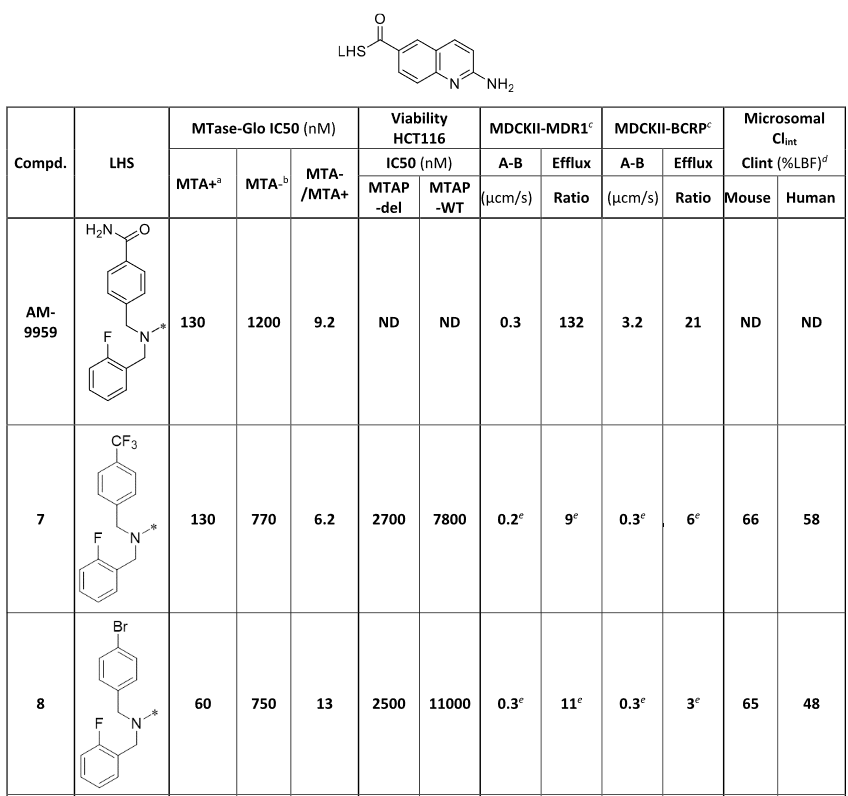
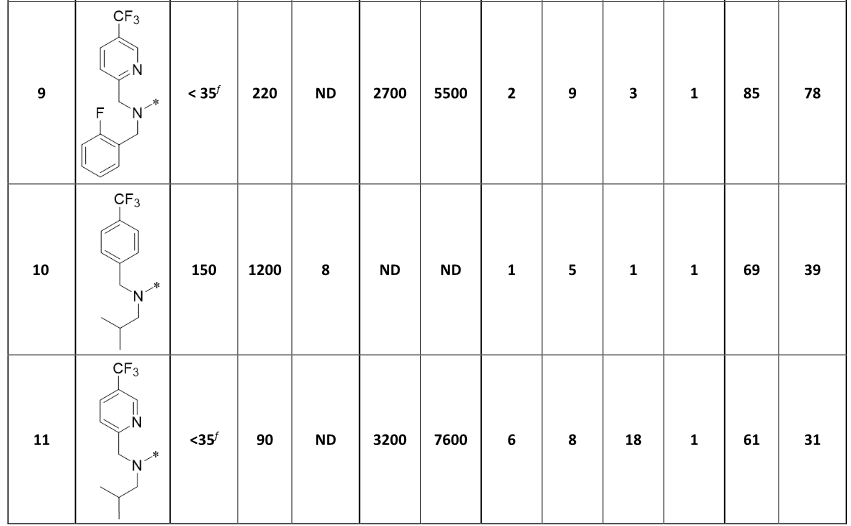
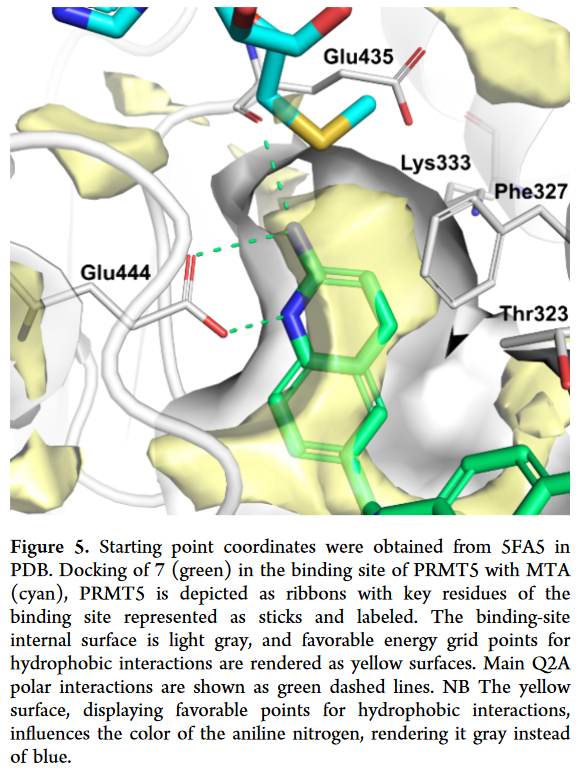
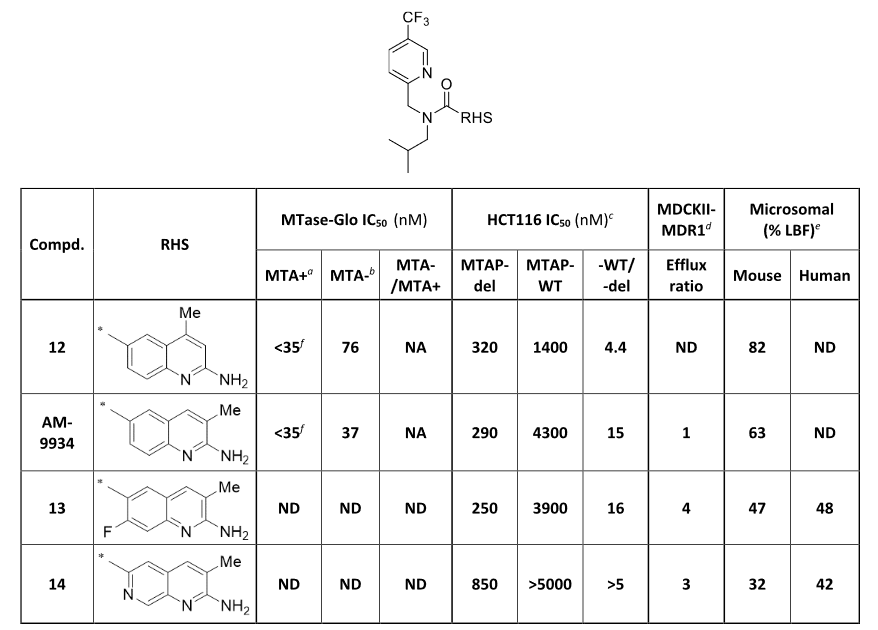
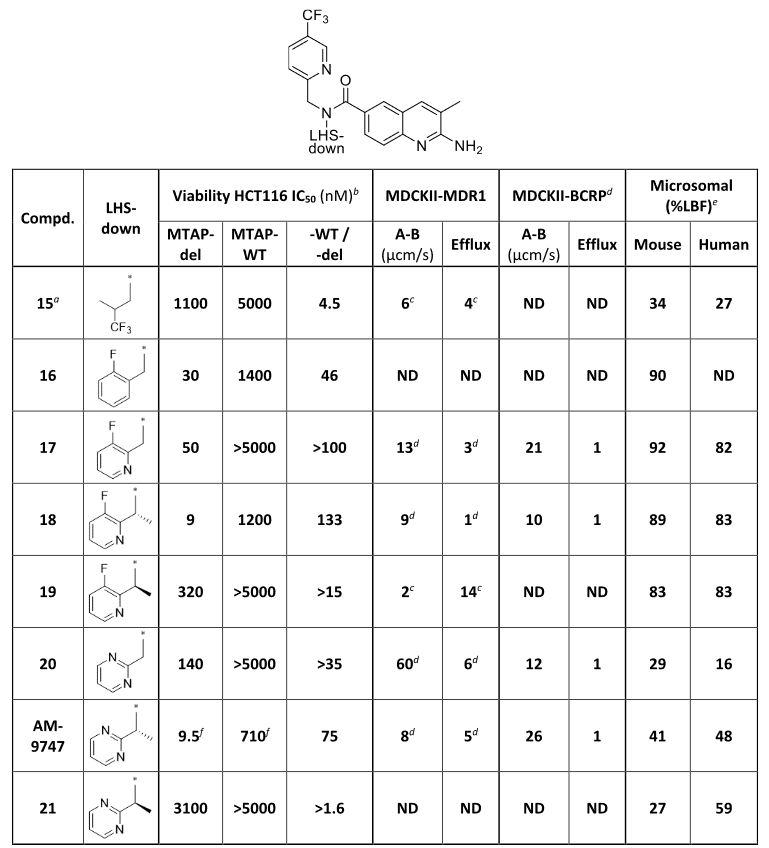
Centering on AM-9956, a promising candidate, Amgen researchers conducted left-hand side (LHS), right-hand side (RHS), and left-bottom side modifications. Combined with X-ray crystal structures, they explored the structure-activity relationship (SAR) and investigated the mechanism of synergistic target inhibition. 3.1 Left Side (LHS) RenovationReplacing the group on the left side of the molecule, such as using trifluoromethylpyridine instead of a benzene ring, improves cell permeability and reduces the issue of the drug being expelled from cells.Among them, 2F-benzyl LHS bottom (7、9) The increase in predicted clearance is associated with LHS-bottom isobutyl (10、11) slightly improved, but has not yet reached the level to classify the compound as having low predicted hepatic clearance. 3.2 Right Hand Side (RHS) ModificationAdding a methyl group to the quinoline ring enhances binding affinity with PRMT5 and significantly improves inhibitory activity.First, in order to better understand the Q2A series binding and explore potentially beneficial structural modifications, the researchers conducted a docking model study on compound 7, as shown in the figure above. The docking results showed that the protonated Q2A is the main binding feature, forming a salt bridge with Glu444, a hydrogen bond with the carbonyl group of Glu435, and hydrophobic interactions with surrounding residues.Therefore, the researchers carried out a series of right-hand side modifications, as shown in the table above.Compared to compound 11, compounds in the methyl scan (12, AM-9934) did not significantly alter the permeability or efflux in MDCKII-MDR1 cells. However, the inhibitory potency of AM-9934 was enhanced.Replacing F with H, replacing the small ring motif cyclopropyl with methyl, and replacing methyl with butyl are widely used optimization strategies to enhance metabolic stability and biological activity.。However, increasing the size of the 3-position substituent from methyl to ethyl, isobutyl, cyclopropyl, or cyclobutyl reduces the inhibitory effect of this compound on cells without enhancing metabolic stability.Moreover, replacing H with F (CH3 to CFH2) on the methyl group of 3-methyl-Q2A generates a compound with inherent metabolic instability.A subsequent fluorine scan of AM-9934 revealed that H could be replaced by a 7-F analog, with compound 13 showing similar potency, MTA synergy, and metabolic stability to AM-9934. Additionally, the corresponding N scan of AM-9934 indicated a slight improvement in predicted metabolic stability at positions 7 and 14; however, potency decreased by 3-fold in the MTAP-del activity assay. 3.3 Modification of the Bottom on the Left Side (LHS)Next, the researchers explored the bottom-left motif and simultaneously investigated the impact of chiral selection on activity, ultimately optimizing it.AM-9747 (dextrorotatory isomer), which is dozens of times more active than the levorotatory isomer.In Vivo and In Vitro Effects, Mechanisms of Action, and Pharmacokinetic Studies
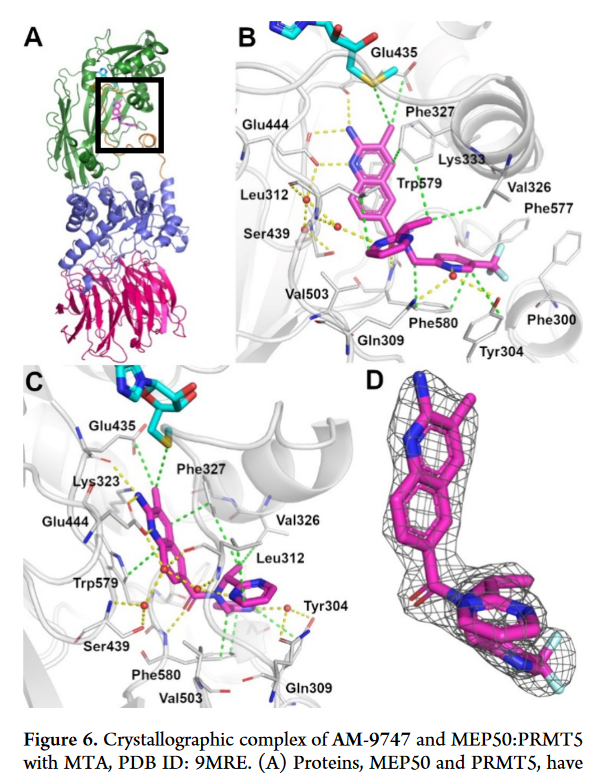
4.1 Mechanism of Action StudyX-ray crystal structure shows that AM-9747 inhibits enzyme activity synergistically by binding to Glu444 of PRMT5 and forming hydrophobic interactions with MTA, as shown in the figure above.
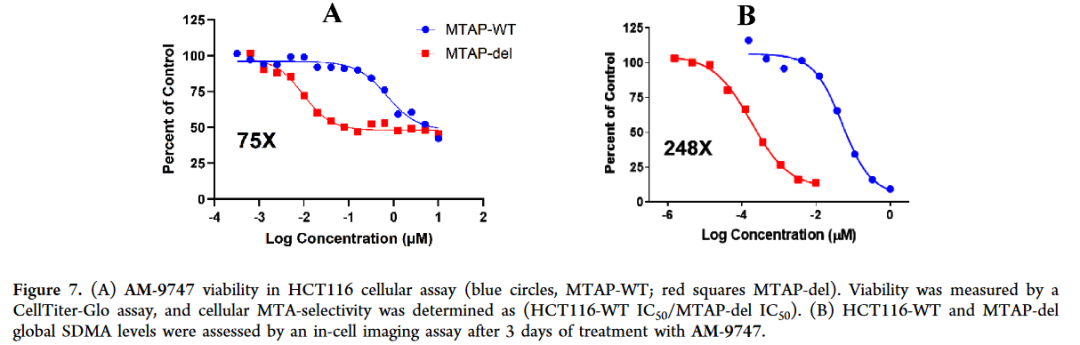
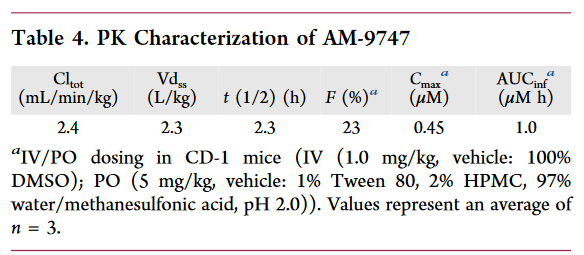
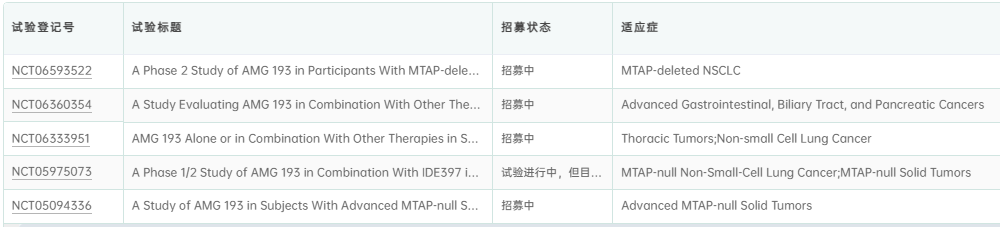
4.2 In Vitro Cell Assay Activity TestingAM-9747 is 75 times more potent in killing MTAP-deficient cancer cells than normal cells, and it can significantly reduce specific protein modification (SDMA levels) in cancer cells, as shown in the figure below. 4.3 PK Attributes in MiceAfter intravenous administration of 1 mg/kg AM-9747 in mice, the clearance was 2.4 mL/min/kg, the distribution volume (Vd t = 0) and the steady-state distribution volume (VdSS) were 1.0 and 2.3 L/kg, respectively, and the half-life was 2.3 h. After oral administration of 5 mg/kg AM-9747 in mice (CD-1, n = 3), Cmax = 0.45 μM, AUCinf = 1.0 μM, and the oral bioavailability was 23%, as shown in the table below: 4.4 In Vivo Pharmacodynamics (PD) StudiesLike a "Trojan Horse": Cancer Cells with MTAP Deletion Come with an "Insider" MTA.AM-9747 Takes the Opportunity to Collaborate with MTA, Precisely Shutting Down PRMT5, the "Logistics Factory" of Cancer Cells, Leading to Cancer Cell Collapse While Leaving Normal Cells Unaffected.This synergistic second-generation PRMT5 inhibitor offers precise targeting, high selectivity, and the potential to reduce toxic side effects, providing a promising novel therapy for cancer treatment.These studies demonstrate the great potential of targeting the PRMT5-MTA complex for the selective inhibition of MTAP gene-deficient cancer treatments. Meanwhile, Amgen has also highlighted this in the discovery of AMG 193.Currently, AMG 193 has entered Phase 1/2 clinical studies, and its relevant structure has not been disclosed.。A global R&D record for AM-9767 can be queried.As of now, multiple clinical study records of AMG 193 in China and internationally can be queried, as shown in the figure below:
Disclaimer: The publication/reposting of this article is solely for the purpose of information dissemination, and does not represent the views of this official account or confirm the authenticity of its content. Any judgment made based on this content will be at your own risk.If there is any infringement, it will be deleted upon notification!
Press and hold to follow this official account
Fan Group/Submission/Authorization/Advertisementetc.Please contact the official account assistant.If you think this article is good-looking, please click here ↓