

AI-Driven Discovery of Bifunctional Natural Product-Based Liposomes for Enhanced Tumor-Targeted Therapy

Galixir
AI Technology Empowers Drug Developers
Recently, Professor Wang Jianxin's team from the School of Pharmacy at Fudan University, in collaboration with Associate Professor Zheng Shuangjia, Tenure-track Assistant Professor at Shanghai Jiao Tong University, and Dr. Li Chengtao from Galixir,Nano TodayPublished a paper titled"Geometric-aware deep learning enables discovery of bifunctional ligand-based liposomes for tumor targeting therapy"The research成果. This study establishes a two-way research platform for the prediction and validation of natural product functions by integrating geometric perception deep learning algorithms with a biological experimental validation system. The research team utilized self-developed deep learning models to...30+High-throughput screening of natural product molecular libraries successfully identified compounds with lipid membrane regulation (LMR) and glucose transporter1(Glut1) Targeting functional natural compounds, and the construction of a novel bifunctional liposome drug delivery system, demonstrated significant tumor targeting and therapeutic enhancement effects in mouse models. This study explored“AI Deep Learning Prediction+Experimental Validation”A cross-disciplinary research methodology system provides a new paradigm for the design of intelligent drug delivery systems.
Traditional liposomes have limited tumor targeting ability, which affects their clinical efficacy. Although ligand-modified liposomes show potential in improving tumor targeting efficiency, they are complex in process and difficult for clinical transformation. The research team's preliminary studies found that certain natural products possess both liposome membrane regulation and tumor targeting functions, which could potentially achieve tumor targeting without ligand synthesis by simply replacing cholesterol in liposomes with these natural products. However, there are many natural products...30Hundreds of thousands of types, the traditional trial-and-error method for screening such bifunctional natural products is time-consuming and labor-intensive. This study proposes combining artificial intelligence deep learning algorithms with wet lab experiments to quickly discover novel bifunctional natural products. Through dataset collection, construction of a geometry-aware deep learning model, performance prediction, and wet lab validation, from ultra30Efficiently Screened from Tens of Thousands of Natural Products6A bifunctional natural product. Among them, based on ilexgeninA(Ile) The liposomes constructed have the best tumor targeting ability and anti-tumor effect, confirming the great potential of deep learning technology in designing intelligent targeted drug delivery systems.
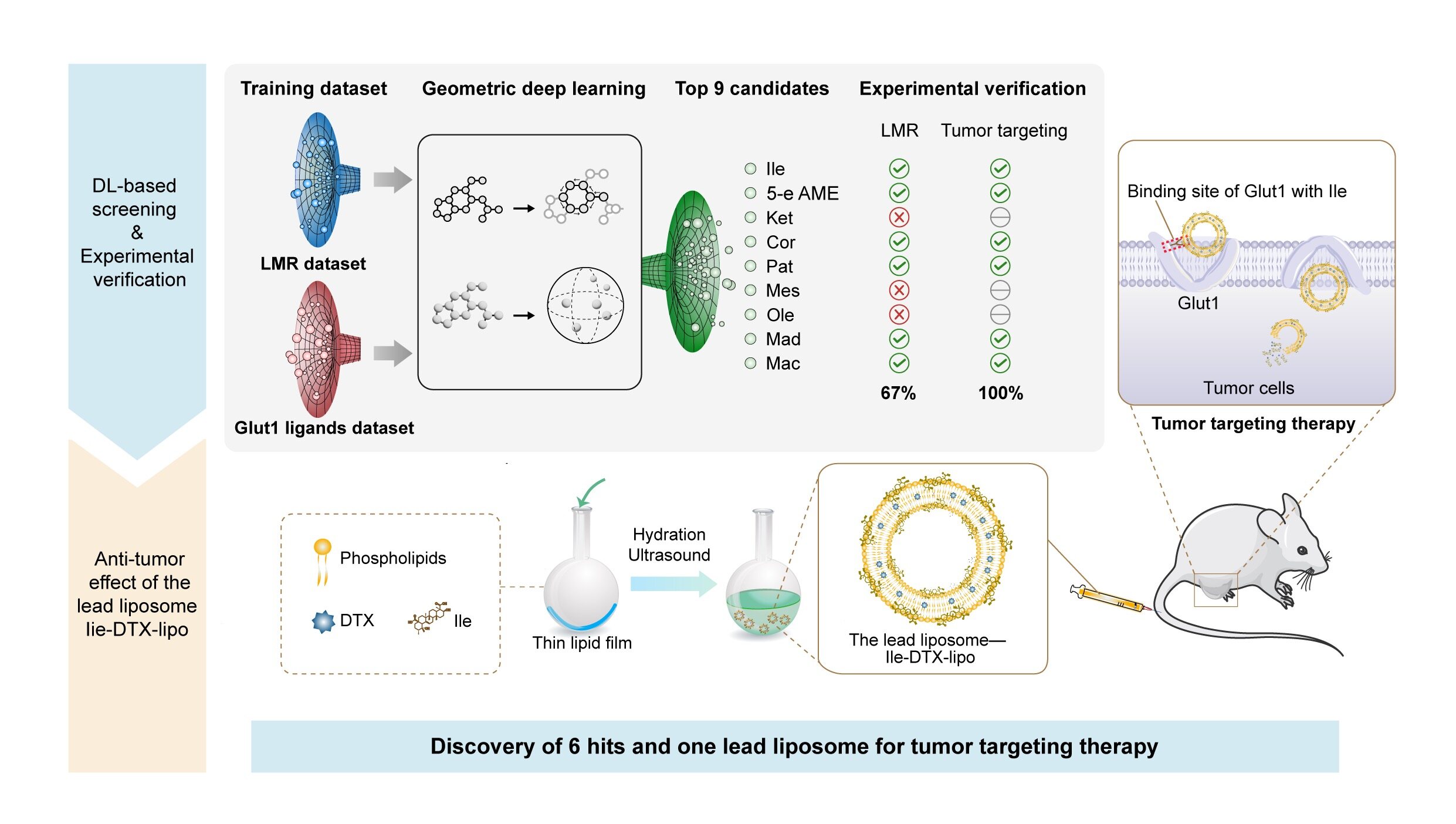
Workflow Diagram of Machine Learning-Assisted Mining of Novel Bifunctional Natural Products and Schematic Diagram of Tumor-Targeting Liposomes Based on Bifunctional Natural Products
The research team developed a geometrically-aware message-passing neural network (GMPNN)(Figure1), By employing a contrastive learning strategy, it infers three-dimensional conformation information from molecular 2D structures, overcoming the reliance of traditional deep learning models on large datasets and their inadequacy in geometric feature modeling. The model was trained on the collectedLMRAnd tumor target glucose transporter (Glut1) After training on the ligand dataset, inLMRPrediction andGlut1Combined activity prediction tasks show excellent performance, significantly outperforming Support Vector Machines (SVM), Random Forest (RF), and other traditional methods. Based on this model, the team screened the natural product library (DNP) in30Over tens of thousands of molecules were virtually screened, combining structural diversity and similarity analysis to ultimately select9Candidate molecules.
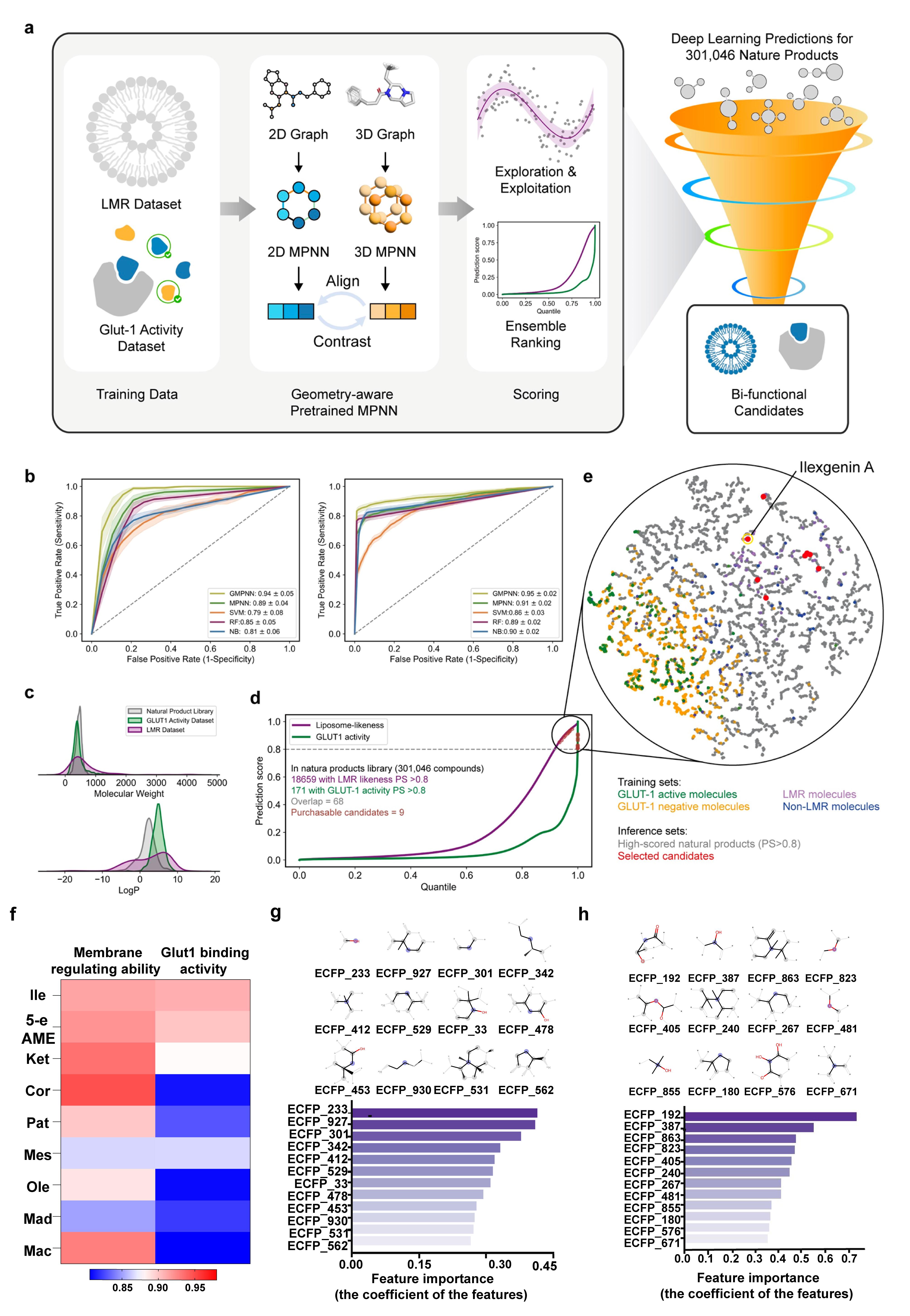
Figure1 GMPNNAlgorithm Model Construction and Candidate Bifunctional Natural Product Mining
The results of the wet lab validation show that,GMPNNSelected9Candidate6Each can replace cholesterol asLMRPreparation of uniform particle size (approximately100 nm), and liposomes with good stability (Fig.2)。
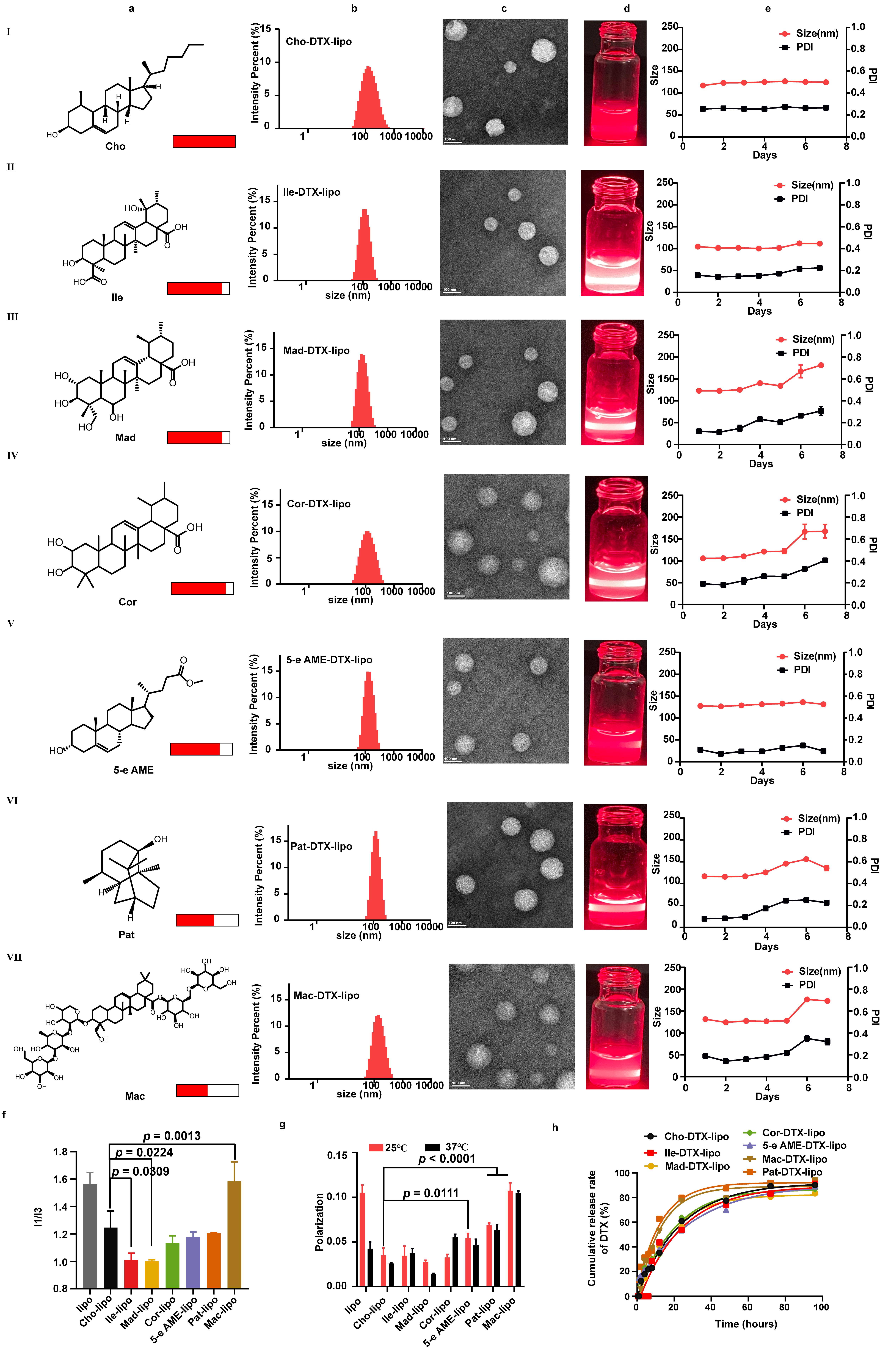
Figure2 GMPNNCandidate substances selected by the modelLMRActionWet LabVerification
The above-mentionedLMRAll functional candidates showed significantGlut1The tumor-targeting capability mediated by its preparation is superior to that of traditional cholesterol liposomes in terms of tumor targeting. Additionally,IleLiposome (Ile-lipo) has the best tumor-targeting effect (Fig.3)。
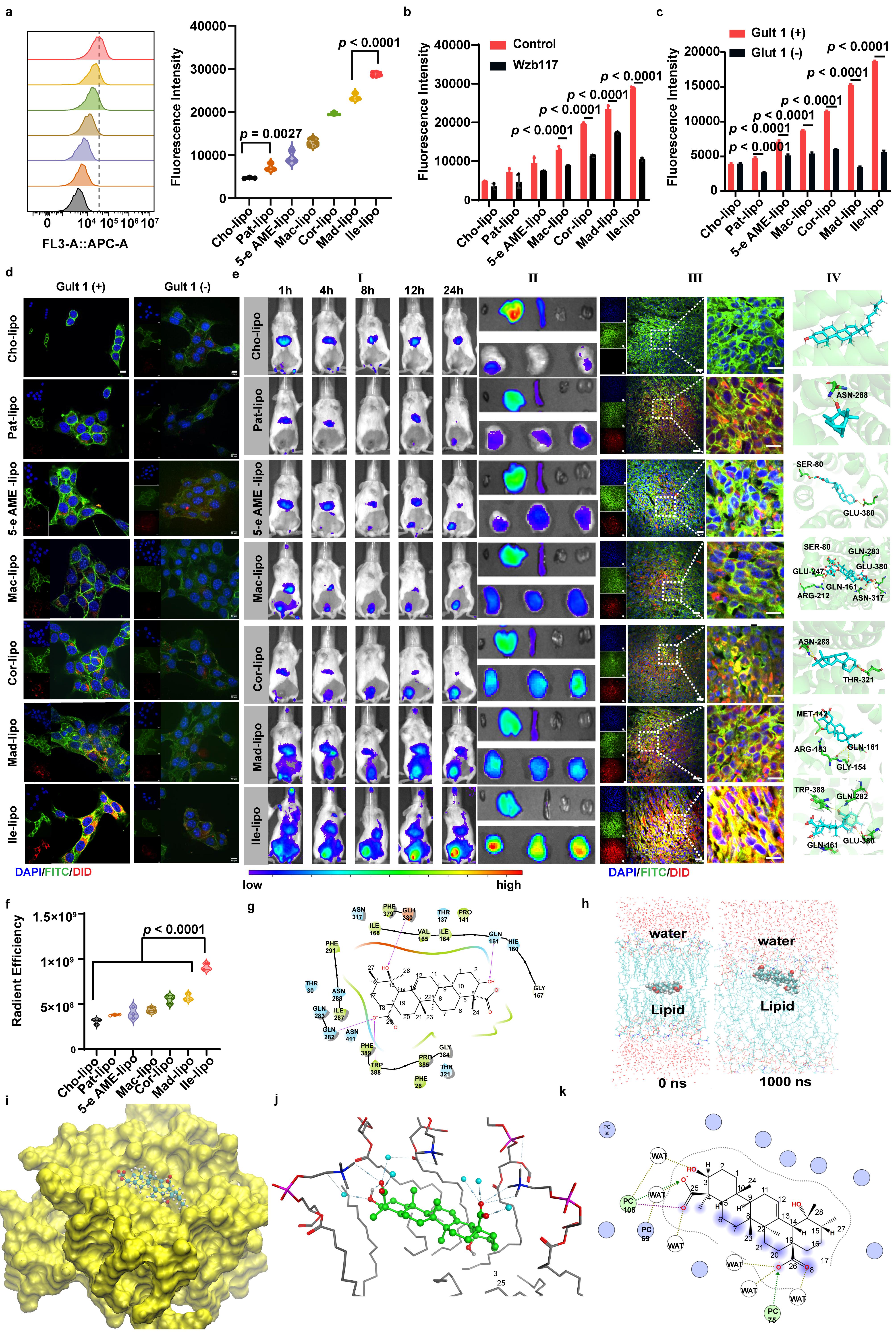
Figure3 Wet Experimental Validation of Liposome Tumor Targeting for Each Candidate Compound
Finally, the chemotherapy drug docetaxel was loaded (DTX) ofIleLiposome (Ile-DTX-lipo) Exhibits significant anti-tumor effects due to its excellent tumor-targeting capabilities (Fig.4), is a tumor-targeted drug delivery system with development potential.
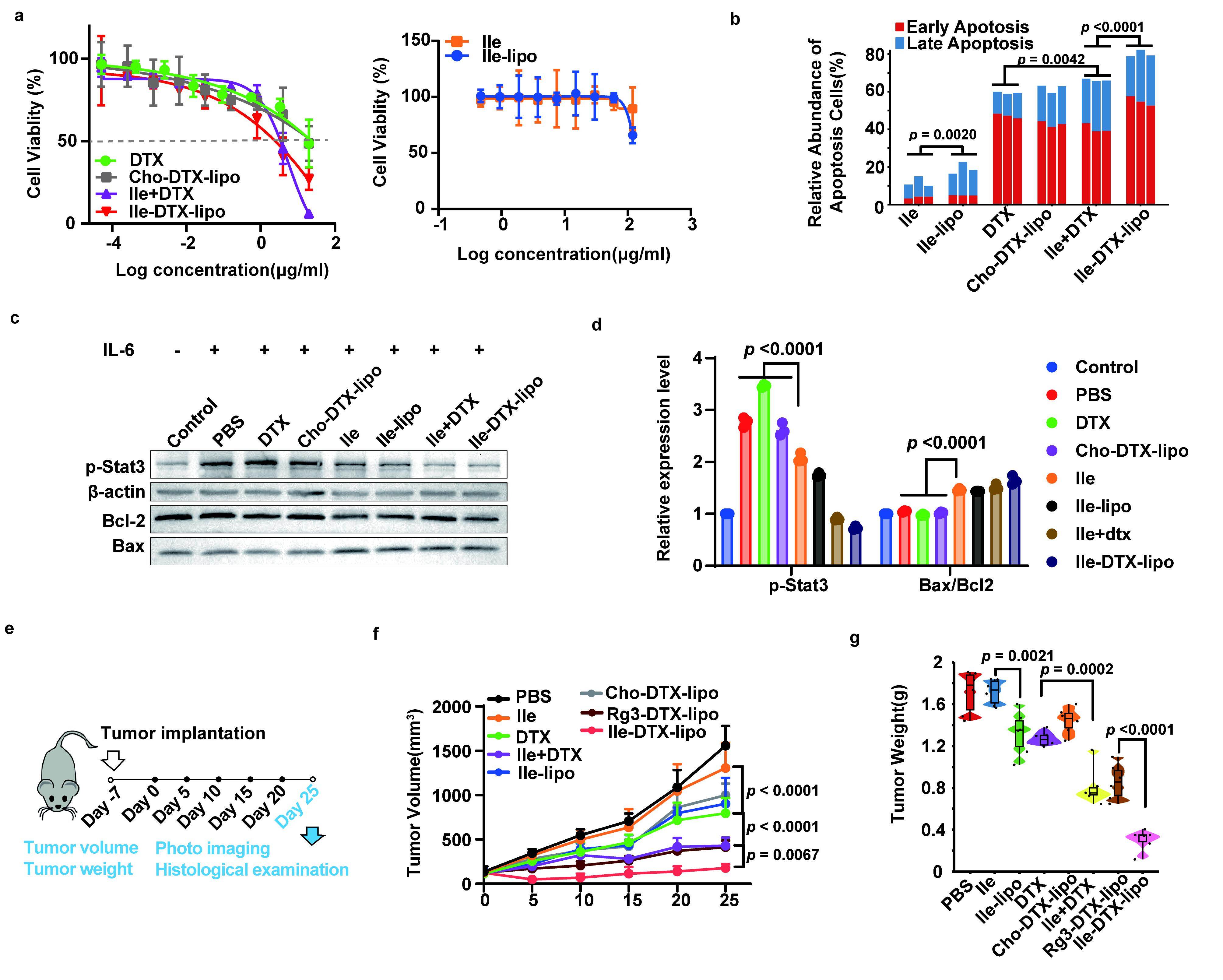
Figure4 Ile-DTX-lipoAntitumor Effects
This study is the first to apply geometric perception deep learning to the efficient discovery of bifunctional ligands, breaking through the limitations of traditional screening and significantly improving the success rate of functional material screening. The screenedIleLiposomes have promising clinical translational prospects due to their simple preparation process, excellent targeting ability, and immunomodulatory functions. Moreover, this strategy can provide a reference for the development of targeted delivery systems for other disease targets.
Xia Jiaxuan, a postdoctoral researcher at the School of Pharmacy of Fudan University, and Gan Zicheng, a master's student, are the co-first authors of this paper. Li Chengtao from Galixir, Zheng Shuangjia from the Pu Yuan Future Technology Institute of Shanghai Jiao Tong University, and Wang Jianxin from the School of Pharmacy of Fudan University are the corresponding authors of this paper. This research was supported by the National Natural Science Foundation of China (82374296、82074277), and other projects supported.
Original link:https://doi.org/10.1016/j.nantod.2025.102668