
Percutek Therapeutics
Developer of Minimally Invasive Cardiovascular Treatment Devices

Today's sharing is byProfessor Zhang Lei's Team from the First Hospital of Hebei Medical UniversityTEVAR Surgery for In-situ Reconstruction of Aortic Arch Branches Using Only Victory 18 Guidewire. The patient had Standford Type B aortic dissection, with the dissection retrograde tearing involving the root of the left subclavian artery (LSA), insufficient proximal anchoring zone, requiring proximal extension of the anchoring zone and reconstruction of LSA. The LSA originated from the posterior wall of the aortic arch, with a large opening in a "volcano mouth" shape, posing difficulties for controlling the in-situ fenestration angle during surgery. Additionally, the true lumen of the dissection was small, the false lumen was large, the thoracic aorta had a significant twist, and its course was tortuous, presenting challenges for establishing an aortic access. Professor Zhang Lei chose the Percutek Therapeutics thoracic aortic stent graft and used only the Victory 18 guidewire to efficiently complete the reconstruction of LSA through in-situ fenestration technology. The closure effect of the lesion was remarkable, and the postoperative outcome of the patient was good.

Gender:Female
Age:57 years old
Chief Complaint:Sudden back pain for 1 day.
History of Present Illness:The patient suddenly developed severe back pain without obvious cause one day ago, accompanied by profuse sweating. A CTA examination at another hospital suggested Type B aortic dissection. The patient now comes to our hospital for further treatment.
Past Medical History:Generally weak physique, with an 8-year history of hypertension; highest blood pressure recorded at 160/100 mmHg, without regular medication. Over 10-year history of lumbar disc herniation, without special treatment. Two years ago, underwent plate insertion due to femoral shaft fracture.
Detailed Explanation of CTA:Stanford Type B Aortic Dissection, the primary tear near the root of the LSA, with the proximal dissection retrogradely involving the root of the LSA, and the distal dissection extending to the right common iliac artery.
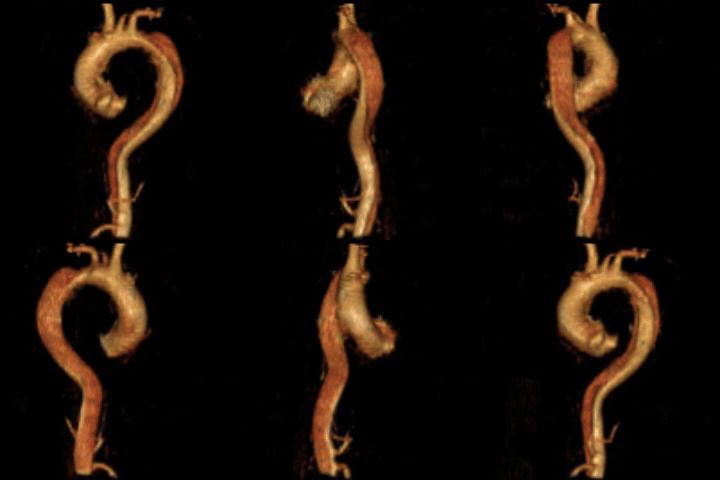
Preoperative Three-dimensional Reconstruction
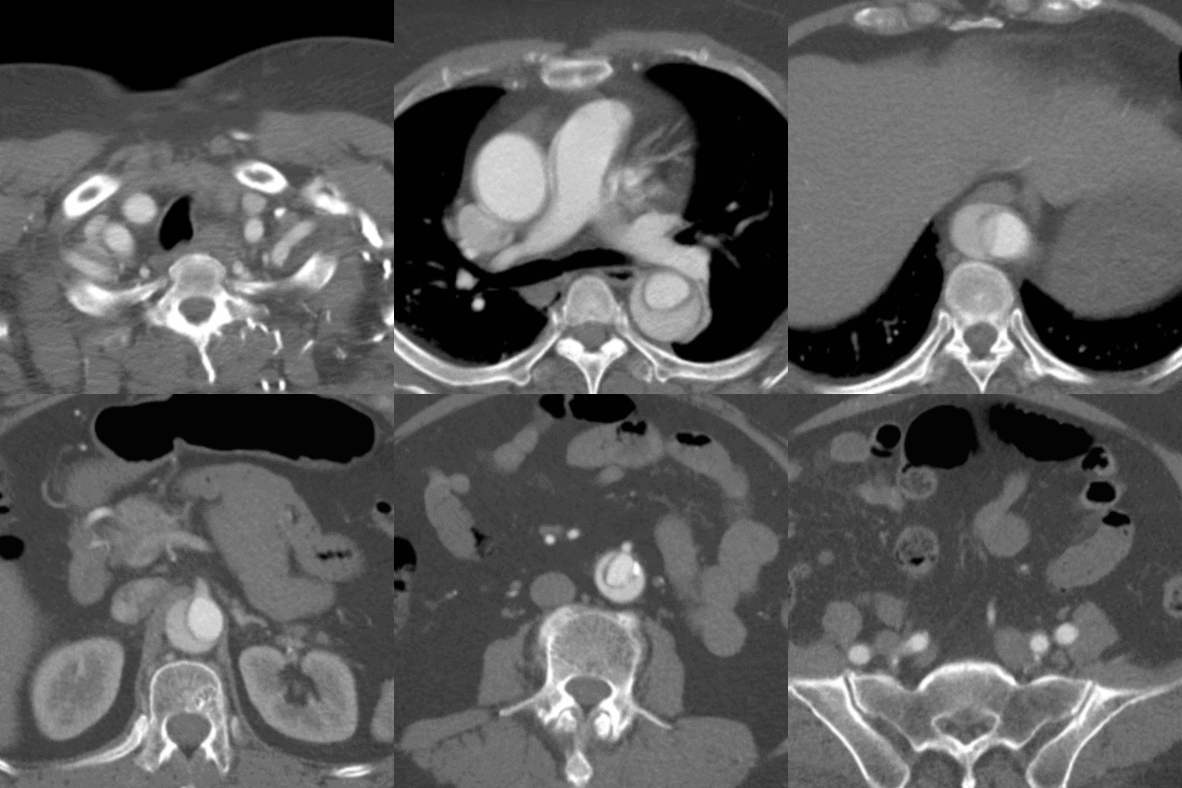
Preoperative CTA Cross-Section
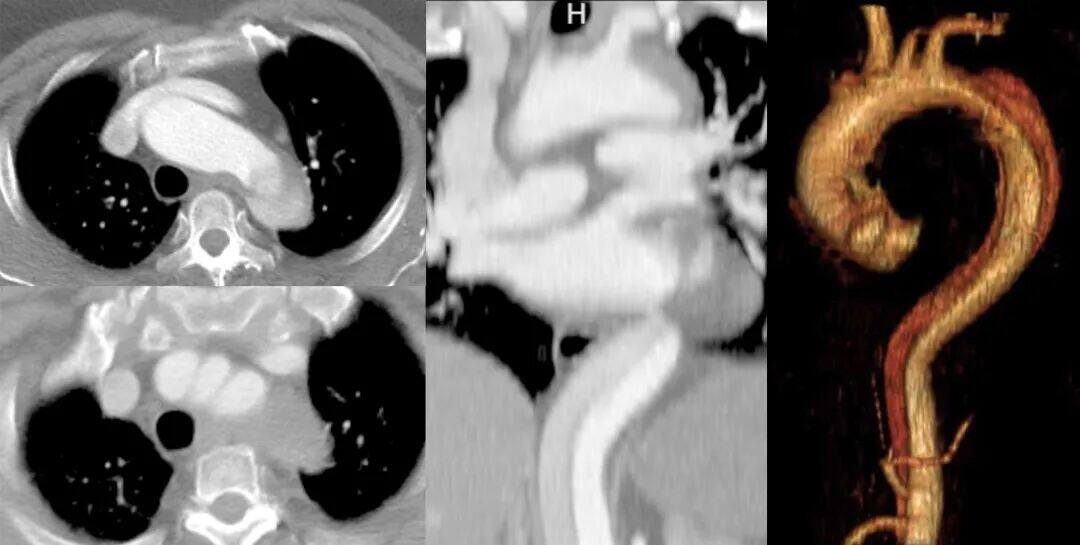
Condition of the aortic arch

Pseudoaneurysm of the aortic arch, located on the anterior wall of the arch, with the proximal end already involving the root of the LSA, and a significantly insufficient proximal anchoring zone. The distance between the LCCA and LSA is only 10mm, necessitating proximal extension of the anchoring zone and reconstruction of the LSA.
The torsion angle of the thoracic aorta is large, and the LSA originates from the posterior wall of the aortic arch. The ostium is large and "crater-shaped," which creates challenges for in-situ fenestration angle control during surgery. Additionally, common covered stents on the market present significant difficulties for fenestration.
The pseudoaneurysm of the aortic arch is significantly dilated, requiring high proximal sealing performance for the thoracic aortic stent graft.
Multiple plaques at the root of the LSA should be handled with gentle care.

Surgical Plan Strategy
Endovascular Repair of Thoracic Aortic Stent Graft Directly Covering the Left Subclavian Artery: The procedure is simple and effective, but covering the left subclavian artery may lead to clinical manifestations of posterior circulation ischemia and upper limb ischemia in patients.
Endovascular Repair of Thoracic Aortic Stent Graft + Left Subclavian Artery Chimney Technique: The surgical procedure is relatively simple, but the left subclavian artery is tortuous and narrow, with a higher risk of endoleaks and occlusion, and the mid-to-long-term outcomes are suboptimal.
Endovascular Repair of Thoracic Aortic Stent Grafts with In Vitro Fenestration: Excellent sealing of the lesion, preserving original hemodynamic characteristics. However, the procedure is complex, requiring preoperative stent modification based on measurement results, which is time-consuming. Precise super-selective window alignment is needed during the operation, posing higher risks.
Endovascular Repair of Thoracic Aortic Stent Graft + In-situ Fenestration: Effective sealing of the lesion, no preoperative stent modification required. However, traditional in-situ fenestration of aortic stent grafts demands advanced interventional equipment, such as in-situ fenestration needles, lasers, biopsy needles, and other specialized membrane-piercing devices.
The Hua Mai thoracic aortic stent graft can be fenestrated in situ using the soft tip of a CTO guidewire. Considering the medium to long-term treatment outcomes and the simplicity of intraoperative manipulation, after comprehensive evaluation, Professor Zhang Lei's team chose Hua Mai • Tianyi.®Endovascular repair of the thoracic aorta with a covered stent graft and reconstruction of the left subclavian artery using in-situ fenestration technology.

01. The patient lies in a supine position, disinfection and draping are performed, and the left radial artery and right femoral artery are punctured, with 6F and 8F catheter sheaths inserted respectively. Two suturing devices are pre-placed in the right femoral artery, and a gold-marker pigtail catheter is introduced into the ascending aorta. Angiography reveals a dissecting aneurysm in the descending aorta.

Angiography shows location in the true lumen with stenosis.

Gradually introduce the pigtail catheter into the ascending aorta.
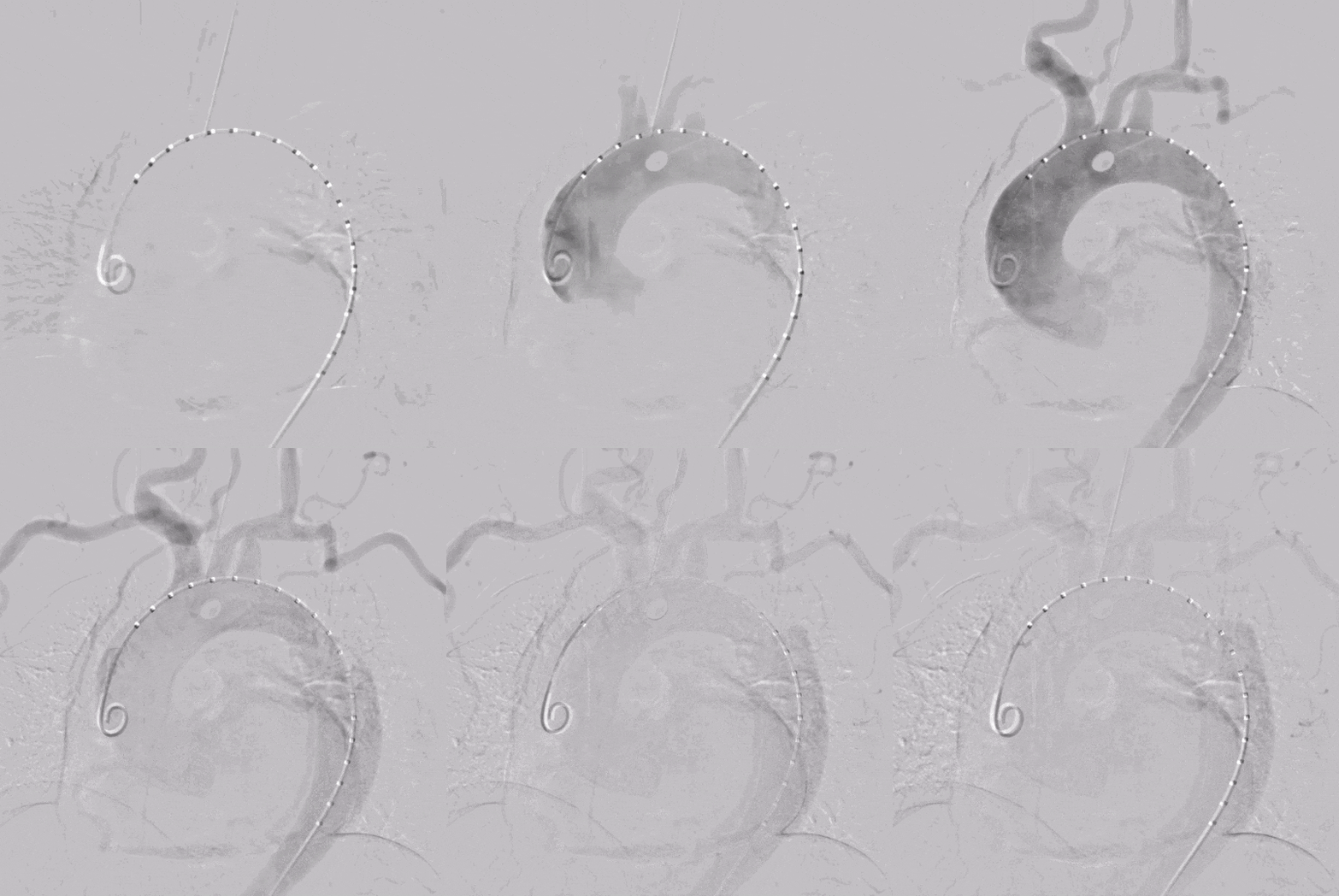
Preoperative Angiography LAO
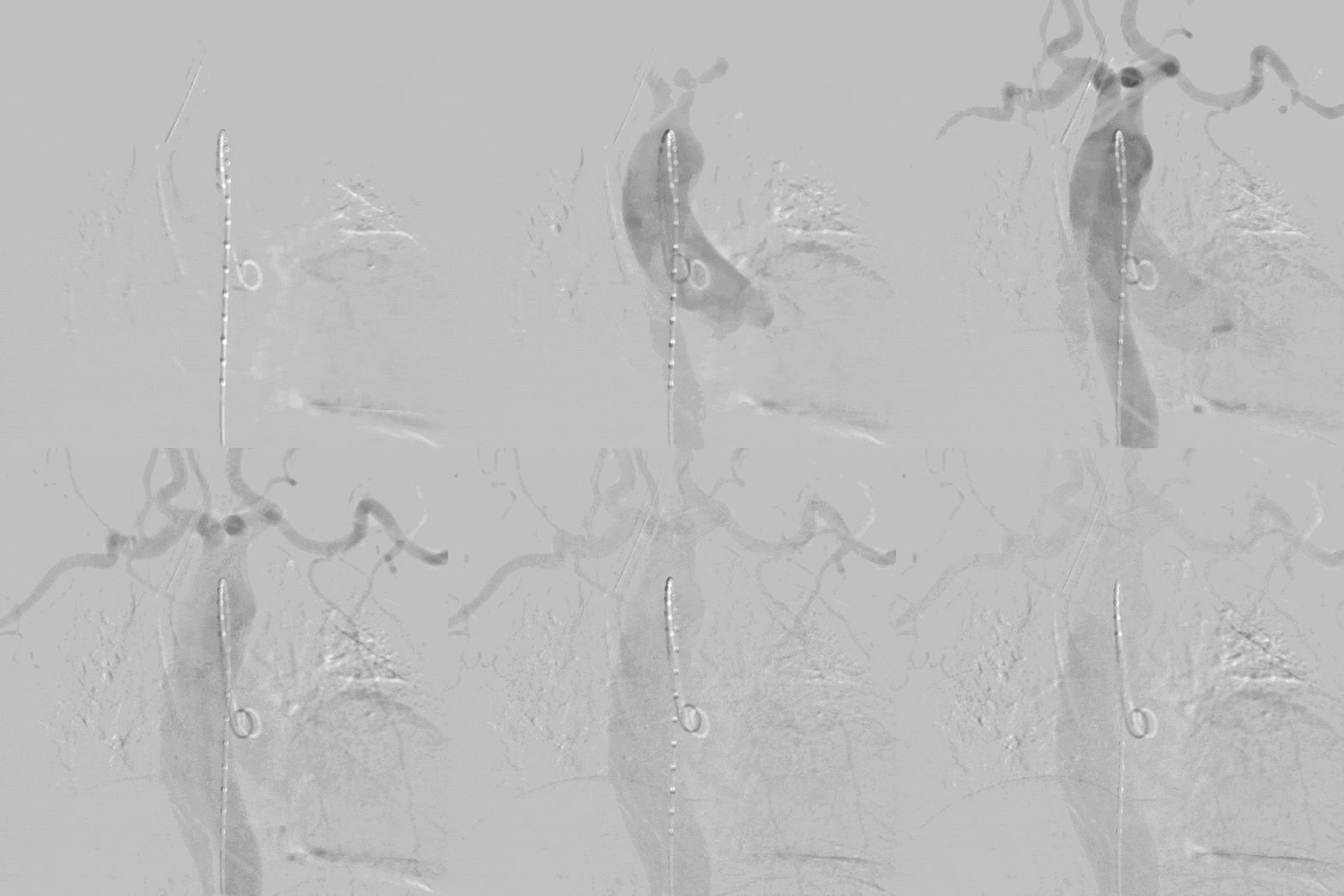
Preoperative Angiography RAO
02. Right Femoral Artery Replaced with Extra-Stiff Guidewire, Percutek Therapeutics' Tianyi Device Inserted®Thoracic aortic stent graft PTBS3026180, the proximal end of the stent is positioned distal to the LCCA opening, and the Percutek stent is released after accurate positioning.
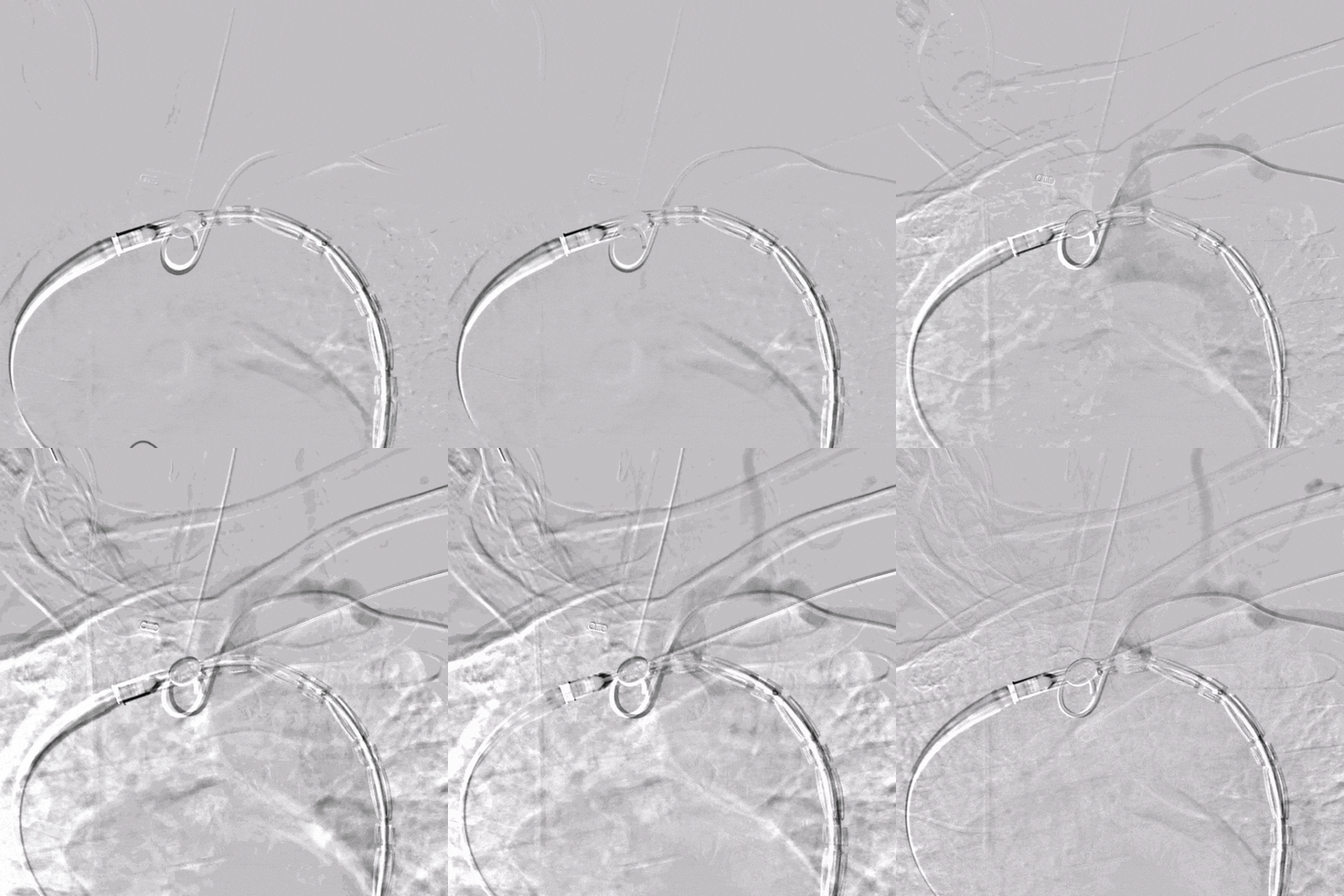
Implantation of Percutek Thoracic Stent
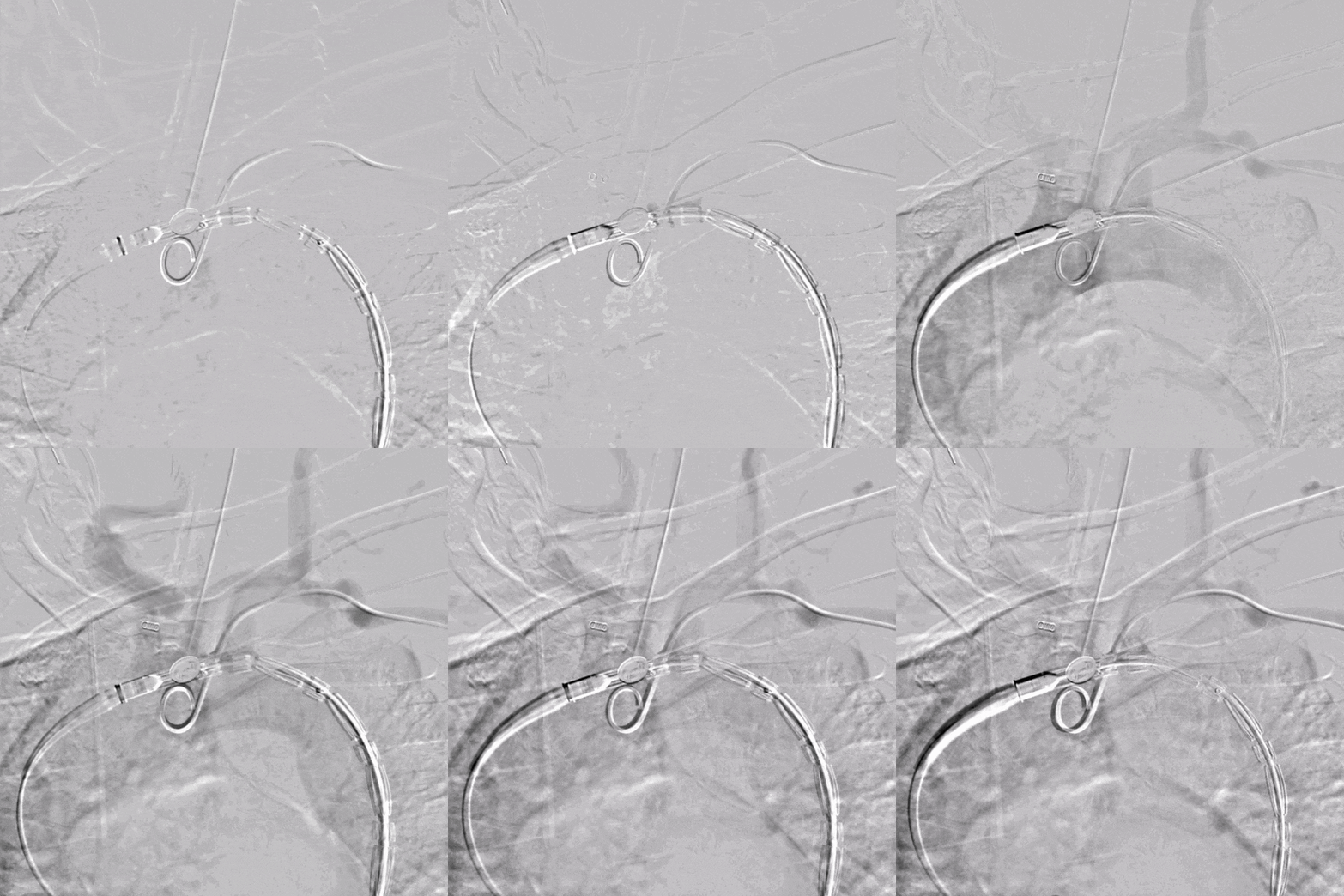
Contrast Localization
03. A single-bend catheter and a Victory 18 guidewire with a tip stiffness of 25g were introduced via the left radial artery. Under biplane fluoroscopy, positioned vertically, the opening of the single-bend catheter was adjusted so that the tip was directly facing the stent graft. The Victory 18 guidewire, in conjunction with the single-bend catheter, successfully punctured the membrane.
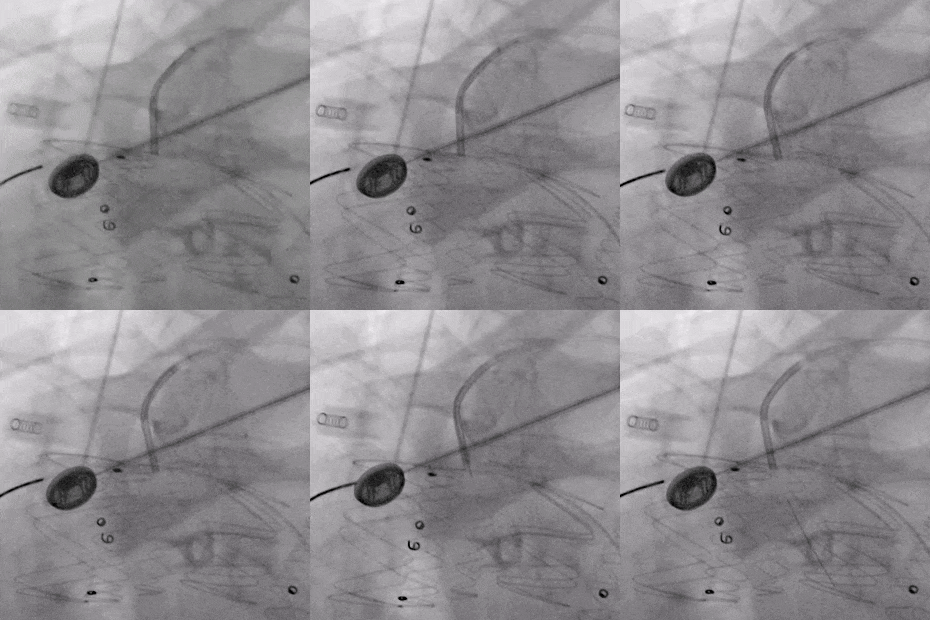
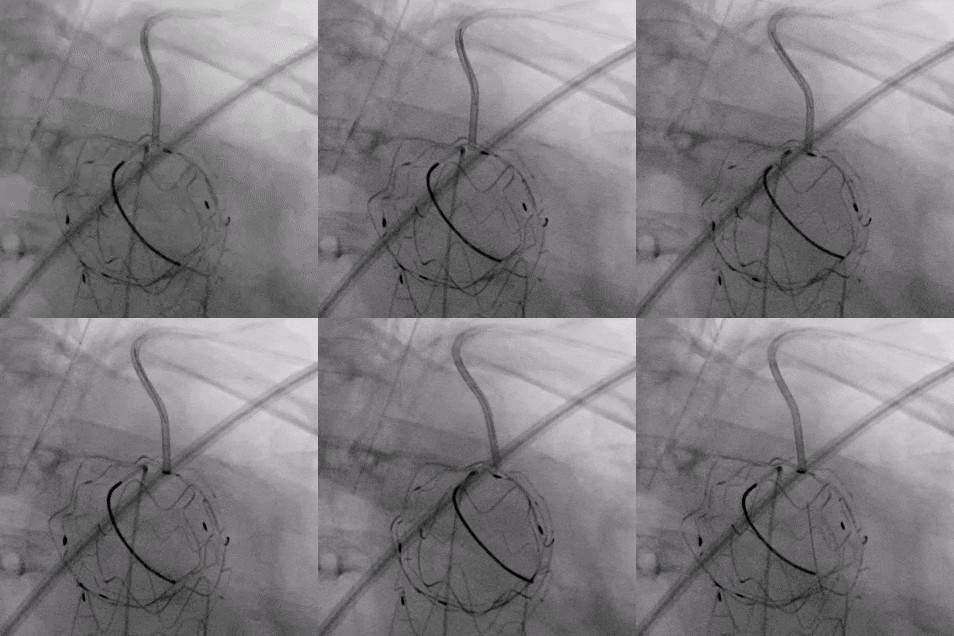
Victory 18 Guidewire Successfully Penetrates Membrane
04. Victory 18 guidewire was advanced to the descending aorta, followed by sequential placement of 3*80mm and 10*40mm balloons to dilate and open the fenestration.
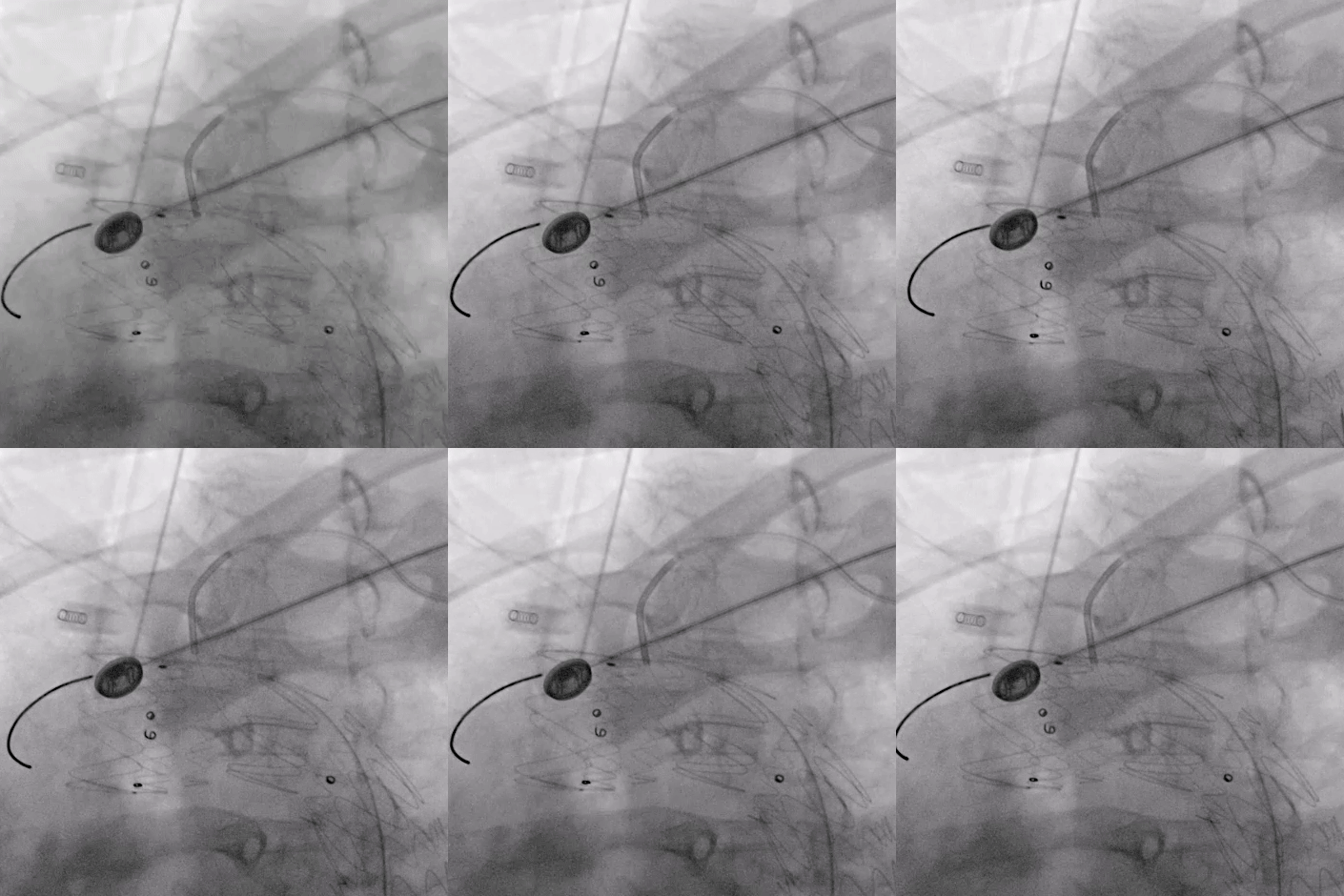
Guidewire tip delivered to the descending aorta
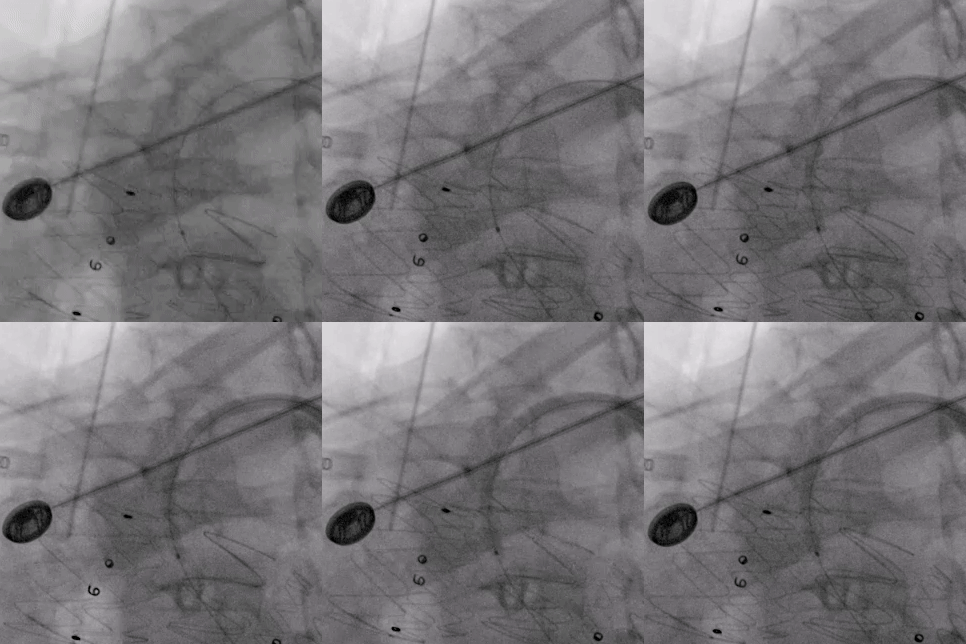
Balloon Dilation Fenestration
05. A 12*40mm self-expanding covered stent was implanted, with the proximal end of the stent protruding approximately 10mm beyond the covered stent. After precise deployment, a 10*40mm balloon was used for post-dilation.
06. A pigtail catheter was introduced into the ascending aorta. Angiography showed that the dissection disappeared, and the left subclavian artery and other arch arteries were well visualized. Abdominal aortic angiography revealed good visualization of all abdominal cavity arteries.
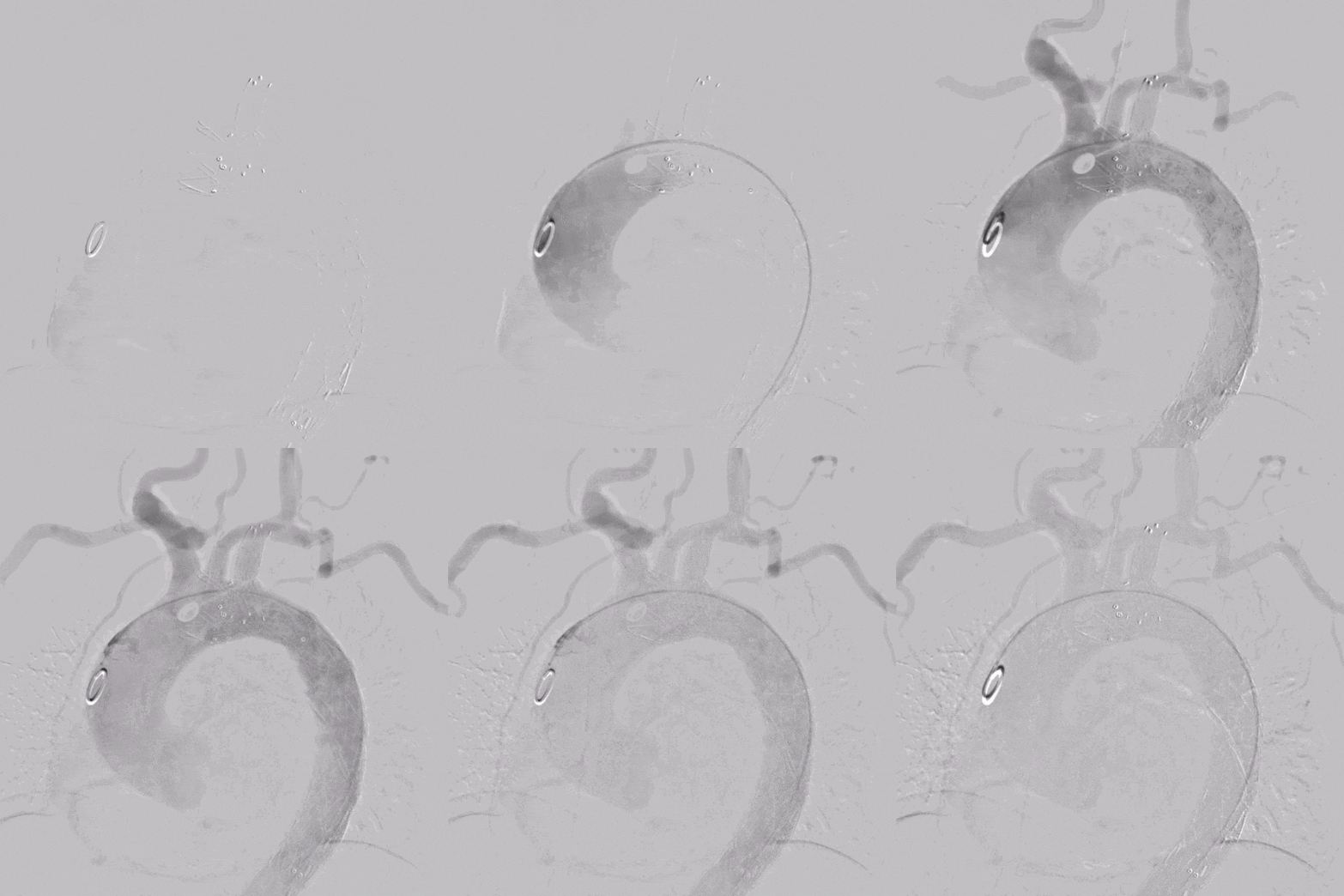
Postoperative Angiography LAO

Postoperative Angiography RAO
07.Withdraw all guidewires, catheters, and sheaths, close the puncture site, apply pressure dressing, and ensure complete hemostasis. Close the incision layer by layer. End of procedure.

Summary of Case Experience
This case presentation involves a patient with Type B aortic dissection, where the dissection retrogradely extended to involve the root of the left subclavian artery (LSA), resulting in a significantly insufficient proximal landing zone. It was necessary to extend the proximal landing zone and reconstruct the LSA. The LSA originates from the posterior wall of the aortic arch, with a large, "volcano-like" orifice, posing challenges for in-situ fenestration angle control during surgery. The true lumen of the dissection is small while the false lumen is large, creating certain difficulties in establishing an aortic access route. Additionally, the thoracic aorta has a significant torsion angle and a tortuous course, demanding high stability, deliverability, and flexibility from the thoracic aortic stent graft delivery system. At the same time, the stent graft must possess excellent sealing ability, conformability, apposition, and minimal elastic recoil.
Professor Zhang Lei's team prioritized the use of Percutek Therapeutics' thoracic aortic stent in this case, completing the fenestration operation effortlessly with only the Victory 18 guidewire, efficiently achieving supra-arch reconstruction of the LSA. The thoracic aortic stent graft from Percutek Therapeutics demonstrated precise proximal positioning capability, with its fenestrated design offering both ease of penetration and expansion. Combined with the Victory 18 guidewire, fenestration was rapidly achieved, and the balloon dilation process was simple, safe, and reliable. After stent implantation, the morphology was ideal, with significant lesion sealing and no endoleak, demonstrating clear treatment efficacy and good patient prognosis. Ultimately, the supra-arch reconstruction outcome fully met preoperative planning expectations.

Expert Introduction


Professor Zhang Lei
Chief Physician and Director of the Vascular Surgery Department at the First Hospital of Hebei Medical University, Master's Supervisor, proficient in various vascular surgery operations and endovascular treatment techniques. Since 1997, he has been engaged in vascular surgery under the tutelage of Academician Zhonggao Wang, one of the founding figures of vascular surgery in China. During his career, he has visited and studied at several renowned institutions such as the Vascular Intervention Department at Leipzig University Garten Hospital in Germany, the Cardiothoracic Surgery Department at Taiwan Veterans General Hospital, and Beijing Anzhen Hospital. He was the first to introduce interventional treatments for iliac vein diseases, endovascular treatments for aortic lesions involving important branches, and interventional treatments for chronic thromboembolic pulmonary hypertension in Hebei Province. Under his leadership, the department has pioneered advanced techniques including day surgeries for varicose veins of the lower extremities, interventional treatments for portal hypertensive gastrointestinal bleeding, and integrated comprehensive treatments for diabetic foot, placing these procedures at the forefront of their field within China.
Current Positions: Vice Chairman of Hebei Vascular Health and Technology Association, Chairman of the Hemorrhagic Emergency Committee of Hebei Vascular Health and Technology Association, Vice Chairman of the Vascular Surgery Branch of Hebei Medical Association, Vice Chairman of the Vascular Surgery Branch of Hebei Physician Association, Vice Chairman of the Hemorrhagic Emergency Committee of the Vascular Surgery Branch of the Asia-Pacific Vascular Union, Vice Chairman of the Thrombosis Prevention and Control Committee of the Vascular Surgery Branch of the Chinese Society of Microcirculation, Editorial Board Member of "Vascular and Endovascular Surgery".

Department Introduction
Department of Vascular Surgery, First Hospital of Hebei Medical University
The Department of Vascular Surgery at the First Hospital of Hebei Medical University was independently established as a separate department from General Surgery in August 2013. In May 2014, Director Zhang Lei transferred to the Department of Vascular Surgery at the First Hospital of Hebei Medical University. Initially, the department focused on venous diseases and diabetic foot, carrying out numerous interventional treatments for patients with iliac vein compression and post-thrombotic syndrome, with an annual surgical volume exceeding 1,000 cases. In 2015, under the initiative and leadership of Professor Zhao Zengren, the Hebei Vascular Health and Technology Association was established, and the same year, the Vascular Surgery Branch of the Hebei Medical Association was founded. In 2018, the Hebei Critical Vascular Disease Alliance was formed under the Hebei Vascular Health and Technology Association, introducing TIPS technology for treating gastrointestinal bleeding due to cirrhosis, as well as endovascular and hybrid surgeries for various aortic aneurysms and aortic dissections. In October 2023, the first Minimally Invasive Treatment Center for Varicose Veins in China was established domestically. By 2024, the annual surgical volume of the Department of Vascular Surgery at the First Hospital of Hebei Medical University reached over 4,500 cases, including more than 2,000 minimally invasive treatments for varicose veins and 250 endovascular interventions for various aortic conditions.


END
Copyright Statement: This platform aims to help healthcare professionals better understand the latest developments in relevant disease areas. The information published on this platform does not imply agreement with its descriptions or viewpoints; it is only intended to provide more information. If there are any copyright issues, we kindly request the rights holders to contact us, and we will address them as soon as possible. This information is solely for healthcare professionals to stay informed and should not replace professional medical guidance in any way, nor should it be considered as medical advice. If such information is used for purposes other than staying informed, this platform and its authors shall not bear any related responsibility.Contact Email for Cooperation:vascular@edoctor.work。