

ACC.25 | TAVR Titans Clash: Medtronic and Edwards Unveil Groundbreaking Data in Valve Revolution

Medtronic
Medical Device Manufacturer
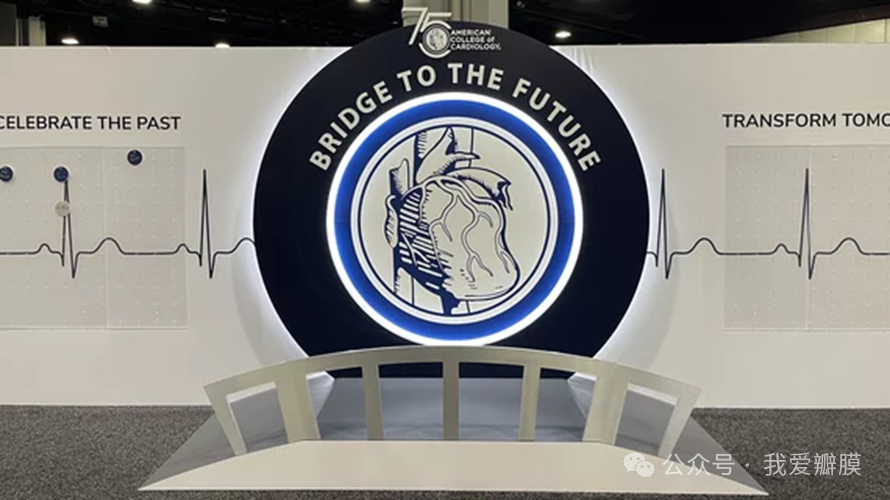
1. ACC.25 Focuses on TAVR: The Annual Feast for Global Cardiovascular Doctors
As the heavyweight annual meeting marking the 75th anniversary of the American College of Cardiology (ACC), ACC.25 will kick off in Chicago from March 29 to 31, 2025. This grand event, gathering thousands of cardiovascular experts worldwide, will focus on intense discussions around Transcatheter Aortic Valve Replacement (TAVR). As the two leading forces in the TAVR field, Medtronic and Edwards Lifesciences will respectively present the latest data from pivotal clinical trials, guiding the future direction of the industry.
1.1 Medtronic: Evolut Low-Risk Trial Five-Year Data Reshapes Understanding
Medtronic's Core Highlight at ACC.25: Five-Year Update of the Evolut Low-Risk Trial The trial compares the long-term outcomes of the Evolut self-expanding valve with surgical aortic valve replacement (SAVR) in low-risk aortic stenosis (AS) patients. Previous four-year data has confirmed the safety and cost-effectiveness of TAVR, while the five-year results will further validate its durability advantages. Key data highlights include: 1. A 26% reduction in all-cause mortality or disabling stroke in the TAVR group compared to the SAVR group; 2. A bioprosthetic valve dysfunction (BVD) rate of only 7.8%, significantly lower than SAVR’s 14.2%; 3. Sustained superior hemodynamic performance over surgery, with further improvements in paravalvular leakage and pacemaker implantation rates. Kendra Grubb, Vice President of Medtronic’s Structural Heart business, emphasized: “The innovative design of the Evolut platform, supported by global real-world data, continues to demonstrate its leadership in improving patient outcomes.”

1.2 Edwards Lifesciences: Early TAVR Sub-analysis and Biomarker Breakthrough
Edward to Release Three Key Studies at ACC.25: Early TAVR Sub-analysis and Biomarker Research Draw Significant Attention
2. The Future of TAVR: A Paradigm Shift from Treatment to Prevention
In the symposium "The Future of TAVR," experts will discuss three major trends, outlining a blueprint for the future development of TAVR.
2.1 Indication Expansion: From Symptomatic to Asymptomatic, Moderate AS
Traditionally, TAVR has mainly been used for symptomatic severe AS patients. However, with the advancement of technology and the accumulation of clinical evidence, its indications are continuously expanding. The EARLY TAVR trial confirmed that early TAVR intervention in asymptomatic severe AS patients can reduce the risk of unplanned heart failure hospitalization by 42%, providing key evidence for early intervention. Meanwhile, the PROGRESS and EXPAND TAVR II trials focus on moderate AS patients, with preliminary results showing that TAVR can improve cardiac function and quality of life. If these trials ultimately succeed, TAVR will evolve from a "life-saving treatment" to a "preventive intervention," bringing hope to more early-stage patients.
2.2 Technological Iteration: More Precise, Less Invasive
Next-Generation Valve Technology is Leading TAVR Towards Greater Precision and Minimally Invasive Procedures. Edwards' Centera retrievable valve, with its unique retrievable design and electric release handle, increases valve positioning accuracy by 30% and reduces procedure time by 20 minutes. Medtronic’s Evolut FX, by optimizing the delivery system, decreases tracking force by 50% and reduces the incidence of paravalvular leakage to less than 1%. Additionally, cutting-edge technologies such as smart valves and 3D-printed valves are under development, which are expected to further enhance surgical outcomes and patient prognosis.
2.3 Global Accessibility and Equity
Although TAVR has been widely used in Europe and the United States, its penetration rate remains relatively low in regions such as Asia and Africa. As an emerging force in TAVR innovation, China has seen the approval and market launch of retrievable valves like VenusA-Plus by Qiming Medical and VitaFlow Liberty by MicroPort, driving rapid growth in domestic surgical procedures. However, issues such as insufficient medical insurance coverage and a lack of technical training still hinder the widespread adoption of TAVR. The conference will explore how to enable more patients to benefit from TAVR through international cooperation, optimization of medical insurance policies, and technical training.
3. Industry Outlook: Who Will Dominate the New Era of TAVR?
Medtronic and Edwards’ competition has extended from product performance to data barriers and indication expansion. Medtronic, with the long-term follow-up advantage of the Evolut platform, strengthens its position in low-risk patients; Edwards takes the lead in preventive medicine through early intervention studies and biomarker strategies.
Notably, companies like Boston Scientific and Abbott are also accelerating innovation. For instance, Abbott's Navitor system achieved a zero percent paravalvular leak rate within 30 days. The future TAVR market will exhibit a "multi-power rivalry" landscape, with the ultimate beneficiaries being more patients — from nonagenarians to younger, low-risk groups — all of whom will have access to safer and more efficient treatment options.
The TAVR data from ACC.25 represents not only a technological triumph but also a revolutionary shift in medical philosophy. As minimally invasive treatments become mainstream and preventive medicine takes center stage, the diagnosis and treatment of cardiovascular diseases are undergoing a quiet revolution. Let us wait and see how this conference will reshape the future of valvular heart disease treatment!