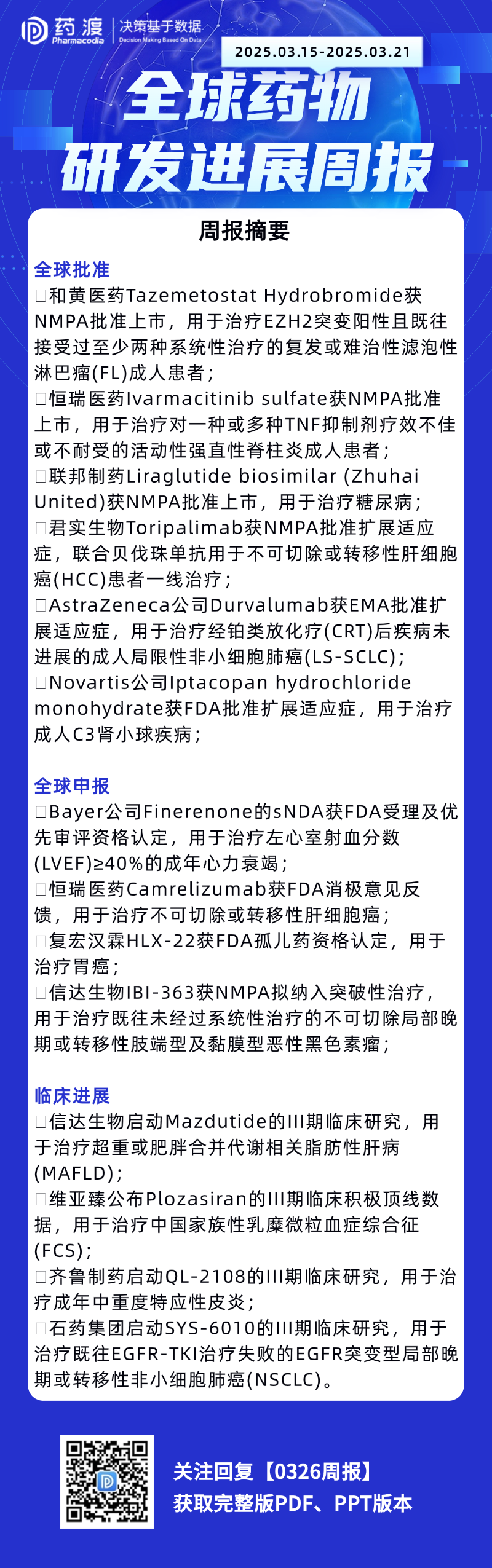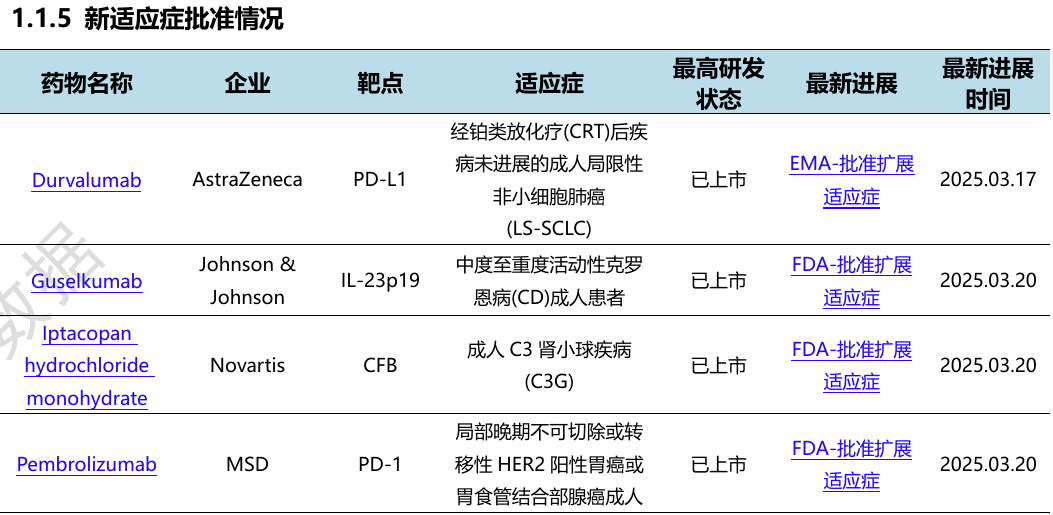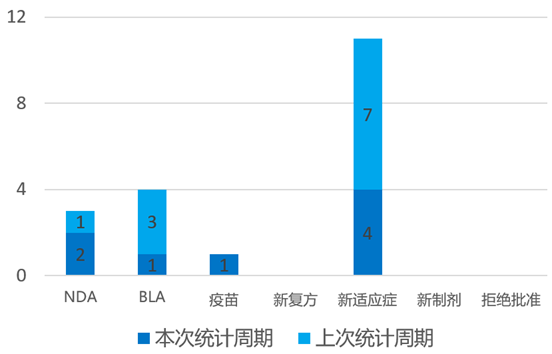
Global Drug Approvals/R&D UpdatesGlobal New Drug ApprovalsAccording to the statistical analysis by PharmaDJ, during this statistical period (March 15-21, 2025), a total of 7 new drugs were approved for marketing globally (excluding China). Among them, there was 1 NDA approval, 5 new indication approvals, and 1 new formulation approval. Compared with the previous statistical period, this cycle saw an increase of 6 newly approved drugs.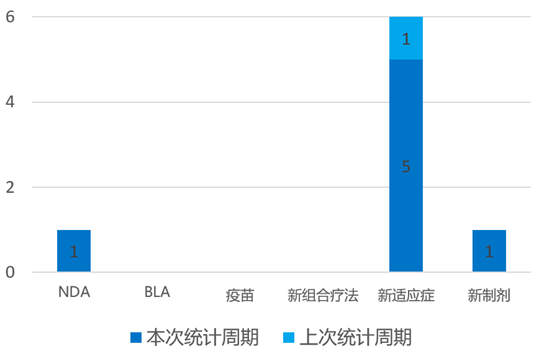 3On the 19th, AstraZeneca announced that its key immunotherapy drug Imfinzi (Durvalumab) has been approved by the European Commission as a monotherapy for the treatment of adult patients with limited-stage small cell lung cancer (LS-SCLC) whose condition did not progress after receiving platinum-based chemoradiotherapy (CRT). Clinical trial results showed that, compared with placebo, Imfinzi reduced the risk of death by 27%, with an estimated overall survival (OS) of 55.9 months in the Imfinzi group. It also reduced the risk of disease progression or death by 24%, with a median progression-free survival (PFS) of 16.6 months, and an estimated 46% of patients in the Imfinzi group were free from disease progression at two years.On March 20, the FDA announced the full approval of MSD's重磅 PD-1 inhibitor Keytruda (Pembrolizumab) in combination with trastuzumab, fluoropyrimidine, and platinum-based chemotherapy for the first-line treatment of adult patients with locally advanced unresectable or metastatic HER2-positive gastric cancer or gastroesophageal junction adenocarcinoma. Studies have shown that in patients with PD-L1 CPS≥1, the median PFS in the Keytruda group was 10.9 months, the median OS in the Keytruda group and the control group were 20.1 months and 15.7 months respectively, ORR were 73% and 58%, and the median DOR were 11.3 months and 9.6 months respectively. The adverse event profile of patients receiving Keytruda was consistent with the known safety profile of Keytruda.
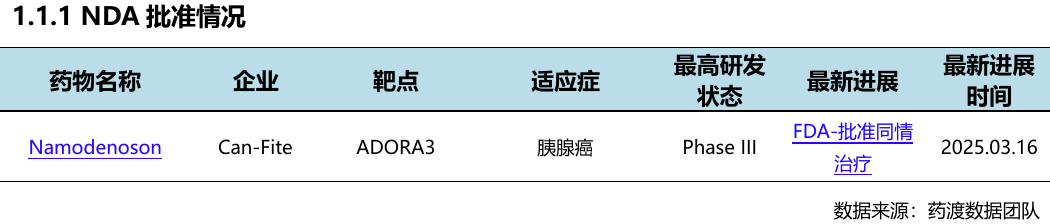
Global (Excluding China) New Drug Approvals (Partial)
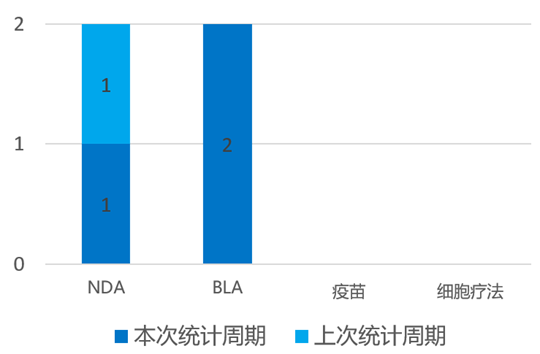
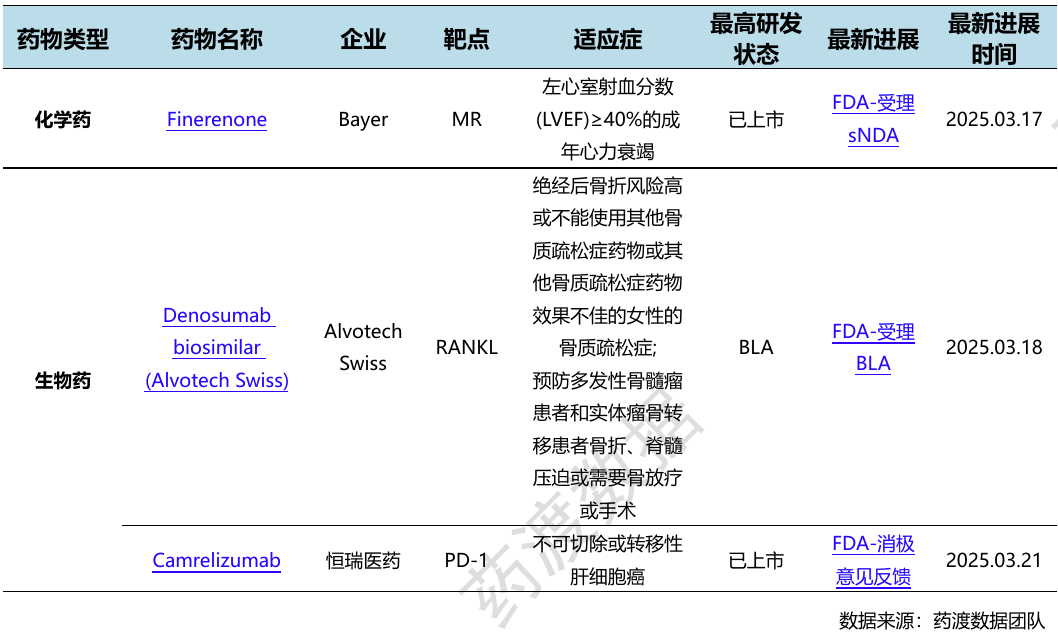
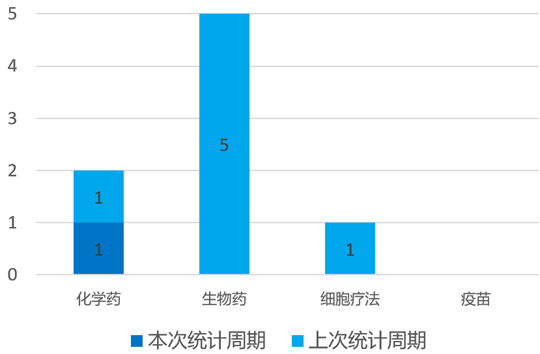
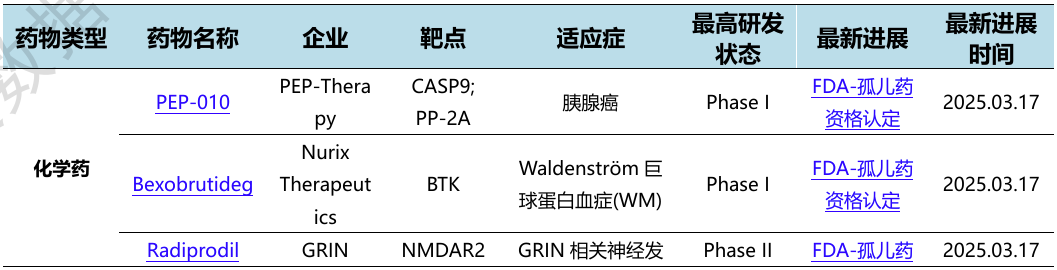
Global New Drug Submission ProgressAccording to the PharmSnap data analysis, during this statistical period (March 15-21, 2025), there were 3 new drug applications for marketing approval globally (excluding China). Among them, there was 1 NDA submission and 2 BLA submissions. Compared with the previous statistical period, this cycle saw an increase of 2 NDA/BLA submissions.。3On the 21st, Bayer announced that the FDA had accepted its sNDA and granted priority review status to Finerenone for the treatment of adult heart failure (HF) patients with left ventricular ejection fraction (LVEF) ≥40%, namely those with mildly reduced LVEF (HFmrEF) or preserved LVEF (HFpEF). Finerenone has demonstrated cardiovascular benefits for HF patients with LVEF ≥40% in the Phase III FINEARTS-HF study.According to the PharmaDJ data analysis, during this statistical period (March 15-21, 2025), a total of 9 drugs worldwide (excluding China) received special regulatory designations. Among them, there were 4 chemical drugs, 4 biologics, and 1 cell therapy. Compared with the previous statistical period, this time saw an increase of 8 drugs receiving special regulatory designations.3On the 17th, Nurix announced that the FDA has granted Bexobrutide orphan drug designation for the treatment of Waldenström's macroglobulinemia (WM). Waldenström's macroglobulinemia (WM) is a rare, slow-growing non-Hodgkin lymphoma that can cause anemia, bleeding, and impaired immune function, while elevated IgM levels may lead to neurological symptoms. Bexobrutide is an orally bioavailable, brain-penetrant BTK degrader. In the ongoing Phase Ia/b clinical trial in adults with relapsed or refractory B-cell malignancies, it has shown early promise of clinical benefit and the potential for durable outcomes.On March 19, Henlius announced that its innovative anti-HER2 monoclonal antibody HLX22 received orphan drug designation from the FDA for the treatment of gastric cancer. The Phase II clinical study results of HLX22 combined with Hanquyou® for HER2-positive gastric cancer showed that adding HLX22 to the combination of Hanquyou® and chemotherapy could improve survival and anti-tumor response in first-line treatment for HER2-positive G/GEJ cancer patients, with controllable safety. It is expected to reshape the first-line standard treatment for advanced gastric cancer. Following HER2-positive gastric cancer, the therapeutic scope of HLX22 has gradually expanded to the field of breast cancer, potentially offering new treatment options for more cancer patients.Global Drugs Granted Special Status by Regulatory Authorities (Partial)
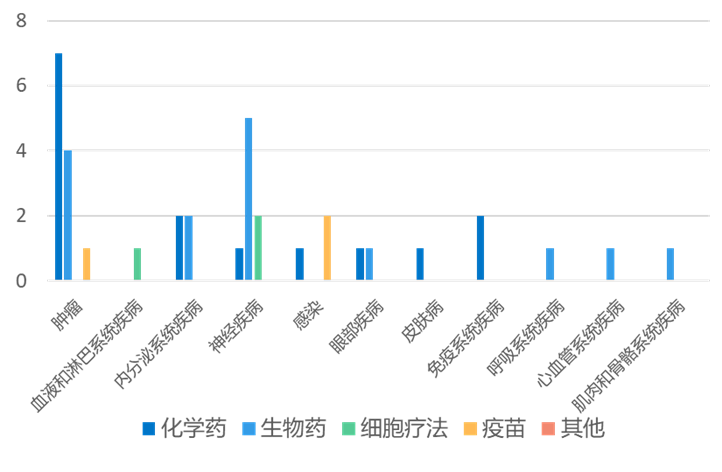
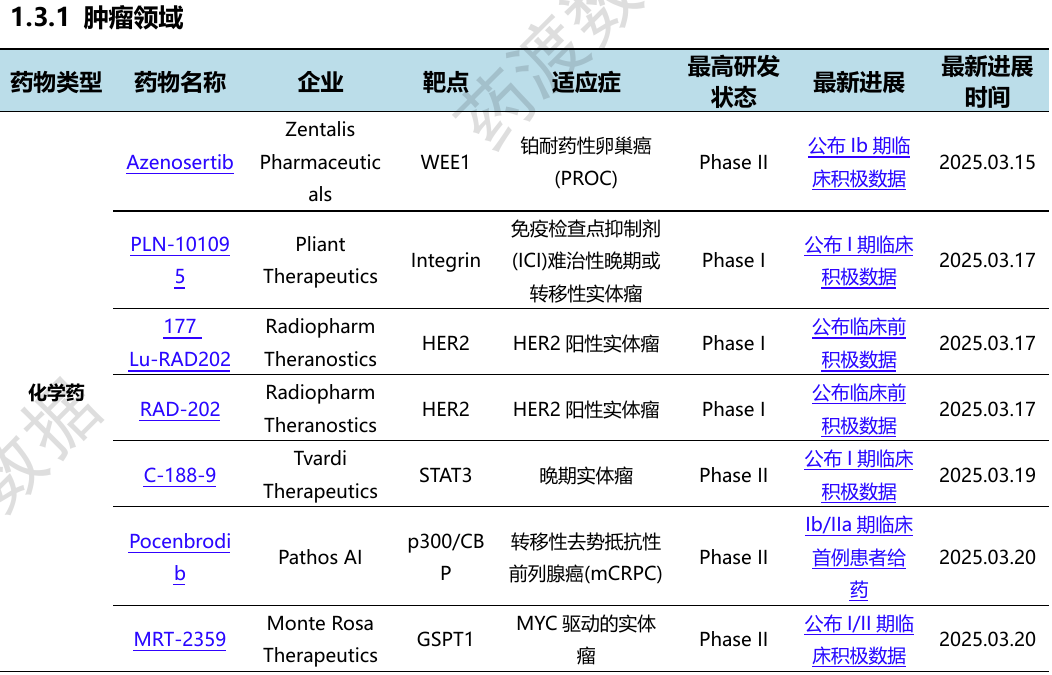
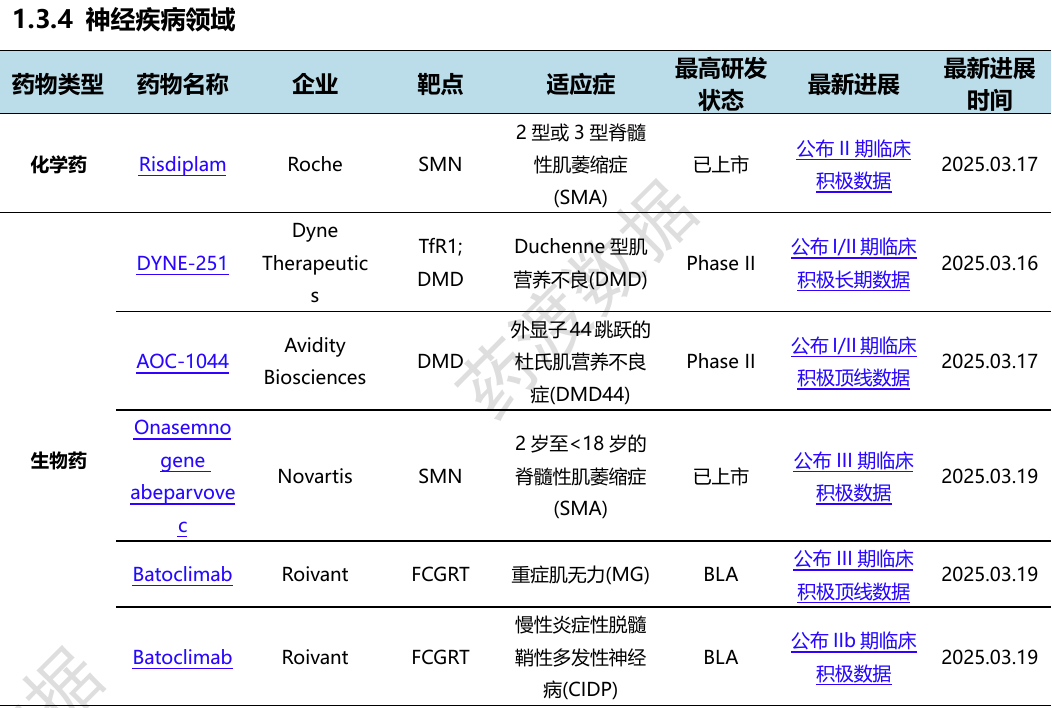
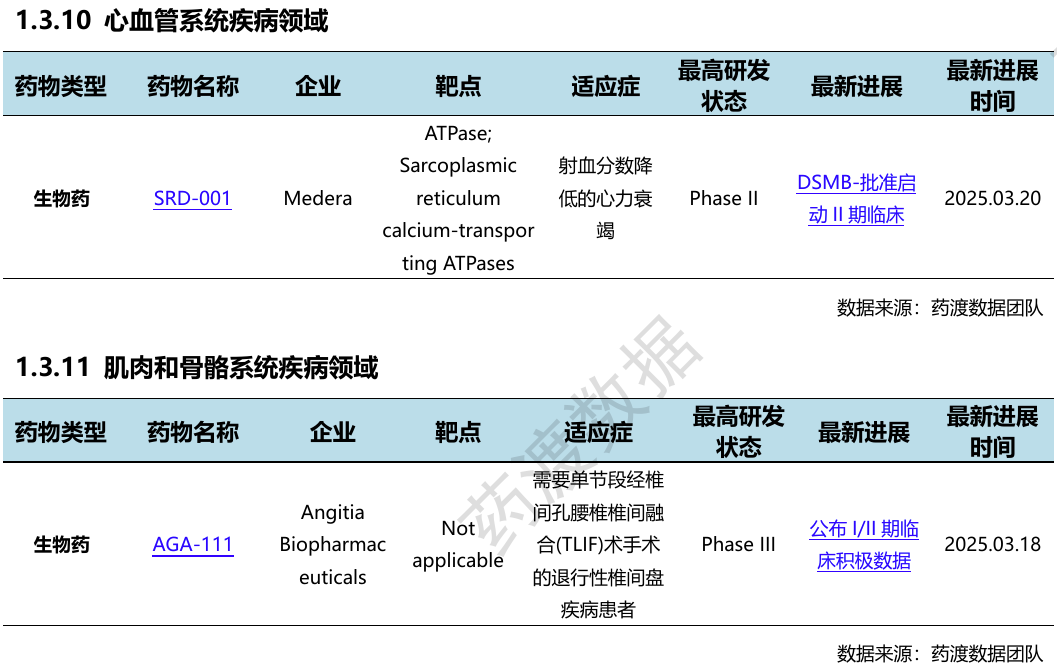
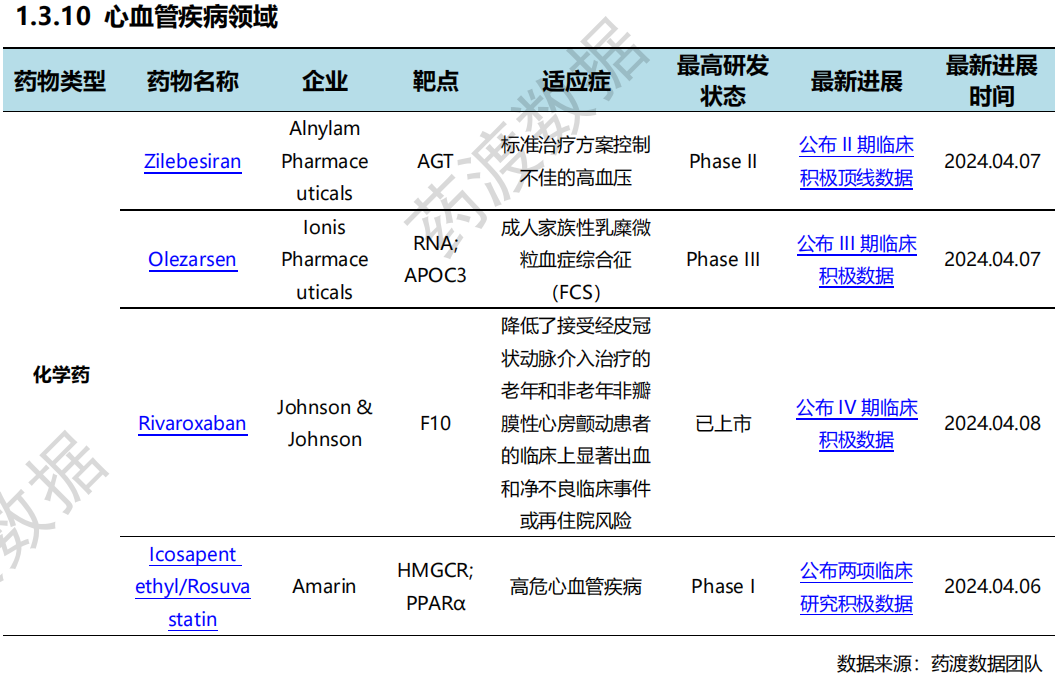
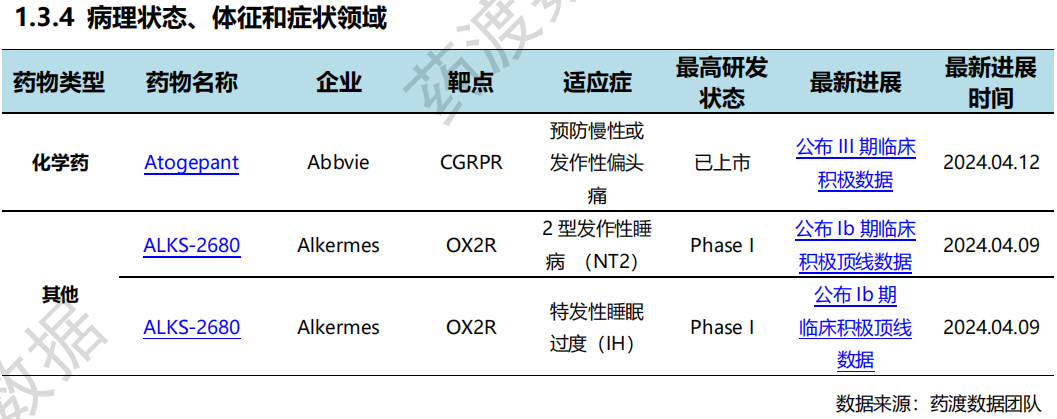
Global New Drug Development ProgressAccording to the statistical analysis by PharmaDJ, during this statistical period (March 15-21, 2025), there were a total of 36 updates on the clinical R&D status of new drugs globally (excluding China), covering 11 fields including oncology, infectious diseases, dermatology, and cardiovascular diseases.Among them, the clinical progress updates in the infectious disease field ranked first among all fields, with 12 entries, including 7 for chemical drugs, 4 for biologics, and 1 for vaccines.On March 19, AstraZeneca announced at the 2025 SGO Annual Meeting the latest results from the Phase I/IIa study of its investigational B7-H4-targeted antibody-drug conjugate Puxitatug Samrotecan for the treatment of patients with advanced or metastatic endometrial cancer. Among evaluable patients, the ORR was 34.6% in the 26 patients receiving the 2.0mg/kg dose and 38.5% in the 26 patients receiving the 2.4mg/kg dose; the corresponding 12-week disease control rates were 80.8% and 84.6%, respectively. At a median follow-up of approximately four months, the median progression-free survival was 7.0 months for both the 2.0mg/kg group and the 2.4mg/kg group.On March 21, Monte Rosa Therapeutics announced clinical trial results showing that MRT-2359, a molecular glue degrader targeting GSPT1, demonstrated anticancer activity in patients with castration-resistant prostate cancer (CRPC) resistant to androgen receptor (AR)-targeted therapies. Among three CRPC patients treated with a combination of MRT-2359 and Enzalutamide, one patient achieved a confirmed partial response (57% tumor reduction), and the other two patients had stable disease.Global New Drug Development Progress Details (Partial)
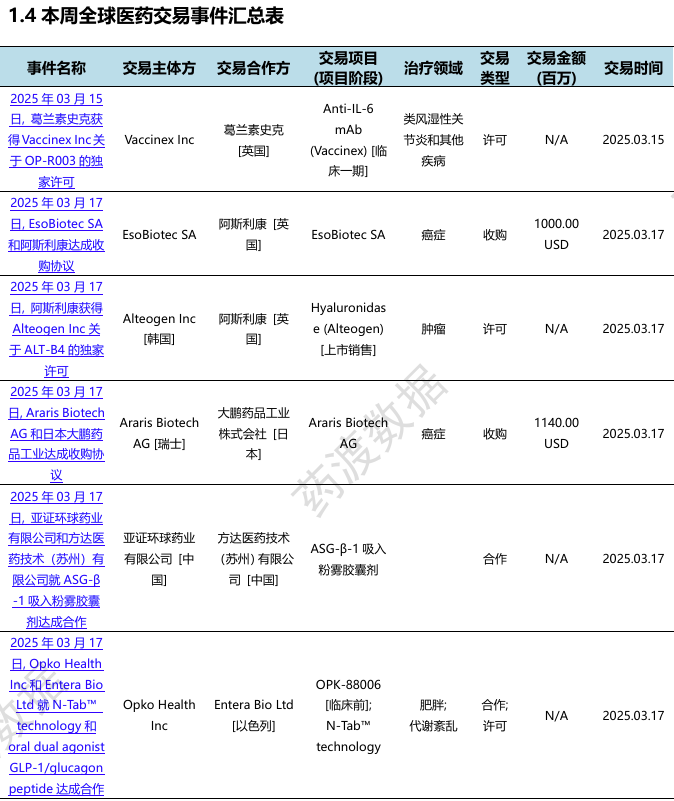
Global Pharmaceutical Transaction EventsThis statistical cycle(2025.03.15-03.21)There were a total of 29 pharmaceutical transaction events globally (including China), involving drug rights transfers, company acquisitions, and more.
Summary Table of Global Pharmaceutical Transaction Times (Partial)
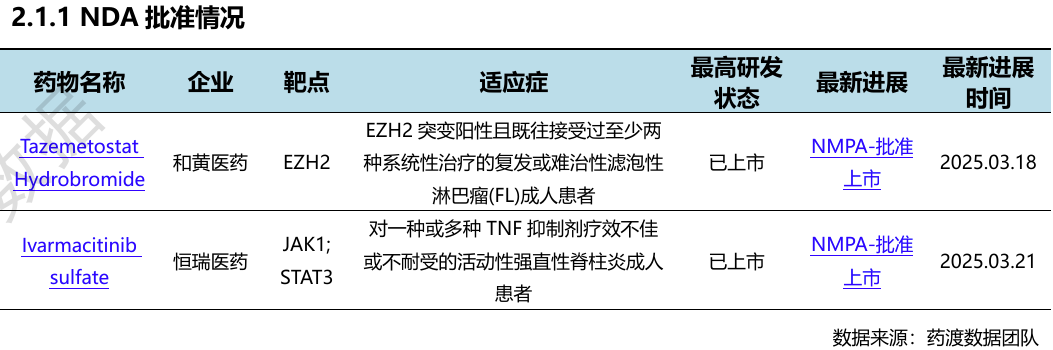
Drug Approval/Development Updates in ChinaNew Drug Approvals in ChinaAccording to the statistical analysis by PharmaDJ, the current statistical period (2025.03.15-03.21)A total of 8 new drugs were approved for marketing by the NMPA in China, including 2 NDA approvals, 1 BLA approval, and 4 new indication approvals. Compared with the previous statistical cycle, there are 3 fewer NMPA-approved new drugs this time.3On the 21st, the NMPA official website announced that the marketing application for Hengrui Medicine's Class 1 new drug, Ivarmacitinib Sulfate Tablets, has been approved. This drug is indicated for adult patients with active ankylosing spondylitis who have had an inadequate response or intolerance to one or more TNF inhibitors. Clinical research data show that at week 12 of treatment, the ASAS20 response rate was 48.7% in the 4mg Ivarmacitinib group. Compared with placebo, the 4mg Ivarmacitinib group also showed significant improvement in ASAS40 (32.1% vs 18.3%) and ASAS5/6 responses (42.8% vs 15.6%).On March 21, the latest announcement on the NMPA website showed that the new indication application for Toripalimab Injection, an anti-PD-1 antibody developed by Junshi Biosciences, has been approved. The indication is for first-line treatment in combination with Bevacizumab for patients with unresectable or metastatic hepatocellular carcinoma (HCC). Compared with standard treatment, Toripalimab in combination with Bevacizumab significantly prolonged PFS and OS; the median PFS for the two groups were 5.8 vs 4.0 months, reducing the risk of disease progression or death by 31%; the median OS for the two groups were 20.0 vs 14.5 months, reducing the risk of death by 24%; the objective response rate in the Toripalimab plus Bevacizumab group was significantly higher than that in the control group, being 25.3% vs 6.1%, respectively, and the safety profile was good.New Drug Approvals in China (Partial)
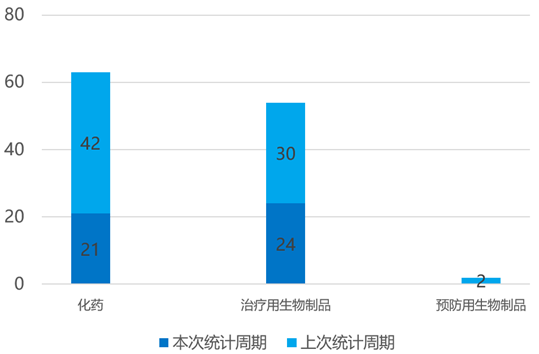
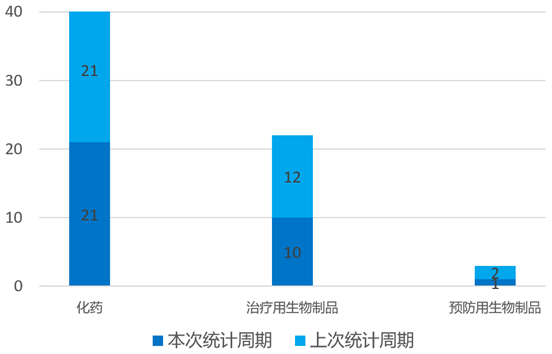
Progress of Implied Consent for Clinical Trials of New Drugs in ChinaAccording to the statistical analysis by PharmaDJ, the current statistical period (2025.03.15-03.21)) A total of 45 new drugs received clinical tacit approval in China, involving 77 application numbers.Of these, there are 21 chemical drugs and 24 therapeutic biological products.Compared with the last statistical cycle, this time there was a reduction of 40 clinical tacit approval acceptance numbers.
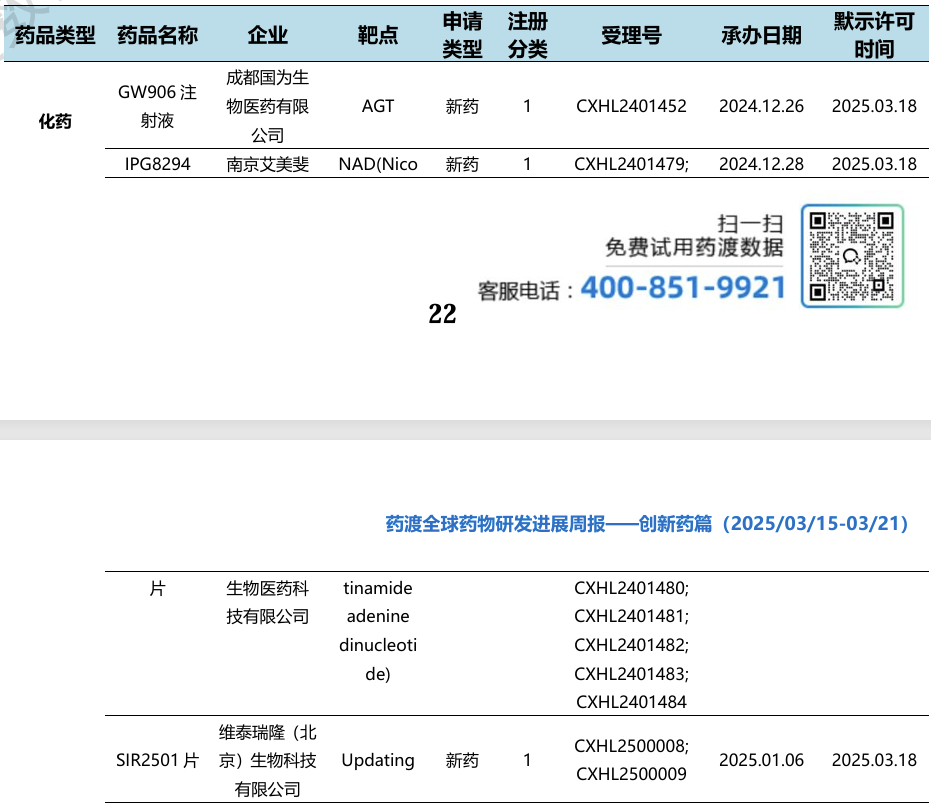
This Week's Progress on Clinical Trial Approvals for New Drugs in China (Partial)
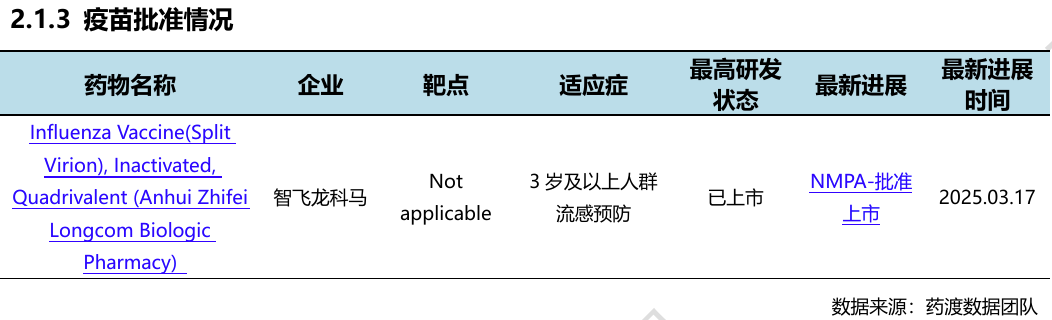
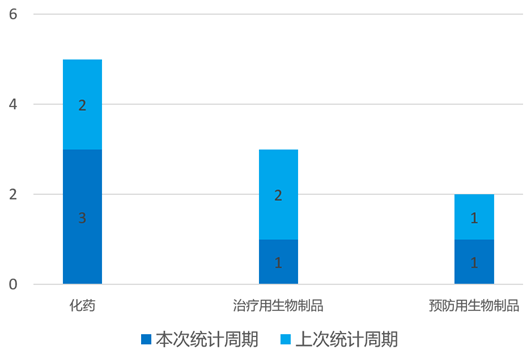
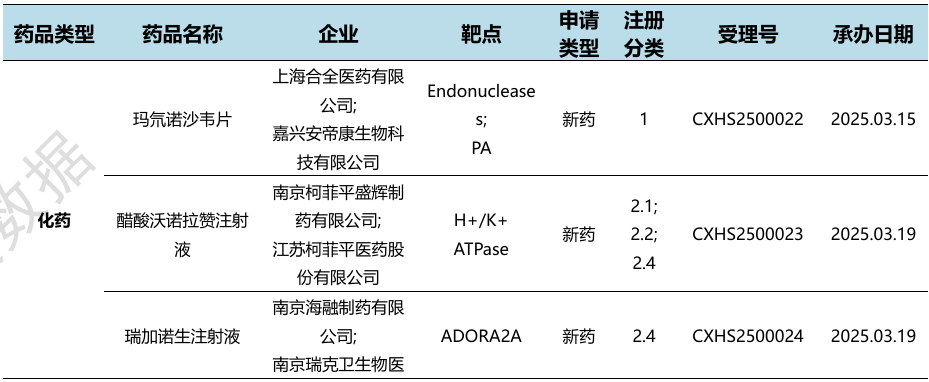
Progress of New Drug Applications in ChinaAccording to the PharmCube data analysis, during this statistical period (March 15-21, 2025), there were 5 new drug marketing applications in China, involving 6 acceptance numbers. Among them, there were 3 chemical drugs, 1 therapeutic biologic, and 1 preventive biologic. Compared with the previous statistical period, there was a decrease of 3 acceptance numbers for new drug marketing applications.。
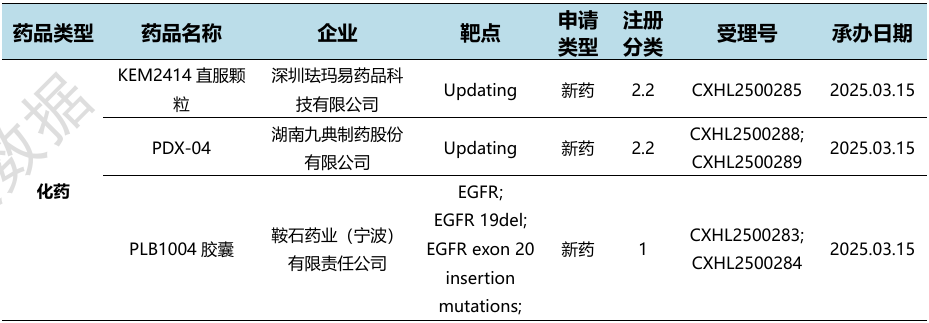
Clinical Launch Status of New Drugs in ChinaAccording to the statistical analysis by PharmaDJ, during this statistical period (March 15-21, 2025), a total of 32 new drug clinical trial applications were filed in China, involving 50 application numbers. Among them, there were 21 chemical drugs, 10 therapeutic biologics, and 1 preventive biologic. Compared with the previous statistical period, the number of accepted clinical trial applications increased by 2.
Clinical Trial Applications for New Drugs in China (Partial)According to the PharmaDJ data analysis, during this statistical period (March 15-21, 2025), a total of 6 drugs in China received special designation from the NMPA, including 1 chemical drug and 5 biologics. Compared with the previous statistical period, there are 3 more drugs that received special designation from the NMPA.。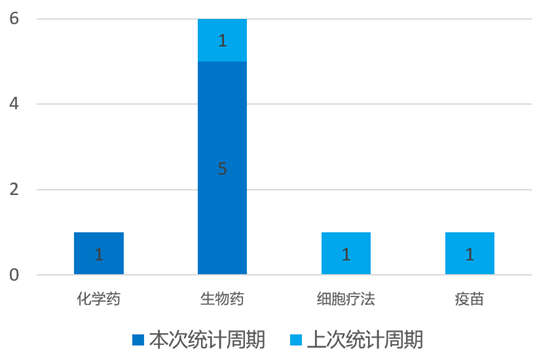
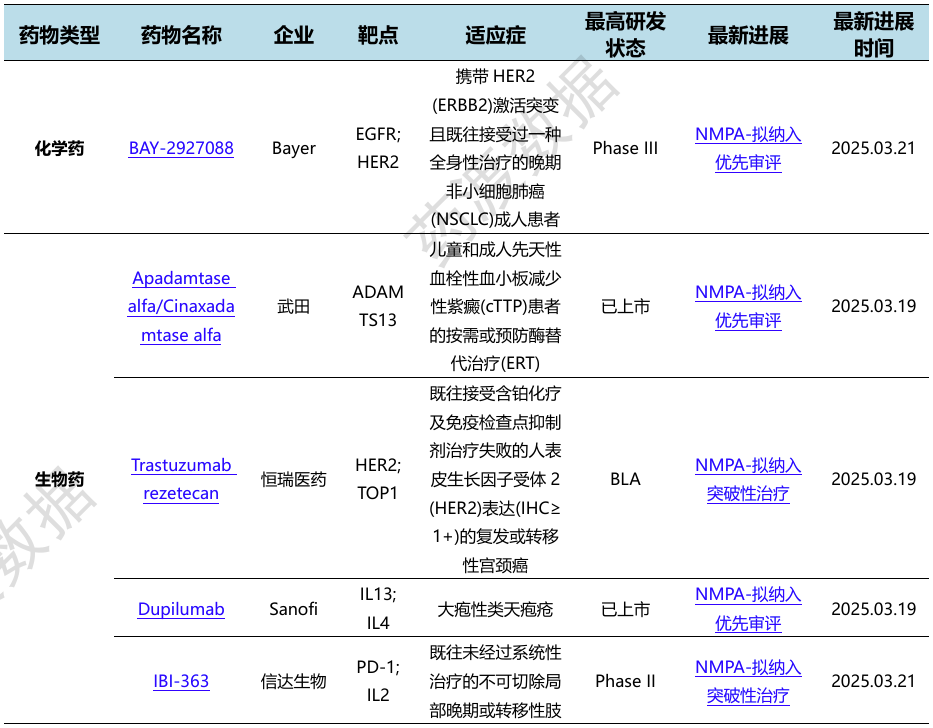
3On the 19th, the CDE website announced that Takeda's application for injectable Apadase Alfa (Adzynma) is proposed to be included in the priority review, applicable for on-demand or prophylactic enzyme replacement therapy (ERT) in pediatric and adult patients with congenital thrombotic thrombocytopenic purpura (cTTP). Clinical results showed that no acute TTP events occurred during Apadase Alfa prophylaxis, while one patient experienced an acute TTP event during standard treatment prophylaxis. After Apadase Alfa treatment, the average maximum ADAMTS13 activity in patients was 101%, compared to 19% after standard treatment. According to the conclusions drawn by the researchers, during Apadase Alfa prophylaxis in congenital TTP patients, ADAMTS13 activity reached approximately 100% of normal levels.
On March 22, the CDE website announced that IBI363, a new drug submitted by Innovent Biologics, is proposed to be included in the breakthrough therapy category for unresectable locally advanced or metastatic acral and mucosal malignant melanoma that has not been previously treated systemically. IBI363 is a PD-1/IL-2α-bias bispecific antibody fusion protein independently developed by Innovent Biologics, with dual functions of blocking the PD-1/PD-L1 pathway and activating the IL-2 pathway. Clinical trial data show that after treatment with IBI363, the overall ORR of patients was 61.5%, and the DCR was 84.6%. With prolonged follow-up, it was observed that IBI363 provided patients with sustained tumor relief, demonstrating long-term benefits that showed potential superior to existing standard treatments, with overall safety being controllable.
Drugs Granted Special Status by NMPA (Partial)
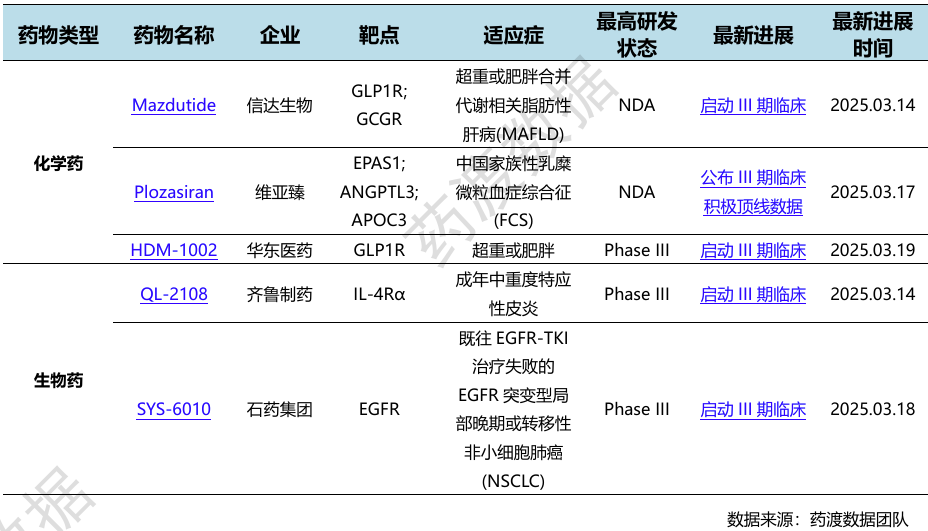
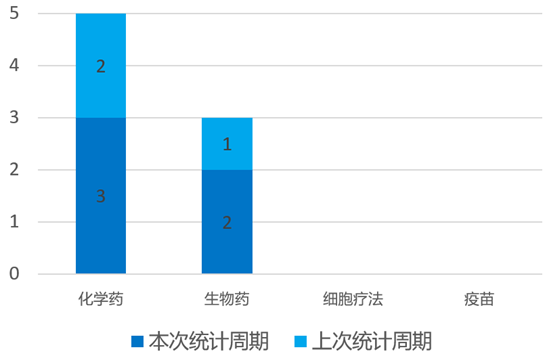
Progress in New Drug Development in ChinaAccording to the PharmaBlock data analysis, during this statistical period (March 15-21, 2025), there were a total of 5 updates on the clinical R&D status of new drugs in China, involving the fields of oncology, endocrine system diseases, and dermatological conditions. Among them, 3 were chemical drugs and 2 were biologics. Compared with the previous statistical period, this time there were 2 additional updates on the clinical R&D status of new drugs in China.
 3On the 17th, Viya Zhen announced positive topline data from the Phase III clinical trial of VSA001 injection in Chinese patients with familial chylomicronemia syndrome (FCS), successfully achieving the primary efficacy endpoint: by the 10th month, FCS patients treated with 25mg and 50mg of VSA001 showed reductions in fasting serum triglyceride levels from baseline of 86% and 89%, respectively, and by the 12th month, the reductions were 72% and 79%, respectively. VSA001 also achieved all key secondary endpoints, including percentage change in fasting serum triglycerides from baseline at months 10 and 12, as well as percentage change in APOC3 levels from baseline at months 10 and 12. Meanwhile, VSA001 demonstrated a favorable safety profile in FCS patients.On March 18, CSPC Pharmaceutical Group initiated the first Phase III clinical trial of SYS6010. SYS6010 demonstrated remarkable potential in earlier studies. It not only inhibited the growth of human tumors carrying various EGFR-activating mutations or high expression of wild-type EGFR in immunodeficient mice in a dose-dependent manner, but also exhibited potent antitumor activity in a humanized NSCLC PDX model with EGFR triple mutations resistant to the third-generation EGFR-TKI osimertinib. Furthermore, toxicology and safety pharmacology studies have confirmed that SYS6010 has good safety and tolerability.Progress in New Drug Development in China
Policy and Regulatory Updates in China's New Drug Development FieldNotice on Publicly Soliciting Opinions on the Chinese Translation of ICH "E6 (R3): Good Clinical Practice Technical Guideline (GCP)" Principles and Annex 1To promote the smooth implementation of the newly revised ICH guidelines in China, our center has organized the translation of "E6 (R3): Good Clinical Practice Technical Guideline for Drug Clinical Trials (GCP)" principles and Annex 1. We now seek public comments on the Chinese translation of the E6 (R3) principles and Annex 1 for a period of 1 month.
Hot News in China's New Drug Development Field"Thousand Mice, Ten Thousand Antibodies" Five Years On: Biocytogen Welcomes Its Breakthrough Moment"CRO companies, especially those engaged in early-stage new drug development, are moving from behind the scenes to the forefront, which will be a trend. The boundaries between CRO and Biotech will become blurred." — Dr. Shen Yulei, Chairman of Biocytogen.In 2019, Dr. Shen Yulei proposed the "Thousand Mice, Ten Thousand Antibodies" plan, aiming to transform Biocytogen from a CRO company mainly providing laboratory animals into a biopharmaceutical enterprise focused on antibody development. The plan was officially launched in 2020. Five years have passed, and in the highly competitive and unpredictable biopharmaceutical industry, has this strategy proven its commercial value? Has Biocytogen successfully transformed from a CRO company known for "selling mice" into a "source" for global new drug research and development?More information, read the original textInnovent Biologics' Ophthalmology Track Sword Has Been DrawnRecently, Alphamab Oncology announced its 2024 annual earnings forecast, marking the first time in nine years since its establishment that it has achieved a full-year profit, with an estimated net profit of no less than 150 million yuan. The day after the announcement, the company’s Hong Kong stock price surged by 15.46% in a single day; the monthly cumulative increase rose from a low of 3.05 Hong Kong dollars to a high of 6.25 Hong Kong dollars, with an increase of over 100%. Ophthalmology, one of the four key areas Innovent Biologics has focused on, now has a blockbuster product crossing the finish line. This ophthalmic drug, hailed as the "pride of Chinese production," took only three years and three months from the initial IND acceptance to approval for marketing, fully demonstrating "Innovent speed." However, such speed is not accidental but rather the result of the combined effects of target selection, clinical design, policy support, corporate capability, and industry transformation. After weathering round after round of challenges, Innovent Biologics' strategic layout has become increasingly mature, and the "20 billion yuan" small goal seems to be just around the corner.On March 14, a milestone event occurred in the development of new ophthalmic drugs in China: Innovent Biologics' self-developed Teprotumumab N01 Injection (Xinbi Min) was officially approved for marketing to treat Thyroid Eye Disease (TED). As the first antibody drug targeting the Insulin-like Growth Factor 1 Receptor (IGF-1R) developed in China and the second globally, Teprotumumab not only fills a 70-year void in the treatment of Thyroid Eye Disease in China.More information, read the original textLittle D Has Something to Say
For the convenience of readers to read and save, we have organized the original weekly report into a PDF version. If you need to obtain the full text, you can click on the blue text at the very top.Pharmacodia Daily Official AccountReply "0326 Weekly Report" in the background to download.