AtaCor Medical Submits IPO Prospectus for Atala: A Universal Extravascular Lead Compatible with All Marketed ICDs, Enabling Transvenous-Free Defibrillation

AtaCor Medical
Cardiac Pacemaker Developer
AtaCor MedicalAnnouncing its compatibility with extravascular leads---AtalaCompletion of the First Clinical (ASCEND EV) Enrollment.
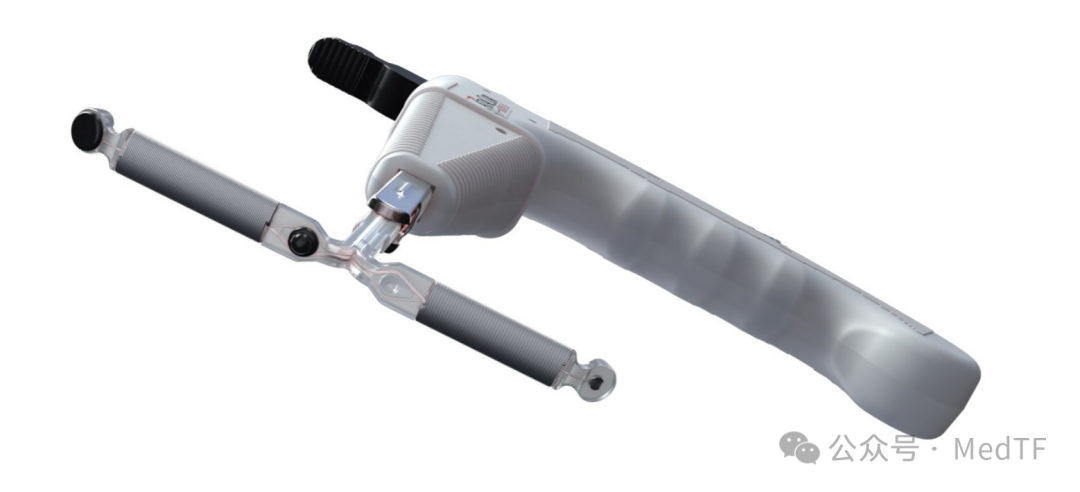
ASCEND EV is a prospective, non-randomized international study designed to evaluate the safety and effectiveness of the AtaCor integrated extravascular implantable cardioverter defibrillator (EV-ICD) used in conjunction with mainstream commercially available transvenous ICDs.
PI Evaluation
"The initial cases are impressive, and I look forward to continuing to monitor clinical progress as more patients receive treatment. The extravascular solution allows physicians to deliver critical treatment while maintaining cardiac integrity. AtaCor's innovative design represents an exciting technological advancement with the potential to elevate cardiac rhythm management standards. These first cases are impressive, and I look forward to continuing to monitor clinical progress as more patients receive treatment."
---Shephal Doshi Providence Saint John's Health Center
Executive Evaluation
"The company is committed to revolutionizing cardiac rhythm management technology and safeguarding heart integrity for future cardiac care needs. We are thrilled to have successfully completed the first phase of case implants, a significant milestone in validating Atala. Thanks to the hard work of the entire team and the professional contributions of our clinical partners, we look forward to adding more clinical research centers in the coming months."
---Martin Burke Chief Medical Officer of AtaCor Medical
If cardiac arrest occurs, the heart will lose its pumping ability.Force, leading to largeIschemia and hypoxia in the brain and vital organs throughout the body, posing a critical threatLife.At this point, timely defibrillation treatment is required to help the patient restore their normal heart rhythm.However, due to the sudden onset, it is difficult to find an automated external defibrillator (AED) for timely treatment within a short period. Once the optimal treatment window is missed, patients often die within one to several hours.According to statistics, every year in ChinaOccurrenceSudden Cardiac DeathThe number of deaths exceeds 540,000, while the success rate of out-of-hospital rescue is less than 1%.
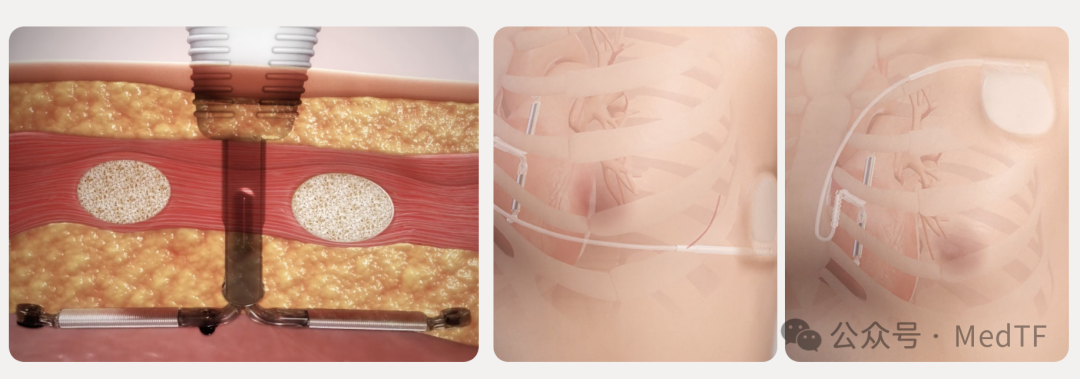
Unlike subcutaneous ICDs that cannot provide anti-tachycardia pacing (ATP) therapy, Atala achieves both ATP and shock therapy through a single lead and a single procedure. AtalaSpecifically designed to enhance patient comfort, it is compatible with smaller and thinner commercially available transvenous ICDs (compared to subcutaneous ICDs). This feature not only improves the aesthetic appearance and comfort after device implantation but also significantly reduces pain perception during ATP therapy. AtalaTaking Cardiac Rhythm Management to the Next Level --- Its proprietary design features optimize the implantation process of extravascular ICD leads while seamlessly integrating ATP and shock therapy through commercially available transvenous ICDs.