

Kesell Medical Announces Strategic Collaboration to Advance Global Original Left Bundle Branch Pacing Technique with Cathlink® Sheath System

Kossel
Vascular Interventional Device Manufacturer and R&D Developer
On April 11, Kossel Medtech (Suzhou) Co., Ltd. ("Kossel") focused on Cathlink®K Sheath (Electrode Lead Introducer Sheath Set) Achieves Significant Cooperation with the First Affiliated Hospital of Wenzhou Medical University ("Wenzhou Medical University Affiliated First Hospital") and VCBeat Medical Device Incubation Platform ("VCBeat")!
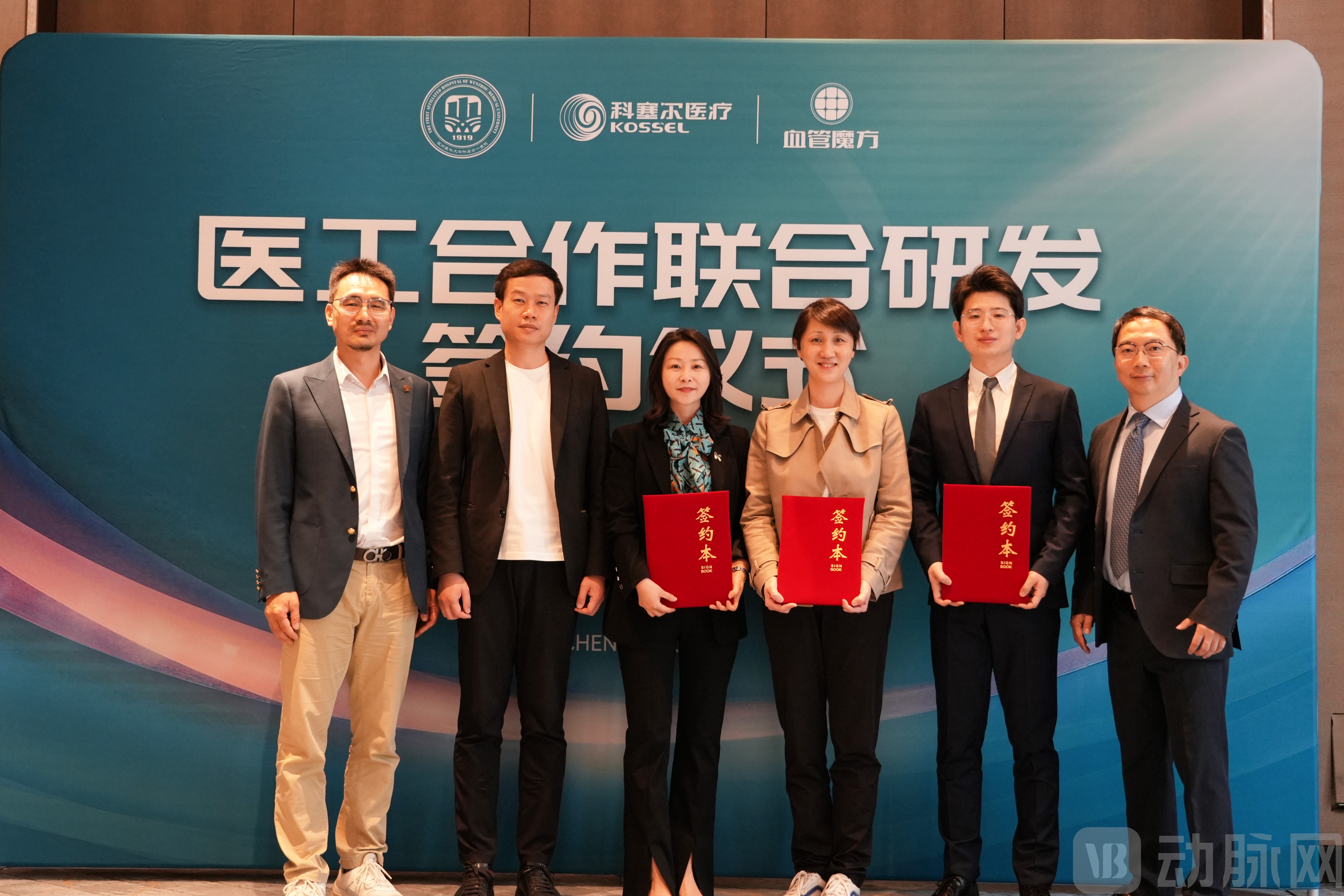
Kossel, The First Affiliated Hospital of Wenzhou Medical University, and VCBeat Tripartite Signing Ceremony
Founder and CEO of Kossel Medtech: Hu Qing
Clinical Research Office, First Affiliated Hospital of Wenzhou Medical University: Zhou Ziye
Executive President of Kossel Medtech and General Manager of Haiyu: Pan Xingzhen
Department of Cardiology, First Affiliated Hospital of Wenzhou Medical University: Su Lan
Co-founder and CTO of VCBeat: Bowen Zhang
Founder and CEO of Vascular Cube: Hai Wu
This three-party collaboration focuses on synergistic clinical-driven cooperation, innovative technology transformation cooperation, and platform-based product development cooperation, setting a benchmark for the integration of medicine and engineering.
Chinese doctors invent surgical methods based on clinical practice, promoting the rapid transformation of research results; local innovative enterprises actively promote the implementation of cooperation, achieving rapid commercialization of results.The success of Kossel's cooperation not only demonstrates the ability of Chinese doctors to foster original innovation in clinical practice but also highlights the achievements of Chinese enterprises and research institutions in engaging in industry-university-research-medical collaboration, indicating that locally developed original innovations will increasingly emerge.
1Left Bundle Branch Pacing – A New Generation of Physiological Pacing Solution Closer to the Heart's Natural Electrophysiological Activity
Under normal physiological conditions, the beating frequency of the human heart usually remains at 60 to 100 times per minute. When irreversible pathological changes occur in the heart's sinoatrial node or conduction system, it can easily lead to a severe slowing of the heart rate, resulting in bradyarrhythmia.
Severe bradyarrhythmia can lead to a significant reduction in cardiac output, making it difficult to meet the blood perfusion demands of various tissues and organs throughout the body. This may cause patients to experience dizziness, fatigue, sluggishness, palpitations, and chest tightness, and even lead to episodes of amaurosis or syncope.
Currently, cardiac pacemakers are one of the main treatments for bradycardia.From the perspective of technological iteration, cardiac pacing has evolved from right ventricular apex pacing to physiological pacing, making it closer to the heart's normal natural electrophysiological activity.
Traditional pacemaker leads are placed at the right ventricular apex and its surrounding areas, with simple operation and lower technical difficulty. However, studies have found that long-term high-rate pacing of the right ventricular apex can cause ventricular contraction dyssynchrony, increasing the risk of heart failure and atrial fibrillation. The reason for this phenomenon is that right ventricular apical pacing is not physiological pacing, as it alters the normal electrical conduction sequence of the heart.
Under normal circumstances, the electrical excitation of the heart originates from the sinoatrial node, then sequentially passes through the atria, atrioventricular node, His bundle, left and right bundle branches, and finally reaches the ventricular myocardium, causing the heart to contract and relax in a specific order. However, during right ventricular apical pacing, the pacing electrode directly stimulates the myocardial cells at the right ventricular apex, causing them to depolarize and contract first. This leads to delayed excitation and contraction of myocardial cells in other areas, disrupting the normal sequence of ventricular electrical excitation, and subsequently causing uncoordinated mechanical activity of the myocardium. This may lead to a series of concurrent risks such as mitral regurgitation, increased cardiac load, decreased cardiac function and output, ventricular remodeling, and myocardial injury.
With the advent of active fixation leads, physiological pacing has gradually emerged, providing a superior new-generation solution for cardiac pacing.
Physiological pacing includes His bundle pacing and left bundle branch pacing. Since pacing is performed at locations closer to the normal electrical conduction pathway, such as the His bundle or left bundle branch, it enables the heart's electrical excitation to be closer to the physiological state.Compared with traditional right ventricular apical pacing, physiological pacing can achieve better electrical and mechanical synchronization, which is more beneficial for protecting cardiac function and has now been supported by an increasing amount of clinical evidence.
But for a long time, the cardiac pacemaker and its technological updates have been basically monopolized by internationally renowned giants, and the promotion of new procedures has also been largely dominated by them. His bundle pacing, for instance, is the "Physiological Pacing 1.0 version" led by foreign enterprises and promoted globally.
Currently, well-known foreign enterprises have developed dedicated配套器械 for His-bundle pacing. However, driven by the intention to build proprietary technical barriers and strengthen their leading position in technology promotion, these devices are exclusive and not open to the public. During the process of technology promotion, the application bottlenecks have gradually surfaced.The anatomical location of the His bundle is deep within the right atrioventricular junctional region of the heart. This area is spatially narrow and adjacent to complex anatomical structures, making instrument positioning difficult and requiring extremely high operational skills from the physician. Even experienced operators may make mistakes., which limits its promotion and application.
Based on comprehensive considerations of clinical efficacy, operational difficulty, and more, Professor Huang Weijian and Professor Su Lan's team from the First Affiliated Hospital of Wenzhou Medical University pioneered left bundle branch pacing, ushering in the "Physiological Pacing 2.0 Era."
It is reported that the renowned Chinese pacemaker electrophysiologist and recipient of the HRS Heart Rhythmology Founder Award ——Professor Huang Weijian, who first proposed the concept of "left bundle branch pacing" internationally, a pioneer in this technology. He led his team and core members, including Chief Physician Su Lan and Dr. Wu Shengjie, through years of research, contributing significantly to the development of the conduction system pacing framework, from mechanism theory and operational definitions to clinical studies.
According to incomplete statistics, in 2023, more than 80,000 patients worldwide were implanted with His-Purkinje system pacing, including 16,000 cases in China, of which 90% were left bundle branch pacing. Under the leadership of the Chinese Society of Pacing and Electrophysiology (CSPE) and the Chinese Society of Arrhythmology of the Chinese Medical Doctor Association (CSA), Professor Huang Weijian led the drafting of the world's first consensus on His-Purkinje system pacing — "Chinese Expert Consensus on His-Purkinje System Pacing," which is also the world’s first consensus focusing on left bundle branch pacing.
In recent years, thanks to the joint efforts of numerous Chinese pacemaker and electrophysiology experts, the pacing of the His-Purkinje system in China has developed vigorously. Both in clinical practice and academic research, China ranks among the global leaders in terms of quantity and quality, especially in left bundle branch pacing technology.
This surgical procedure maintains physiological pacing while compensating for the shortcomings of His bundle pacing.Its operation is simpler, with good parameters, a high success rate, and a low pacing threshold. It can be used for most patients with pacing or synchronization needs, and its safety and clinical efficacy have been confirmed., which has now become a hot method for physiological cardiac pacing.
2Kossel Launches "Universal" Electrode Lead Introducer Sheath for Physiological Pacing, Facilitating the Popularization of Left Bundle Branch Pacing
Left bundle branch pacing significantly reduces the difficulty of electrode implantation and the operational threshold for doctors. However, due to the inability to apply commonly used 6F pacing leads to physiological pacing, the promotion and popularization of this procedure is relatively challenging.
Compared with specially customized electrodes, the team from the First Affiliated Hospital of Wenzhou Medical University prefers to use ordinary electrodes for left bundle branch pacing. Firstly, ordinary electrodes are less expensive and more affordable; secondly, ordinary electrodes are readily available in the market, while customized electrodes are difficult to procure; thirdly, the development cycle for specialized electrodes is long, and patients cannot wait for an extended period. Therefore,The team believes that "ordinary electrodes + compatible guiding sheaths available on the market" will be the optimal solution to address the clinical bottleneck of left bundle branch pacing.
But the problem lies in that the common electrodes are relatively thick, and there is no dedicated electrode lead introducer sheath in China. Thus, Professor Su Lan's team from the First Affiliated Hospital of Wenzhou Medical University first approached VCBeat. VCBeat is an innovative incubation platform focusing on peripheral vascular and cardiac pacing fields, with the concept of being the engineer beside doctors. The professionalism in sheath design and rapid response capability of the VCBeat team were recognized by Professor Su Lan. After both parties quickly completed early market research, patent layout, and technical solution verification, Professor Su Lan hoped that VCBeat could assist in finding a company with strategic layout in the pacing electrophysiology field, stable operation, and at the same time, a deep understanding of the subsequent clinical research academic value. After several twists and turns, both parties finally found Kossel. Kossel acquired the relevant patents and was responsible for the subsequent iterative development, registration, and production of the K-sheath.
AndKossel also lived up to expectations by solving the problem of insufficient support during the delivery of 6F standard electrodes, providing an innovative solution centered around the K-sheath, which has promoted the adoption of left bundle branch pacing.
K Sheath, composed of a guiding sheath, dilator, and fixation tools, can be used for left bundle branch pacing to introduce the pacing lead into the heart chamber. The guiding sheath features a gradient stiffness design, effectively enhancing surgical safety. Reportedly, the K Sheath is the first sheath device in China specifically designed for left bundle branch pacing placement, the first domestically produced sheath that can be used for physiological pacing, and currently the only sheath on the market applicable for atrial septal use. Overall, the product boasts the following highlights:
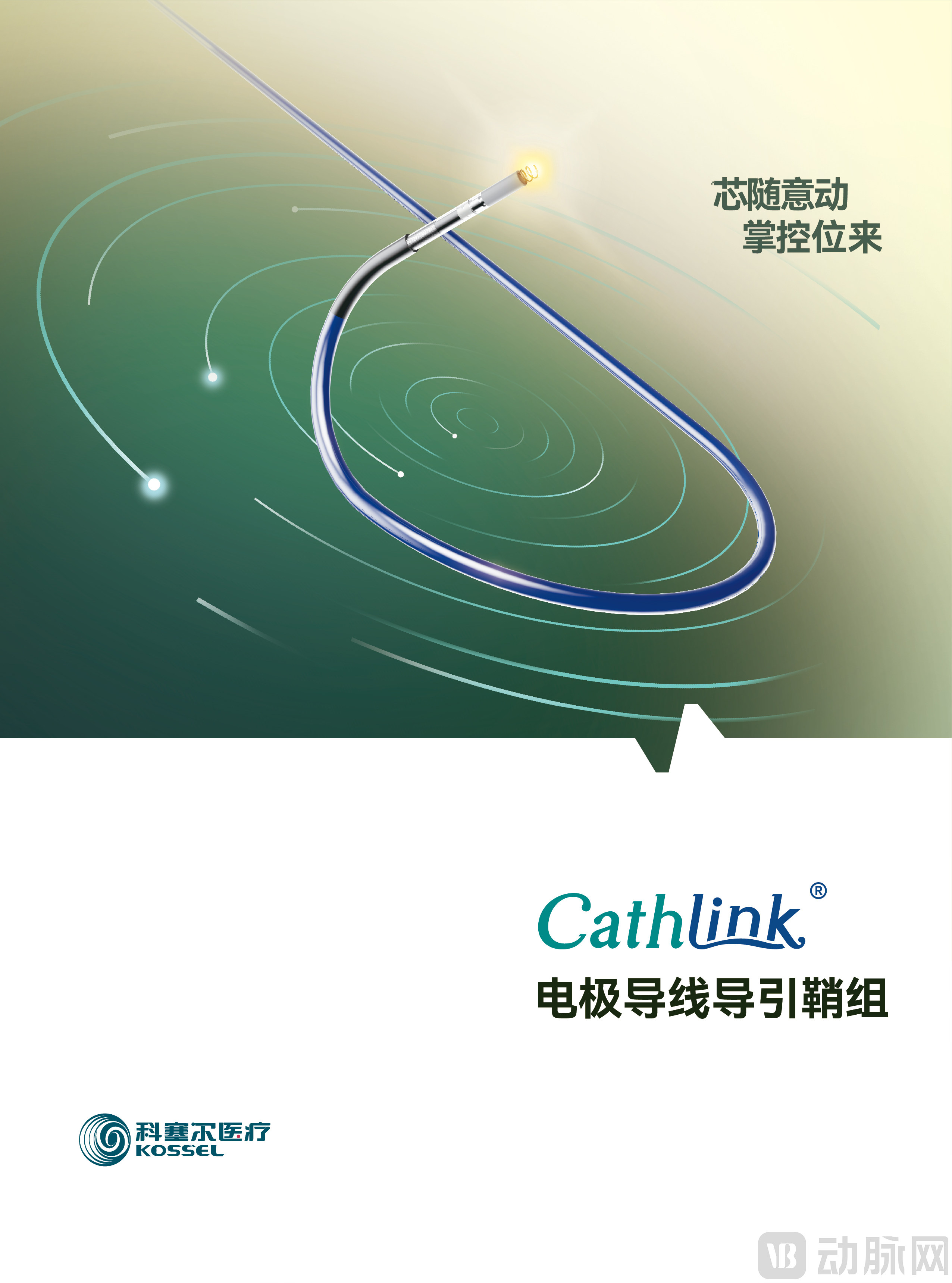 Cathlink®Electrode Lead Introducer Sheath Set
● Distal double-bend structure for easy sheath positioning;
● Multiple bend designs to accommodate different anatomical structures;
● The distal end is marked with tungsten for accurate positioning, making cutting convenient;
● The tube body is metal braided, with excellent torque control and support.
The product entered the registration process for innovative Class II medical devices in Jiangsu Province in October 2023 and received NMPA approval on January 31, 2024. The launch of the K Sheath is significant in the following aspects:
First,The launch of Kossel's sheath effectively addressed the lack of ideal auxiliary devices in physiological pacing surgeries., achieving a significant breakthrough in the development of practical tools for doctors performing left bundle branch pacing procedures;
Secondly,Kossel is a typical product of the combination of medicine and engineering.Kossel, at the initial stage of K-sheath development, conducted thorough design input, accurately capturing and understanding frontline clinical needs. This ensured that the K-sheath not only possessed theoretical advancement but also demonstrated excellent operability and superior performance in practical use.
More importantly,Kossel Provides a Model for Empowering Clinical Applications in China's Medical Device Industry, which effectively confirms that, through the combination of medical and engineering efforts and technological innovation, the safety and efficiency of clinical surgeries can be significantly improved, driving continuous progress in medical technology.
At the same time, the launch of the K-sheath is closely related to the multi-dimensional core competitiveness built by Kossel.At the technical levelAs a leading vascular intervention platform enterprise in China, Kossel has comprehensively laid out in the fields of peripheral intervention, cardiac electrophysiology, coronary intervention, and interventional device materials, building an advanced and powerful technology platform. After more than a decade of deep cultivation, Kossel has developed full R&D, production, and commercialization capabilities for vascular interventional devices, with substantial accumulation of core technologies.In the aspect of raw material supply chainIts subsidiary, Haiwang Medical, focuses on the development and production of medical polymer material products. It provides various tubing and systematic solutions for different types of medical sheaths and catheters in the interventional medical device field, achieving self-control of core raw materials and providing Kossel with a solid raw material guarantee; thirdly, the companyHigh Attention to the Integration of Medicine and Engineering and the Corresponding Standardized Management System``, enabling Kossel to have a flexible and efficient mechanism for transforming achievements, realizing the rapid implementation from design concept to specific products.``
"K-sheath can be compatible with all conventional active electrodes currently used in clinical practice, showing good product versatility and a broad prospect for clinical application," said Professor Su Lan from the First Affiliated Hospital of Wenzhou Medical University. "The launch of K-sheath is significant in breaking the dependence on imported devices, benefiting more Chinese patients with bradycardia. Meanwhile, we also look forward to K-sheath entering the international market to promote the global adoption of left bundle branch pacing."
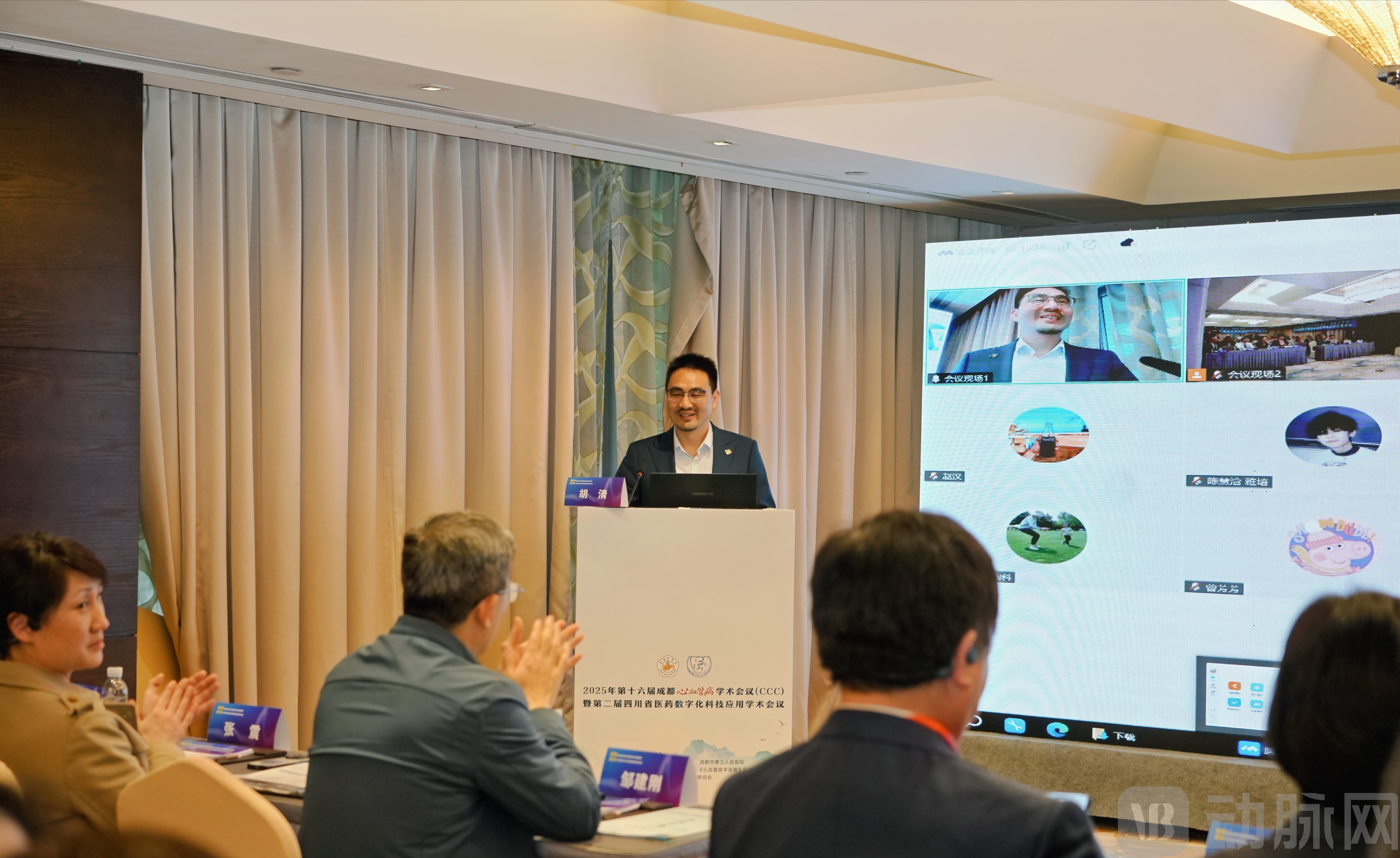
Kossel Founder and CEO Hu Qing Delivers Speech at the Launch Conference
Following the tripartite signing ceremony, Kossel held the "Clinical Research Launch Meeting on Using Electrode Lead Introducer Sheath Sets to Assist Active Helix Electrodes in Atrial Septal/Left Bundle Branch Pacing." This research plans to utilize electrode lead introducer sheath sets to assist active helix electrodes, conducting independent studies targeting the left bundle branch area and atrial septum respectively. Twenty clinical research centers from across China, including the First Affiliated Hospital of Wenzhou Medical University and Fuwai Hospital of the Chinese Academy of Medical Sciences, are participating. The study will adopt a prospective, multi-center, single-arm design to evaluate the success rate of electrode implantation, aiming to reduce potential risks associated with traditional pacing methods, systematically assess the potential of this technology in clinical applications, and is expected to improve patient outcomes and enhance quality of life.
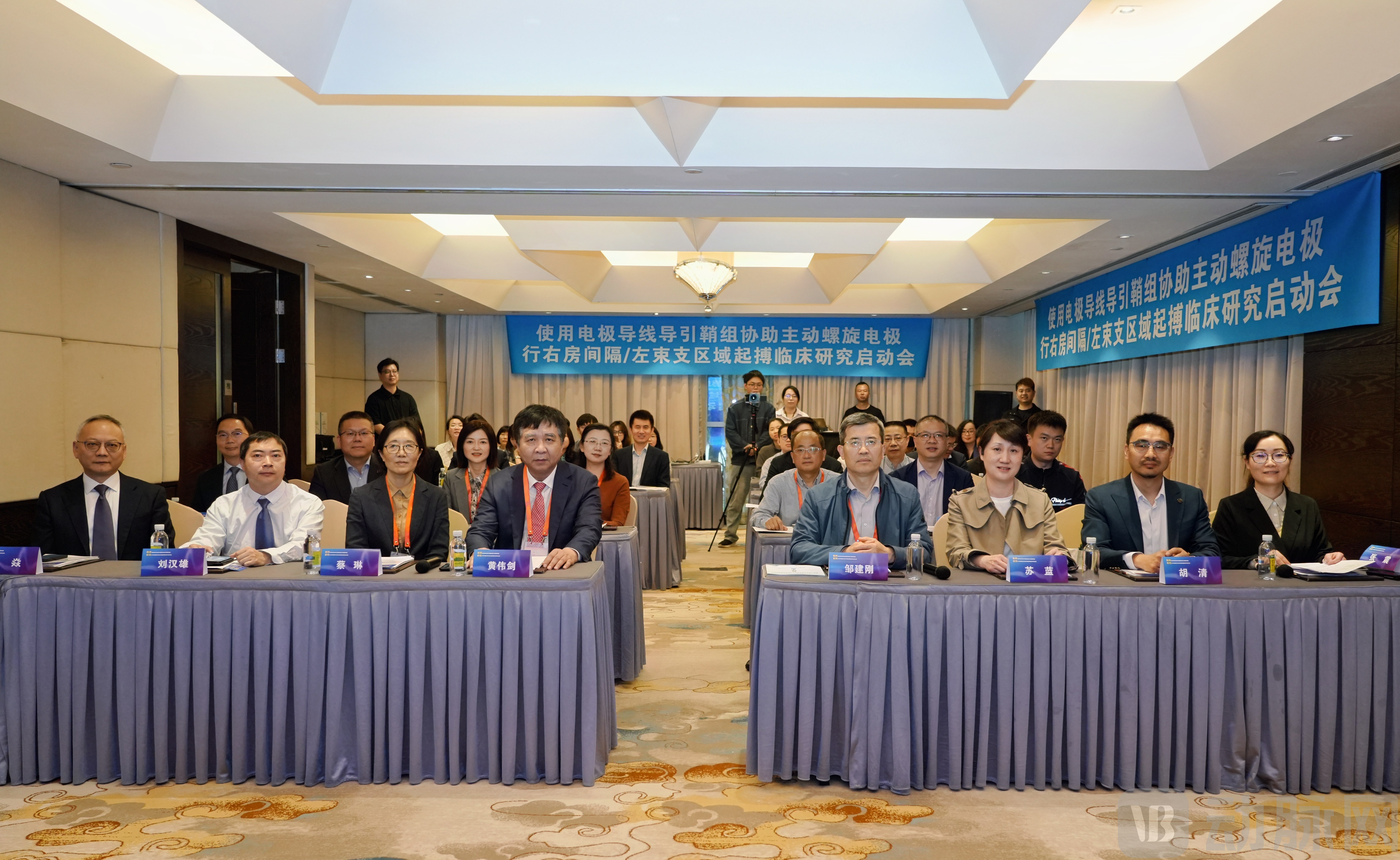
Clinical Research Kick-off Ceremony for Assisting Active Helical Electrode Pacing in the Interatrial Septum / Left Bundle Branch Area Using Electrode Lead Introducer Sheath Set
3Moving Forward Together, Continuously Driving China-Made Innovations in the Pacemaker Electrophysiology Field
K Sheath originates from years of clinical practice in physiological pacing by Chinese doctors and has now achieved international leadership and gained widespread recognition. With K Sheath as the cornerstone, Kossel successfully transformed the wisdom of Chinese clinical experts into products with both clinical and market value, creating a closed loop from clinical needs, research and development, production, to market expansion. The philosophy of "derived from clinical practice, serving clinical practice" runs through the entire process, making K Sheath not only meet the needs of Chinese experts but also demonstrate excellent clinical performance.
Kossel's collaboration with the First Affiliated Hospital of Wenzhou Medical University and VCBeat will further amplify Kossel's medtech integration advantages represented by the K-sheath, continuously empowering the promotion of new surgical techniques and bringing higher quality services and products to clinical practice. At the same time, this high-quality, long-term industry-university-research collaboration will further deepen domestic innovation in the pacemaker electrophysiology field. The three parties will work together to create a closed loop of "clinical needs - product development - commercial promotion - clinical research," leveraging their respective strengths to precisely address clinical pain points.
The First Affiliated Hospital of Wenzhou Medical UniversityAs an internationally leading pacemaker electrophysiology clinical center, responsible for providing innovative treatment concepts, developing innovative surgical techniques, and promoting academic research;Vascular CubeAs a device incubation platform, it is responsible for assisting the cardiology team of the First Affiliated Hospital of Wenzhou Medical University in innovative exploration in the field of pacing and electrophysiology, improving the development efficiency from concept to prototype, and assisting in patent layout in China and internationally as well as early-stage technical validation.KosselRelying on its full-industry-chain platform capabilities, it has completed the rapid development and iteration of products, obtained domestic and international registration certificates, achieved commercialization layout, and supported Wenzhou Medical University First Affiliated Hospital in collaborating with other top clinical centers in China to carry out relevant clinical research around innovative surgical techniques and products.
"Kossel played a key role as a platform support in the tripartite cooperation, especially with its core raw material R&D and production team, Haiwang Medical, which Kossel had strategically established in advance. This has greatly accelerated the iteration speed of innovative products," said Wu Hai, founder and CEO of VCBeat. This is also an important reason for choosing to cooperate with Kossel.
In the future, Kossel will actively conduct procedural training and market education, and initiate post-marketing clinical research to obtain broader and richer clinical feedback, promoting the subsequent development and iteration of its products. Additionally, the company will commence overseas market registration, strengthen exchanges with overseas clinical experts, and firmly advance its internationalization strategy to deliver superior surgical outcomes to more patients.