

China's Innovative Healthcare Reaches an Inflection Point: VBEF2025 Highlights

QingSong Health
Integrated Health Services and Health Insurance Solutions Provider

UNITED IMAGING
Artificial Intelligence Medical Product Developer

MicroPort
High-end Medical Device R&D and Manufacturer

DAMO
Information Technology Transmission, Software Service Provider
The so-called "tipping point" refers to the inevitability of countless small changes converging. Like the lever of an era, once it surpasses the threshold, even the smallest force can trigger a complete overturn of the entire structure.
And today, we are seeing the tipping point for innovative healthcare.
In the past year, a group of Chinese Biotechs have turned losses into profits. Baili Tianhe with a net profit of 3.706 billion yuan, Innovent Biologics with 330 million yuan, and Alphamab Oncology with 166 million yuan… all tell the story of global connectivity for Chinese assets. After all, with the support of innovative models like License out and NewCo, one-third of the new drugs approved in the U.S. in 2024 came from Chinese pharmaceutical companies.
The same narrative is also unfolding in the medical device field.Founder of VCBeat, Li DataoOnce conducted a comprehensive investigation into China-made products in the medical field, and in the niche track of dental instruments, he found that the localization rate of 90 types of raw materials and components has exceeded 50%. Many key links in the supply chain, which were once tightly controlled by NMC, have now gradually broken free, with only a few remaining.
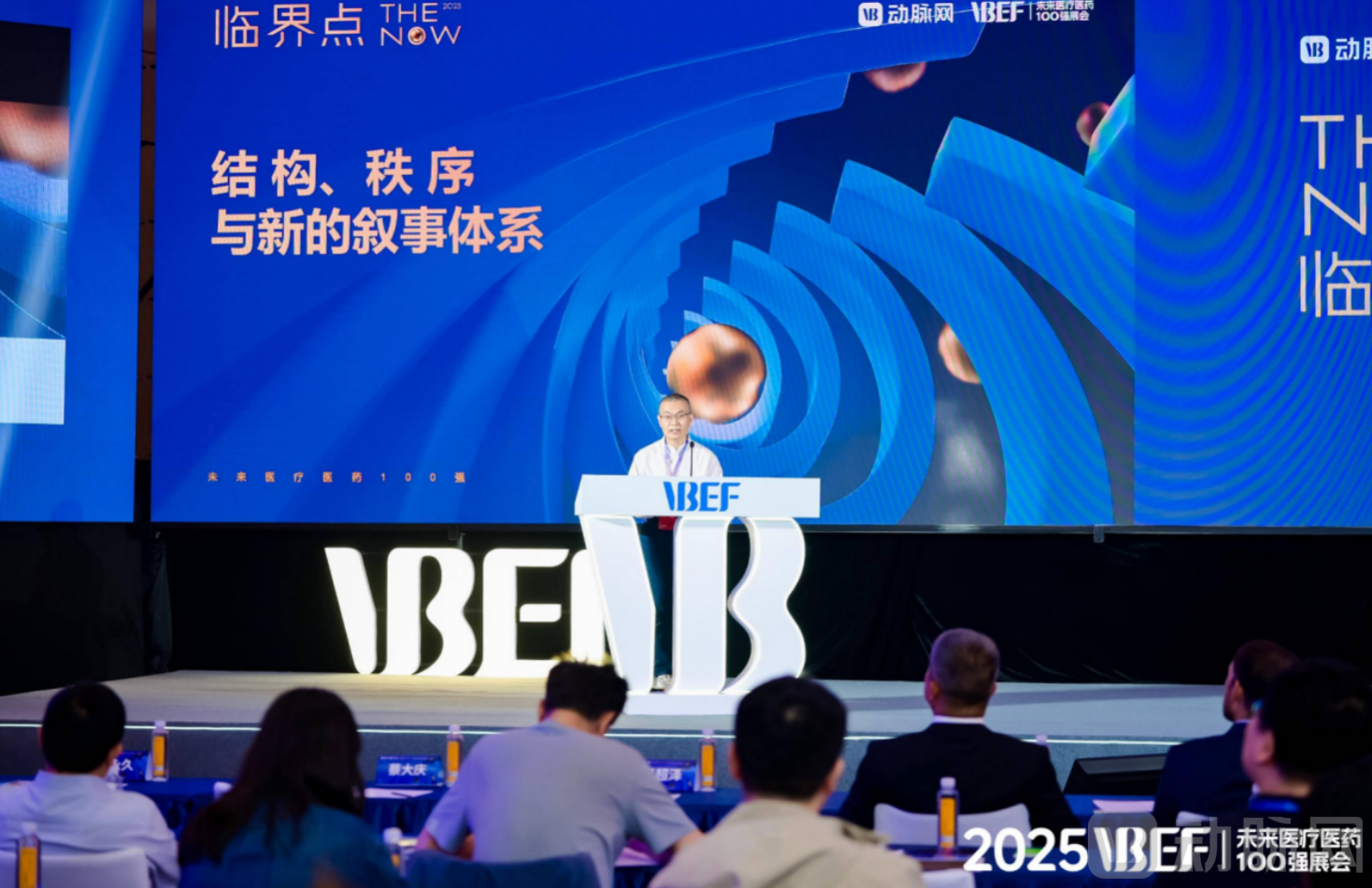
Founder of VCBeat, Li Datao
So, when the risks brought by deglobalization continue to冲击 China's economy, has our innovative medical system accumulated enough strength to break through the tipping point and hedge the crisis with a broader world?
With this question in mind, numerous participants from the medical and health industry, including those from industry, government, investment, academia, and research institutions, gathered at the 2025 Future Healthcare 100 Exhibition (2025VBEF) to jointly explore the new ecosystem, new forces, new pathways, and new directions of innovative healthcare industries.
Here, VCBeat has conducted a detailed review of the core viewpoints from the main forum, attempting to recreate the insights and logic of industry leaders in the medical field.
Grasping the Development Pulse of the Medical Industry: The Key Lies in a Detailed Insight into Macro-environmental Changes. Today, the aging population and the upgrading awareness of health have given rise to a large number of new demands, while breakthroughs in cutting-edge technologies such as artificial intelligence and genetic engineering continue to disrupt traditional diagnosis and treatment models. Behind these layers of challenges and opportunities, where lies the path to breakthrough?
Xu Shuqiang, former Director of the Department of System Reform of the National Health Commission, Director of the Nankai University Aging Development Strategy Research Center, and Vice President of the China Population AssociationInsights into Opportunities from Structural Changes in the Healthcare System
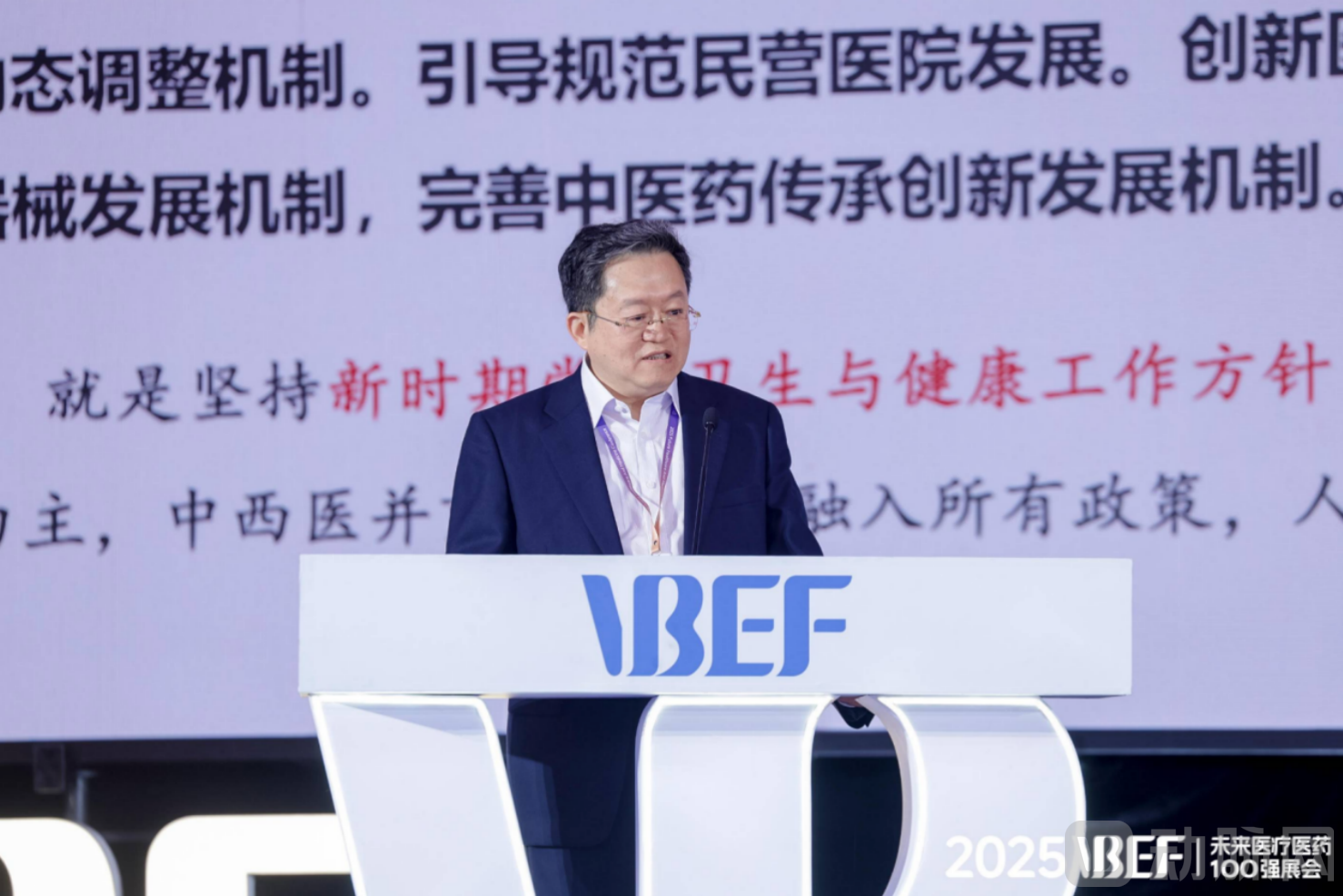
Xu Shuqiang, former Director of the Department of System Reform of the National Health Commission, Director of the Nankai University Aging Development Strategy Research Center, and Vice President of the China Population Association
This also requires public hospitals to shift from the past "disease-centered" approach to a "people's health-centered" approach. Xu Shuqiang said: Establishing such a new medical system is not easy. It is necessary to deepen the reform of public hospitals oriented toward public welfare. In terms of specific measures, it is essential to increase and implement government investment, promote dynamic staffing adjustments, establish a medical service-led charging mechanism, improve the salary system, innovate healthcare supervision methods, and focus on information technology, digitalization, and intelligent-driven solutions.
Yuan Xin, Director of the Center for Aging Development Strategy Research at Nankai University and Vice President of the China Population AssociationSimilarly, from a macro perspective, examining health opportunities, a speech titled "Changes in Industrial Demand under Aging" was delivered. Yuan Xin stated: In the vast landscape of the silver economy, the aging industry serves as the framework supporting system operations, while the aging health industry acts as the lifeblood maintaining vitality. The establishment of this dual core position is both a rational response to the patterns of an aging society and an inevitable choice for economic transformation and upgrading.
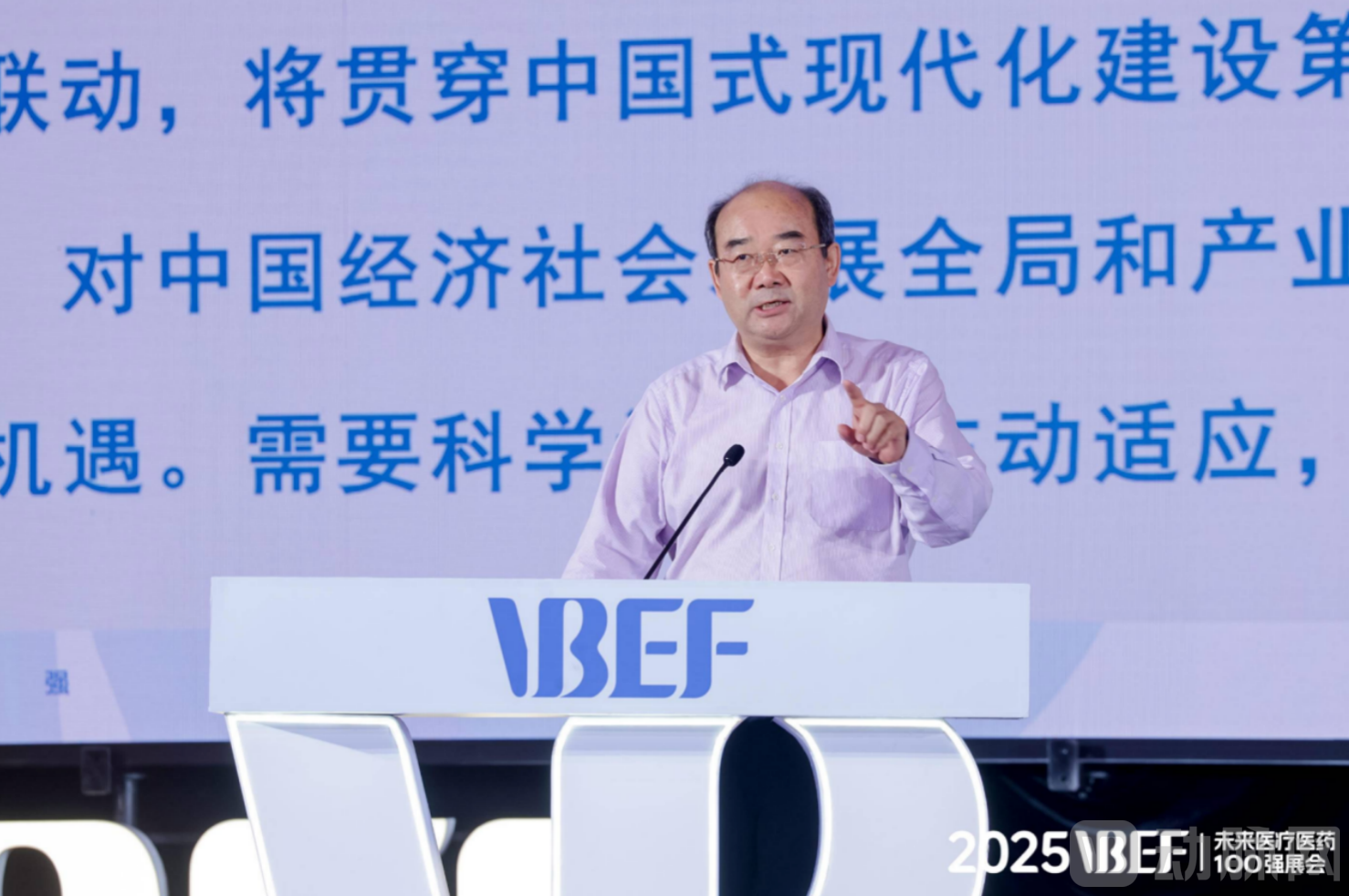
Yuan Xin, Director of the Center for Aging Development Strategy Research at Nankai University and Vice President of the China Population Association
To ensure the healthy development of the silver economy, it is essential to first strengthen the foundation of the health industry. Only then can the elderly truly become participants and beneficiaries of the silver economy, enhancing their well-being and ultimately achieving a transition from "being cared for in old age" to "having purpose, enjoyment, and peace in old age." This is not only the logic of industrial development but also the ultimate concern of a civilized society for the value of life.
Academician Guoping Zhao of the Chinese Academy of SciencesBrought an incremental space to the macro health economy and discussed "Space Life Science and Space Life Research." In short, the research system of space life science and space life research encompasses every link from molecular biology to cells, tissues, organs, individuals, and ecological environments. It aims to leverage special space experimental conditions to develop ground-based national economies and innovative healthcare services for the people.
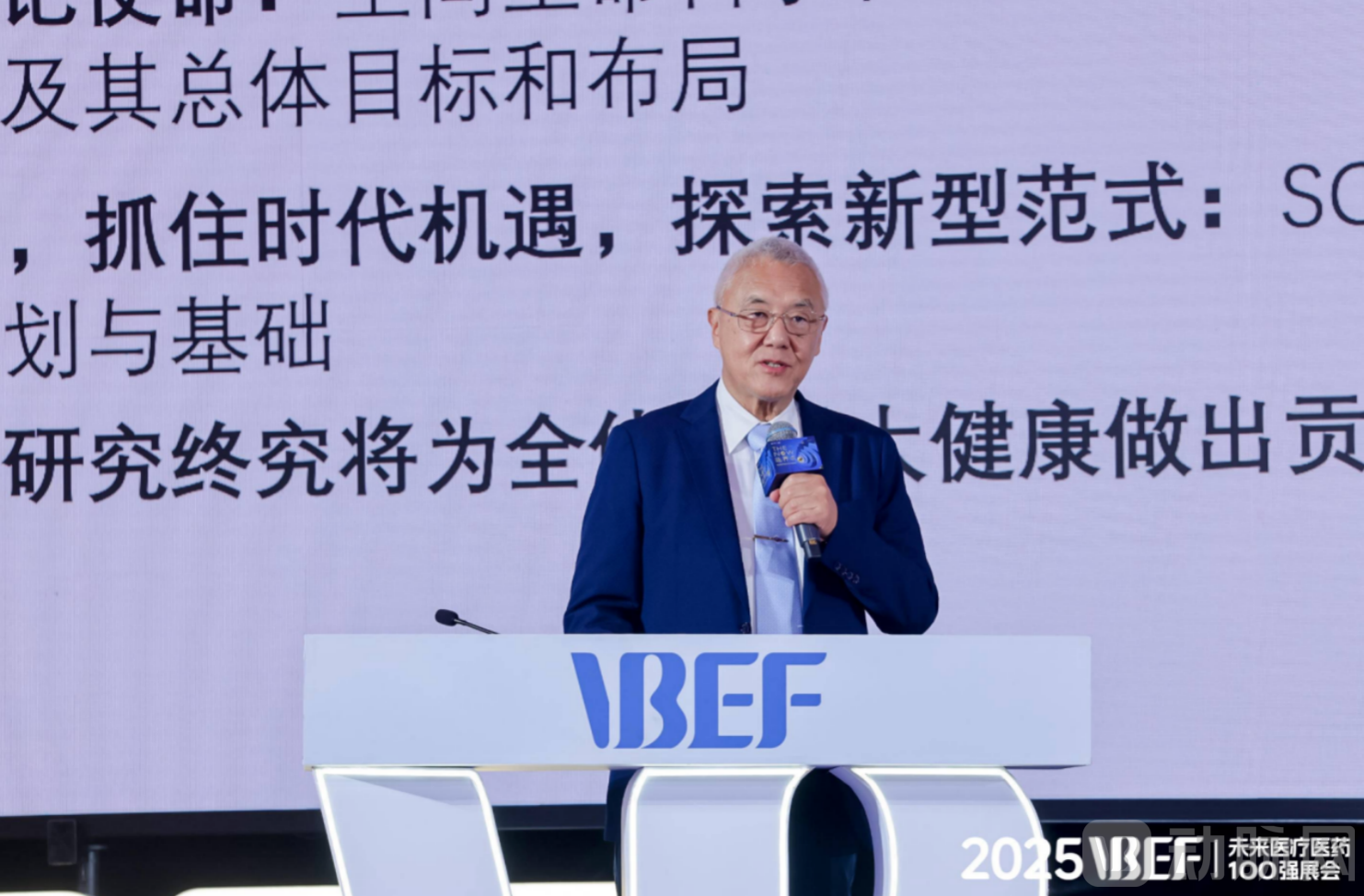
Academician Guoping Zhao of the Chinese Academy of Sciences
Zhao Guoping said in his speech: International research on space life science started relatively early, while in China, relevant studies only began in the 1990s. However, we still have the opportunity to catch up. We possess a large amount of biodata in life medicine and can supplement it with high-quality environmental data from the space station. If we can combine these two types of data for research, the future is very promising.
Executive Vice President of QingSong Health, Ma XiaowuIn "Empowering Health with AI - QingSong Health Activates the New Force of AI in Brands," the significance of AI in healthcare is discussed. In his view, AI is not only a technical tool but also a key variable in reconstructing the health service ecosystem.
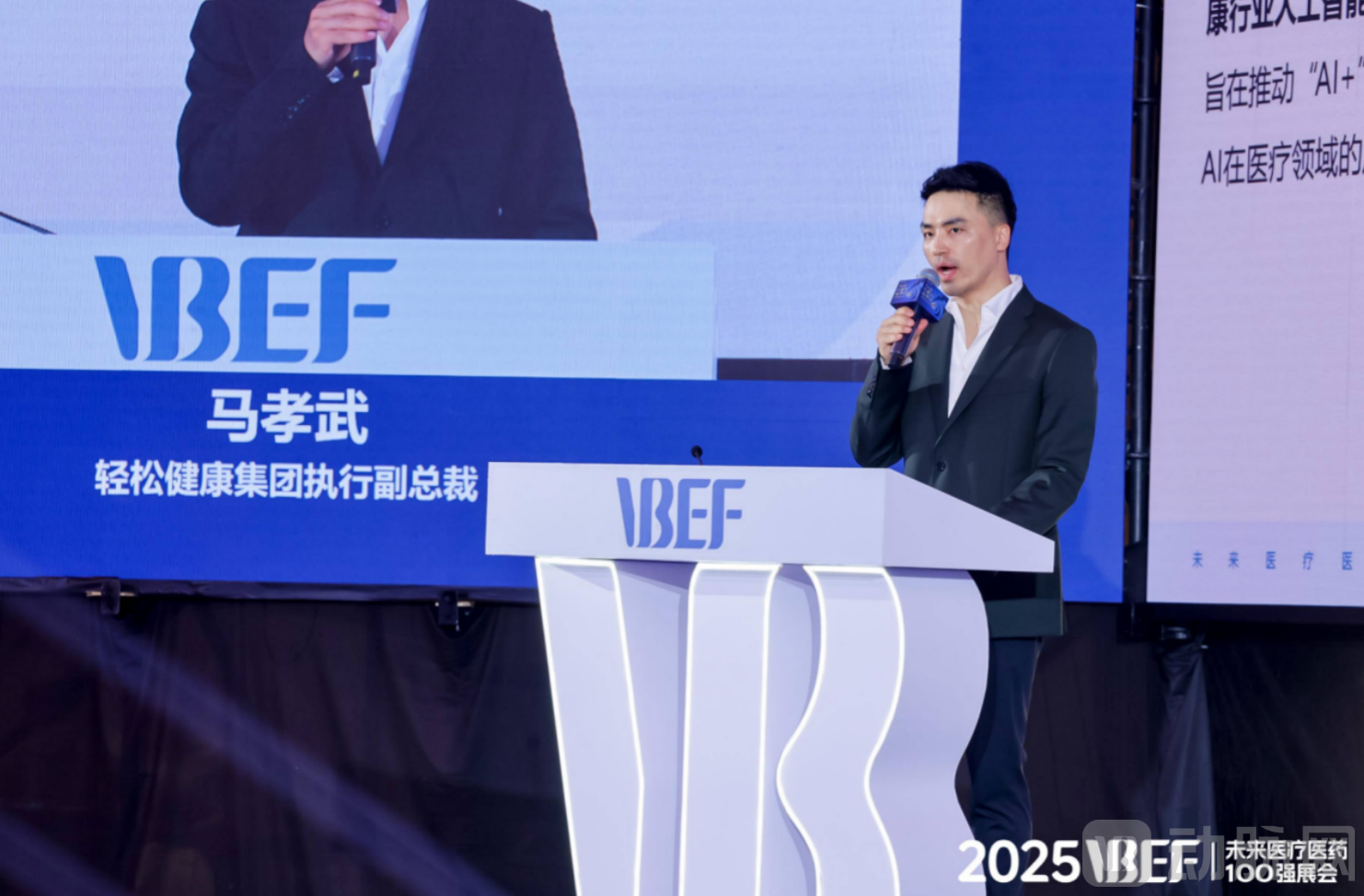
Executive Vice President of QingSong Health, Ma Xiaowu
As for how AI empowers the healthcare ecosystem, Ma Xiaowu answered by taking QingSong Health's application as an example. First of all, QingSong Health independently developed its core engine, AI Care, which integrates big data, service models, and capital operation mechanisms to build a self-learning, sustainable intelligent health ecosystem. Based on this, QingSong Health has reached cooperation with insurance companies, pharmaceutical companies, and health institutions to construct an AI ecosystem around three dimensions: Smart Insurance, Wise Screening, and Cloud Education. These respectively enhance the quality control of insurance, the precision of early screening, and the intelligence of popular science, achieving a full-chain upgrade of healthcare services from risk management to early intervention and then to awareness promotion, building a triangular health model for users.
Subsequently, the inauguration ceremony of the Health Growth Society, participated by Wang Rui, Secretary General of the Health Growth Society, Li Datao, founder of VCBeat, Yu Rong, Chairman of QingSong Health, and Fan Jing, head of the digital marketing department of JD Health's pharmaceutical business, was successfully completed. With the deepening of medical reform and policy-driven initiatives, China’s pharmaceutical industry is undergoing a structural shift from "hospital-centric" to "coordinated in- and out-of-hospital" operations. Traditional channels are struggling in a saturated market, good products are hard-pressed to find growth channels, data silos fragment supply and demand, and inefficient matching erodes growth potential. Both pharmaceutical manufacturers and medical device companies are accelerating their expansion into the out-of-hospital market to seek new growth opportunities. Against this backdrop, the Health Growth Society, initiated by VCBeat, will focus on the most outstanding product providers and leading new channels in the pharmaceutical and healthcare industry, aiming to create the largest transaction platform for commercial growth in China’s healthcare sector.
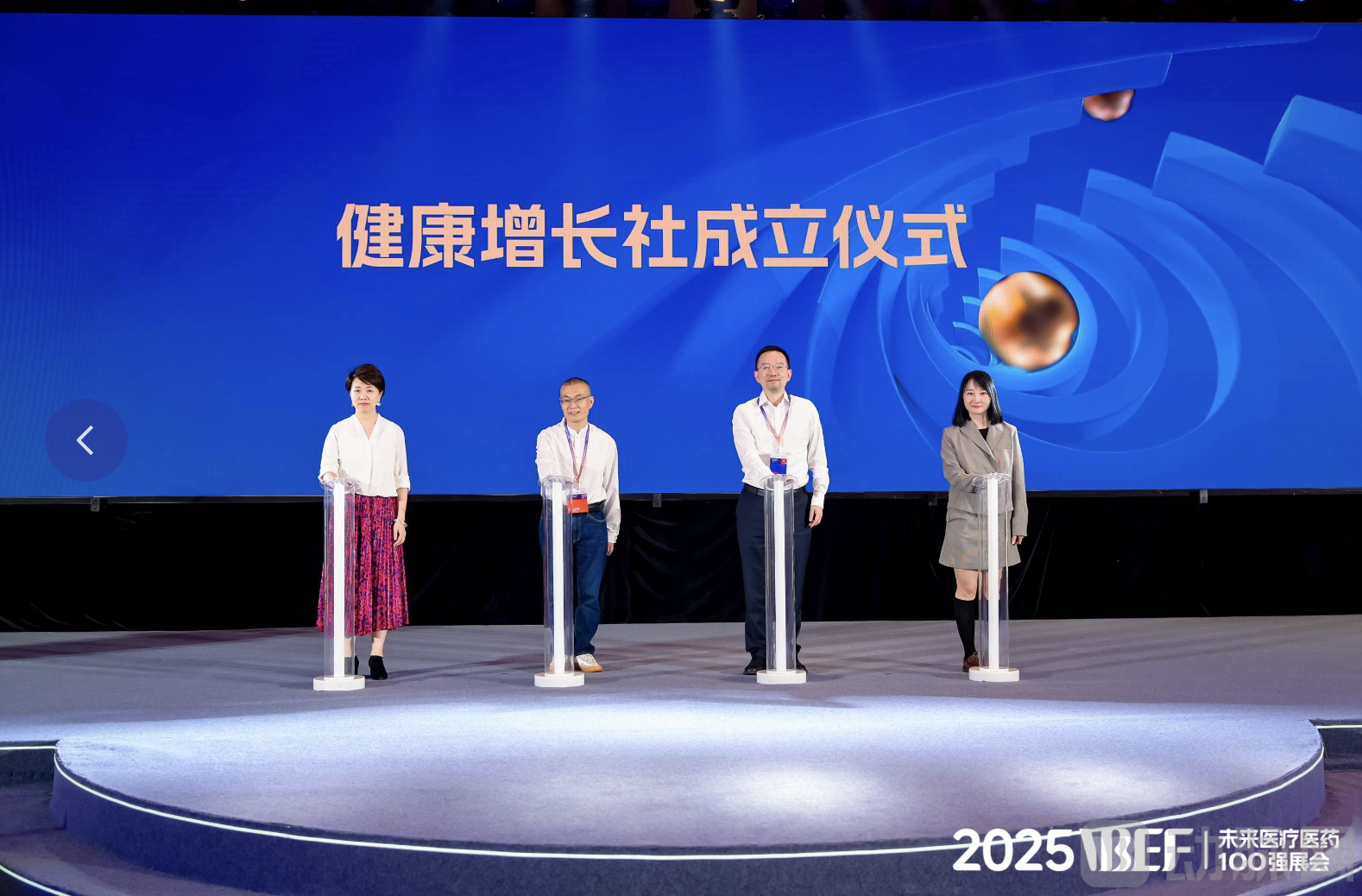
Launch Ceremony of Healthy Growth Society
From left to right: Wang Rui, Secretary General of Healthy Growth Society; Li Datao, Founder of VCBeat; Yu Rong, Chairman of QingSong Health Group; Fan Jing, Head of Digital Marketing Department, Pharmaceutical Business Unit, JD Health.
After breaking down the macro environment, under the moderation of Zhou Chaoze, Chief Analyst of Pharmaceuticals at Founder Securities, a roundtable discussion was held featuring Li Li, President of Aier Eye Hospital Group; Li Bin, Chairman of United丽格; and Cai Daqing, Founding Partner of Sherpa Capital. The conversation shifted focus to the private hospital sector, attempting to decipher the tipping point for systemic change in private hospitals.
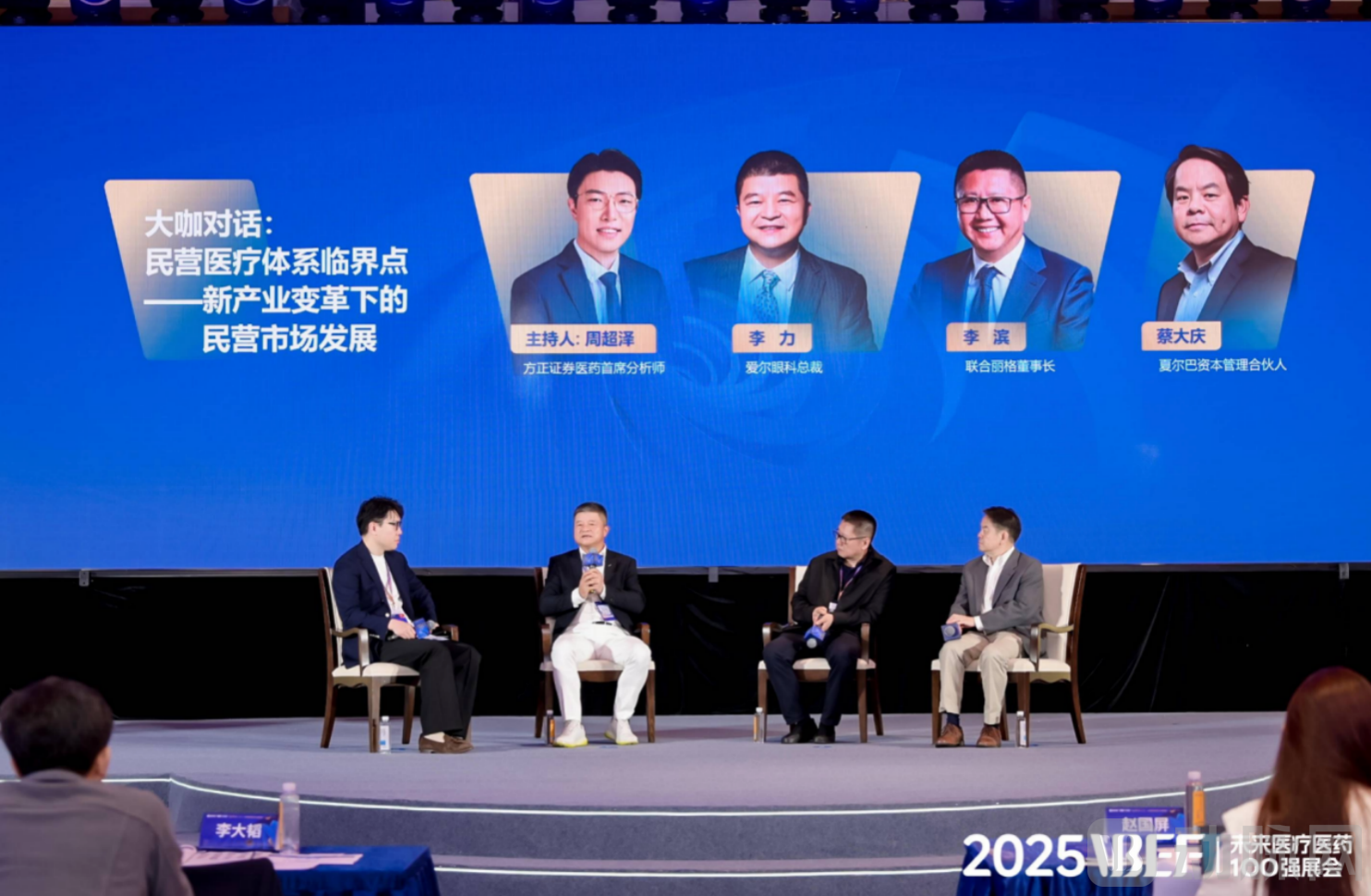
From left to right: Zhou Chaoze, Chief Medical Analyst of Founder Securities; Li Li, President of Aier Eye Group; Li Bin, Chairman of United丽格; and Cai Daqing, Founding Partner of Sherpa Capital.
Li Li, President of Aier Eye Hospital GroupIt was pointed out that China's future healthcare system will develop in a three-tier structure. First, the foundational layer is "basic medical services," which fulfills the public welfare functions of medical institutions. Second, the upgraded layer is "consumer medical services." As residents' health needs and consumption capacity increase, this area will unleash the greatest development potential and become the core sector for creating medical value. Finally, the innovative layer is the "commercial insurance + medical services" model, which reconstructs the medical service ecosystem through payment reform. Li Li emphasized that under the current backdrop of a "once-in-a-century major transformation," private hospitals must accurately grasp these three market positions to achieve sustainable development amidst the wave of transformation.
Chairman of United Medical Group, Li BinFrom the perspective of medical aesthetics, the development trend of related private hospitals was analyzed: Medical aesthetics has developed rapidly in recent years, with high penetration rates in first- and second-tier cities, and still has room for growth in third-, fourth-, and fifth-tier cities. However, overall, the initial bonus period has ended, and the market has entered an era of stock competition.
This is a critical tipping point where the intense competition in traditional markets has led to the differentiation of the medical aesthetics field. Products targeting surgery, dermatology, and maintenance will emerge successively. With the further popularization of medical aesthetics, there is significant potential in the male and middle-aged to elderly markets. Moreover, medical aesthetics may become interconnected with overall health.
Cai Daqing, Founding Partner of Sherpa CapitalHe shared with everyone some new opportunities for private hospitals. In his view, over the past few decades, China's medical services have mainly been learning from overseas mature experiences and lessons. However, now, leading domestic private medical institutions have some high-quality yet affordable technologies and experiences to offer internationally, not only in Southeast Asia but also along the Belt and Road. Currently, many mid-to-high-end medical institutions are seeking overseas pathways for development. In the highly competitive environment within China, he believes that looking outward for opportunities may provide a certain solution.
In the exploration of scientific research and innovation, top academic journals play a beacon role. They showcase cutting-edge global scientific progress, promote the collision, exchange, and prosperity of academic ideas, and drive breakthroughs and transformations in industries. However, due to the lack of top-tier journals in China, a large number of research achievements flow overseas. The total annual cost for China to submit manuscripts to overseas academic journals could build an aircraft carrier.
Therefore, before reaching the tipping point of medical transformation, we may need to establish more top-tier academic journals of our own, explore the value of the most cutting-edge scientific research achievements, and preserve these results effectively to promote the advancement of China's scientific research.
For this reason,Yang Guangzhong, Founding Editor-in-Chief of the scientific journal "Science Robotics" and Academician of the Royal Academy of Engineering UKWith the title "Science for Robotics, Robotics for Science: An Academic Revelation from a Top Robotics Journal," it may offer new insights for scientific researchers in the medical field.
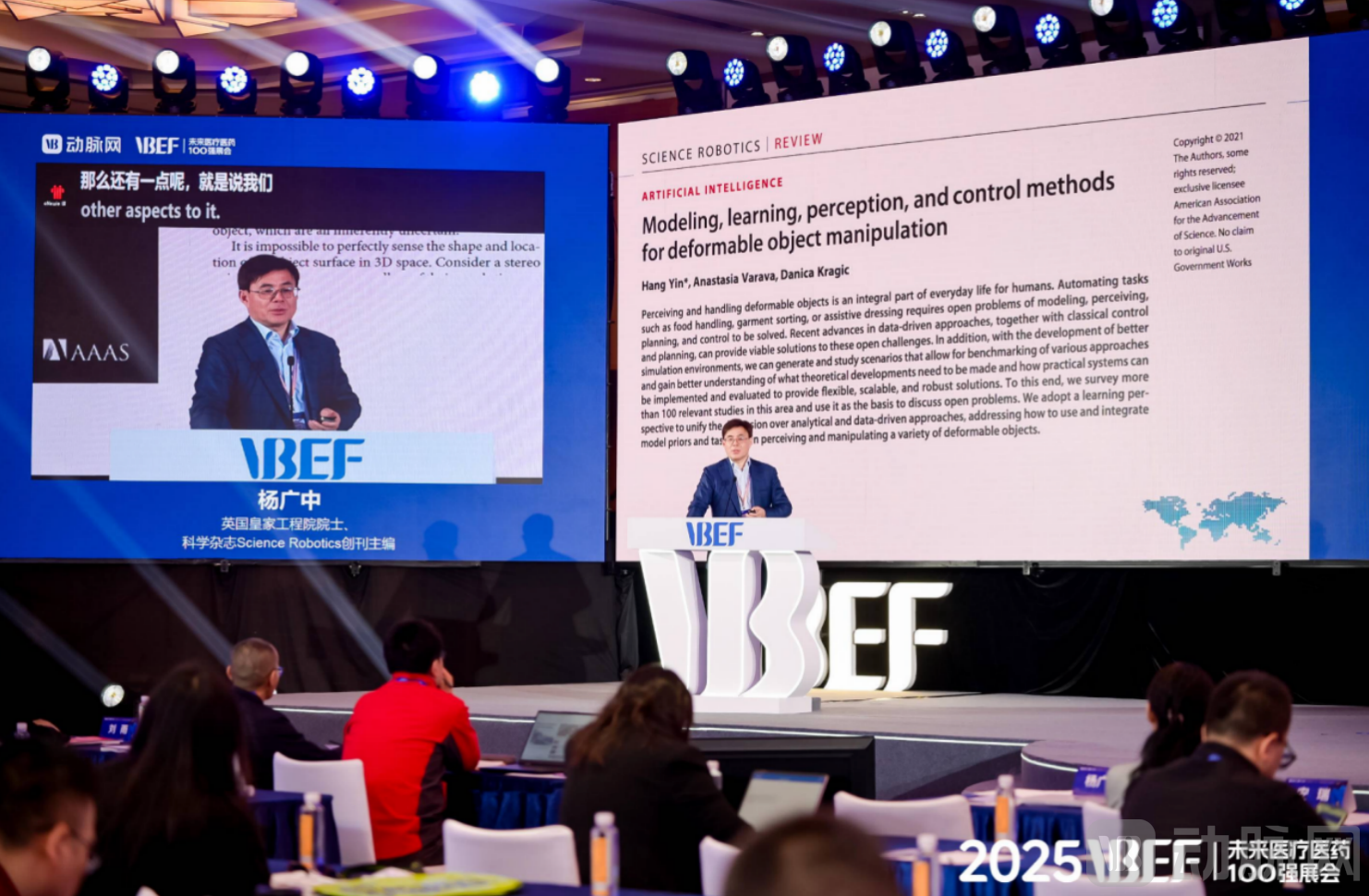
Yang Guangzhong, Founding Editor-in-Chief of the scientific journal "Science Robotics" and Academician of the Royal Academy of Engineering UK
Yang Guangzhong believes: A magazine that can gather high-quality articles is very important for the industry. With forward-looking ideas, it can truly reshape the future direction of the entire field. Moreover, a good magazine should also serve as a platform. This platform not only serves to resonate with researchers in the field but also attracts researchers from other fields. Through cross-industry research, it promotes the development of its own field and expands the development of other fields through the advancement of its own field. This is the significance of a high-quality magazine.
To further explore the possibilities of establishing high-level academic journals in China, Li Datao, founder of VCBeat, invited Yang Guangzhong, Chen Ke, and An Rui, the editorial director of "Science Bulletin" & "Science Bulletin," to conduct further discussions in an attempt to answer questions such as why academic journals have become a hot topic and how academic journals should be operated.
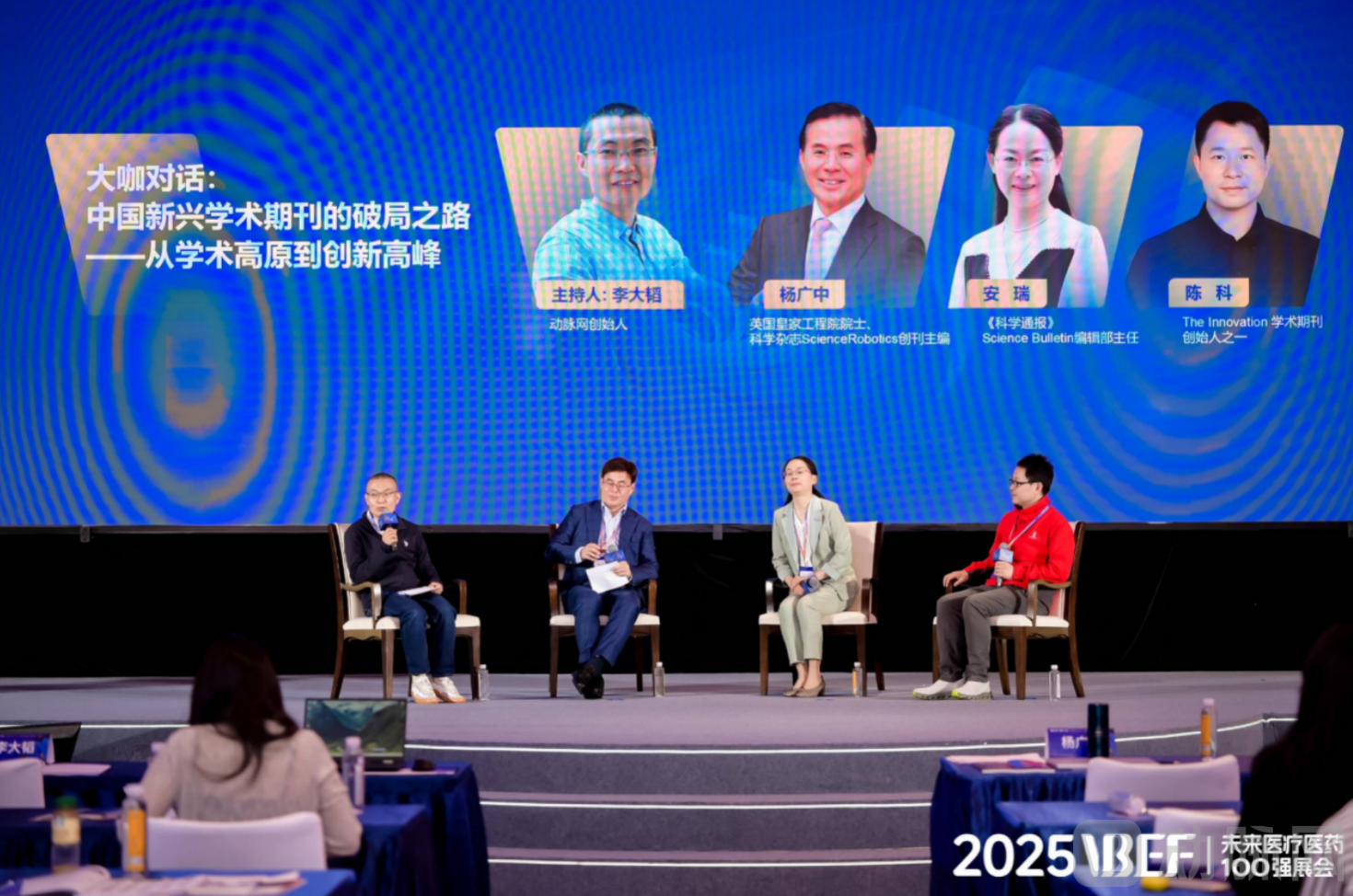
From left to right: Li Datao, founder of VCBeat; Yang Guangzhong, founding editor-in-chief of the scientific journal "Science Robotics" and academician of the Royal Academy of Engineering; An Rui, director of the editorial department of "Science Bulletin" & "Science Bulletin"; Chen Ke, founder of the academic journal The Innovation.
At the roundtable, An Rui took the reform and development of Science Bulletin in the past decade as an example to explain the relevant strategies for shaping a top-tier scientific journal brand.
In response to the question of how academic journals should be operated, Yang Guangzhong summarized the experience of "Science Robotics" into four words —— lead, nurture, support, and break.
"The 'lead' is to bring scholars from different fields to the robotics direction, practicing the concept of Science for Robotics, Robotics for Science; 'cultivate' is to build a professional editorial team to actively engage in cutting-edge research and provide a platform for everyone; 'support' is to lift everyone's achievements and ensure they reach new heights; 'breakthrough' is what we are currently doing—leading everyone to achieve groundbreaking work and truly advance scientific research and industrial development."
In addition to seeking guidance from top academic journals for industrial development directions, we also need to pay attention to the development of various enterprises within the industry. After all, they are the ones who ultimately complete the transformation of scientific research and maximize the extraction of its value.
Shen Dinggang, Founding Dean of the School of Biomedical Engineering at ShanghaiTech University and Co-CEO of United Imaging IntelligenceThrough "Large Model-Driven Scenario Upgrade: Innovation and Practice of Medical Intelligent Agents," the discussion touched on the large models that have remained highly popular in recent years. Shen Dinggang believes that large models and intelligent agent technologies are opening up new application scenarios in the medical field, but their clinical implementation still faces certain constraints. For instance, there are natural barriers in medical data, and inter-institutional data interoperability has not been fully realized; algorithms have limitations in handling ambiguous problems in medical scenarios, and some clinical decisions rely on experiential intuition, which is difficult to fully model.
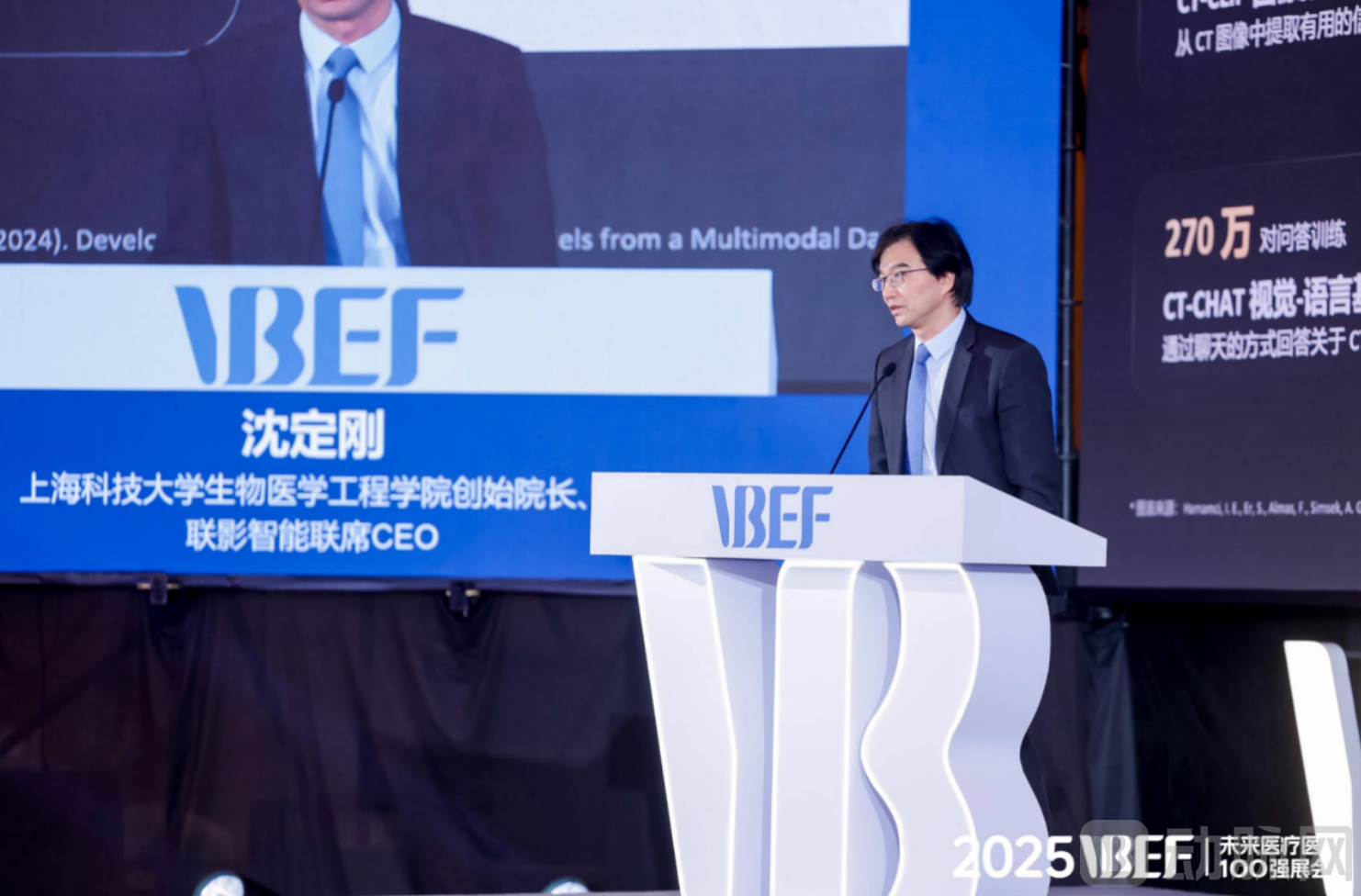
Shen Dinggang, Founding Dean of the School of Biomedical Engineering at ShanghaiTech University and Co-CEO of United Imaging Intelligence
He also stated: The ultimate breakthrough in medical intelligence lies in the innovative integration of model architectures. Relying solely on large models cannot solve the "impossible triangle" in the medical field. Only by combining the professional depth of small models with the generalization ability of large models can we achieve diagnostic accessibility and cost control while ensuring medical quality. The eight-year practice of UNITED IMAGING has confirmed this approach: training large and small model collaborative systems based on massive clinical data, solving precise decision-making problems in complex scenarios, and enhancing grassroots accessibility through lightweight deployment. This hybrid architecture may become the key to breaking through the challenges of medical intelligence in China.
Zhang Ling, Senior Technical Expert of DAMO Academy Medical AI Lab and Head of Multi-Cancer Screening Technology"AI Medical Imaging: Exploration of Multi-Cancer Screening Technology Using Non-Contrast CT" Specifically Addresses the Application of Medical AI. He Stated: Traditional single-cancer screening is inefficient and has a high false-positive rate, while emerging liquid biopsies, though capable of detecting multiple cancer types, are costly. In comparison, non-contrast CT demonstrates sensitivity surpassing that of professional doctors, with costs ranging from 40 to 300 yuan, reducing expenses by over 3000 yuan compared to traditional methods. Therefore, the non-contrast CT + AI solution may better meet market demands.
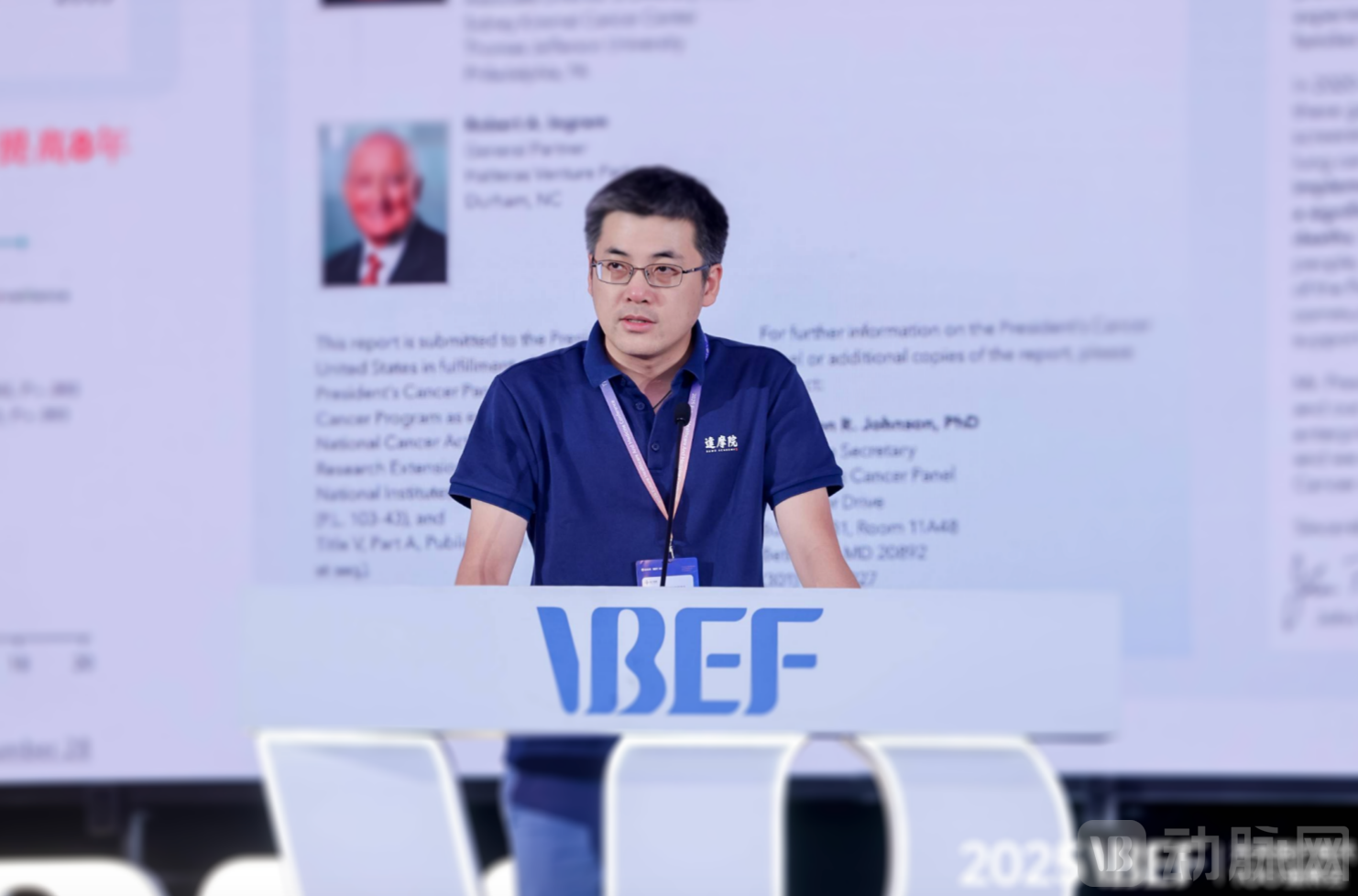
Zhang Ling, Senior Technical Expert of DAMO Medical AI Lab and Head of Multi-Cancer Screening Technology
Technical validation shows that DAMO's AI model performs excellently in various cancer screenings: the sensitivity for pancreatic cancer screening reaches 97%, the extended application sensitivity of chest CT is 86%; the PPV for esophageal cancer screening reaches 18%, far surpassing traditional gastroscopy (2%); gastric cancer screening can provide early warnings six months in advance; colorectal cancer screening sensitivity surpasses blood/stool tests and requires no bowel preparation. In the future, it will achieve "one scan, multiple checks": a single CT scan simultaneously screens for cancer and chronic diseases (such as fatty liver). Currently, this AI supports automatic monitoring of cancer and chronic diseases, deployed via cloud services/integrated machines, serving over 50 million cases cumulatively, successfully building a complete closed loop from technology development to clinical implementation.
Liu Yu, Executive Vice President and Chief Commercial Officer of Shanghai MicroPort Medical Robot (Group)"New Quality Productivity: 5G Remote Robotic Surgery Promotes the Accessibility of High-Quality Medical Resources" shared the application potential of 5G remote robotic surgery in primary healthcare. According to Liu Yu, relying on the construction of four million 5G base stations in China, MicroPort has achieved a breakthrough in the economic feasibility of surgical scenarios, significantly reducing the cost of single cross-provincial surgeries compared to the traditional model.
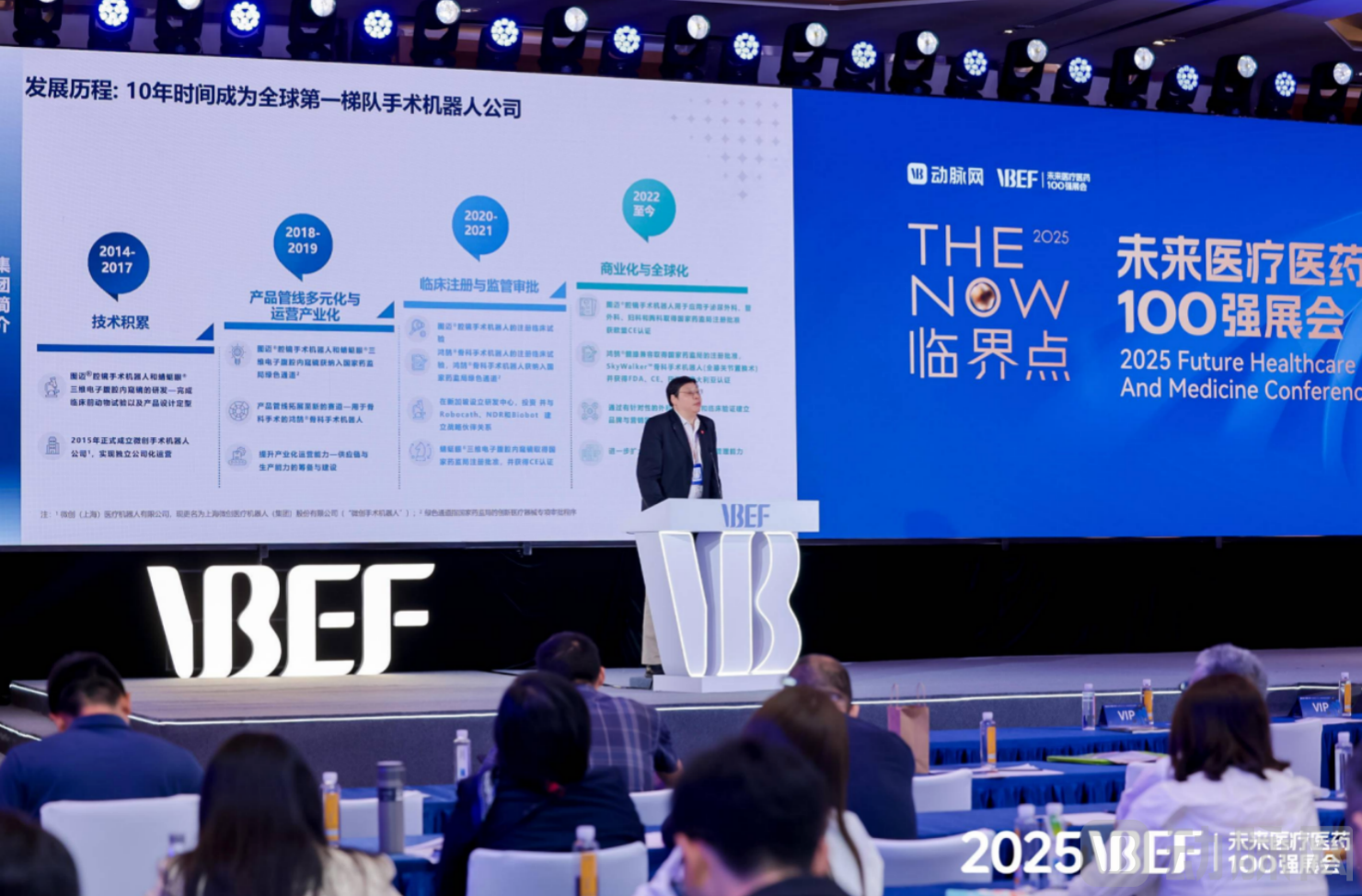 Liu Yu, Executive Vice President and Chief Commercial Officer of Shanghai MicroPort Medical Robot (Group)
Since obtaining the world's first registration certificate for remote robotic surgery in April 2025, MicroPort has completed over 400 remote cross-regional surgeries, including liver resections, gynecological and pediatric surgeries 5,000 kilometers away within China, intercontinental surgeries overseas, and even the world’s first satellite-enabled remote surgery. This allows patients in Kizilsu, Xinjiang, to receive surgery from experts in Jiangsu without traveling, truly realizing the original mission of "making every surgery accessible."
Vice President of Yao Yi Cloud Technology, Jin ChunmeiAt the conference, she presented under the title "Red Lines of Tax and Financial Compliance and Innovation Boundaries in the Pharmaceutical Industry," sharing the tax and financial impacts during the commercialization process after the commercialization of scientific research results. She believes that: The pharmaceutical industry is facing unprecedented challenges in upgrading compliance. In a strongly regulated environment, the tax and financial compliance of corporate promotion has become a key focus of review by tax audits, drug regulatory authorities, and securities regulators. Traditional violations such as issuing fake invoices, fabricating business operations, and capital reflux will be fully exposed under the Golden Tax Phase IV system. Once a company crosses the red line, it will face administrative penalties or even criminal prosecution.
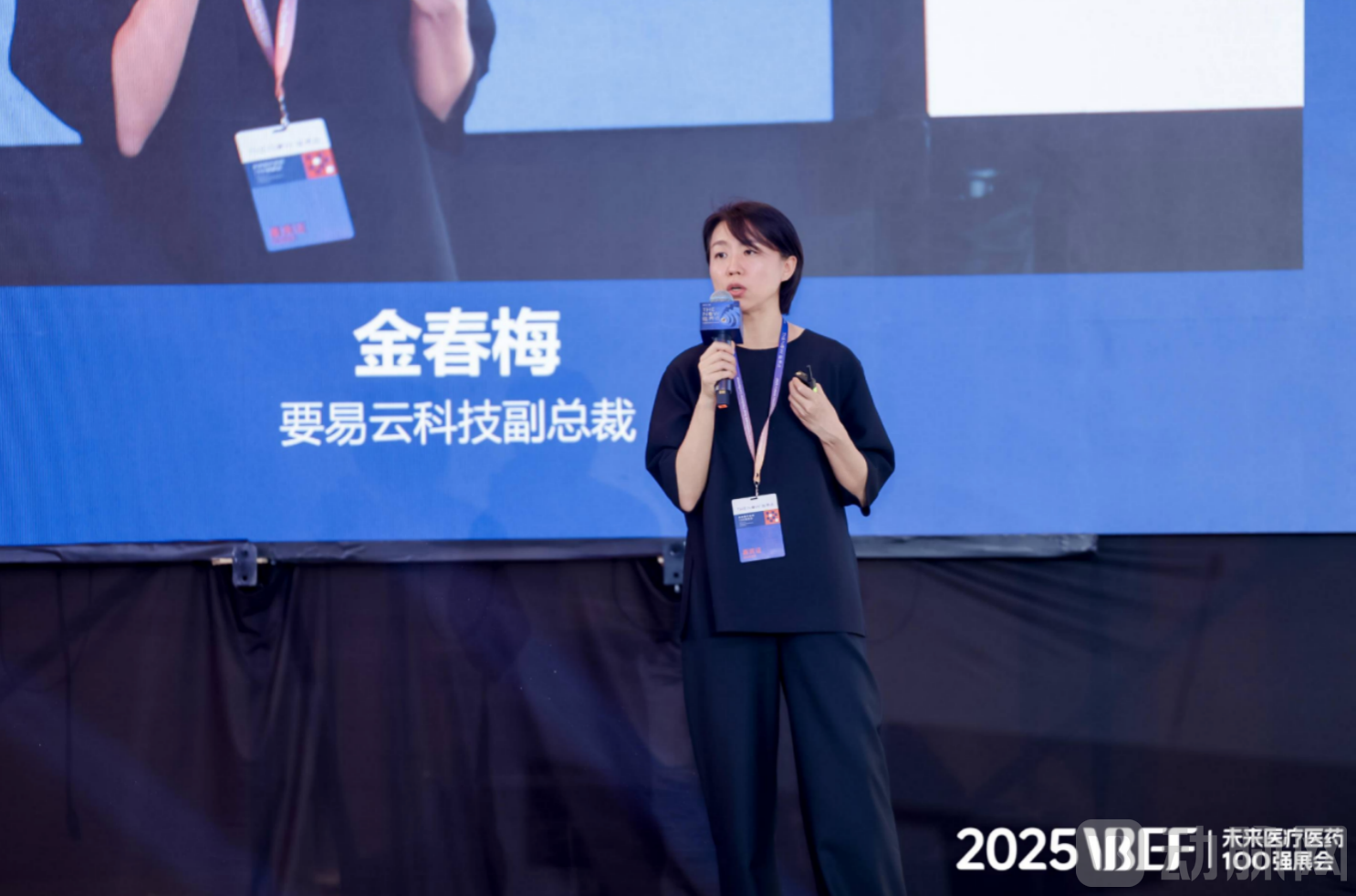
Vice President of Yaoyi Cloud Technology, Jin Chunmei
Penetrative regulation requires enterprises to build a full-process compliance system. In this context, digital intelligent tools become one of the key solutions. According to Jin Chunmei, enterprises can achieve the "five-flow integration" of business flow, contract flow, financial flow, invoice flow, and capital flow through a SaaS system, forming a digital compliance closed loop from pre-event supplier access screening, mid-event promotion behavior recording, to post-event self-examination and payment.
In the global race for medical technology, China is advancing as a breakthrough player into uncharted territory. From AI-assisted diagnostic systems surpassing human doctors' accuracy to gene-editing technologies solving rare disease treatment challenges; from domestically produced high-end medical devices breaking international monopolies to telemedicine networks reaching remote mountainous areas, every step of China's healthcare innovation is redefining the fusion of technological boundaries and humanistic care.
However, the exploration of uncharted territories is bound to come with challenges. In the future, these uncharted territories will not only be a technological wilderness but also a new continent for the shared health and well-being of humanity. Breakthroughs know no bounds; innovation never ceases.