

Stylus Medicine Emerges from Stealth with $85M Series A to Advance In Vivo CAR-T Therapies

Stylus Medicine
Gene Drug Developer

RA Capital
Life Sciences Venture Capital Firms

Eli Lilly
Global Pharmaceutical R&D and Production Company

Johnson & Johnson
Healthcare Product Manufacturers, Health Service Providers

Khosla Ventures
Venture Capital Firms

Myeloma Investment Fund
Multiple Myeloma Investment Institutions

Tachyon Ventures
A Venture Capital Firm Focused on Early-Stage Life Sciences

Chugai Pharmaceutical
Developer and Manufacturer of Anti-Cancer Drugs

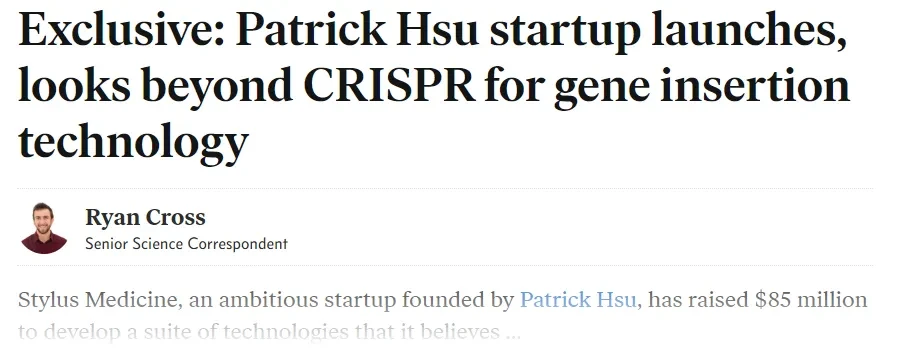
May 12, Boston – Stylus Medicine, a biotechnology company developing in vivo gene therapies to unlock treatments, emerged from stealth mode with an $85 million Series A financing.The Stylus Medicine platform is powered by engineered recombinases that encode therapeutic agents with high precision. Investors include RA Capital, Eli Lilly and Company, Johnson & Johnson, Chugai Pharmaceutical Co., Ltd., Khosla Ventures, Myeloma Investment Fund, and Tachyon Ventures.Stylus MedicineProviding genome engineering and chromatin regulation technologies to develop enzyme and drug delivery methods for targeted gene editing in vivo, capable of inserting gene sequences of any length into the human genome to develop permanent treatments for patients.


'%20fill='%23FFFFFF'%3E%3Crect%20x='249'%20y='126'%20width='1'%20height='1'%3E%3C/rect%3E%3C/g%3E%3C/g%3E%3C/svg%3E)
Jason Fontenot is the Chief Scientific Officer of Stylus Medicine. Before joining Stylus, Jason served as the Chief Strategy Officer at Sangamo Therapeutics. Prior to Sangamo, he was the Chief Strategy Officer at Immusoft and had previously held the position of Head of Exploratory Research at Juno Therapeutics. Before his time at Juno, Jason worked as the Leader of the Immunology Research Group at Biogen.
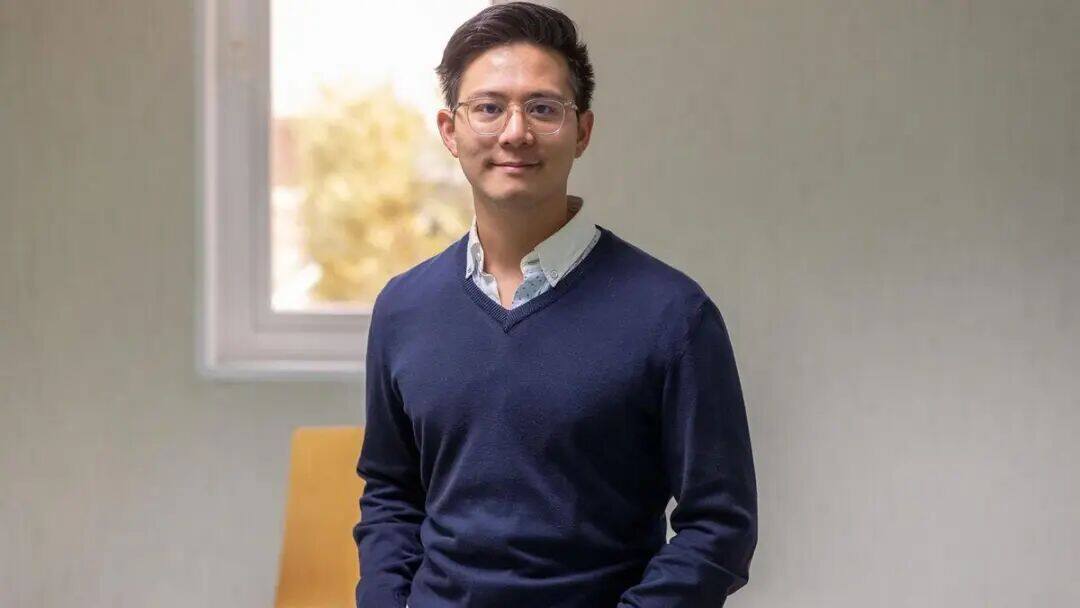
ACo-founder of RC Research Institute,University of California, BerkeleyProfessor of BioengineeringDr. Patrick Hsu is the founder of the company.Patrick HsuA Pioneer in CRISPR Gene EditingZhang FengThe first graduate student of the professor. Other scientific founders include Stanford.UniversityAmi S. BhattProfessor、Michael C. BassikProfessorAndProfessor Lacramioara Bintu.
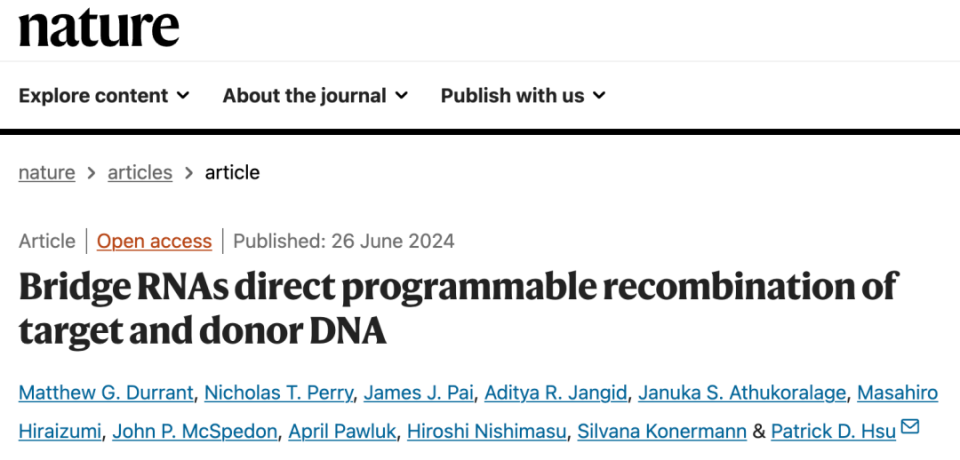

On June 26, 2024, Arc InstitutePatrick Hsu et al. inNature The journal published two research papers concurrently, describing a bridge-inspired ...RNA(Bridge RNA)Characteristics of guided recombinases, which can insert, invert, or delete long fragments at specific genomic lociDNASequence, thereby enabling these recombinases to be reprogrammed for new genomic editing capabilities.