

Breaking Barriers in Brain-Computer Integration: Tongji Hospital and Weiling Medical Establish a Collaborative Platform for Medical-Engineering Innovation
WE-LINKING
Developer of Medical-Grade Fully Implantable Wireless Brain-Computer Interface Systems
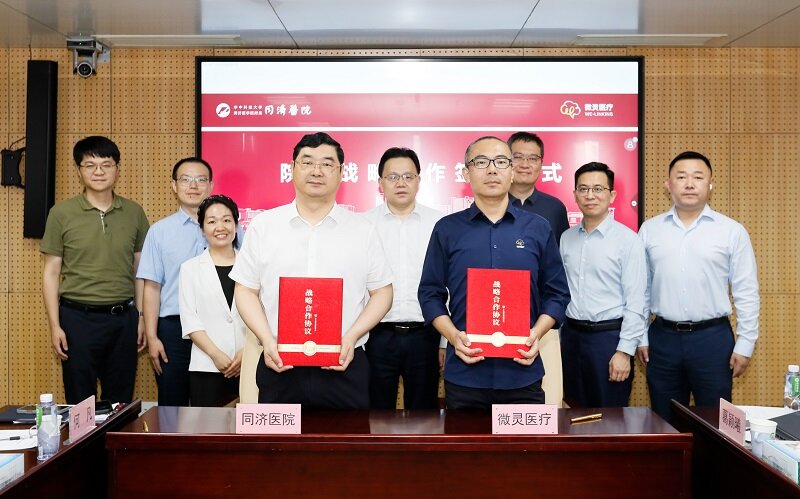
On May 16, Tongji Hospital affiliated with Tongji Medical College of Huazhong University of Science and Technology held a strategic cooperation signing ceremony with WE-LINKING (Shenzhen WE-LINKING Medical Technology Co., Ltd.) at the Hankou campus. Both parties will officially commence in-depth cooperation focusing on the clinical transformation and innovative application of brain-computer interface technology. Tang Zouping, Party Secretary of Tongji Hospital, Hu Junbo, Dean, Chen Gang, Vice Dean, and heads of relevant departments, along with Li Xiaojian, founder and chairman of WE-LINKING, R&D Director Li Qingxia, and their team attended the signing ceremony to jointly witness this important moment of "unlocking the mysteries of the brain."
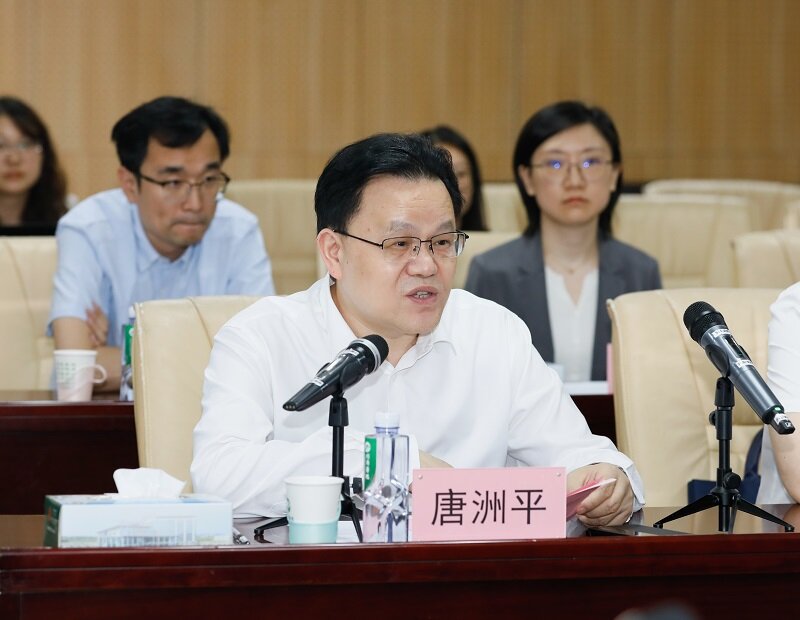
At the signing ceremony, Tang Zhouping stated that as a comprehensive national medical center creation unit, Tongji Hospital actively promotes scientific and technological innovation, especially in the field of brain-computer interfaces where it has been deeply engaged for many years. Among these efforts, the "Multimodal Brain-Computer Interface Rehabilitation Research Based on Motor Imagery" has entered the clinical trial stage. The non-invasive "brain-computer interface cap" shows great potential in the rehabilitation of upper limb motor functions in patients with cerebral hemorrhage. This collaboration with WE-LINKING will expand Tongji Hospital's brain-computer research into the invasive brain-computer field, which may hopefully provide treatment options for patients with spinal cord injuries, high-level paraplegia, and stroke in the future.
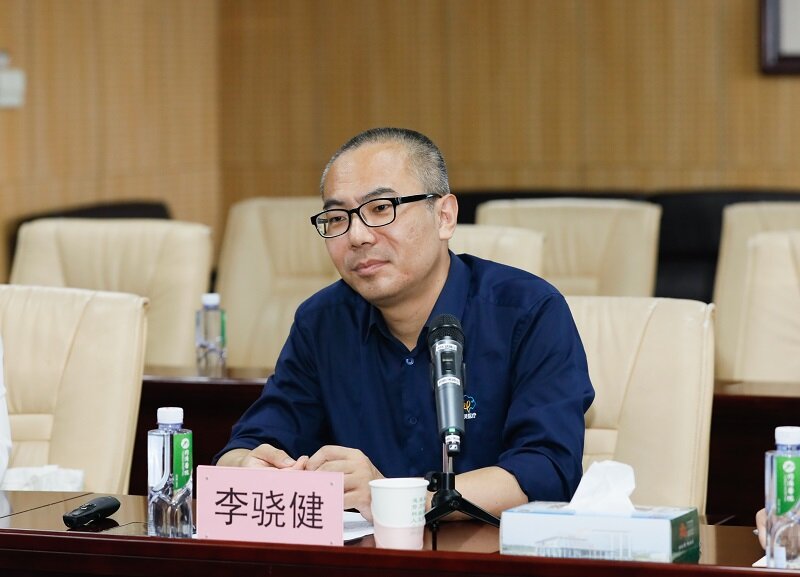
LI Xiaojian introduced the company's R&D achievements in the field of brain-computer interface technology, including the independent innovation of the full-chain technology of "electrode-chip-acquisition-algorithm-feedback," especially the breakthroughs in addressing industry challenges such as the biocompatibility and signal stability of fully implantable devices. He showcased the company's internationally leading technological advantages in brain-computer interface systems and expressed a willingness for in-depth cooperation with Tongji Hospital.
On March 31, Hubei took the lead in pricing medical services for brain-computer interface technology, specifying charge standards for three projects. This move provided strong policy support for the clinical application of brain-computer interface technology, accelerating its transition from the laboratory to clinical practice and opening the door to "technological rebirth" for a large number of patients. Against this backdrop, Tongji Hospital and WE-LINKING have joined forces to focus on core technology breakthroughs in brain-computer interfaces. The two parties will engage in deep cooperation in technological innovation and clinical transformation, aiming to elevate "medical-engineering collaboration" in this strategic field to new heights. With this collaboration as a starting point, both sides will continue to advance the application of brain-computer interfaces in key areas such as neural regulation and mental health, jointly crafting a "China solution" for the medical implementation of brain-computer interfaces and contributing "Tongji-WE-LINKING" wisdom to the global development of neurology.
In the future, Tongji Hospital will take the creation of a comprehensive national medical center as an opportunity to focus on breaking through more key "bottleneck" technical problems, accelerate the promotion of technological innovation in critical areas such as drugs, medical devices, and test kits, in order to promote the efficient transformation of scientific research results, and contribute new and greater strength to Hubei's "fulcrum construction".