Sirius Therapeutics Inks $895M siRNA Collaboration with CRISPR Therapeutics for FXI-Targeting Anticoagulant SRSD107
Sirius Therapeutics
Oligonucleotide Drug Developer
CRISPR Therapeutics
Gene Editing Drug Developer
On May 20th, known as Internet Valentine's Day and much beloved by couples, it has now also become a popular day for pharmaceutical companies to announce collaborations.
Today, a重磅消息 has swept through the entire pharmaceutical industry: Pfizer has acquired SSGJ-707, a PD-1/VEGF bispecific antibody from 3SBio, for an impressive sum of $6.05 billion. This marks another significant milestone in the journey of China's innovative drug exports – becoming the domestic License deal project with the highest upfront payment to date.
However, beneath this wave of attention, there is another innovative drug collaboration that should not be overlooked today: the significant partnership between Sirius Therapeutics and CRISPR Therapeutics. The two parties will work together to advance the development of siRNA innovative therapies, with the total value of this collaboration reaching $8.95 billion (approximately RMB 6.5 billion).
RMB 6.5 Billion Collaboration
On May 20, Sirius Therapeutics announced a strategic partnership with CRISPR Therapeutics to jointly advance the development and commercialization of siRNA therapies, driven by significant background and reasons.
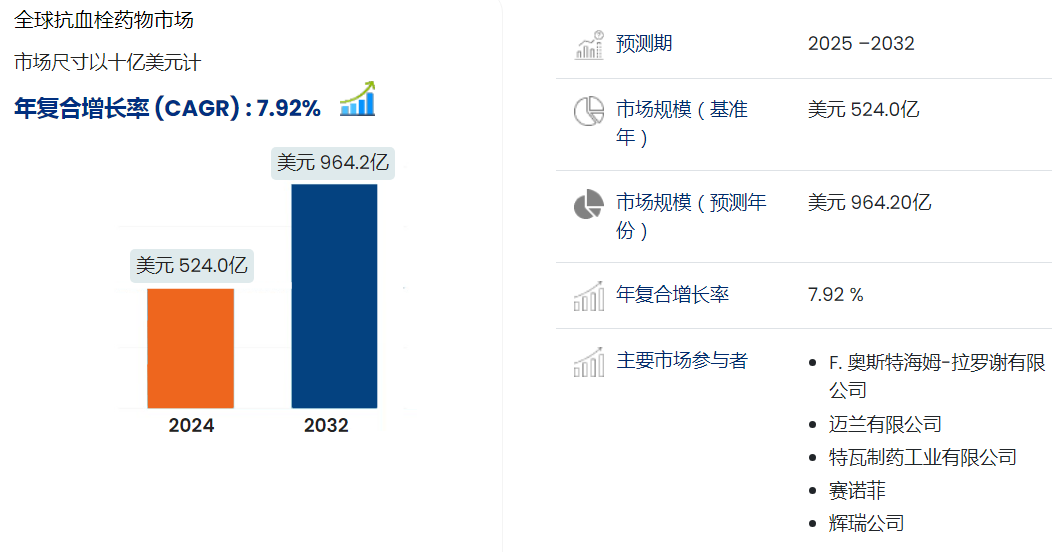
Image Source: Sirius Therapeutics Official WeChat
Sirius Therapeutics has long been deeply engaged in the siRNA field, possessing a core technology platform for small nucleic acid drug research and development with independent intellectual property rights. This platform covers several key aspects, including targeted delivery systems, chemical modification technologies, and double-stranded siRNA design. Take chemical modification technology as an example; it can significantly prolong the stability and half-life of siRNA, thereby ensuring the long-lasting effect of the drug in the body. This is undoubtedly an important "weapon" for Sirius Therapeutics to stand out in competition.
As a leader in the field of gene therapy, CRISPR Therapeutics boasts strong R&D capabilities and extensive technical experience. The collaboration between the two parties aims to organically integrate CRISPR Therapeutics' R&D capabilities with Sirius Therapeutics' siRNA technology platform, bringing new hope to patients with thrombotic and thromboembolic diseases.
According to the cooperation agreement signed by both parties, the core project of the collaboration is the next-generation long-acting Factor XI (FXI) targeted small interfering RNA (siRNA) therapy SRSD107, which is mainly used for treating thrombotic and thromboembolic diseases. The development of this drug is based on the critical role of the FXI target in pathological thrombosis formation while having a relatively minor impact on normal hemostatic function. Preclinical trial data have been highly encouraging, showing that a single subcutaneous injection of SRSD107 can reduce peripheral blood FXI levels by nearly 100%, with the effect lasting up to half a year without significant bleeding risk observed. This makes SRSD107 a potential First-in-Class and Best-in-Class next-generation safer anticoagulant drug.
In terms of the commercial terms of the collaboration, Sirius Therapeutics will receive $95 million in cash and cash equivalents as an upfront payment from CRISPR Therapeutics and is eligible to receive over $800 million in upfront and milestone payments. The two parties will co-develop SRSD107 under a 50-50 cost and profit-sharing mechanism. Additionally, in terms of market division, CRISPR will be responsible for the commercialization of SRSD107 in the United States, while Sirius Therapeutics will focus on the Greater China market, committing to the promotion and sales of the drug in this region.
This collaboration is undoubtedly a significant development opportunity for Sirius Therapeutics. On the one hand, the substantial financial support provides a solid material foundation for the research and development of its siRNA therapy, enabling it to focus more wholeheartedly on the development of innovative drugs; on the other hand, cooperation with a world-renowned research institution like CRISPR Therapeutics will help enhance Sirius Therapeutics' R&D capabilities and market competitiveness in the siRNA therapy field, further enrich and improve its product pipeline, and inject strong momentum into the company’s long-term development.
For CRISPR Therapeutics, the collaboration with Sirius Therapeutics can effectively expand its product pipeline layout in the cardiovascular disease field. By leveraging Sirius Therapeutics' advanced technology in the siRNA domain, CRISPR Therapeutics can further enrich its therapeutic technology platform, thereby enhancing its comprehensive competitiveness in the pharmaceutical market.
It is worth mentioning that this is also a landmark event in the field of siRNA therapy, fully demonstrating the industry's high recognition of the tremendous potential of siRNA technology in the treatment of cardiovascular diseases.
New Pathway
From cardiovascular diseases to cancer patients, the shadow of thromboembolism is omnipresent, and thromboembolic diseases are quietly becoming a covert "killer" of global health.
Data shows that the global anticoagulant market size reached $17.8 billion in 2023. The entire antithrombotic drug market is even larger, with revenue of $52.4 billion in 2024, and is expected to surge to $96.42 billion by 2032, with a compound annual growth rate (CAGR) of 7.92% between 2025 and 2032.
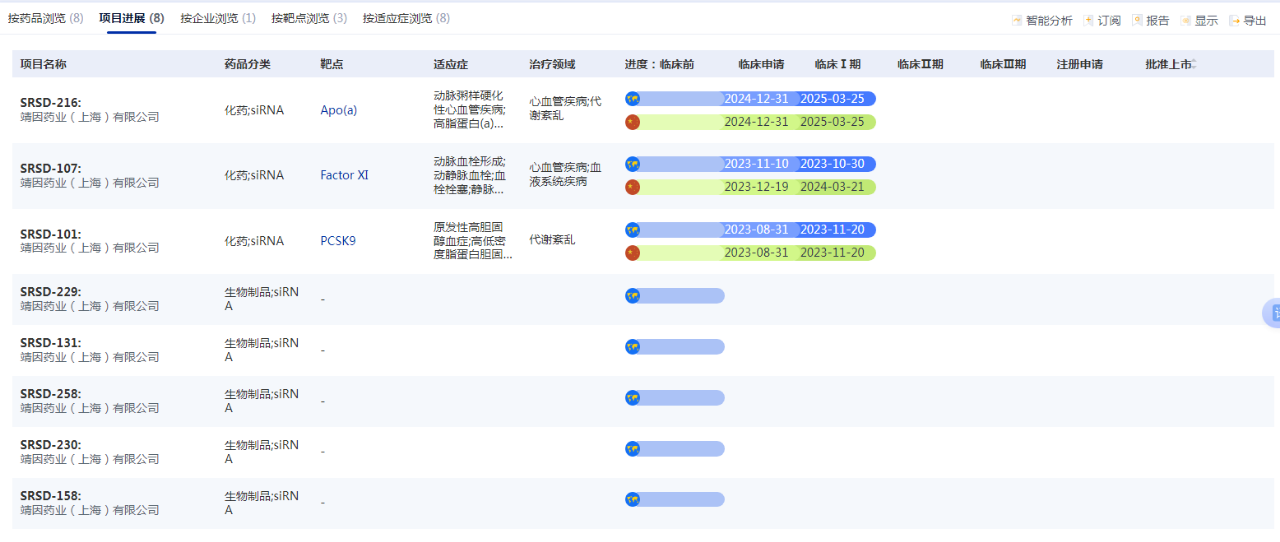
Image Source: https://www.databridgemarketresearch.com/reports/global-antithrombotic-drugs-market
However, the limitations of traditional anticoagulant therapy have gradually emerged. The risk of bleeding caused by excessive anticoagulation hangs like the Sword of Damocles over the heads of both doctors and patients. In the pursuit of a balance between efficacy and safety, siRNA therapy shines as a beacon of hope, cutting through the fog to open up an entirely new path for thrombosis treatment.
The emergence of siRNA therapy is a perfect interpretation of precision medicine. It precisely targets coagulation factor XI (FXI), blocking the "source" of pathological thrombosis while skillfully avoiding interference with normal hemostatic function. Compared with traditional coagulation factor Xa inhibitors, this precise strike offers significant advantages—like cutting a crucial thread in the intricate coagulation network without touching other vital links.
Its long-acting nature is a major highlight. Preclinical and clinical trial data are astonishing—just a single subcutaneous injection of SRSD107 can nearly reduce the peripheral blood FXI concentration to zero, and this effect lasts for up to half a year. For patients, this not only minimizes the suffering and inconvenience caused by frequent dosing but also enhances treatment adherence, making regular treatment much easier. In terms of safety, SRSD107 has also delivered impressive results. In earlier trials, it demonstrated good tolerability without increasing the risk of bleeding.
The therapeutic potential of siRNA in various indications is particularly remarkable. From cardiovascular risks in patients with atrial fibrillation to recurrence concerns in those with venous thromboembolism; from thrombotic complications in cancer patients to coagulation challenges in hemodialysis patients; from perioperative bleeding risks in orthopedic surgery patients to coagulation abnormalities in end-stage renal disease patients, siRNA therapy demonstrates broad application prospects and is expected to become a significant advancement for patients with various thrombosis-related conditions.
Rising Star in Innovative Nucleic Acid Therapies
Why Sirius Therapeutics Reached This Cooperation? It Is Related to Its Deep Cultivation in Innovative Nucleic Acid Therapies.
Sirius Therapeutics was founded in 2021, dedicated to improving human health through innovative nucleic acid therapies. As an emerging biotechnology company, it has shown great potential in the field of cardiometabolic diseases.
Sirius Therapeutics Partial R&D Pipeline Image Source: PharmaGo Data
Early on, Sirius Therapeutics set its sights on the field of cardiovascular disease treatment, leading to the development of SRSD107 injection. As a Factor XI (FXI)-targeting small interfering RNA (siRNA) therapy, SRSD107 submitted its application for the first-in-human (FIH) trial in Australia in November 2023. Just a few months later, in March 2024, it received clinical trial approval from China's CDE. In July of the same year, SRSD107 completed dosing for all participants in Phase I clinical trials in New Zealand, further validating its safety and tolerability across diverse ethnic populations. In March 2025, Sirius Therapeutics turned its focus to the European market, submitting an application for Phase II clinical trials to the European Medicines Agency.
Data show that a single subcutaneous injection of SRSD107 nearly completely knocked down FXI levels in peripheral blood, with the effect lasting up to half a year. No adverse reactions such as bleeding were observed. This breakthrough research not only demonstrates SRSD107’s potent anticoagulant effect but also highlights its significant safety advantages.
As the research and development of SRSD107 proceeded steadily, Sirius Therapeutics did not stop there and embarked on the development of SRSD101 injection, an siRNA drug for treating dyslipidemia. In 2024, SRSD101 completed Phase I clinical trials in New Zealand.
SRSD101 Precisely Targets the PCSK9 Gene to Effectively Reduce LDL-C Levels, Offering a Promising New Treatment Option for ASCVD Patients with Superior and More Efficient Lipid-Lowering Therapy. The Development of This Innovative Therapy Not Only Enriches Sirius Therapeutics' Product Portfolio but Also Further Strengthens Its Leading Position in the Cardiovascular Disease Treatment Field.
In April 2025, Sirius Therapeutics made another breakthrough in the field of new drug development with the clinical trial application for SRSD216 Injection approved by the U.S. FDA. Shortly after, the Phase I clinical trial in China also completed the first subject dosing on April 8.
From SRSD107 to SRSD101, and then to SRSD216, the pipeline under research by Sirius Therapeutics covers multiple cardiovascular metabolic disease treatment areas such as thromboembolic diseases and dyslipidemia. Each demonstrates strong innovation and clinical value, with first-in-class or best-in-class potential, poised to stand out in future market competition and reshape the landscape of cardiovascular disease treatment.
Reference Source:
1. PharmaData
2.https://mp.weixin.qq.com/s/VYIrcJ_fZKVF1UlzM17GrA
3.https://www.gminsights.com/industry-analysis/thrombosis-drugs-market
4.https://www.databridgemarketresearch.com/reports/global-antithrombotic-drugs-market
5.https://ir.crisprtx.com/news-releases/news-release-details/crispr-therapeutics-and-sirius-therapeutics-announce-multi
6.https://www.globenewswire.com/news-release/2025/05/19/3084420/0/en/CRISPR-Therapeutics-and-Sirius-Therapeutics-Announce-Multi-Target-Collaboration-to-Develop-Novel-siRNA-Therapies.html


Editor: Liuli
Disclaimer: The views expressed in this article represent the author's personal opinions and do not reflect the position of PharmCube. We welcome exchanges and additional insights in the comment section; for reprints, be sure to credit the author and source. If the content, copyright, or other issues are involved, please leave a message on this platform, and we will address it promptly.